
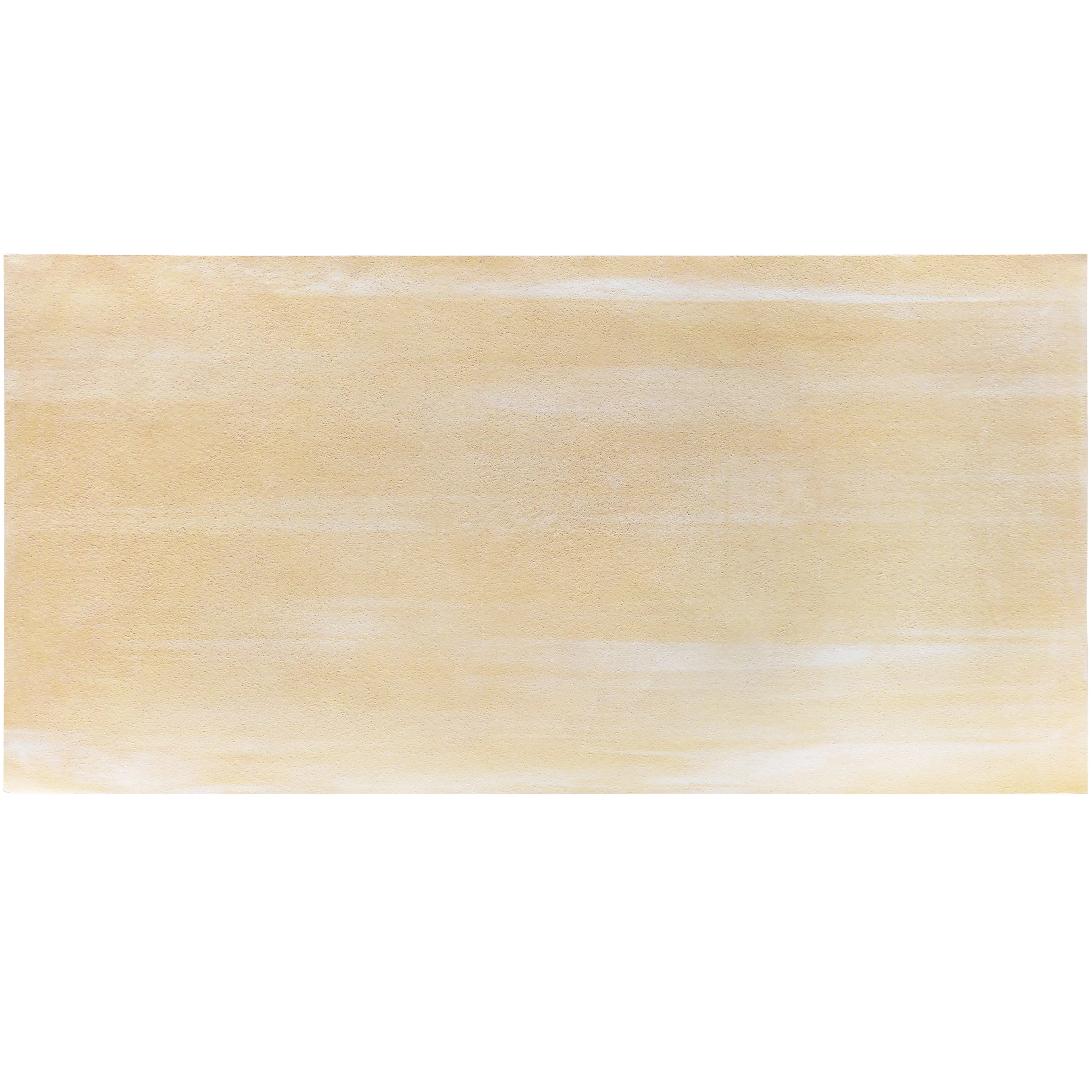
Every space we inhabit—whether a cozy home, a bustling office, or a serene public square—carries a silent narrative written in the language of building materials. They don't just hold structures together; they shape how we feel, move, and connect with our surroundings. In a world where design and sustainability are no longer optional, the search for materials that blend strength, beauty, and responsibility has led to innovations that redefine what's possible. Enter COLORIA Sandstone Cloude—a modified cementitious material that isn't just building a future of structures, but a future of experiences .
Imagine running your hand over a wall that feels like weathered sandstone, warm and textured, yet light enough to be curved into sweeping arcs or carved into intricate patterns. That's the magic of COLORIA Sandstone Cloude. Born from a desire to bridge the gap between traditional craftsmanship and modern engineering, this material is a testament to how innovation can honor the past while embracing the future. It's not just "another building product"—it's a solution to the age-old challenges that have long plagued architects, builders, and designers: weight, rigidity, sustainability, and the struggle to marry durability with design freedom.
At its core, COLORIA Sandstone Cloude is a modified cementitious material, but that term barely scratches the surface. Think of it as a symphony of science and nature: a blend of high-performance cement, recycled aggregates, and advanced polymers, engineered at the molecular level to be both incredibly strong and surprisingly flexible. This isn't your grandfather's concrete slab—it's a material that bends without breaking, resists the elements without weighing down structures, and mimics the look of natural stone without the environmental cost. And in a market flooded with generic options, it stands out as a choice that doesn't force you to compromise.
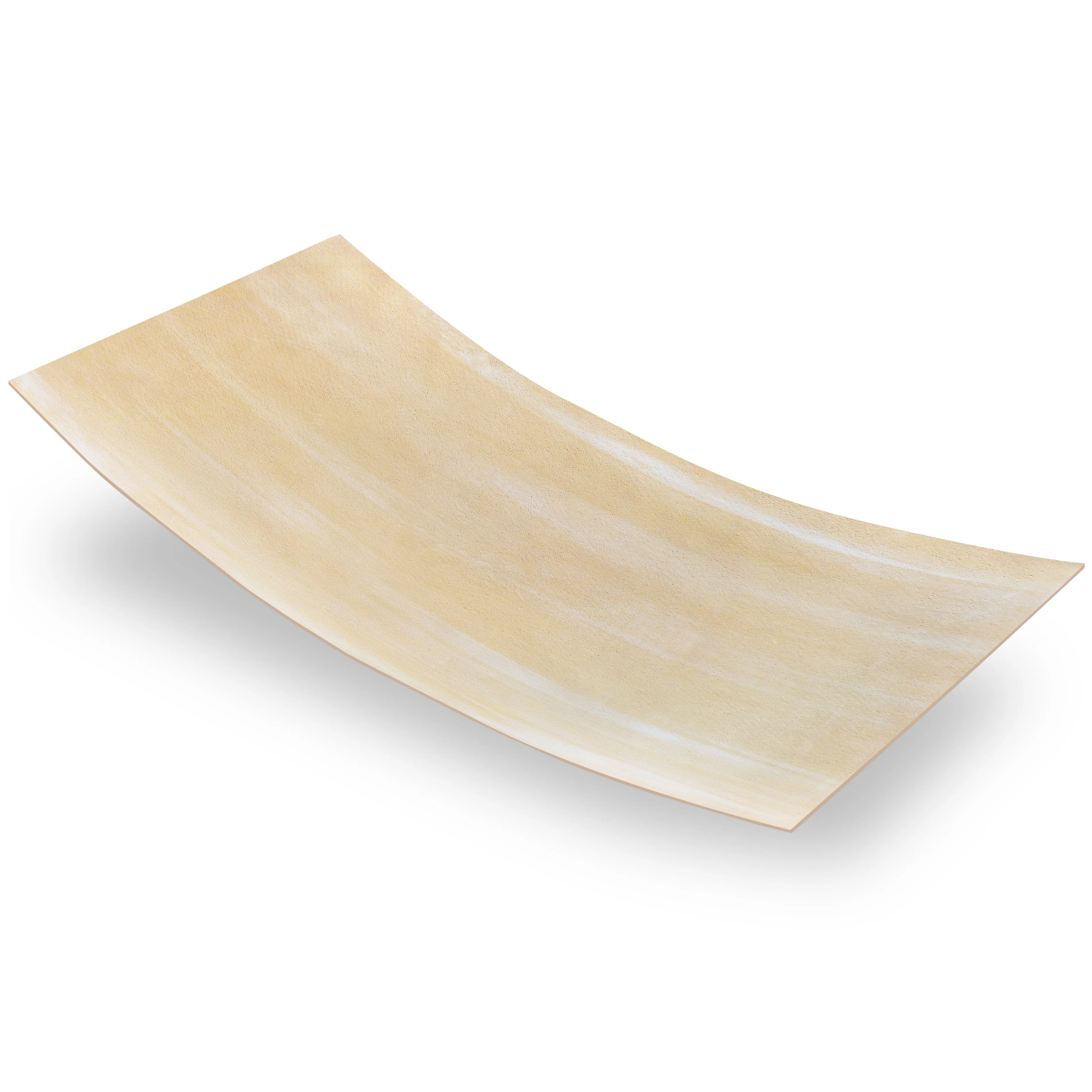
To understand why COLORIA Sandstone Cloude is a game-changer, let's start with the basics: what makes it different from traditional building materials? Let's take fair-faced concrete , for example—a staple in modern architecture for its raw, industrial charm. While undeniably durable, fair-faced concrete is heavy, prone to cracking under stress, and limited in design flexibility. Traditional sandstone, on the other hand, offers timeless beauty but is porous, heavy, and often requires extensive extraction that scars landscapes. Even travertine (beige) , a beloved natural stone, can be inconsistent in color, fragile during installation, and costly to source sustainably.
COLORIA Sandstone Cloude addresses these pain points head-on. Its modified cementitious matrix starts with a base of low-carbon cement, reducing its environmental footprint from the get-go. Then, recycled aggregates—think crushed stone from demolition sites or industrial byproducts—are integrated, giving new life to materials that would otherwise end up in landfills. The real innovation, though, lies in the addition of polymer fibers, which act like tiny reinforcing threads, distributing stress evenly and preventing cracks. This is where the "flexible" in mcm flexible stone comes into play: unlike rigid traditional materials, COLORIA Sandstone Cloude can bend up to 3 degrees without structural damage, making it ideal for curved walls, undulating facades, or even lightweight partition systems.
| Feature | COLORIA Sandstone Cloude | Traditional Sandstone | Fair-Faced Concrete | Travertine (Beige) |
|---|---|---|---|---|
| Weight (kg/m²) | 18–22 | 45–60 | 24–30 | 35–40 |
| Flexural Strength (MPa) | 8–10 | 3–5 | 4–6 | 2–4 |
| Water Absorption (%) | <3% | 8–12% | 5–8% | 6–10% |
| Recycled Content | 30–40% | 0% | 5–10% | 0% |
| Design Flexibility | High (curves, custom textures) | Low (brittle, hard to shape) | Medium (limited to straight lines) | Low (fragile, uniform cuts only) |
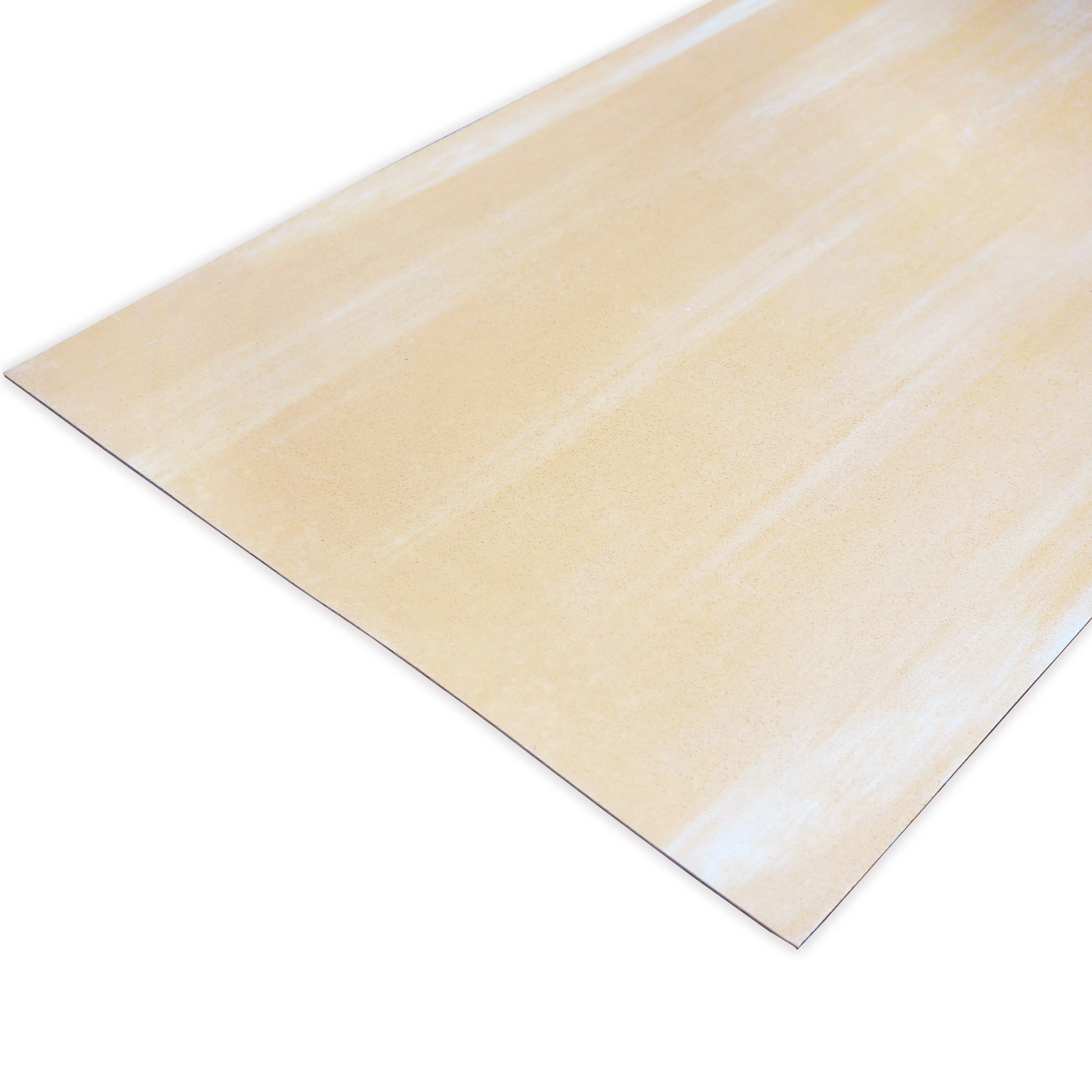
In an era where "sustainability" is more than a buzzword—it's a responsibility— green building materials aren't just a selling point; they're a necessity. COLORIA Sandstone Cloude was engineered with this in mind, and its commitment to the planet is woven into every layer of its production.
Let's start with raw materials. By incorporating 30–40% recycled aggregates, the material diverts waste from landfills and reduces the need for virgin stone extraction—a process that often disrupts ecosystems and contributes to carbon emissions. Its low-carbon cement base further slashes its footprint: compared to traditional cement production, which accounts for 8% of global CO₂ emissions, COLORIA's formulation cuts carbon output by up to 25%. And because it's lightweight, transporting it requires fewer trucks, lowering transportation emissions too.
But sustainability isn't just about what goes into the material—it's about how long it lasts. COLORIA Sandstone Cloude's resistance to water, UV rays, and temperature fluctuations means buildings clad in it require less frequent repairs or replacements, reducing the lifecycle environmental impact. Even better, at the end of its life, the material is recyclable, closing the loop on waste. For architects and developers aiming for LEED, BREEAM, or WELL certifications, this isn't just a bonus—it's a pathway to meeting stringent green building standards.
"We don't just want to build structures," says Maria Gonzalez, a sustainable design consultant who recently specified COLORIA for a community center project. "We want to build legacies. Materials like this let us do both—create beautiful spaces that don't cost the Earth."
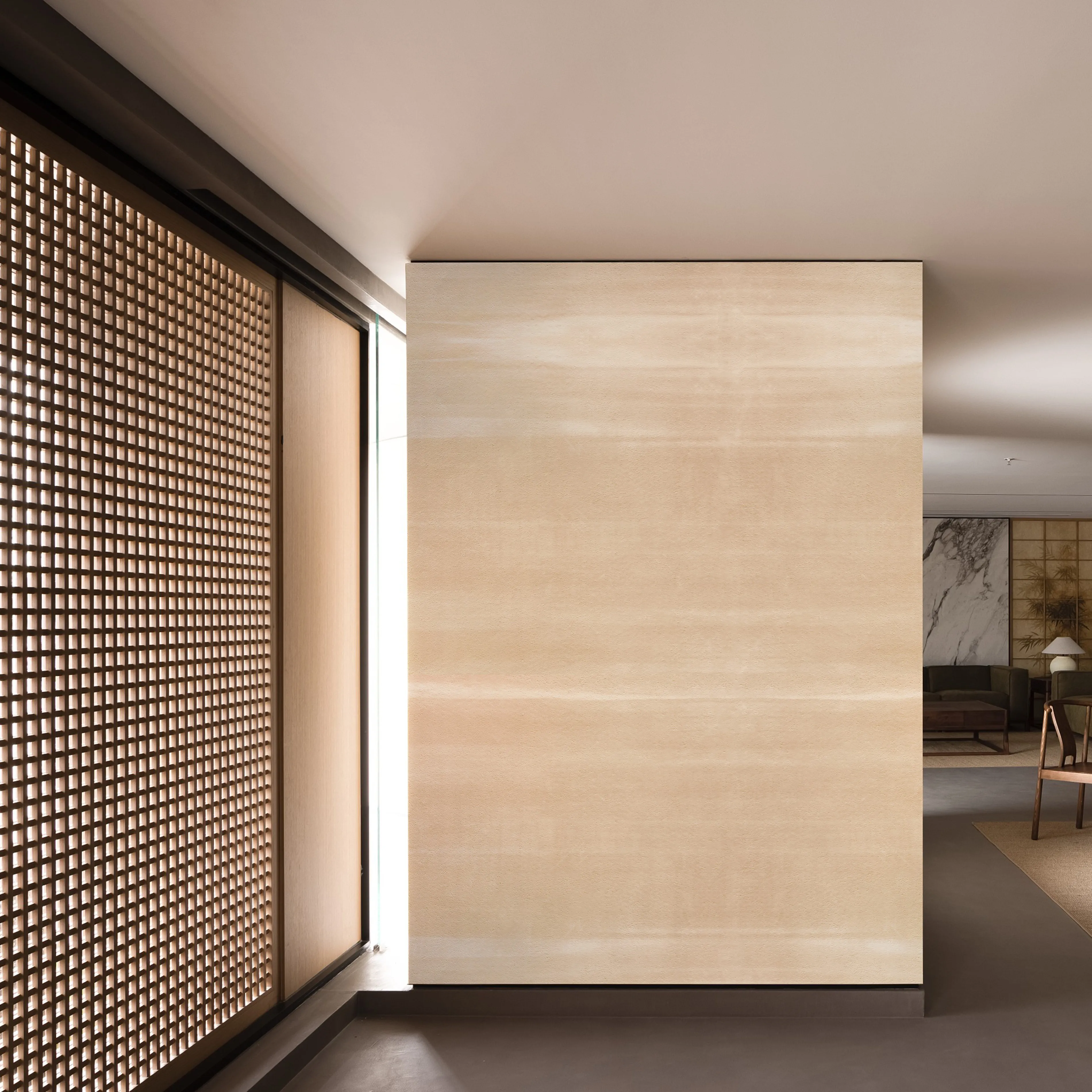
One of the biggest frustrations for designers is being forced to work within the limitations of traditional materials. A vision for a sweeping, organic facade might get scaled back because stone is too heavy to curve. A desire for a textured accent wall could be derailed because concrete is too rigid to carve. COLORIA Sandstone Cloude changes that narrative by putting design control back in the hands of creators.
Thanks to its mcm flexible stone technology—short for "modified composite material"—the material can be molded into virtually any shape. Want a lobby wall that flows like a wave? COLORIA can bend to the curve. Dream of a ceiling with undulating textures that mimic desert dunes? Its lightweight nature means it can be suspended without reinforcing the structure. Even custom textures are possible: from the smooth, matte finish of travertine (beige) to the rough-hewn look of ancient stone, the material can replicate natural patterns with stunning accuracy, all while maintaining consistency across large surfaces.
Take the recent renovation of the Riverbank Library in Portland, Oregon. The architects wanted to honor the building's 1920s heritage while infusing it with modern warmth. They chose COLORIA Sandstone Cloude in a custom "weathered sand" texture, using it to clad the main entrance and interior accent walls. The result? A space that feels both historic and fresh, with walls that invite touch and light that plays off their subtle texture. "It's like having a blank canvas," says lead architect James Chen. "We could finally build the space we imagined, not the space the materials allowed."
COLORIA Sandstone Cloude's versatility means it's at home in just about any project—from residential to commercial, indoor to outdoor. Let's explore a few spaces where it's making a difference:
Behind the beauty and flexibility lies a foundation of rigorous engineering. Let's peel back the layers to see what makes COLORIA Sandstone Cloude so strong and resilient.
At the micro level, the polymer fibers in the material act like a microscopic support network. When stress is applied—whether from wind, seismic activity, or temperature changes—these fibers distribute the force evenly, preventing cracks from forming and spreading. This is why the material can bend without breaking, a trait that's especially valuable in regions prone to earthquakes or extreme weather.
Its low water absorption rate (<3%) is another key feature. Unlike traditional sandstone or travertine, which can absorb water and become prone to mold, staining, or freeze-thaw damage, COLORIA repels moisture, making it ideal for humid climates or outdoor use. UV resistance is built in too: pigments are mixed into the material, not just applied as a topcoat, so colors won't fade even after years of direct sunlight.
Installation is another area where engineering meets practicality. The material comes in large, lightweight panels (up to 1.2m x 2.4m) that can be cut on-site with standard tools, reducing waste and installation time. Its tongue-and-groove system means panels lock together seamlessly, creating a smooth, continuous surface without visible seams. For contractors, this translates to faster projects, lower labor costs, and fewer callbacks.
At the end of the day, materials are tools—and the best tools make the job easier, the result better, and the process more enjoyable. COLORIA Sandstone Cloude delivers on all three fronts for the people who work with it.
For contractors, the lightweight panels mean fewer workers are needed to handle installation, and there's less risk of injury from heavy lifting. "We used to need a crew of four to install stone panels," says Jake Thompson, a construction foreman with 15 years of experience. "With COLORIA, two people can do the same job in half the time. And because it cuts cleanly, we're not wasting material on broken pieces."
For architects, the design freedom is a game-changer. "I no longer have to compromise on my vision because of material limitations," says Elena Kim, an architect specializing in sustainable design. "Want a wall that curves like a wave? Done. Need a texture that looks like ancient wood? It's possible. COLORIA lets me design for how people feel in a space, not just how it functions."
For building owners, the long-term savings are undeniable. Lower installation costs, reduced maintenance, and a longer lifespan mean lower total cost of ownership over time. And in a competitive real estate market, properties clad in innovative, sustainable materials like COLORIA often command higher rents or resale values.
COLORIA Sandstone Cloude isn't just a building material. It's a bridge between the past and the future—a way to honor the timeless beauty of natural stone while embracing the innovation and sustainability the world demands today. It's proof that engineering excellence and emotional resonance can coexist, that strength and flexibility aren't opposites, and that building for the planet and building for people don't have to be mutually exclusive.
As we look ahead to a future where our spaces need to be smarter, greener, and more human-centered, materials like COLORIA will play a starring role. They'll shape the cafes where we connect, the offices where we create, and the homes where we grow. And in doing so, they'll write a new narrative—one where buildings don't just stand; they live .
So the next time you step into a space that feels just right—warm, sturdy, alive—take a moment to notice the walls. Chances are, they're telling a story of innovation, sustainability, and the quiet power of great building materials. And that story? It might just be written in COLORIA Sandstone Cloude.
Recommend Products












