
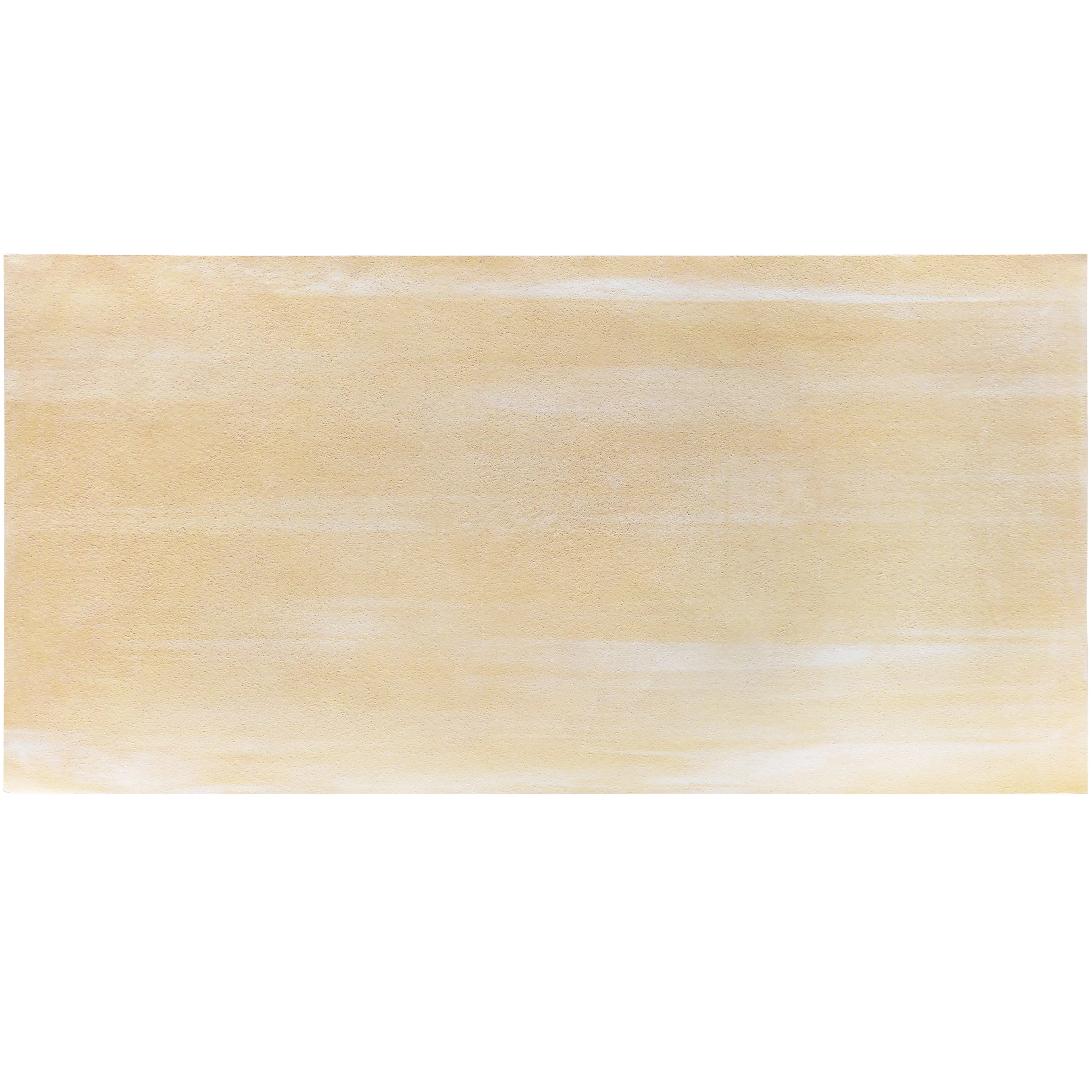
Walk into any construction site these days, and you'll notice a quiet shift in the air. It's not just the hum of power tools or the clink of metal—it's the murmur of architects debating carbon footprints, contractors comparing recycled content percentages, and project managers scribbling notes about "LEED credits" and "BREEAM ratings." Sustainability, once a buzzword tossed around in boardrooms, has become the backbone of how we build. We're no longer just erecting structures; we're crafting legacies that respect the planet. And in this new era, materials don't just fill spaces—they tell stories of responsibility, innovation, and care. Enter COLORIA Sandstone Cloude: a material that doesn't just check boxes for green certifications, but redefines what it means to build with both purpose and beauty.
Let's start with the basics—why do these certifications even exist? Picture this: An architect sits at their desk, staring at a blank screen. They're tasked with designing a community library, and their client has one non-negotiable demand: "Make it sustainable." But what does "sustainable" really mean? Is it using less plastic? Installing solar panels? Or is it something deeper—ensuring the building itself, from foundation to roof, leaves the lightest possible mark on the earth? That's where LEED and BREEAM step in. They're not just rulebooks; they're translators, turning vague ideals into tangible, measurable goals.
LEED (Leadership in Energy and Environmental Design), developed by the U.S. Green Building Council, is like the gold standard for sustainable building in North America and beyond. It scores buildings on factors like energy efficiency, water conservation, indoor air quality, and material sustainability, assigning certifications from Certified to Platinum. BREEAM (Building Research Establishment Environmental Assessment Method), born in the UK, takes a similar approach but with a European twist, emphasizing things like circular economy, ecological impact, and community well-being. Together, they're pushing the industry to ask: "What if we built with the planet, not just on it?"
But here's the thing: Meeting these certifications isn't always easy. Architects and builders often find themselves caught between two worlds—sticking to traditional, familiar materials that might not check the sustainability boxes, or taking a risk on unproven alternatives that could compromise durability or aesthetics. That's where COLORIA Sandstone Cloude comes in. It's the sweet spot—familiar enough to integrate into existing workflows, innovative enough to exceed certification requirements, and beautiful enough to make even the most design-obsessed architect smile.
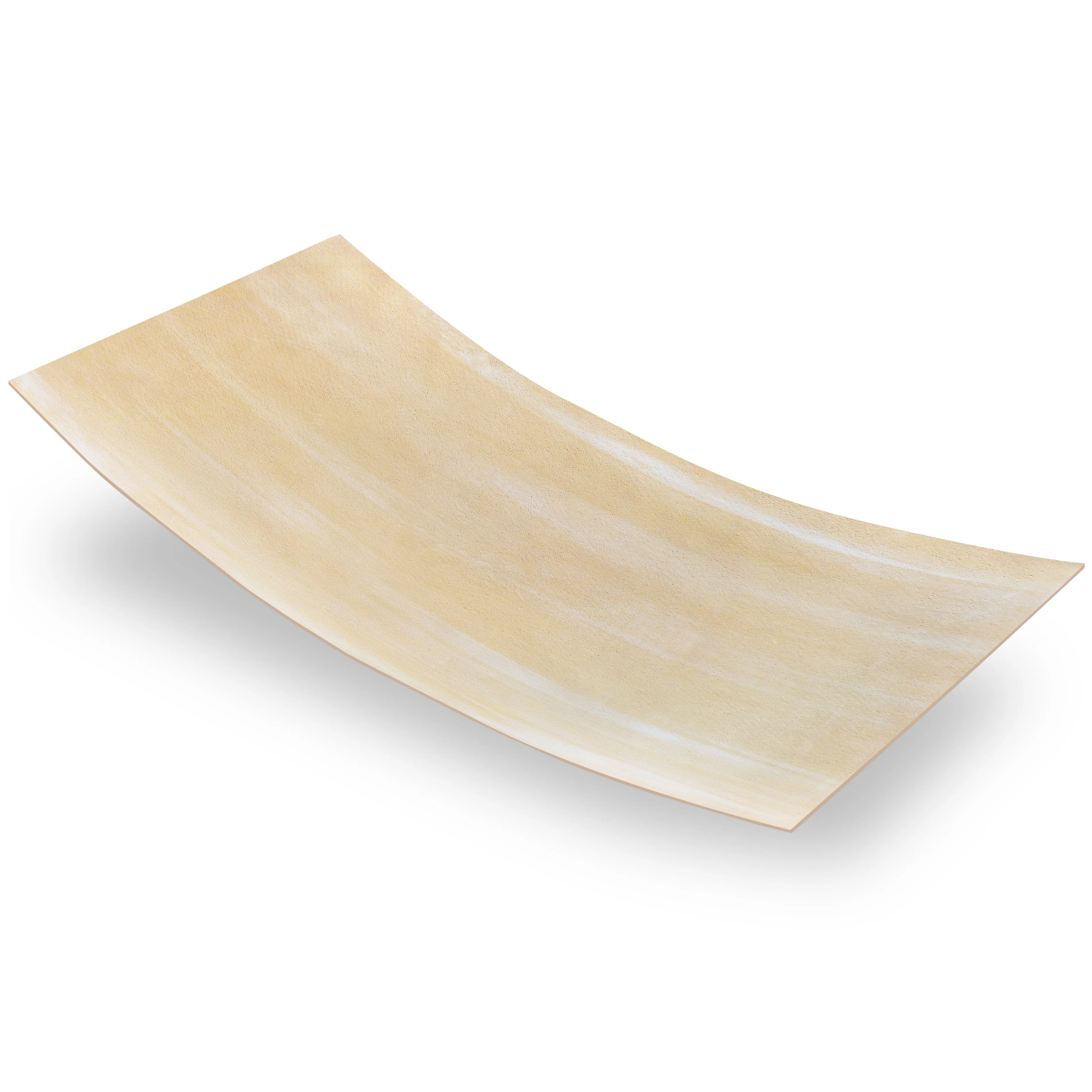
At first glance, you might mistake Sandstone Cloude for a classic masonry stone—warm, earthy, with a texture that feels like it's been shaped by centuries of wind and rain. But lean in closer, and you'll notice the difference. Run your hand over its surface: it's smooth yet tactile, with subtle variations in tone that catch the light and shift throughout the day. Tap it gently, and it rings with a solid, reassuring sound—no hollow echoes here. This isn't just stone; it's stone reimagined.
So what makes it special? Let's break it down, starting with how it's made. Traditional sandstone extraction often involves heavy machinery, massive quarries, and significant waste. COLORIA's process, though, is a masterclass in efficiency. They source raw materials from local, responsibly managed quarries—meaning less fuel burned during transportation—and use a water-based finishing process that eliminates harmful chemicals. Even the waste from production isn't discarded; it's crushed and reused as aggregate in other building materials. It's a closed-loop system that makes you wonder why more materials aren't made this way.
Then there's durability. We've all seen buildings where the exterior starts to chip, fade, or crack after just a few years—expensive to repair, and bad news for sustainability (more materials, more labor, more waste). Sandstone Cloude, though, is built to last. It's resistant to weathering, even in harsh climates—think freezing winters, scorching summers, or coastal salt spray. And unlike some synthetic alternatives, it ages gracefully. That warm beige hue? It won't turn chalky or yellow over time. Instead, it develops a patina that adds character, like a well-loved book or a vintage leather jacket. For builders, that means fewer replacements, lower maintenance costs, and a building that looks better with each passing year.
But let's talk about the elephant in the room: aesthetics. Sustainability shouldn't mean sacrificing beauty, and Sandstone Cloude gets that. It's available in a range of tones, from soft, sunlit beiges that evoke travertine (beige) to deeper, moodier grays that complement modern designs. And because each slab is unique—no two are exactly alike—it adds a level of authenticity that prefabricated panels just can't match. Imagine a café with a Sandstone Cloude facade: in the morning, sunlight hits the stone, casting warm shadows through the windows. In the evening, the building glows from within, the stone's texture softening the light. It's not just a wall—it's a backdrop for life.
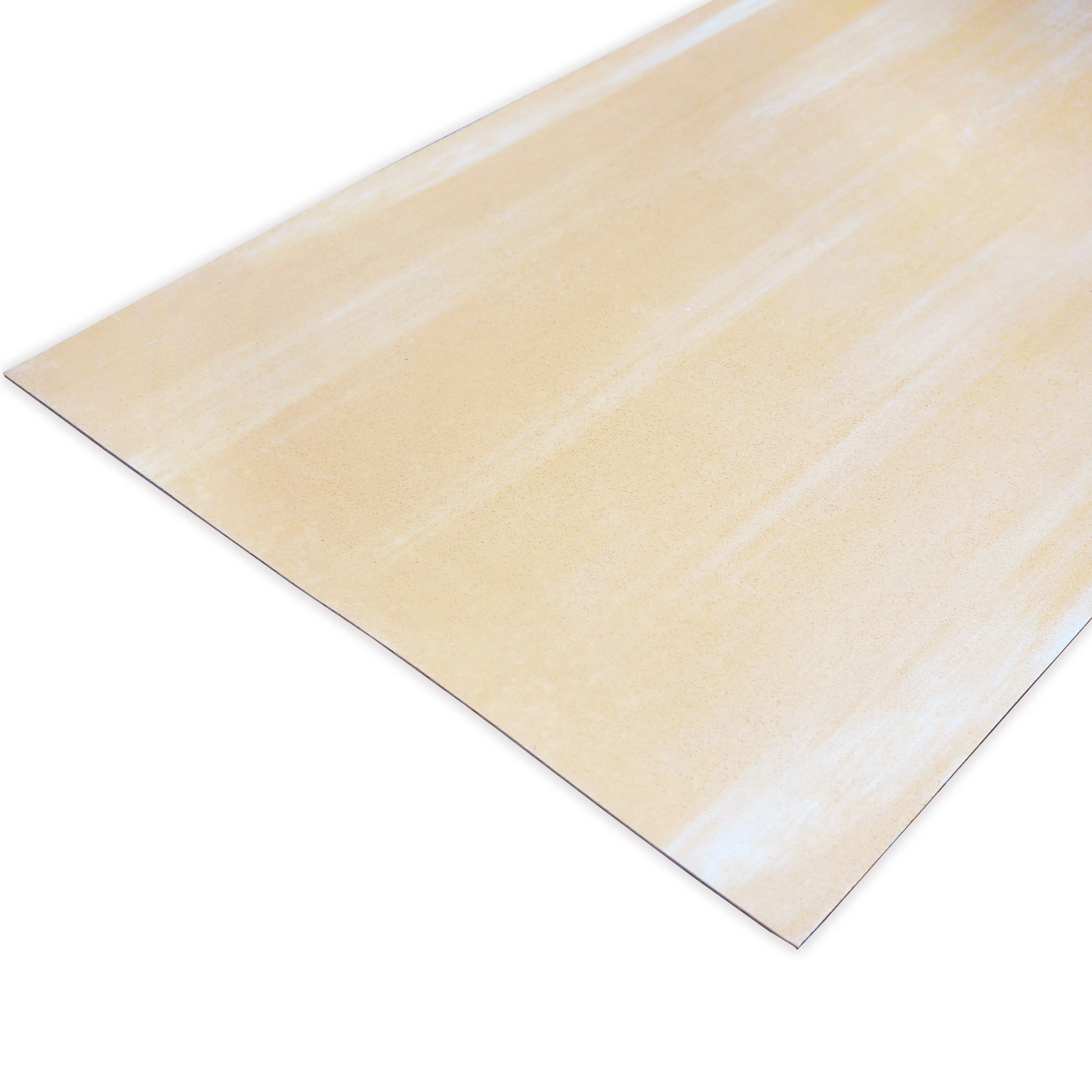
Let's get into the nitty-gritty: how exactly does Sandstone Cloude help projects earn those coveted LEED points? Let's start with one of the biggest categories: Materials and Resources. LEED loves materials that are locally sourced, and Sandstone Cloude delivers. COLORIA's quarries are within 500 miles of most major North American construction hubs, slashing transportation emissions. That alone can earn projects a credit under LEED's "Regional Materials" category. But it doesn't stop there. The stone is also high in recycled content—remember that closed-loop production process? Up to 30% of each slab is made from recycled stone waste, which can contribute to LEED's "Recycled Content" credit.
Then there's Indoor Environmental Quality (IEQ)—a category that's all about keeping people healthy. Traditional stone treatments often use sealants or coatings with volatile organic compounds (VOCs), which can off-gas into the air and cause headaches, allergies, or worse. Sandstone Cloude, though, uses a water-based sealant with zero VOCs. That means better air quality for building occupants, which can earn points under LEED's "Low-Emitting Materials" credit. And because the stone is naturally breathable, it helps regulate humidity—no more stuffy, overly dry rooms. It's small details like these that make a big difference for anyone who spends time inside the building, whether it's a teacher in a classroom or a doctor in a clinic.
Energy efficiency is another area where Sandstone Cloude shines. Stone is a natural insulator, and Sandstone Cloude's density helps keep buildings warm in winter and cool in summer. Pair it with energy-efficient windows and insulation, and you're looking at significant reductions in heating and cooling costs. That can translate to points under LEED's "Optimize Energy Performance" credit. And here's a bonus: the stone's light-reflective properties can reduce the need for artificial lighting during the day. Imagine a workspace where sunlight bounces off Sandstone Cloude walls, illuminating desks without a single light bulb. Not only does that save energy—it makes the space feel brighter, more open, and more inviting.
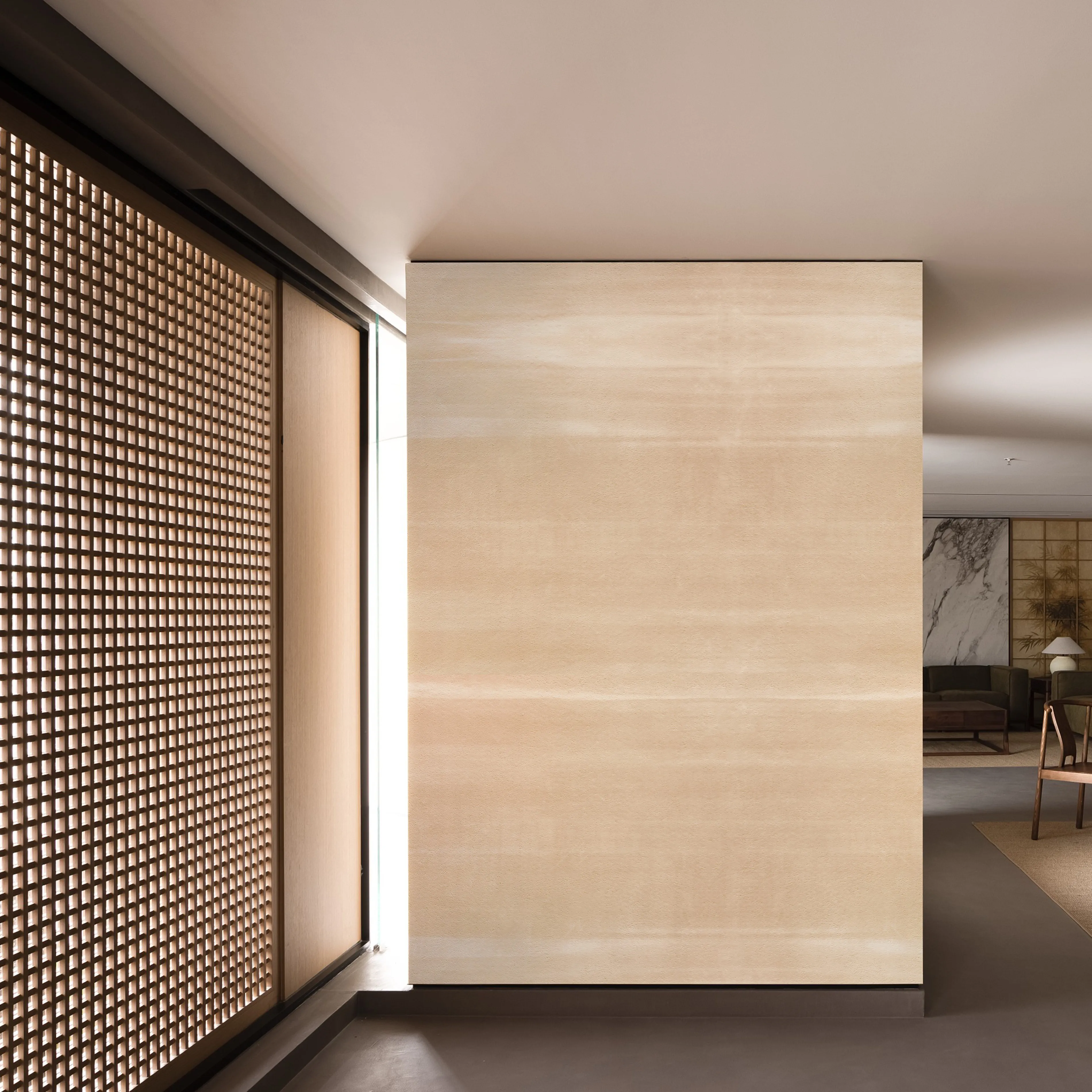
Over in Europe, BREEAM takes a slightly different approach, with a stronger focus on circular economy and ecological impact. Let's see how Sandstone Cloude measures up. BREEAM's "Materials" category rewards products with a clear end-of-life plan—and Sandstone Cloude has that in spades. Unlike synthetic materials that end up in landfills, Sandstone Cloude is 100% recyclable. When a building reaches the end of its life, the stone can be crushed and reused as aggregate, or even repurposed into new Sandstone Cloude slabs. That's circular economy in action, and it can earn projects points under BREEAM's "Circular Economy" credit.
Health and Wellbeing is another BREEAM priority, and Sandstone Cloude delivers here too. BREEAM looks at how materials affect mental health—does the space feel calming? Inviting? Sandstone Cloude's natural texture and earthy tones have been shown to reduce stress and improve mood, which can contribute to BREEAM's "Health and Wellbeing" credits. Think about it: walking into a hospital corridor lined with cold, sterile walls versus one lined with warm Sandstone Cloude. Which would you rather recover in?
Then there's BREEAM's "Pollution" category, which focuses on reducing environmental harm during production. COLORIA's manufacturing facilities run on renewable energy—solar panels, wind turbines—and they've invested in state-of-the-art filtration systems to ensure zero water pollution. That means Sandstone Cloude production doesn't contribute to air or water pollution, which can earn points under BREEAM's "Emissions Reduction" credit. It's a level of commitment that goes beyond just making a sustainable product; it's about building a sustainable process .
Certification points are great, but at the end of the day, buildings are for people. And Sandstone Cloude excels at creating spaces that people don't just use—they connect with . Take the example of the Riverton Community Center in Portland, Oregon. Built in 2023, the center's exterior is clad in Sandstone Cloude, paired with accents of foamed aluminium alloy board (vintage silver) for a modern twist. The design team wanted a material that would reflect the community's connection to nature, and Sandstone Cloude delivered. Today, locals often gather outside the center, leaning against the warm stone walls, chatting, or watching kids play. It's become more than a building—it's a gathering place, all because of the material's ability to feel both grand and intimate.
Or consider the Marlow Hotel in London, which used Sandstone Cloude in its lobby. The designers wanted a space that felt luxurious but not pretentious, and the stone's subtle veining and soft beige tones (reminiscent of travertine (beige)) struck the perfect balance. Guests often comment on how "grounded" the space feels—like stepping into a cozy, upscale cabin rather than a generic hotel lobby. That's the power of Sandstone Cloude: it doesn't just fill a space; it transforms it.
And let's not forget about versatility. Sandstone Cloude plays well with others, which is a huge plus for architects who love mixing materials. Pair it with fair-faced concrete for an industrial-chic vibe, or with warm woods for a rustic feel. One project even combined it with mosaic travertine for a stunning accent wall that became the focal point of the entire building. The possibilities are endless, which is why designers often call it "the chameleon of sustainable materials."
| Category | LEED Focus | BREEAM Focus | How Sandstone Cloude Delivers |
|---|---|---|---|
| Materials & Resources | Regional sourcing, recycled content | Circular economy, end-of-life recyclability | Locally sourced (≤500 miles), 30% recycled content, 100% recyclable at end-of-life |
| Indoor Environmental Quality | Low-VOC emissions, air quality | Health and wellbeing, stress reduction | Zero-VOC sealant, natural breathability improves humidity control; earthy texture reduces occupant stress |
| Energy Efficiency | Optimize energy performance, daylighting | Energy reduction, renewable integration | Natural insulation properties reduce HVAC use; light-reflective surface minimizes artificial lighting needs |
| Sustainable Production | Reduced waste, responsible extraction | Pollution reduction, renewable energy use | Closed-loop production (zero waste), water-based finishing; manufacturing facilities run on 100% renewable energy |
As we stand on the cusp of a new era in construction—one where sustainability isn't optional, but essential—materials like COLORIA Sandstone Cloude are leading the way. They're proving that we don't have to choose between the planet, people, and profit. We can have it all: buildings that reduce our carbon footprint, spaces that make people healthier and happier, and projects that still come in on budget and on time.
But don't just take our word for it. Talk to the architects who've used Sandstone Cloude, and they'll tell you the same thing: it's a game-changer. "Finally, a material that doesn't make me choose between sustainability and design," one architect recently said. "It's like COLORIA read my mind." Or the project manager who noted, "We thought meeting LEED Platinum would mean cutting corners elsewhere, but Sandstone Cloude made it easy—we even finished under budget."
At the end of the day, building sustainably isn't just about certifications or points. It's about legacy. It's about building structures that will still be standing decades from now, that will tell stories of a time when we decided to do better. It's about creating spaces where our kids, and their kids, will feel safe, happy, and connected to the world around them. And with COLORIA Sandstone Cloude, that legacy is within reach.
So here's to the future—one where every building is a little greener, a little more beautiful, and a lot more human. And here's to Sandstone Cloude, for helping us get there.
Recommend Products












