
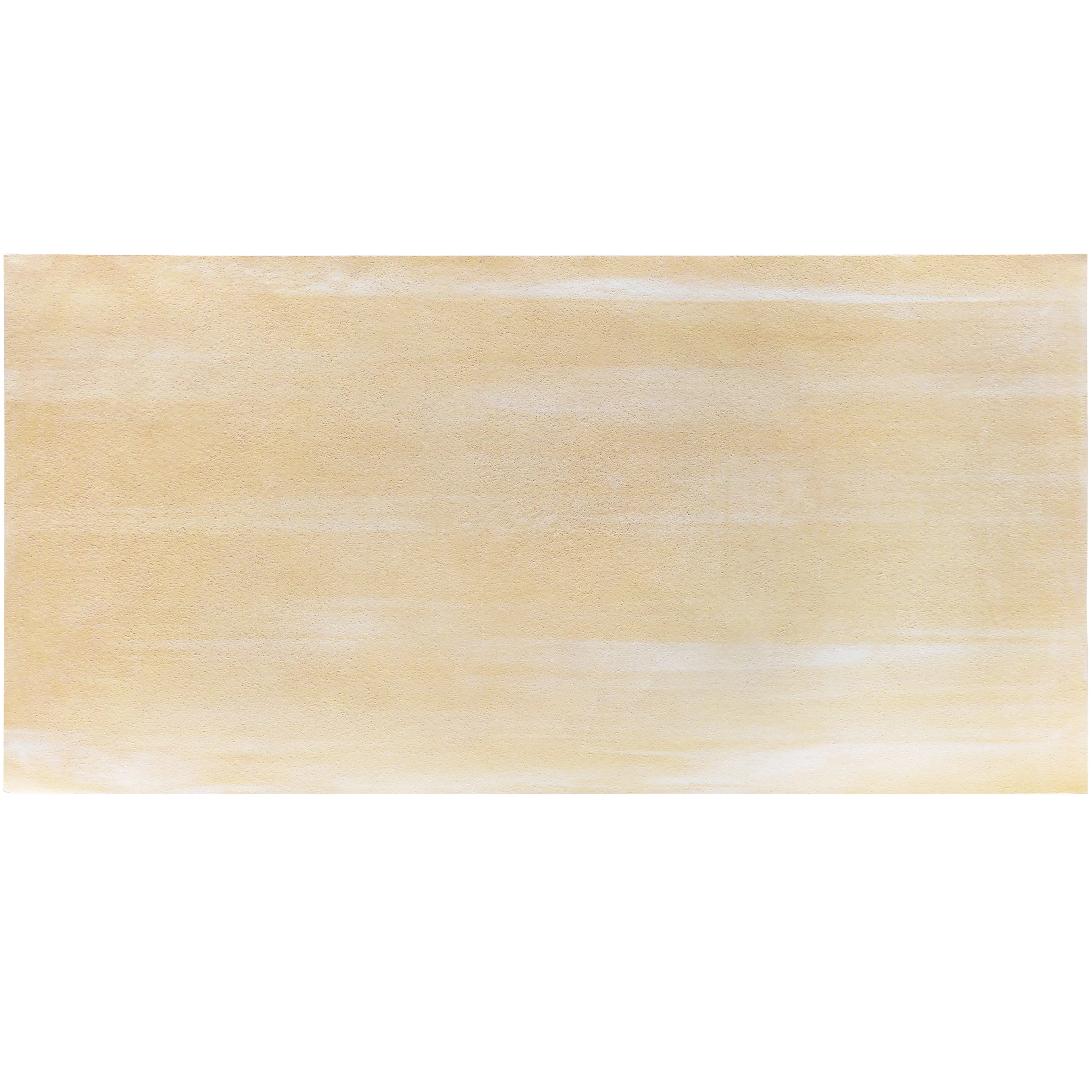
Where Earth's Beauty Meets Ethical Innovation in Modern Architecture
In the clatter of construction sites and the hum of design studios, there's a shift happening—one that's less about concrete and steel, and more about stories. Architects and builders are no longer just creating spaces; they're weaving narratives of responsibility, where the materials chosen speak not just to aesthetics, but to a deeper respect for the planet. Enter COLORIA Sandstone Cloude: a material that doesn't just adorn walls, but carries the weight of intention—proof that beauty and sustainability can coexist, even thrive, in the same slab.
Imagine a stone that feels like a piece of the earth, not a product of it. That's the essence of Sandstone Cloude. Its soft, cloud-like veining and warm, muted tones (think dawn breaking over a misty valley) aren't just visually striking—they're a testament to a sourcing process that prioritizes the planet at every step. But to truly understand its impact, we need to step beyond the surface and into the quarries, the workshops, and the minds of the people who bring it to life.
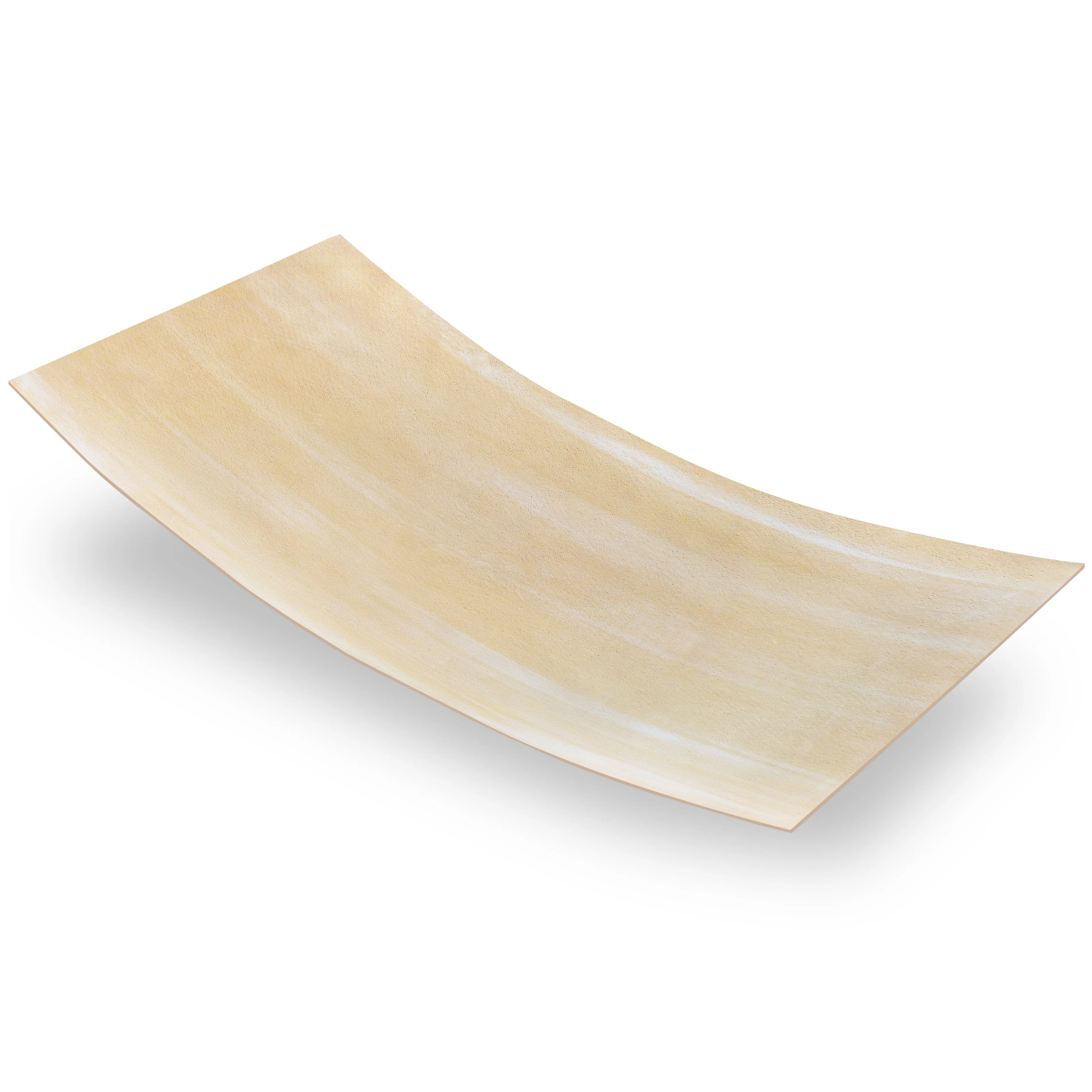
Sustainable sourcing isn't just a buzzword for COLORIA—it's a practice etched into every phase of Sandstone Cloude's creation. Let's start at the beginning: the quarry. Located in a region of northern Italy known for its rich mineral deposits, COLORIA's sites are managed with a "leave no trace" philosophy. Miners work in small teams, using precision tools to extract stone in thin, manageable slabs, reducing waste by up to 30% compared to traditional blasting methods. "We don't take more than the earth is willing to give," says Luca, a quarry manager with 15 years of experience. "Every cut is calculated to preserve the surrounding ecosystem—trees, soil, even the local wildlife that calls these hills home."
But sustainability doesn't stop at extraction. Once the stone is quarried, it's transported via electric trucks to COLORIA's nearby processing facility, where solar panels power 80% of the cutting and finishing work. Wastewater from washing the stone is filtered and reused, and even the dust—often a byproduct of stone processing—is collected and repurposed as a base material for eco-friendly concrete mixes. It's a closed-loop system that turns potential waste into resources, a reminder that sustainability thrives on creativity.
The Human Touch: Beyond machinery, it's the people behind Sandstone Cloude that make its story meaningful. Local artisans, many of whom have worked with stone for generations, hand-finish each slab, adding subtle textures that machines can't replicate. "My grandfather taught me to feel the stone," says Maria, a finisher. "You learn its weaknesses, its strengths—how much pressure to apply so it doesn't crack, how to bring out the hidden veins. It's not just work; it's a conversation with the earth."
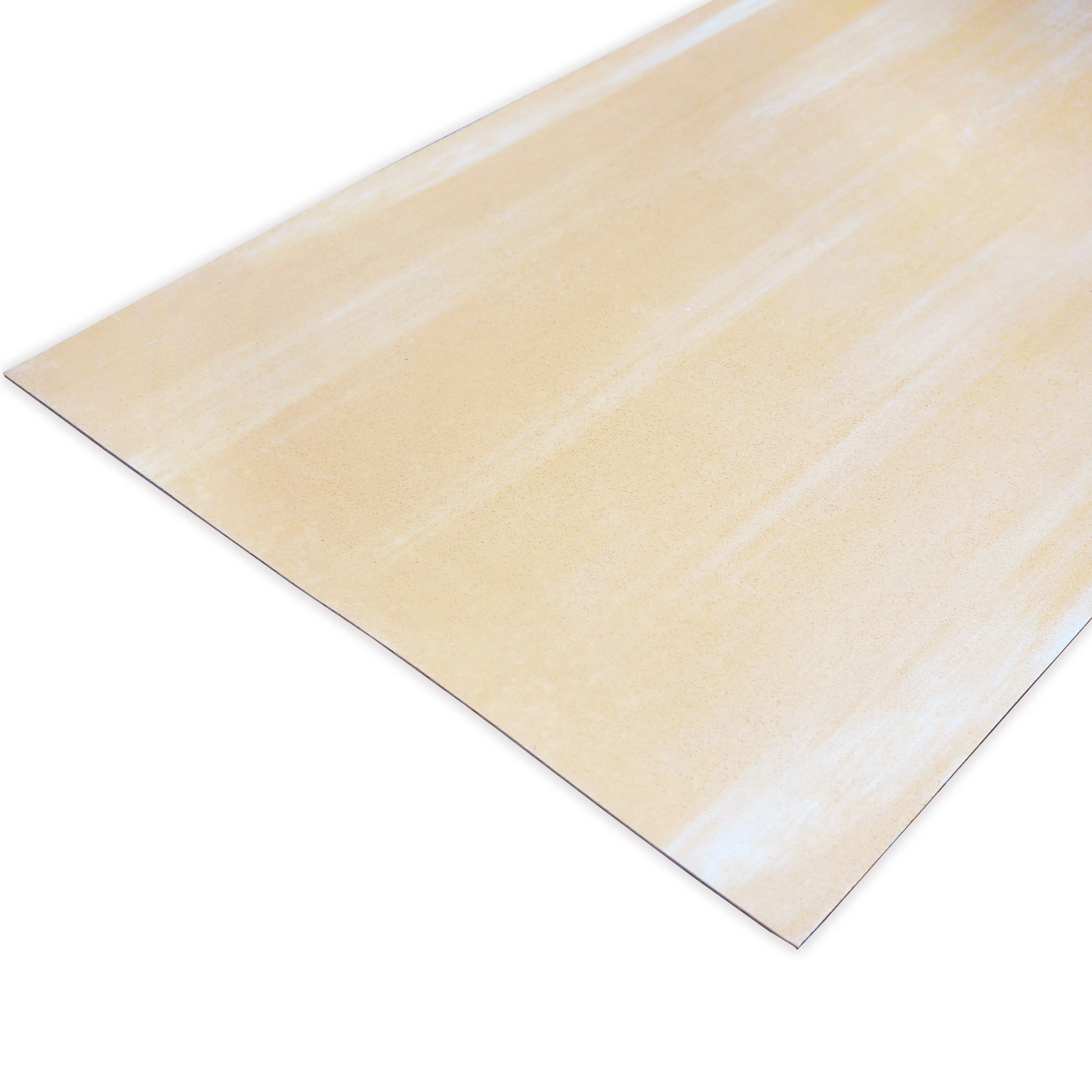
No building material exists in a vacuum, and Sandstone Cloude truly shines when paired with other sustainable options. Let's explore three materials that, when combined with Sandstone Cloude, create spaces that are as kind to the planet as they are beautiful:
There's something primal about rammed earth—the way its layers of compressed soil, clay, and straw create walls that breathe, insulate, and age like fine wine. COLORIA's rammed earth board (gradient) takes this tradition a step further, with hand-mixed pigments that blend soft beiges, terracottas, and muted greens, mimicking the natural gradients of a desert landscape at dusk. When paired with Sandstone Cloude's cloudy veining, the effect is striking: a dialogue between earth and sky, between the grounded and the ethereal.
Sustainability-wise, rammed earth is a champion. It requires minimal energy to produce (no firing or high-temperature processing), uses locally sourced soil, and sequesters carbon over time. "We had a client who wanted their home to feel 'rooted,'" recalls architect Elena, who designed a weekend villa in Tuscany using both materials. "Sandstone Cloude on the exterior walls, rammed earth (gradient) inside. The result? A space that stays cool in summer, warm in winter, and feels like it's been part of the hillside forever."
For projects that lean modern, foamed aluminium alloy board (vintage silver) is a revelation. Lightweight, durable, and 100% recyclable, this material has a sleek, metallic finish that contrasts beautifully with Sandstone Cloude's organic texture. Imagine a commercial lobby: Sandstone Cloude walls in soft greys, paired with vintage silver aluminium panels that reflect light, making the space feel larger and more dynamic. It's a marriage of old and new, where the stone's timelessness balances the metal's futuristic edge.
What makes foamed aluminium so eco-friendly? Its production uses 95% recycled aluminium, reducing energy consumption by 90% compared to mining new ore. Plus, its lightweight nature cuts down on transportation emissions—a small detail with a big impact. "We used it on a community center in Berlin," says sustainability consultant Kai. "The combination of Sandstone Cloude and vintage silver aluminium wasn't just about looks; it cut the building's carbon footprint by 15% during construction. That's the kind of win-win clients crave."
Fair-faced concrete—concrete left in its natural state, with visible aggregates and subtle imperfections—has long been a favorite of minimalist designers. But when paired with Sandstone Cloude, it becomes something more: a canvas for texture. The smooth, industrial feel of fair-faced concrete (in soft whites or light greys) provides the perfect backdrop for Sandstone Cloude's organic patterns, creating a space that feels both calm and dynamic.
COLORIA's take on fair-faced concrete adds another layer of sustainability: it's mixed with recycled aggregates (including that repurposed stone dust from Sandstone Cloude processing) and a low-carbon cement alternative, reducing its carbon footprint by up to 40%. "Concrete gets a bad rap for being 'dirty,'" says civil engineer Maya, "but when done right—with recycled materials and careful curing—it's a sustainable workhorse. Pair it with Sandstone Cloude, and suddenly it's not just a building material; it's art."
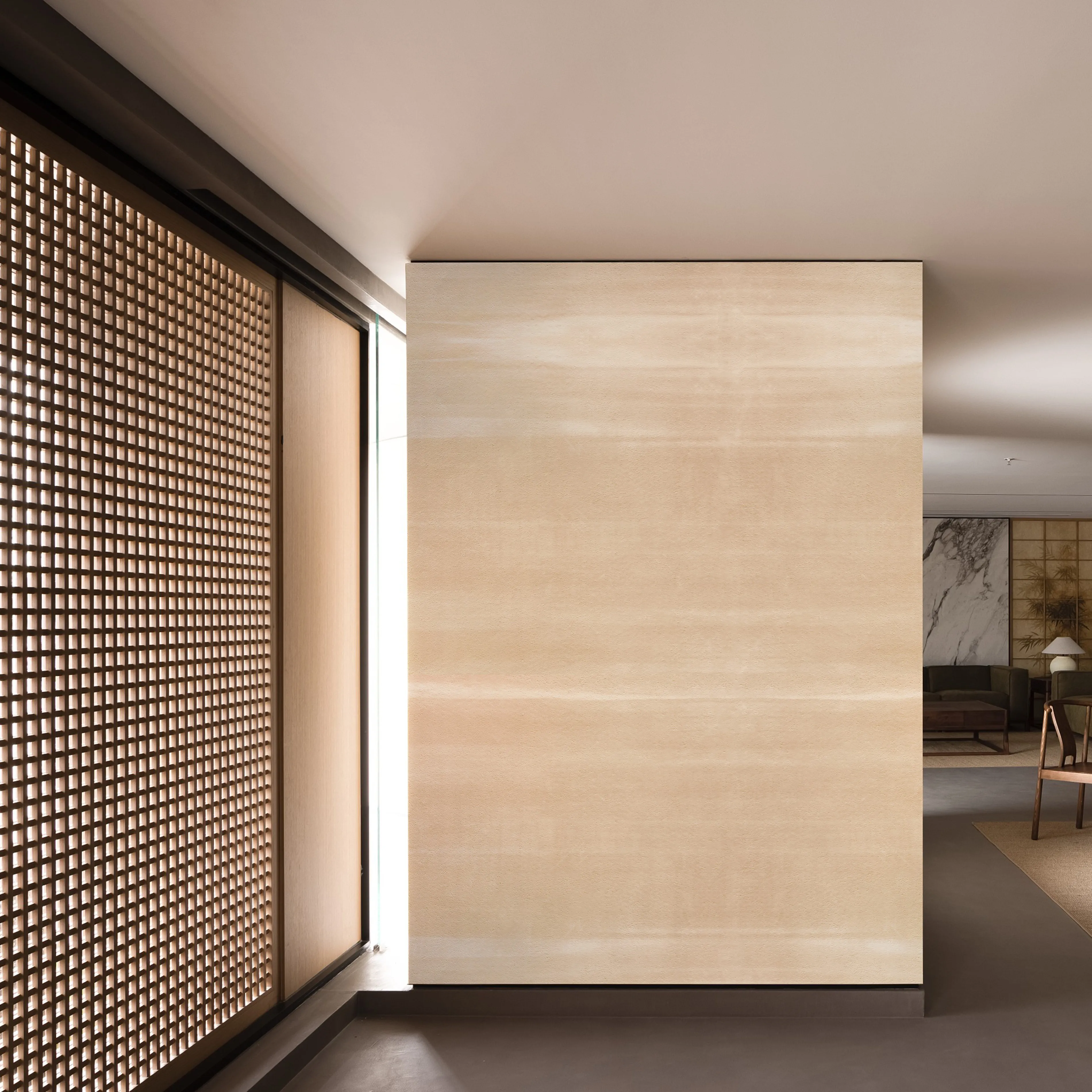
| Material | Sourcing Highlights | Sustainability Features | Aesthetic Vibe | Best For |
|---|---|---|---|---|
| COLORIA Sandstone Cloude | Precision extraction, solar-powered processing, local artisans | 30% less waste than traditional quarrying, wastewater recycling, dust repurposing | Soft, cloud-like veining, warm neutrals, organic texture | Feature walls, fireplaces, exterior facades |
| Rammed Earth Board (Gradient) | Locally sourced soil, hand-mixed pigments, traditional techniques | Zero firing, carbon sequestration, natural insulation | Earthy gradients (beige, terracotta, green), layered texture | Interior walls, accent panels, eco-homes |
| Foamed Aluminium Alloy Board (Vintage Silver) | 95% recycled aluminium, energy-efficient production | Lightweight (reduces transport emissions), 100% recyclable | Sleek, metallic sheen, modern industrial | Ceilings, cladding, commercial lobbies |
| Fair-Faced Concrete | Recycled aggregates (including stone dust), low-carbon cement | 40% lower carbon footprint, minimal finishing needed | Smooth, industrial, subtle aggregate visibility | Floors, countertops, minimalist interiors |
Talk is cheap; it's the projects that truly test a material's mettle. Take the "Green Haven" community center in Portland, Oregon—a space designed to serve as both a gathering place and a showcase for eco-friendly design. The exterior features Sandstone Cloude in soft greys, paired with rammed earth board (gradient) in warm terracottas, creating a facade that blends with the surrounding Pacific Northwest landscape. Inside, fair-faced concrete floors and vintage silver aluminium accents complement the stone, while large windows flood the space with natural light, reducing the need for artificial.
"The goal was to make sustainability visible," says the project's lead architect, James. "People walk in and immediately ask, 'What is that stone?' It starts a conversation about where materials come from and how they impact the planet. Sandstone Cloude wasn't just a choice—it was a teaching tool."
Another standout project? The "Ethereal Office" in Barcelona, a tech startup hub that prioritizes employee well-being. Here, Sandstone Cloude lines the main staircase, its cloud-like patterns creating a sense of calm in a busy environment. Foamed aluminium alloy board (vintage silver) clads the ceiling, reflecting light and making the space feel airy, while fair-faced concrete workstations add a touch of industrial chic. "We wanted a space that felt innovative but grounded," says the startup's CEO. "Sandstone Cloude does that—it's modern but rooted in nature, which helps our team stay creative and focused."
Of course, sustainable sourcing isn't without its hurdles. For Sandstone Cloude, the biggest challenge lies in balancing demand with preservation. As more designers discover its beauty, COLORIA has had to scale production without compromising its "small-batch" ethos. Their solution? Partnering with local communities to open new, smaller quarries in regions with abundant stone but minimal ecological impact, ensuring that growth doesn't come at the expense of the planet.
Cost is another barrier. Sustainable materials often come with a higher price tag, a reality that can deter budget-conscious clients. But COLORIA is working to change that by investing in research: their latest innovation, a water-based sealant derived from plant oils, reduces maintenance costs by 50% over time, making Sandstone Cloude a more economical choice in the long run. "Sustainability shouldn't be a luxury," says COLORIA's CEO. "We're committed to making materials like Sandstone Cloude accessible to everyone, not just high-end projects."
As we look to the future, one thing is clear: the demand for materials with purpose will only grow. Clients are no longer satisfied with "greenwashing"—they want transparency, stories, and proof that their projects are making a difference. Sandstone Cloude, with its focus on ethical sourcing and human connection, is poised to lead this charge.
What's next? COLORIA is experimenting with even more sustainable finishes, including a plant-based dye process for rammed earth board (gradient) that uses leftover fruit skins and vegetable peels, turning waste into vibrant pigments. They're also exploring partnerships with reforestation organizations, pledging to plant a tree for every slab of Sandstone Cloude sold—a small act that adds up to a big impact.
At the end of the day, materials like Sandstone Cloude remind us that architecture is more than just building—it's about legacy. A legacy of buildings that don't just stand tall, but stand kindly; that don't just look beautiful, but do good. In a world that often feels divided, that's a powerful story to tell.
COLORIA Sandstone Cloude isn't just a stone. It's a promise—a promise that we can build better, choose wiser, and create spaces that honor both the earth and the people who inhabit it. From the quarries of Italy to the walls of community centers, tech hubs, and homes around the world, it carries a message: sustainability isn't about sacrifice. It's about creativity. It's about seeing the earth not as a resource to exploit, but as a collaborator to cherish.
So the next time you walk into a room and pause, struck by the beauty of the stone on the wall, take a moment to wonder: Where did this come from? Who made it? What story does it tell? Chances are, if it's Sandstone Cloude, that story is one of respect—for the planet, for the people, and for the quiet, powerful act of building something that matters.
Recommend Products












