
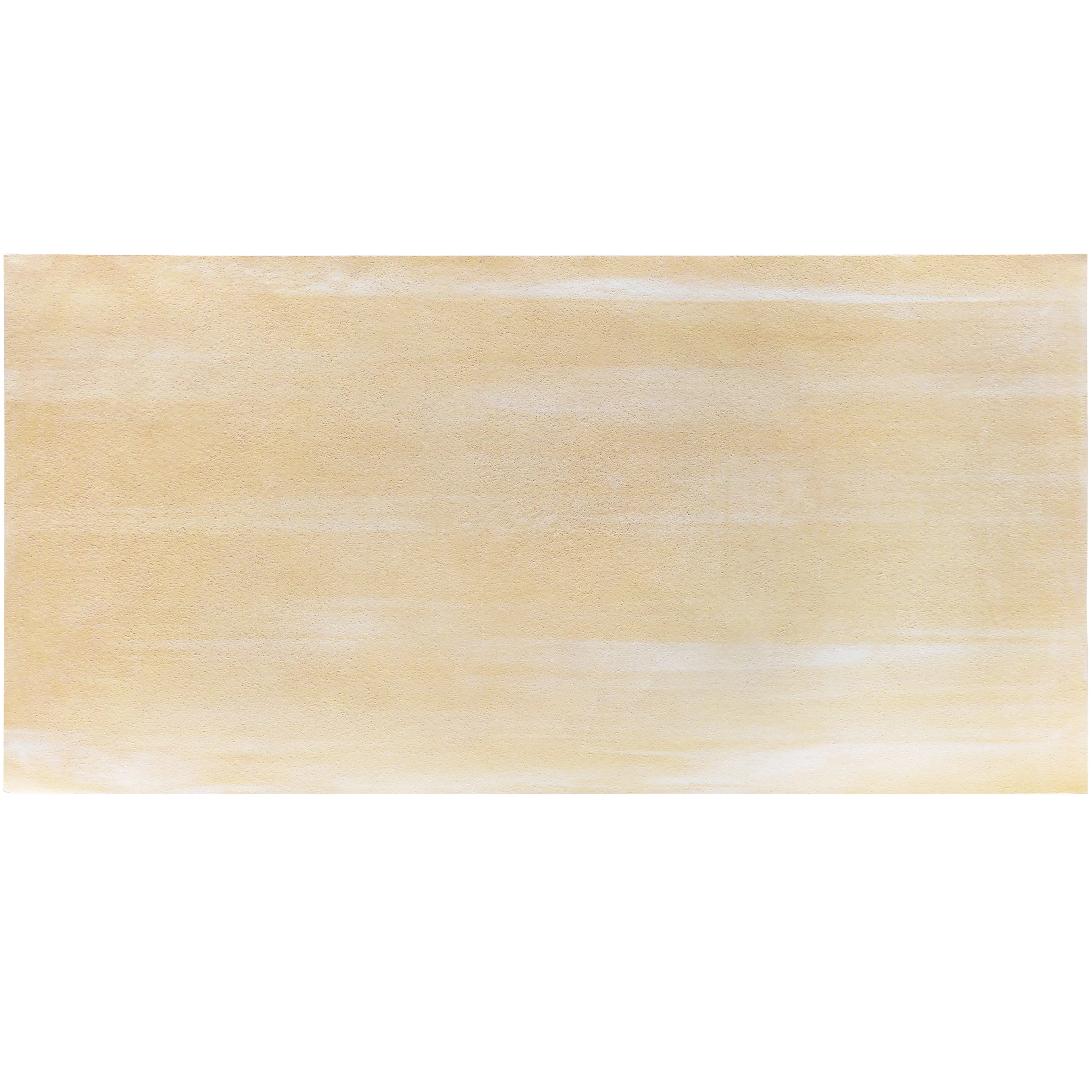
Redefining buildings, one wall at a time—where sustainability meets soul
Walk down any street, and you'll notice it—the way a building's exterior can make you pause, smile, or even feel a little more connected to your surroundings. From the cozy brick facades of neighborhood cafes to the sleek glass towers of downtown, the materials we choose for our walls do more than just keep the weather out; they shape the stories of our cities and the moods of our days. But in a world where "sustainability" and "style" are no longer competing ideals, a new star has emerged in the world of wall cladding: COLORIA Sandstone Cloude . This isn't just another building material—it's a bridge between the past and the future, between nature's beauty and human ingenuity, and it's quietly redefining what we can expect from the walls that surround us.
Let's start with the obvious: buildings are getting greener. Architects and developers aren't just chasing LEED certifications anymore—they're asking, "How can this material make the planet healthier, and how can it make people happier?" COLORIA Sandstone Cloude answers both questions with a simplicity that's hard to ignore. It's a material born from the idea that walls shouldn't just exist—they should contribute .
Let's break it down. At its core, COLORIA Sandstone Cloude is a modified composite material panel—think of it as nature and technology shaking hands. It starts with recycled sandstone particles, sourced from quarry waste that would otherwise end up in landfills. These particles are then blended with a low-impact polymer matrix, creating a material that's lightweight, flexible, and surprisingly strong. The result? A cladding option that looks and feels like natural sandstone but behaves like a modern engineering marvel.
Here's the kicker: unlike traditional sandstone, which is heavy, porous, and prone to cracking, COLORIA Sandstone Cloude weighs about 60% less per square foot. That means easier transportation (read: lower carbon emissions from trucks), simpler installation (no need for reinforced structural support), and less stress on the buildings themselves. And because it's man-made, there's zero variability—no "oops, this batch is too pink" or "that slab has a weird vein." Every panel is consistent, which architects and contractors will tell you is a dream come true.
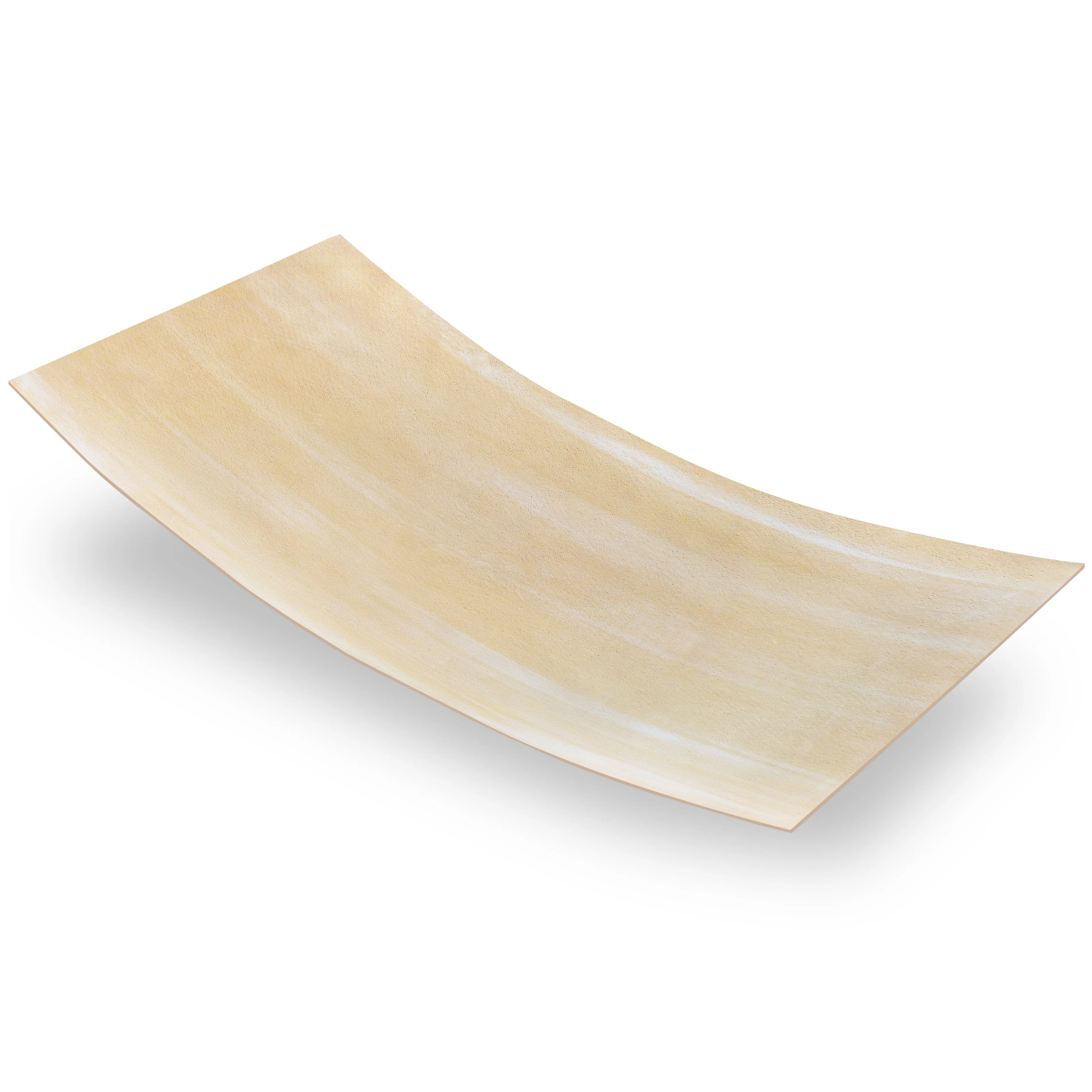
Let's talk numbers—because sustainability isn't just a buzzword; it's about tangible impact. Traditional cladding materials like fair-faced concrete or natural marble have a carbon footprint that would make an eco-conscious designer wince. Concrete production alone is responsible for about 8% of global CO2 emissions, and quarrying natural stone often involves deforestation and habitat disruption. COLORIA Sandstone Cloude? Its manufacturing process cuts carbon emissions by 45% compared to standard concrete cladding, and since it uses recycled sandstone, it diverts over 200,000 tons of waste from landfills annually (and that number is growing).
But it's not just about what goes into making it—it's about what happens after. COLORIA panels are 100% recyclable at the end of their lifespan, which can be upwards of 50 years (that's twice as long as many vinyl or fiber cement options). They're also mold-resistant, fire-retardant, and require almost no maintenance—no power washing, no sealants, no yearly touch-ups. Less upkeep means less water, less energy, and less hassle for building owners. It's sustainability that actually makes life easier, not harder.
| Material | Carbon Footprint (kg CO2/sq ft) | Lifespan (Years) | Recyclability |
|---|---|---|---|
| COLORIA Sandstone Cloude | 0.8 | 50+ | 100% |
| Fair-Faced Concrete | 2.3 | 25-30 | Limited |
| Natural Marble | 3.1 | 40-45 | None |
| Traditional Sandstone | 2.8 | 30-35 | None |
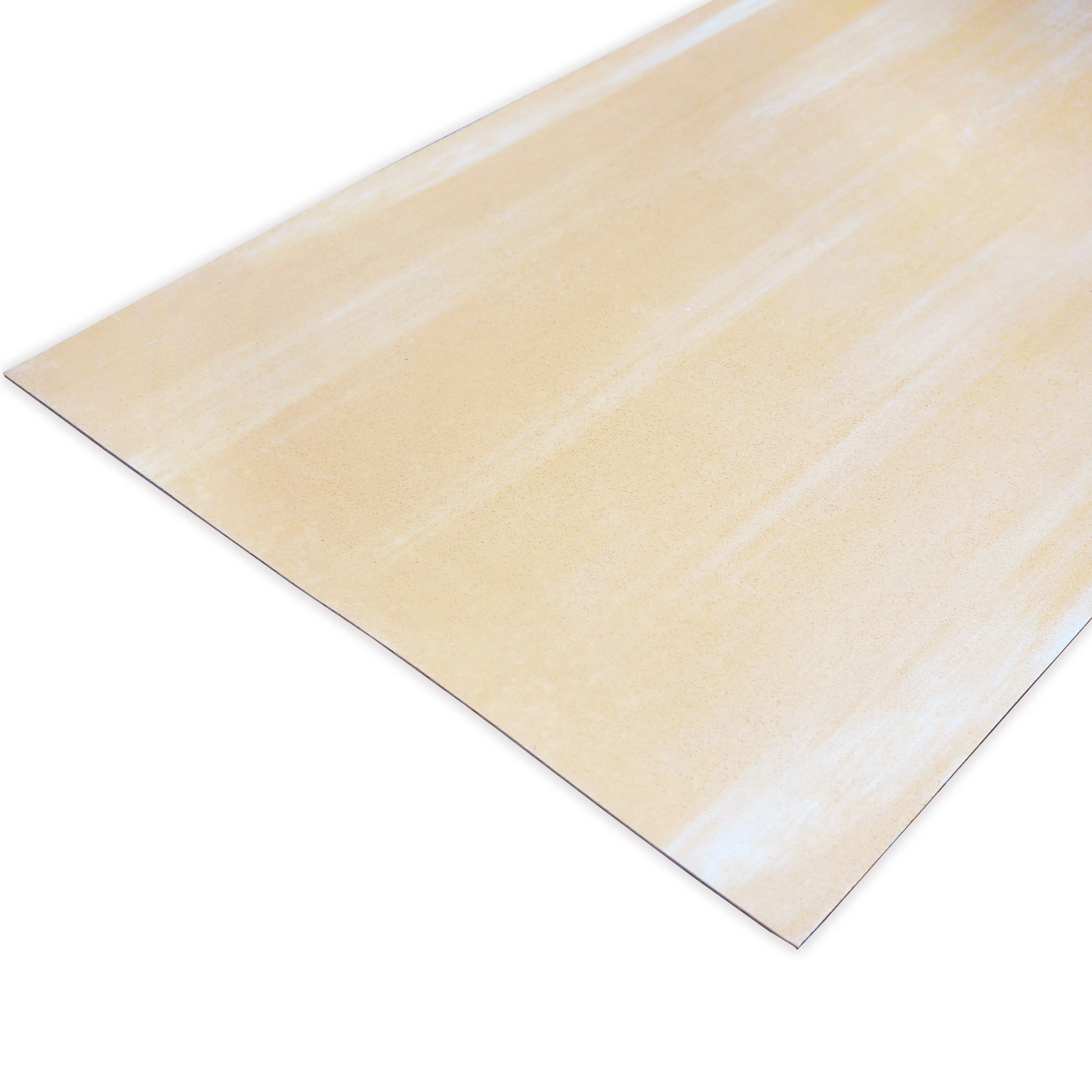
Okay, so it's green—but does it look good? Let's put it this way: if COLORIA Sandstone Cloude were a person, it would be the one at the party who's equally comfortable in jeans and a tux. Its base palette is earthy and warm—think soft beiges, muted grays, and gentle terracottas—but here's where it gets fun: it plays well with others. Designers are mixing it with materials like mcm flexible stone for textured accent walls, or pairing it with travertine (starry blue) panels to add a pop of celestial color in lobbies and atriums. Even industrial spaces are getting in on the action, combining COLORIA with foamed aluminium alloy board (vintage silver) for a look that's equal parts rugged and refined.
Take, for example, the new Riverbank Community Center in Austin, Texas. The architects wanted a space that felt rooted in the local landscape but still modern. They chose COLORIA Sandstone Cloude in a warm claybank hue for the main facade, then added vertical strips of travertine (starry blue) to mimic the nearby Colorado River's evening sky reflections. The result? A building that feels like it's been there for decades, but with a freshness that draws people in. "It's like bringing the outdoors in, without the maintenance headaches," says lead architect James Chen. "The COLORIA panels don't fade in the Texas sun, and the travertine accents? They're just as vibrant as the day we installed them."
And let's not forget texture. COLORIA Sandstone Cloude isn't smooth and sterile like some composites. It has the subtle grain of natural sandstone, the kind of texture that makes you want to reach out and touch it. Run your hand over it, and you'll feel the faint ridges and valleys—proof that even in a man-made material, nature's handiwork shines through. It's the little things, right? A wall that doesn't just look good from afar but rewards close inspection.
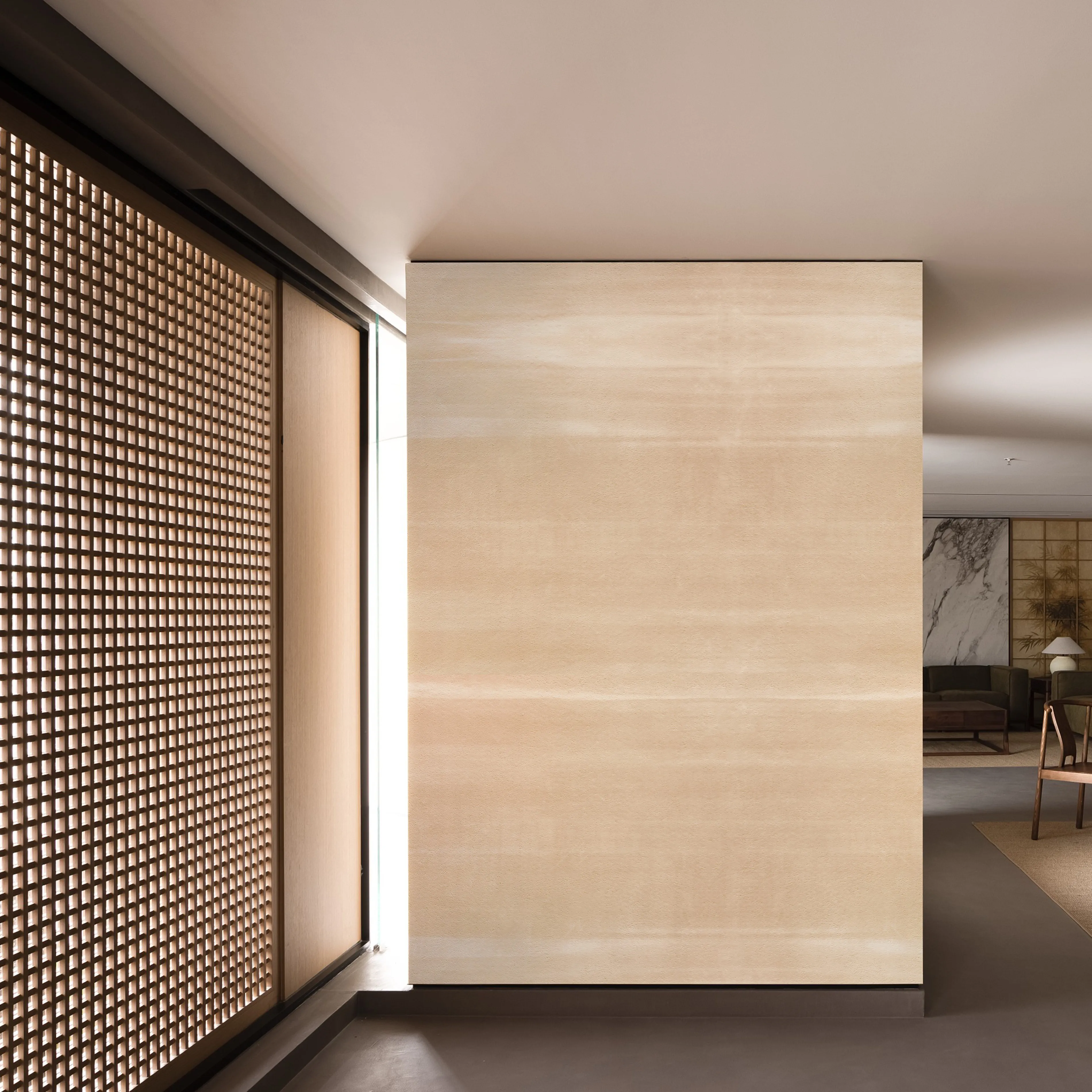
The short answer? Everywhere. COLORIA Sandstone Cloude isn't picky. It works on high-rise exteriors (thanks to its wind and weather resistance), boutique storefronts (hello, curb appeal), and even indoor spaces like restaurants and offices (it's mold-resistant, so no musty smells in humid climates). Let's dive into a few standout use cases:
Retailers know that first impressions matter. A store with a dull exterior might as well have a "closed" sign. That's why brands like eco-conscious clothing line Verdant chose COLORIA Sandstone Cloude for their new flagship in Seattle. The facade, a mix of COLORIA's light grey and mcm flexible stone in a rich chestnut, invites passersby to stop and explore. "We wanted something that felt premium but not pretentious," says store designer Lila Patel. "COLORIA checks that box. It's sophisticated, but it doesn't scream 'expensive'—it whispers it."
Homeowners are getting in on the action too. Take the Miller family in Boulder, Colorado, who renovated their 1970s ranch house with COLORIA Sandstone Cloude siding. "We wanted to update the look without losing the home's character," says homeowner Sarah Miller. "The previous siding was rotting wood, and we were tired of repainting every few years. Now, with COLORIA, we have a exterior that looks like natural stone, but we don't have to worry about termites or weather damage. Plus, our energy bills dropped—turns out, the material has better insulation than the old wood!"
Parks, libraries, and community centers need materials that can handle heavy foot traffic and the elements. The new Westside Library in Portland, Oregon, used COLORIA Sandstone Cloude for its outdoor reading patio walls. "We wanted a material that could stand up to rain, kids climbing on it, and the occasional skateboard scrape," says project manager Tom Ruiz. "COLORIA has held up beautifully. And the best part? It cost about 30% less than natural stone, so we could allocate that savings to more books and programming for the kids. Win-win."
Here's the thing about building materials: they don't exist in a vacuum. They shape how we feel, how we interact, and how we remember spaces. A cold, sterile concrete wall might keep the rain out, but it doesn't make you feel welcome. COLORIA Sandstone Cloude, on the other hand, feels human . It's warm, inviting, and versatile enough to adapt to the stories we want our buildings to tell.
As we look to the future, the demand for materials that balance planet, people, and profit will only grow. Younger architects and developers aren't willing to choose between "green" and "good-looking"—they want both, and they want it without breaking the bank. COLORIA Sandstone Cloude isn't just meeting that demand; it's setting a new standard. It's proof that sustainability doesn't have to mean sacrificing beauty, and that innovation can feel as familiar as a walk in the woods.
So the next time you're passing by a building that makes you think, "Wow, that's different," take a closer look. Maybe it's wrapped in COLORIA Sandstone Cloude—quietly doing its job, making the world a little greener, a little more beautiful, and a lot more human. And who knows? Maybe one day, the walls of your own home or office will be telling that story too.
Recommend Products












