
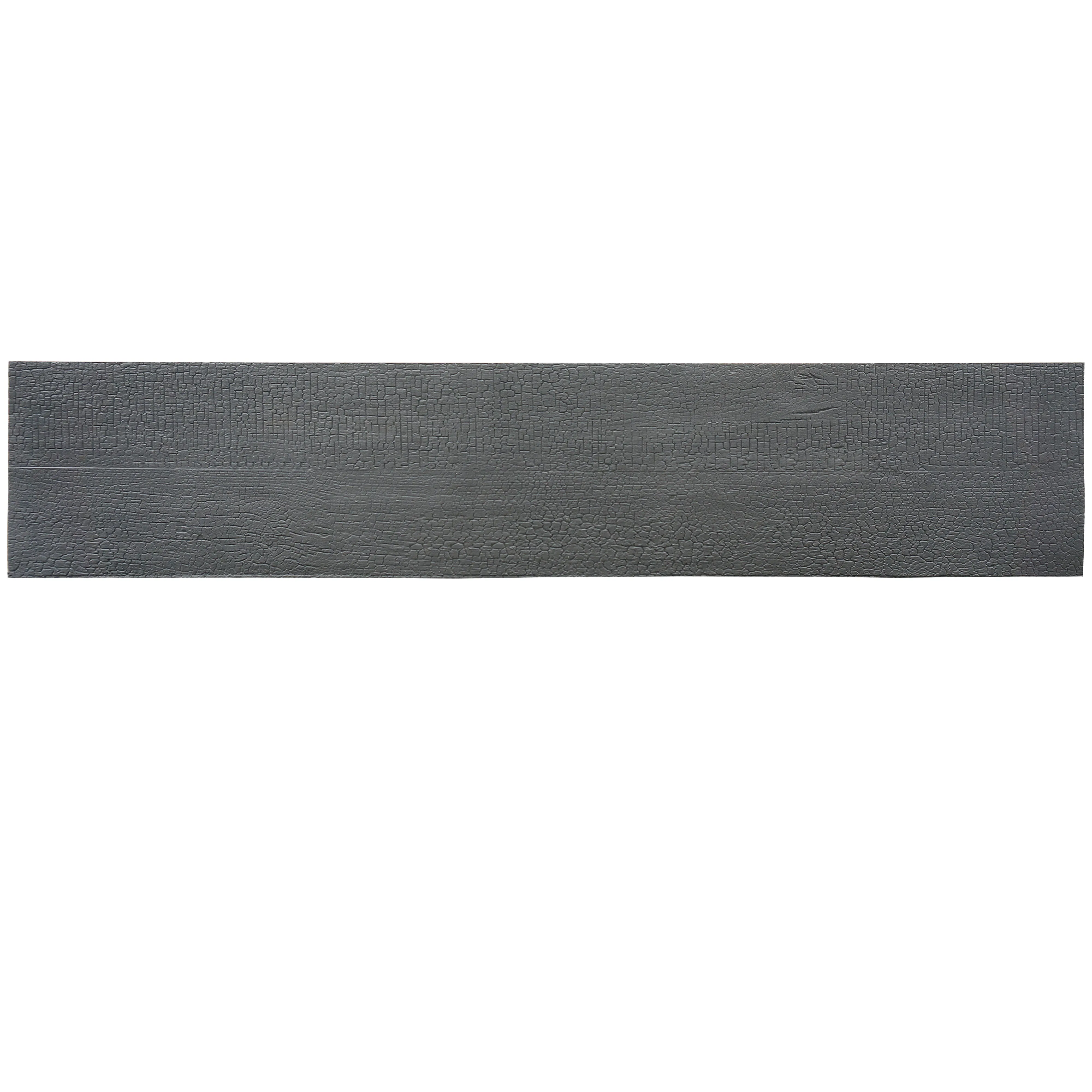
In the world of architecture and interior design, the materials we choose do more than just fill a space—they tell a story. They shape how we feel when we walk into a room, how a building stands against the elements, and how well it ages over time. That's where COLORIA Saudi Arabia comes in. More than just a supplier, we're a partner for designers, builders, and dreamers who refuse to compromise on quality or beauty. Today, we're diving into one of our most sought-after materials: the Charcoal Burnt Wood Board . But we're not stopping there—we'll also pull back the curtain on the unsung hero of material longevity: our rigorous pH testing services. Because when it comes to creating spaces that last, the smallest details (like a material's pH balance) make all the difference.
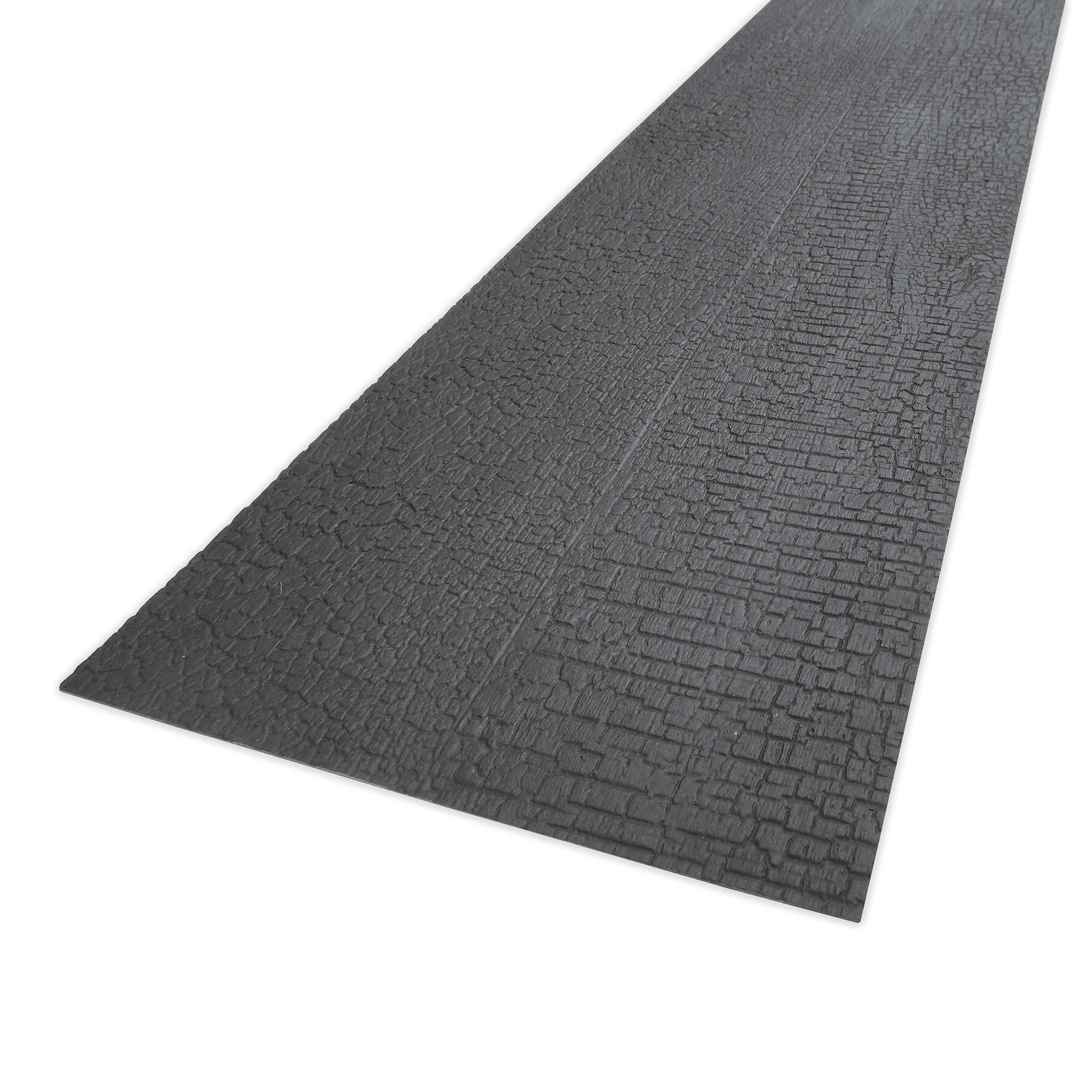
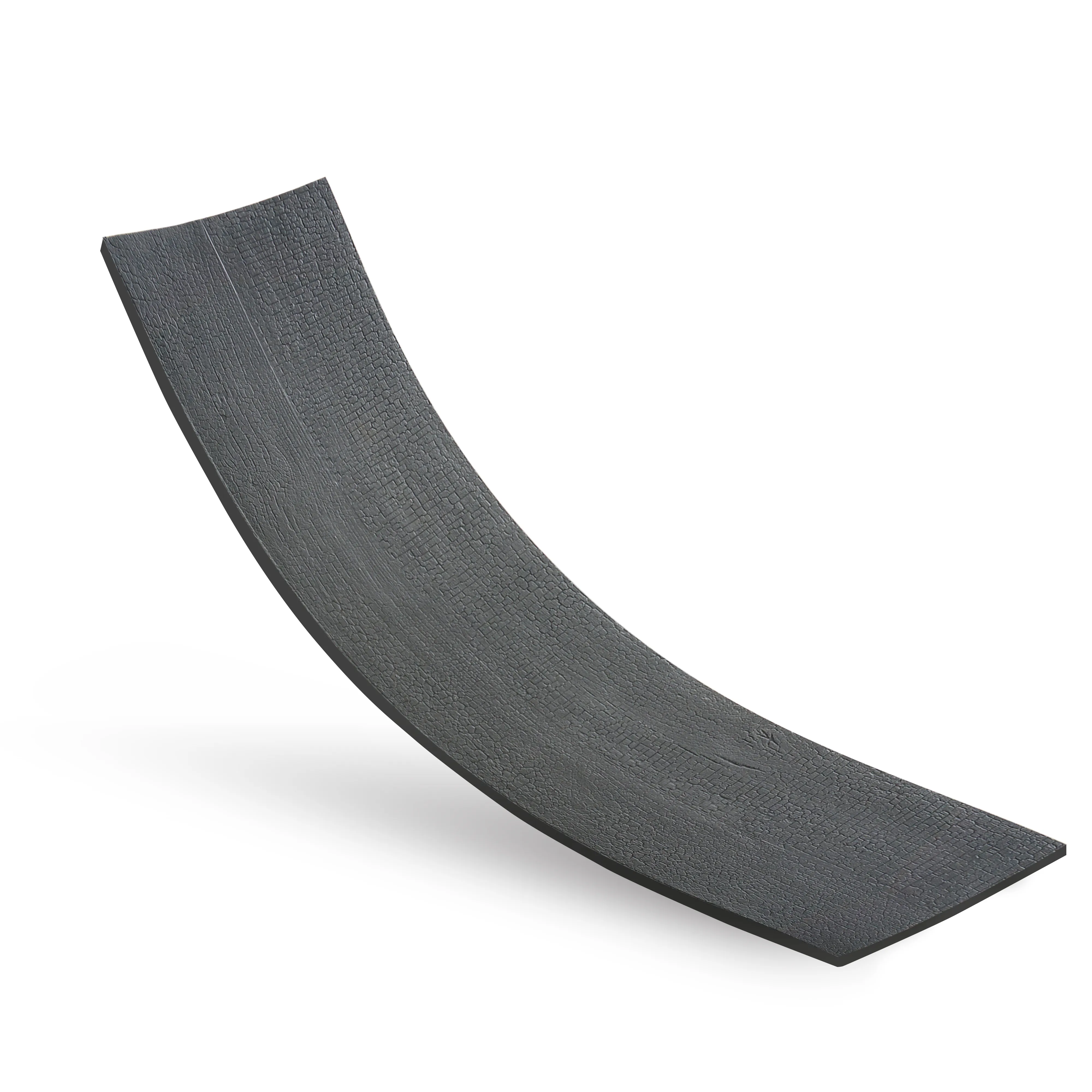
There's something almost primal about the Charcoal Burnt Wood Board . It's wood, but not as you know it. Imagine running your hand over a surface that feels both rough and smooth—charred to a deep, smoky black in some spots, with hints of warm amber peeking through in others. This isn't just wood; it's wood that's been transformed by fire, a process rooted in ancient Japanese techniques (think shou sugi ban) but reimagined for today's design needs. The result? A material that's as durable as it is stunning.
What makes our Charcoal Burnt Wood Board stand out? Let's start with the aesthetics. Each board is unique, with a texture that captures the chaos and beauty of flame—no two pieces are identical. Whether you're designing a cozy café interior, a sleek office accent wall, or an outdoor patio that blends into the desert landscape, this wood brings depth and warmth. It's versatile, too: pair it with soft neutrals for a minimalist vibe, or contrast it with bold colors for a statement piece. And because the charring process seals the wood's surface, it's naturally resistant to pests, rot, and even fire—perfect for Saudi Arabia's hot, dry climate where durability isn't just a bonus, it's a necessity.
But here's the thing: even the most beautiful material is only as good as its structural integrity. That's why, before any Charcoal Burnt Wood Board leaves our facility, it undergoes a series of tests—including pH testing. You might be wondering, "Why pH? It's wood, not a science experiment!" Ah, but that's where the magic (and the science) happens. Wood's pH level directly impacts its ability to hold paint or stains, resist moisture damage, and even interact with other materials like adhesives or sealants. A pH that's too acidic or too alkaline can cause the wood to warp, discolor, or degrade prematurely. At COLORIA, we don't just "hope" our wood is stable—we test it, measure it, and guarantee it.
Let's get down to basics: pH is a scale that measures how acidic or alkaline a substance is, ranging from 0 (highly acidic) to 14 (highly alkaline). For building materials, especially natural ones like wood, stone, or concrete, pH isn't just a number—it's a predictor of performance. Think of it like a material's "health check." A balanced pH means the material is stable, less likely to react negatively with other elements, and better equipped to stand the test of time.
Take our Charcoal Burnt Wood Board, for example. When wood is charred, the process can alter its natural pH. If the pH drifts too low (acidic), the wood might corrode metal fasteners or fade when painted. If it's too high (alkaline), it could leach minerals that stain adjacent materials or weaken adhesives. Our ideal range for Charcoal Burnt Wood Board? Between 6.0 and 8.0—slightly acidic to neutral. This sweet spot ensures the wood remains strong, bonds well with finishes, and resists decay, even in humid Saudi summers or coastal areas where salt air can accelerate wear.
But pH testing isn't unique to wood. At COLORIA, we apply the same rigor to all our materials, from MCM Flexible Stone to Fair-faced Concrete and Rammed Earth Board (Gradient) . Let's break down why each material benefits from pH testing:
So, how do we actually perform these tests? It's a mix of precision and care. Our lab team takes small samples from each batch of material, crushes them (for solids like concrete or stone) or extracts a solution (for wood), and uses calibrated pH meters to measure the level. We repeat the test three times per sample to ensure accuracy, and if a batch falls outside the optimal range, we adjust it—whether that means treating the wood with a pH-balancing sealant or adjusting the mix for concrete. No exceptions, no shortcuts.
While Charcoal Burnt Wood Board is a star in our lineup, COLORIA Saudi Arabia prides itself on offering a diverse range of materials to suit every design vision. Let's take a closer look at some of our most popular options, all backed by the same pH testing promise:
| Material Name | Key Features | Typical Applications | Optimal pH Range | Why pH Matters Here |
|---|---|---|---|---|
| Charcoal Burnt Wood Board | Charred surface, natural grain, fire-resistant | Accent walls, furniture, outdoor cladding | 6.0–8.0 | Prevents warping, ensures paint adhesion, resists rot |
| MCM Flexible Stone | Lightweight, bendable, 3D printable designs | Curved walls, facade cladding, decorative panels | 7.0–9.0 | Ensures strong bonding with substrates, prevents delamination |
| Fair-faced Concrete | Raw, industrial aesthetic, high compressive strength | Exterior facades, indoor floors, countertops | 9.0–10.0 (stabilized) | Reduces efflorescence, prevents staining, improves durability |
| Rammed Earth Board (Gradient) | Natural earth tones, gradient color blends, eco-friendly | Villa exteriors, hotel lobbies, feature walls | 7.5–8.5 | Maintains structural integrity, resists erosion in humid climates |
What unites all these materials? They're designed to be more than "good enough." They're designed to be memorable . Take MCM Flexible Stone , for instance. Its flexibility means architects can dream up curved facades or 3D-printed patterns that were once impossible with traditional stone. And because we test its pH, clients in Riyadh or Dammam can trust that those bold designs won't start peeling after the first sandstorm.
Or consider Fair-faced Concrete . In a region where sleek, modern design is everywhere, this material stands out for its honesty—it doesn't hide behind layers of paint or polish. But that raw beauty comes with a catch: any imperfection, like efflorescence, is on full display. Our pH testing ensures that the concrete's alkalinity is controlled, so those white stains stay where they belong—nowhere near your project.
At the end of the day, materials are just tools. What matters is how they're used—and how well they hold up to the stories we want to tell with them. Whether you're building a boutique hotel in Al Ula, a family home in Jeddah, or a corporate headquarters in Riyadh, the right materials can turn a "building" into a legacy.
That's why COLORIA Saudi Arabia doesn't just sell materials—we partner with you from concept to completion. Our pH testing services are just one part of that commitment. We also offer custom material samples, on-site consultations, and even collaborative design workshops to help you pick the perfect texture, color, and finish for your space. Because we know that behind every project is a vision, and behind every vision is a team that deserves materials they can trust.
So, what's next? Maybe you're drawn to the rustic charm of Charcoal Burnt Wood Board, or the modern edge of MCM Flexible Stone. Maybe you're curious about how pH testing could save your project from costly repairs down the line. Whatever it is, we're here to help. drop by our Riyadh showroom, browse our digital catalog, or give us a call—we'd love to hear your story, and help you build something that lasts.
After all, in the world of design, the best materials aren't just seen—they're felt. And at COLORIA Saudi Arabia, we make sure every material feels like a promise kept.
Recommend Products












