
Think about the last time you walked into a bustling shopping mall or a sleek corporate office. Chances are, the first thing that registered wasn't just the layout or the lighting—it was the materials surrounding you. The cool touch of stone underfoot, the way light plays off a textured wall, the subtle warmth of natural patterns—these details don't just fill space; they shape how we feel, work, and connect. In today's world of commercial design, where experiences matter as much as function, choosing the right materials has become an art form. And among the stars of this art form, one material stands out for its ability to blend durability, beauty, and versatility: Rock Cut Dolomitic Stone. From the towering lobbies of corporate headquarters to the vibrant corridors of shopping centers, this stone is redefining what commercial spaces can be. Let's dive into why it's become a go-to choice for architects and designers, and how it's transforming offices and malls into more than just buildings—into destinations.
Before we get into where it shines, let's talk about what makes Rock Cut Dolomitic Stone unique. At its core, it's a type of dolomitic travertine—a naturally occurring stone formed over centuries by mineral-rich water deposits. But what sets "rock cut" varieties apart is the way they're quarried and finished. Instead of being polished to a high sheen or smoothed into uniformity, these stones are cut to preserve the raw, organic texture of the rock itself. Imagine running your hand over a surface that feels like it was plucked straight from a mountain cliff—rough yet refined, with grooves and ridges that tell a story of time and nature. That's the magic of Rock Cut Dolomitic Stone.
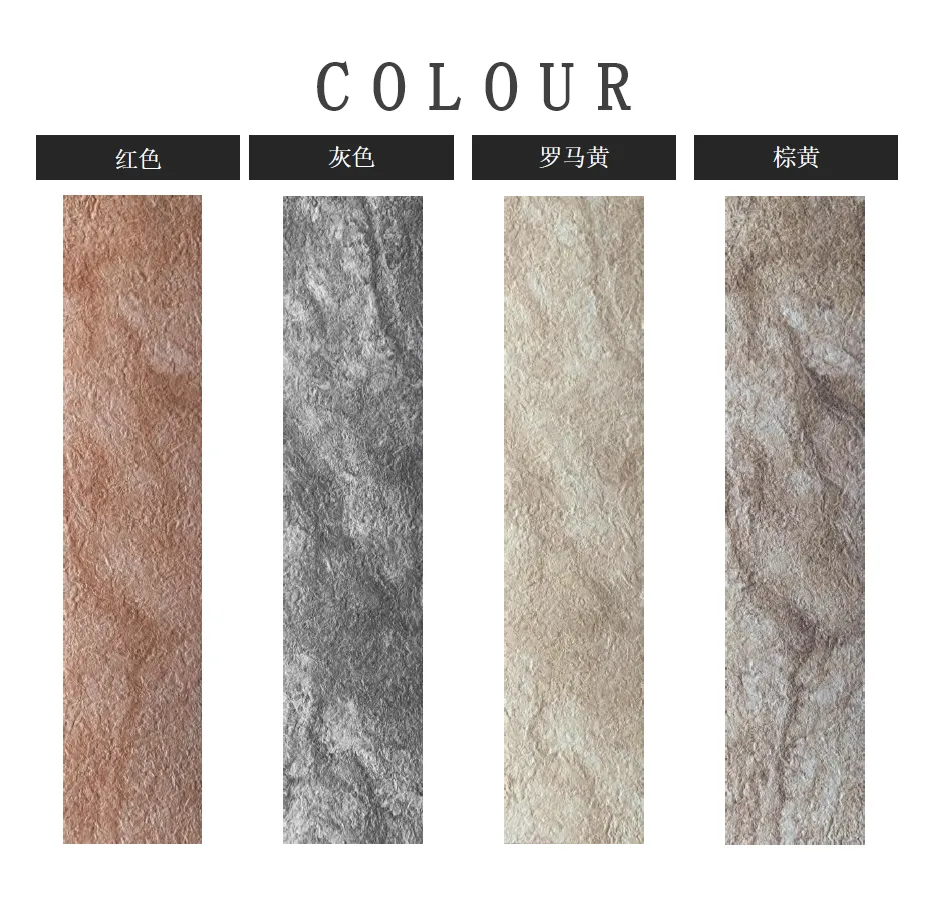
And it's not a one-size-fits-all material. Two of its most popular variations—Dolomitic Travertine (Dark Grey) and Dolomitic Travertine (Claybank)—showcase just how versatile it can be. Dark Grey is a study in understated elegance: deep, moody hues with subtle veining that ranges from charcoal to soft silver, like storm clouds gently rolling over a mountain range. Claybank, on the other hand, is warmth personified—a rich, earthy tone that evokes sun-baked soil or weathered terracotta, with hints of amber and sand that add depth. Both share that signature rock-cut texture, but their color palettes make them perfect for different moods and spaces. Whether you're going for sleek modernity or rustic charm, there's a Rock Cut Dolomitic Stone to match.
Let's be real: commercial spaces take a beating. Offices see thousands of footsteps daily; malls deal with spills, scuffs, and the chaos of busy weekends. Any material used here needs to be tough—but toughness alone isn't enough. It also needs to look good, day in and day out, and adapt to the unique demands of each space. Rock Cut Dolomitic Stone checks all these boxes, and then some.
First, durability. This stone is built to last. Its dense composition and natural resistance to scratches, stains, and wear mean it can handle the high foot traffic of a mall food court or the constant hustle of an office lobby without losing its luster. Unlike softer stones that might chip or fade over time, Rock Cut Dolomitic Stone ages gracefully—those subtle imperfections and texture variations only grow more characterful with use.
Then there's aesthetics. In a world where generic, cookie-cutter designs dominate, natural materials like Rock Cut Dolomitic Stone bring a sense of authenticity that's hard to replicate. No two slabs are exactly alike; each has its own pattern of veining, pits, and color shifts, creating a space that feels unique and alive. And when paired with modern design trends—think minimalism, biophilia, or industrial chic—it adds a layer of depth that synthetic materials just can't match. Whether you're aiming for a cozy, earthy vibe or a bold, contemporary statement, this stone plays along beautifully.
But perhaps its biggest superpower is versatility—and that's where innovations like MCM flexible stone and the MCM big slab board series come into play. Traditional stone slabs are heavy and rigid, limiting where they can be used. MCM (Modified Composite Material) technology changes that. MCM flexible stone takes the natural look and feel of Rock Cut Dolomitic Stone and layers it onto a lightweight, bendable backing, allowing it to wrap around curves, cover irregular surfaces, or even be used for custom installations like feature walls or retail displays. Meanwhile, the MCM big slab board series offers large-format panels (often up to 120x240cm) that minimize grout lines, creating seamless, expansive surfaces that make spaces feel larger and more cohesive. Suddenly, that stunning stone texture isn't confined to floors or countertops—it can climb walls, frame entrances, or even become part of furniture.
Offices are no longer just places to sit at a desk. They're hubs of creativity, collaboration, and company culture. And Rock Cut Dolomitic Stone is playing a key role in making these spaces feel less like sterile workstations and more like inspiring environments. Let's break down how it's being used, room by room.
The lobby is a company's handshake—it's the first thing clients, employees, and visitors see, and it sets the tone for everything that follows. Here, Rock Cut Dolomitic Stone shines as a statement material. Imagine walking into a lobby where the floor is clad in Dolomitic Travertine (Dark Grey), its deep tones offset by warm overhead lighting that highlights every groove and ridge. The walls, covered in large-format panels from the MCM big slab board series, rise seamlessly to the ceiling, creating a sense of grandeur without feeling cold. A reception desk, wrapped in MCM flexible stone to curve gently around the corner, adds a soft touch to the otherwise bold space. This isn't just a lobby—it's a declaration of the company's values: strength, attention to detail, and a respect for natural beauty.
For companies aiming for a more approachable vibe, Dolomitic Travertine (Claybank) is a game-changer. Its warm, earthy hue—think soft terracotta with hints of sand and cream—feels inviting and grounded. Paired with wooden accents and potted plants, it turns a lobby into a welcoming retreat, where employees can pause for a moment of calm before diving into their day. And because the stone is so durable, even with hundreds of people walking through daily, it stays looking fresh year after year—no need to worry about scuffs or stains detracting from that polished first impression.
Elevators are often an afterthought in office design, but they're tiny capsules of time where people are captive audiences. Why not make that time feel luxurious? Rock Cut Dolomitic Stone transforms these small spaces into moments of calm. Imagine stepping into an elevator where the walls are lined with thin, lightweight panels of Rock Cut Dolomitic Stone (thanks to MCM technology). The texture is subtle enough not to overwhelm the tight space, but interesting enough to draw the eye away from the awkward silence. For a corporate office with a modern edge, Dolomitic Travertine (Dark Grey) adds a sleek, sophisticated touch; for a creative agency, Claybank brings warmth and personality. Either way, it's a small detail that makes a big difference in how people perceive the space.
Conference rooms are where decisions are made, partnerships are formed, and big ideas are born. The right environment can fuel creativity—and Rock Cut Dolomitic Stone helps set that stage. Picture a conference room with a long table surrounded by chairs, and one wall entirely covered in Dolomitic Travertine (Claybank). The stone's warm, organic texture softens the room, making it feel less formal and more collaborative. Natural light streams in through floor-to-ceiling windows, casting shadows that dance across the stone's ridges, creating a dynamic backdrop for brainstorming sessions. Even the flooring, a mix of Claybank stone and polished concrete, balances texture with functionality—employees can move freely, and spills from coffee cups are easy to wipe away. It's a space that feels both professional and human, where people aren't just sitting in a meeting—they're connecting.
Malls are all about energy—they're places to shop, eat, socialize, and escape the ordinary. And Rock Cut Dolomitic Stone is helping designers create spaces that are as visually engaging as the stores and restaurants within them. From facades that stand out on city streets to interiors that guide foot traffic and boost mood, this stone is a mall designer's secret weapon.
In a world of glass and steel skyscrapers, a mall's facade needs to grab attention. Rock Cut Dolomitic Stone, with its rugged texture and natural color variations, does just that. Imagine a mall exterior clad in a mix of Dolomitic Travertine (Dark Grey) and Claybank panels from the MCM big slab board series. The large, seamless slabs create a bold, modern look, while the stone's texture adds depth that changes with the light—warm and golden at sunrise, moody and dramatic at dusk. Because MCM flexible stone is lightweight, it's easier to install on high-rise facades than traditional stone, reducing construction time and costs. And unlike painted surfaces that fade or metal panels that dent, this stone weathers gracefully, ensuring the mall looks just as striking in 10 years as it does on opening day.
Food courts are the heart of any mall—loud, lively, and prone to spills. Here, durability is non-negotiable, but that doesn't mean style has to take a backseat. Rock Cut Dolomitic Stone is the perfect compromise. Imagine a food court where the floors are covered in Dolomitic Travertine (Dark Grey). Its dark color hides accidental spills (hello, ketchup drips and soda splashes), while its textured surface provides traction, even when wet. The counters, made from thick slabs of Rock Cut Dolomitic Stone, are heat-resistant (no worrying about hot pans) and easy to clean—just a quick wipe with a damp cloth, and they're good as new. Even the walls, accented with vertical strips of Claybank stone, add warmth to the bustling space, making it feel less like a generic food hall and more like a trendy outdoor market. It's a material that keeps up with the chaos without sacrificing aesthetics.
For retailers, storefronts are their billboards—they need to attract customers and hint at what's inside. Rock Cut Dolomitic Stone, paired with MCM flexible stone, allows for endless customization. Imagine a high-end boutique with a facade wrapped in curved panels of Claybank stone, its warm texture inviting passersby to step inside. A casual clothing store might opt for a mix of Dark Grey stone and wood accents, creating a laid-back, industrial vibe. Even signage can be integrated into the stone—think logos carved into the texture or metal letters mounted against the rock-cut surface. The beauty is that each storefront can have its own personality, while still fitting harmoniously with the mall's overall design. It's a material that lets brands tell their story before customers even walk through the door.
Of course, Rock Cut Dolomitic Stone isn't the only player in the commercial material game. Let's see how it compares to other common options, so you can understand why designers keep coming back to it.
| Material | Durability | Aesthetics | Cost (Relative) | Maintenance |
|---|---|---|---|---|
| Rock Cut Dolomitic Stone | High (resistant to scratches, stains, and wear) | Natural, textured, and unique—warm or bold, depending on color | Moderate (more than concrete, less than marble) | Low (occasional sealing, easy to clean with mild soap) |
| Marble | Medium (prone to scratching and staining without frequent sealing) | Elegant, with bold veining—luxurious but can feel cold | High (expensive to source and install) | High (requires regular sealing and careful cleaning) |
| Polished Concrete | High (durable but can crack under heavy impact) | Minimalist, industrial—limited texture options | Low (affordable but lacks natural warmth) | Moderate (needs periodic resealing to prevent staining) |
| Wood | Low (easily scratched, warped by moisture) | Warm, organic—classic but less durable in high-traffic areas | Moderate (varies by species; requires regular refinishing) | High (needs staining, sealing, and repairs over time) |
In today's world, sustainability isn't just a buzzword—it's a priority. And Rock Cut Dolomitic Stone checks this box, too. First, it's a natural material, quarried from the earth with minimal processing compared to synthetic options like vinyl or laminate. But what really sets it apart is its longevity. Unlike materials that need to be replaced every 5-10 years, Rock Cut Dolomitic Stone can last decades, reducing the need for frequent renovations and the waste that comes with them.
Then there's the MCM factor. MCM flexible stone and big slab boards are lightweight, which means less fuel is used during transportation compared to traditional heavy stone slabs. The manufacturing process also produces less waste, as the thin stone layers are bonded to recycled composite backings. Plus, many suppliers prioritize responsible quarrying practices, ensuring that stone is extracted in a way that minimizes environmental impact and supports local communities. For companies and mall developers looking to reduce their carbon footprint without sacrificing style, this stone is a win-win.
One of the best things about Rock Cut Dolomitic Stone is that it doesn't demand constant attention. With a little basic care, it'll stay looking great for years. Here's what you need to know:
At the end of the day, Rock Cut Dolomitic Stone is more than just a building material. It's a storyteller. It brings the outdoors in, connects us to the earth's natural beauty, and adds a layer of authenticity to spaces that might otherwise feel generic. Whether it's the grand lobby of an office building, the busy food court of a mall, or the storefront of a beloved brand, this stone doesn't just fill space—it enriches it.
With its durability, versatility (thanks to MCM flexible stone and big slab boards), and timeless appeal, it's no wonder designers and architects are turning to it again and again. And as commercial spaces continue to evolve into more human-centered environments, Rock Cut Dolomitic Stone will undoubtedly remain at the forefront—proving that sometimes, the oldest materials have the freshest stories to tell.
So the next time you step into a stunning office or a vibrant mall, take a moment to feel the floor under your feet, or run your hand along a textured wall. Chances are, you're touching Rock Cut Dolomitic Stone—and experiencing the magic of a material that's as strong as it is beautiful.
Recommend Products












