
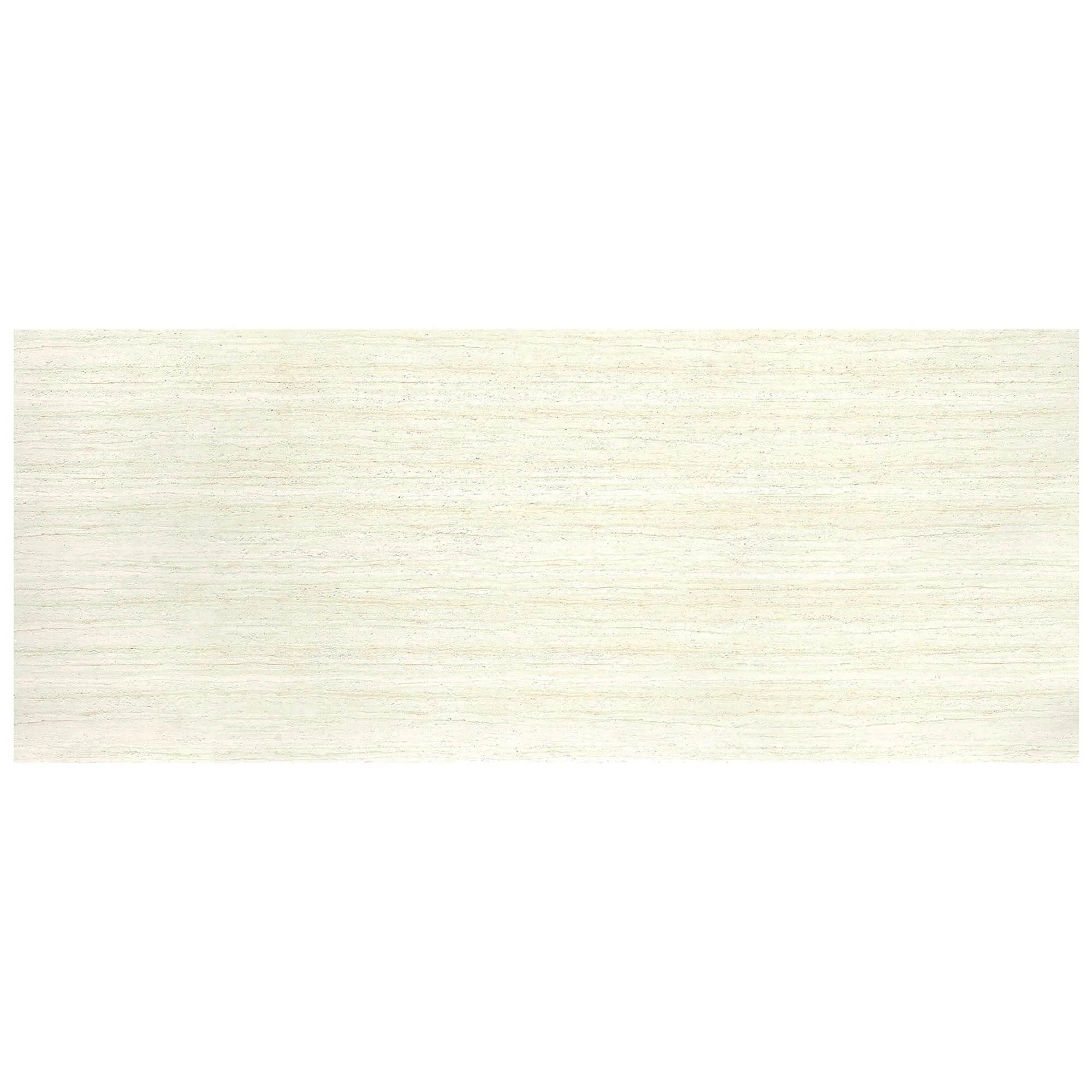
Walk down any city street, and you'll notice them—the silent storytellers of urban landscapes: commercial building exteriors. They don't just shield us from the elements; they shape our first impressions, reflect brand identities, and even whisper tales of innovation. In recent years, a new star has risen in this architectural narrative: thread patterns. Not the kind stitched into fabric, but the kind etched, layered, and woven into the very skin of buildings. And leading this design revolution? MCM engineering boards. Lightweight, durable, and infinitely customizable, these materials are turning flat facades into dynamic, textured canvases. Let's dive into how thread patterns, paired with MCM (Modified Composite Material) boards, are redefining what commercial exteriors can be.
Before we talk materials, let's unpack the "why" behind thread patterns. In architecture, a "thread" is any repeated, linear element that creates rhythm, movement, or depth across a surface. Think of it as the building's pulse—subtle enough to feel cohesive, bold enough to catch the eye. Thread patterns can mimic the flow of a river, the grain of wood, the weave of a textile, or even the geometric precision of a circuit board. They add tactility to otherwise smooth surfaces, making buildings feel less like monolithic blocks and more like living, breathing entities.
For commercial spaces, this matters. A retail store with a facade that looks "woven" might evoke warmth and approachability, drawing shoppers in. A tech headquarters with sharp, intersecting thread lines could signal innovation and cutting-edge thinking. Even a hotel with soft, undulating threads might whisper luxury and relaxation. Thread patterns aren't just decorative—they're strategic. They turn buildings into brand ambassadors, communicating values without a single word.
But here's the catch: traditional building materials—think heavy stone, rigid concrete, or fragile tile—often struggle to pull off these designs. Stone is hard to carve into intricate threads; concrete can crack under the weight of layered patterns; tile limits scale, creating choppy, disjointed looks. Enter MCM engineering boards: the solution architects and designers have been waiting for.
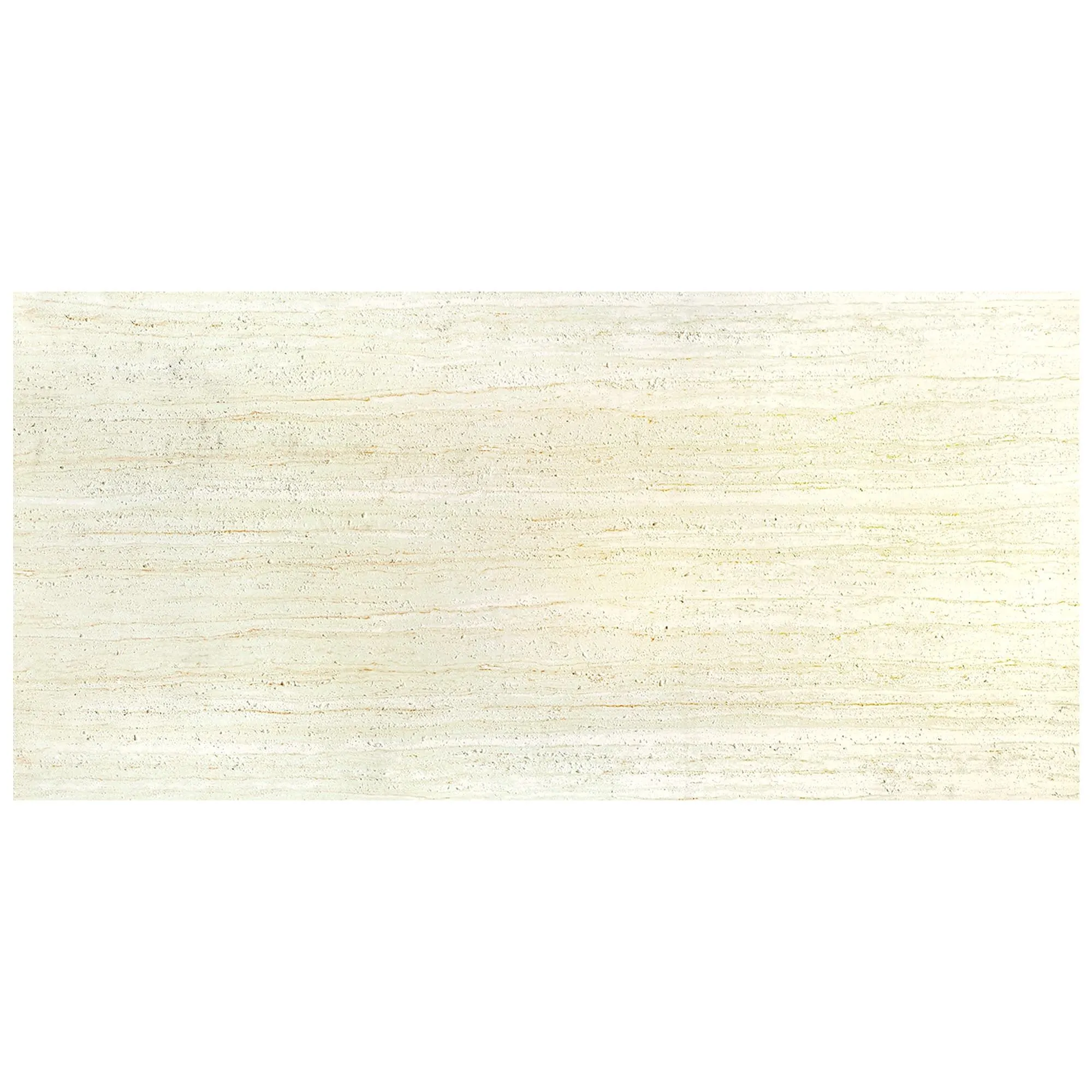
MCM boards are a feat of modern material science. At their core, they're made from modified composite materials—think a blend of natural minerals, polymers, and fibers—compressed into thin, flexible sheets. The result? A material that's 70% lighter than traditional stone, 100% weather-resistant, and surprisingly strong. But what really sets MCM apart is its design flexibility. Unlike rigid materials, MCM can be molded, embossed, printed, or etched with precision—making it perfect for thread patterns that demand detail and consistency.
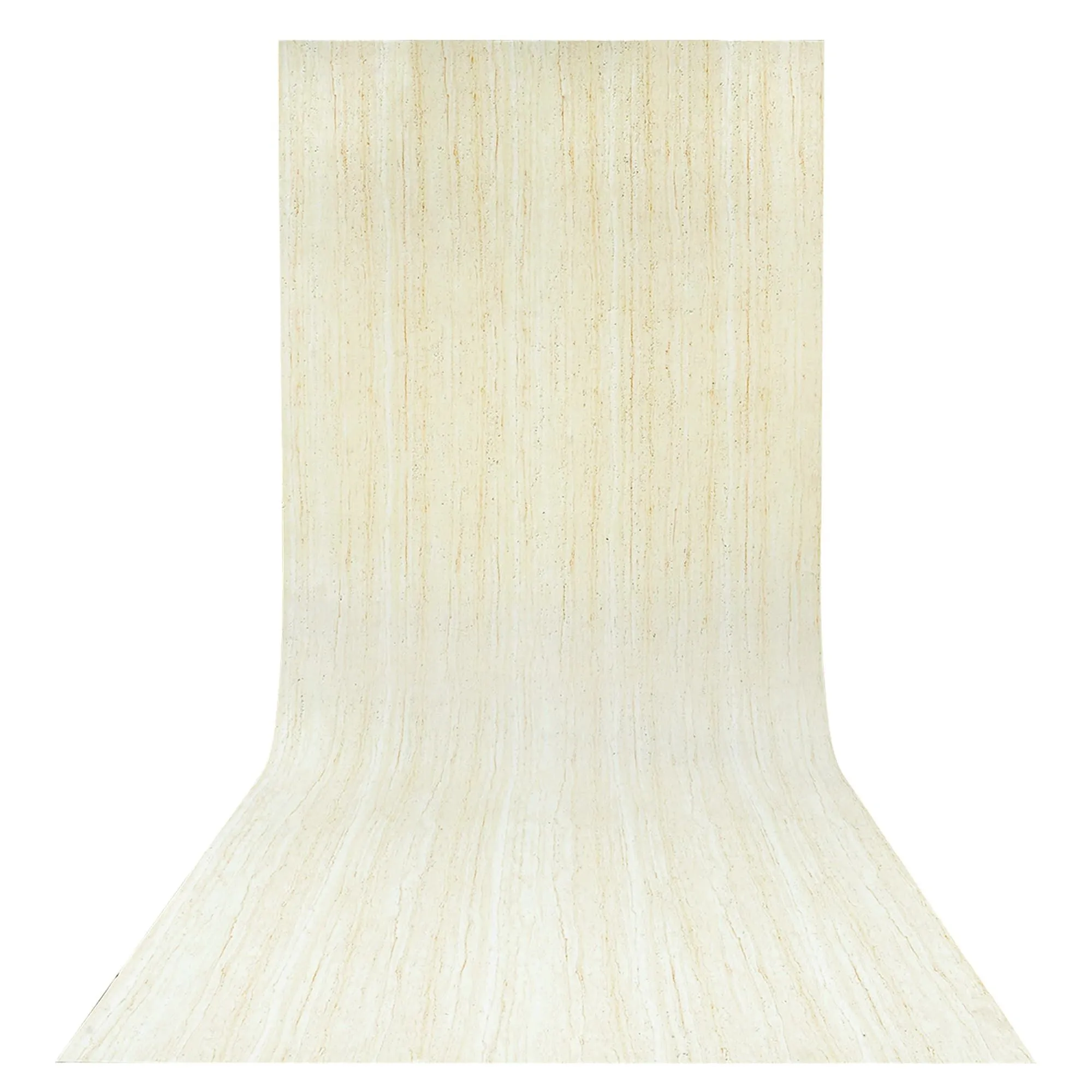
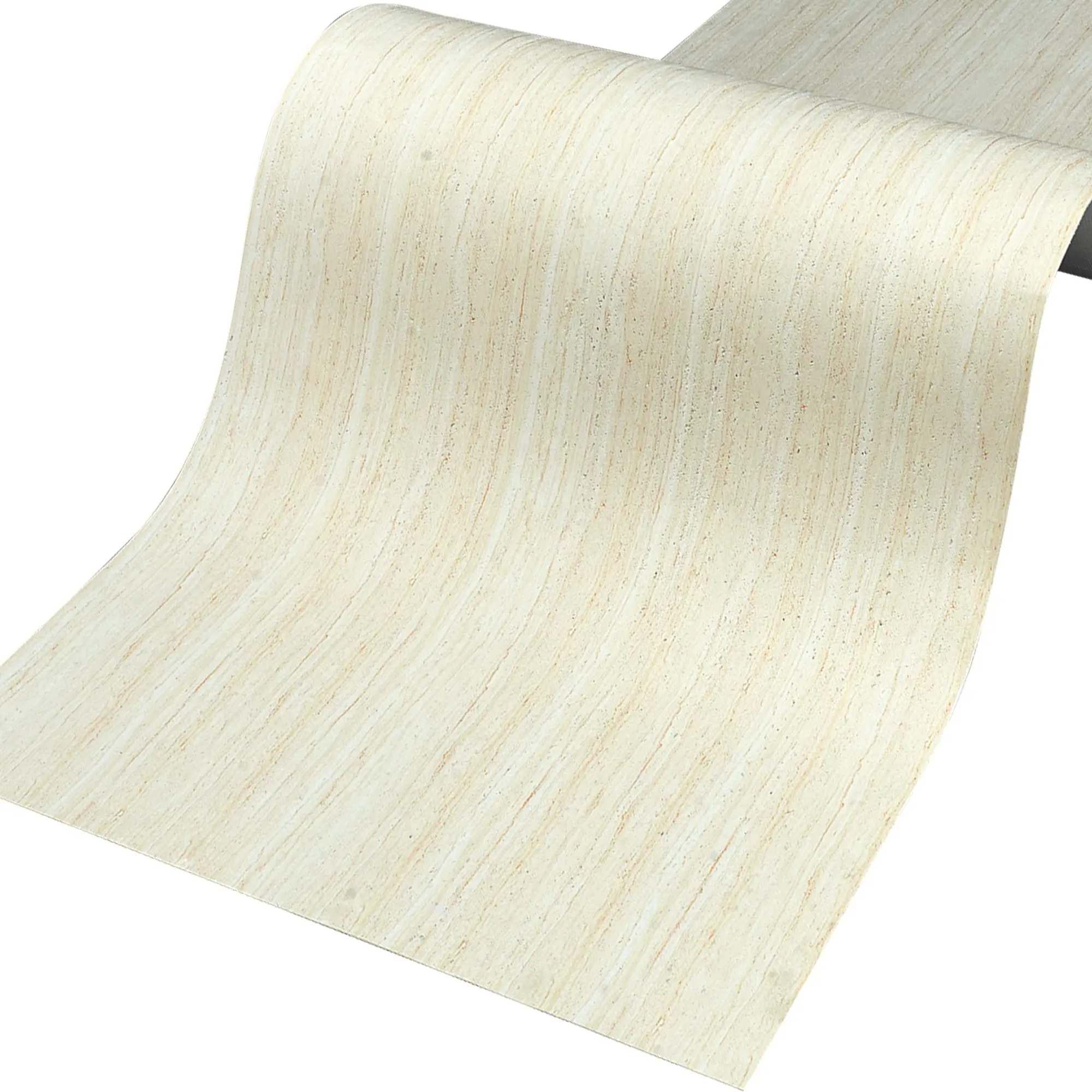
Take MCM flexible stone , for example. Despite its name, it's not actual stone but a composite that mimics the look and texture of natural stone—travertine, marble, slate—without the weight or brittleness. This flexibility means it can be curved, bent, or layered to create thread patterns that flow seamlessly around corners, over arches, or across vast facades. Imagine a boutique hotel exterior wrapped in "starry blue" travertine-inspired MCM panels, with thread-like grooves that catch the light at dawn, making the building glow like a night sky. That's the magic of MCM flexible stone.
Then there's the MCM big slab board series —a game-changer for large-scale projects. Traditional stone slabs max out at around 3 feet in width; MCM big slabs can span up to 6 feet or more. This means fewer seams, cleaner lines, and thread patterns that stretch across entire building faces without interruption. For a corporate campus or a shopping mall, this translates to a facade that feels unified, intentional, and visually striking. No more patchwork patterns—just a single, sweeping thread design that tells a cohesive story.
Why MCM Beats Traditional Materials for Thread Patterns
- Lightweight: MCM boards weigh 12-15 kg/m², compared to natural stone's 50-80 kg/m². This reduces structural stress and cuts installation time by up to 40%.
- Durable: Resistant to UV rays, rain, snow, and even saltwater—ideal for busy urban or coastal commercial buildings.
- Customizable: From wood grain to metallic finishes, and yes, intricate thread patterns—MCM can mimic almost any texture or design.
- Sustainable: Many MCM boards are made from recycled materials and require less energy to produce than traditional stone or concrete.
| Material | Weight (kg/m²) | Design Flexibility for Thread Patterns | Installation Time | Maintenance Needs |
|---|---|---|---|---|
| Natural Stone (e.g., Travertine) | 50-80 | Low (hard to carve intricate threads; limited slab size) | Long (requires heavy machinery and skilled labor) | High (sealing every 2-3 years; prone to staining) |
| Concrete Panels | 40-50 | Medium (can be stamped, but patterns lack depth; heavy seams) | Medium (requires formwork; slow curing time) | Medium (cracks over time; needs patching) |
| MCM Flexible Stone | 12-15 | High (easily embossed, curved, or layered for 3D thread effects) | Short (lightweight; can be installed with basic tools) | Low (washable with water; no sealing needed) |
| MCM Big Slab Board Series | 14-18 | Very High (large, seamless slabs for uninterrupted thread patterns) | Very Short (fewer panels mean faster installation) | Low (same durability as flexible stone, with added resistance to warping) |
Enough theory—let's look at how this plays out in real buildings. Take the wave panel , a popular MCM design that features gentle, undulating lines. When used with thread patterns, it becomes something extraordinary. Imagine a modern office building in downtown Chicago: its facade is clad in MCM big slabs with wave-inspired threads—light gray panels with darker gray "stitches" that flow vertically, mimicking the movement of Lake Michigan just blocks away. The threads aren't just printed; they're slightly raised, creating shadow and depth that shifts with the sun. In the morning, the facade looks soft and inviting; by afternoon, the shadows sharpen, making the building feel dynamic and alive. It's not just an office—it's a reflection of the city's energy.
Then there's the retail sector, where brand identity is everything. A high-end clothing store in Milan wanted a facade that felt "crafted," like the garments inside. The solution? wood grain board MCM panels with thread patterns that mimic hand-woven fabric. The panels are a warm, honey-toned wood grain, with thin, intersecting threads in a darker walnut shade. From a distance, the facade looks like a giant textile stretched across the building—inviting shoppers to step inside and explore the "craftsmanship" within. And because MCM is lightweight, the store didn't need expensive structural reinforcements, keeping the project on budget.
For cultural spaces, thread patterns can honor heritage. A new museum in Kyoto, Japan, blends traditional and modern design by using MCM flexible stone with thread patterns inspired by kumihimo , the ancient Japanese art of braiding. The panels are a soft beige (reminiscent of local limestone) with thin, gold threads that weave in and out, creating a pattern that's both timeless and contemporary. At night, LED lights behind the MCM panels make the threads glow, turning the museum into a beacon that celebrates Japan's artistic past while embracing future-forward materials.
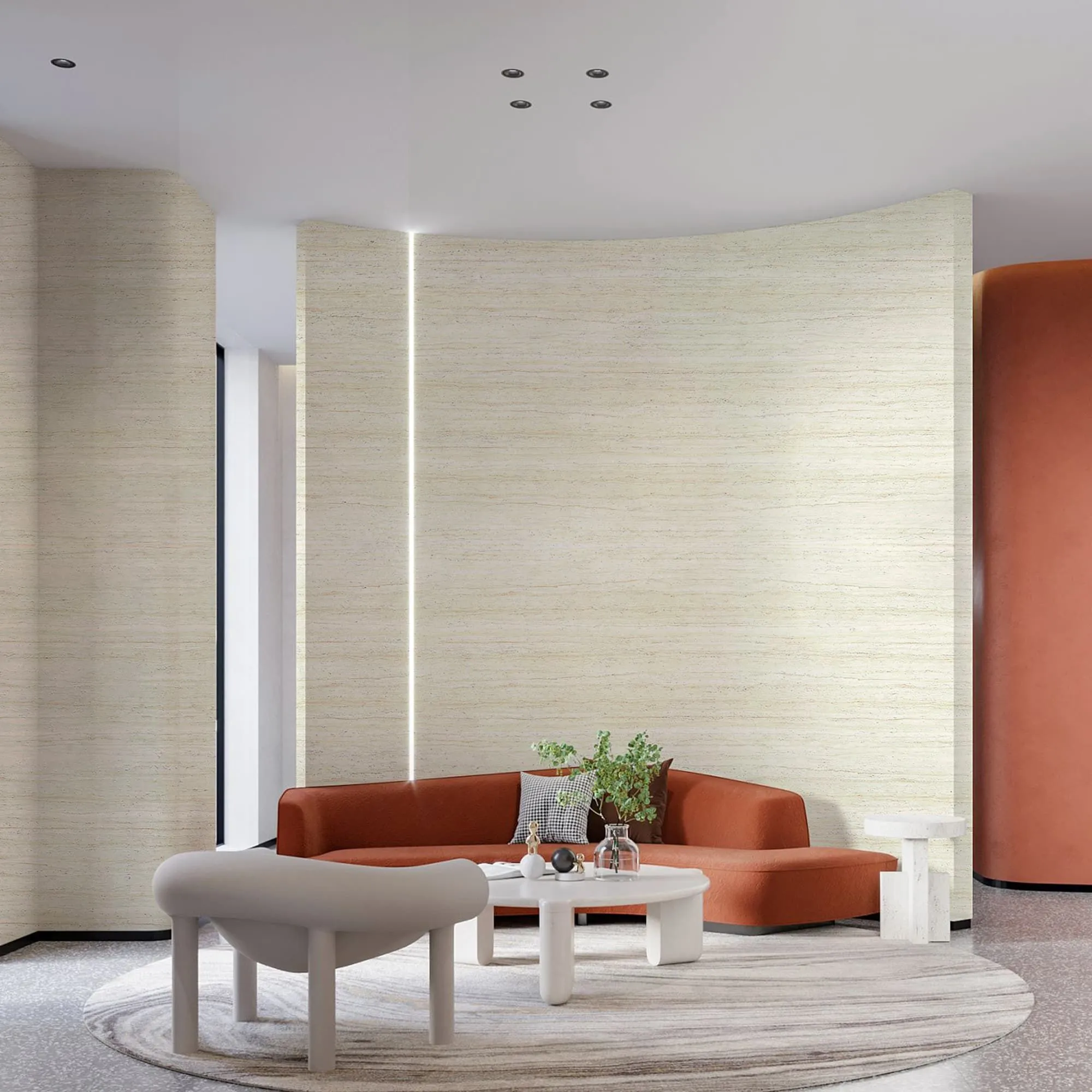
You might be wondering: How do manufacturers create such precise thread patterns on MCM boards? It starts with digital design. Architects or designers upload their thread pattern files (think CAD drawings or 3D models) to MCM production facilities. Using advanced machinery—like CNC routers, embossing rollers, or even 3D printers (yes, MCM 3D printing series is a thing)—the patterns are etched, raised, or layered onto the MCM sheets. For example, a "linear thread" might be a shallow groove cut 1-2mm deep into the panel, while a "woven thread" could involve stacking thin MCM strips at angles to create a 3D effect.
The key here is precision. MCM's composite structure is uniform, so patterns repeat exactly across panels—no more uneven stone carvings or misaligned tiles. And because MCM is flexible, even complex, curved thread patterns (like those on a circular building) can be achieved without cracking or warping. It's engineering meets art, and the result is a facade that looks intentional, not accidental.
Durability is another engineering win. MCM boards are treated with UV-resistant coatings, so thread patterns won't fade in the sun. They're also water-resistant, so rain won't seep into grooves and cause damage. In fact, most MCM manufacturers offer warranties of up to 20 years—longer than many traditional materials last. For commercial building owners, that means peace of mind: their thread-patterned facade will look just as striking in 2035 as it did on opening day.
In today's world, "green" isn't just a trend—it's a requirement. Commercial developers are under pressure to reduce carbon footprints, and exteriors are a big part of that. MCM engineering boards shine here, too. Unlike natural stone, which requires heavy mining and transportation, MCM is made from recycled minerals and polymers, cutting down on raw material use. Its lightweight nature also reduces fuel consumption during shipping and installation—trucks can carry more panels per trip, and cranes don't need to work as hard on-site.
Even better, MCM is 100% recyclable at the end of its life. When a building undergoes renovation, old MCM panels can be broken down and repurposed into new boards, keeping waste out of landfills. For companies aiming for LEED certification or other green building standards, MCM thread patterns aren't just a design choice—they're a sustainability win.
One of the most exciting things about MCM engineering boards is how customizable they are. Thread patterns don't have to be generic—they can be tailor-made to fit a brand, a location, or a vision. A tech company might opt for geometric thread patterns in bold blues and silvers, mirroring circuit boards. A winery could choose thread patterns that mimic grapevines, in earthy greens and browns. Even a hospital might use soft, flowing threads in calming pastels to reduce anxiety for patients and visitors.
And it's not just about color or shape. MCM boards come in a range of finishes—matte, glossy, metallic, or even textured like rough stone. Want threads that sparkle? Add a metallic fleck to the MCM mix. Prefer a more organic look? Go for fair-faced concrete MCM panels with thread patterns that mimic the rough texture of hand-poured concrete. The possibilities are endless, and that's the point: commercial exteriors should be as unique as the businesses inside them.
As technology advances, so too will the possibilities for MCM thread patterns. We're already seeing experiments with "smart" threads—MCM panels embedded with sensors or LED strips that change color or pattern in response to weather, time of day, or even foot traffic. Imagine a retail facade where thread patterns shift from warm oranges during the day to cool blues at night, matching the store's lighting inside. Or an office building where threads "light up" to guide visitors to the entrance during a storm.
3D printing is also opening new doors. The MCM 3D printing series allows for even more complex thread patterns—think threads that twist, loop, or intersect at impossible angles, all printed layer by layer with pinpoint accuracy. This isn't just about looks; 3D-printed threads can also improve a building's performance, like directing rainwater away from windows or enhancing insulation.
But even without fancy tech, the future is bright. As more architects and developers discover the versatility of MCM engineering boards, we'll see more commercial exteriors that feel human-centered—less cold, more connected. Thread patterns, in particular, will play a key role in this shift. They remind us that buildings are for people, and people crave texture, story, and beauty in the world around them.
Commercial building exteriors are no longer afterthoughts. They're opportunities—to inspire, to connect, to innovate. Thread patterns, brought to life by MCM engineering boards, are leading this charge. They turn facades into narratives, materials into art, and buildings into experiences. Whether it's the wave-like threads of a modern office, the woven texture of a retail store, or the heritage-inspired patterns of a museum, MCM boards are proving that when it comes to commercial design, the sky's the limit.
So the next time you pass a commercial building with a facade that makes you pause, take a closer look. Chances are, it's not just stone or concrete—it's MCM engineering boards, with thread patterns that tell a story. And that story? It's one of progress, creativity, and the endless possibilities of what architecture can be.
Recommend Products












