
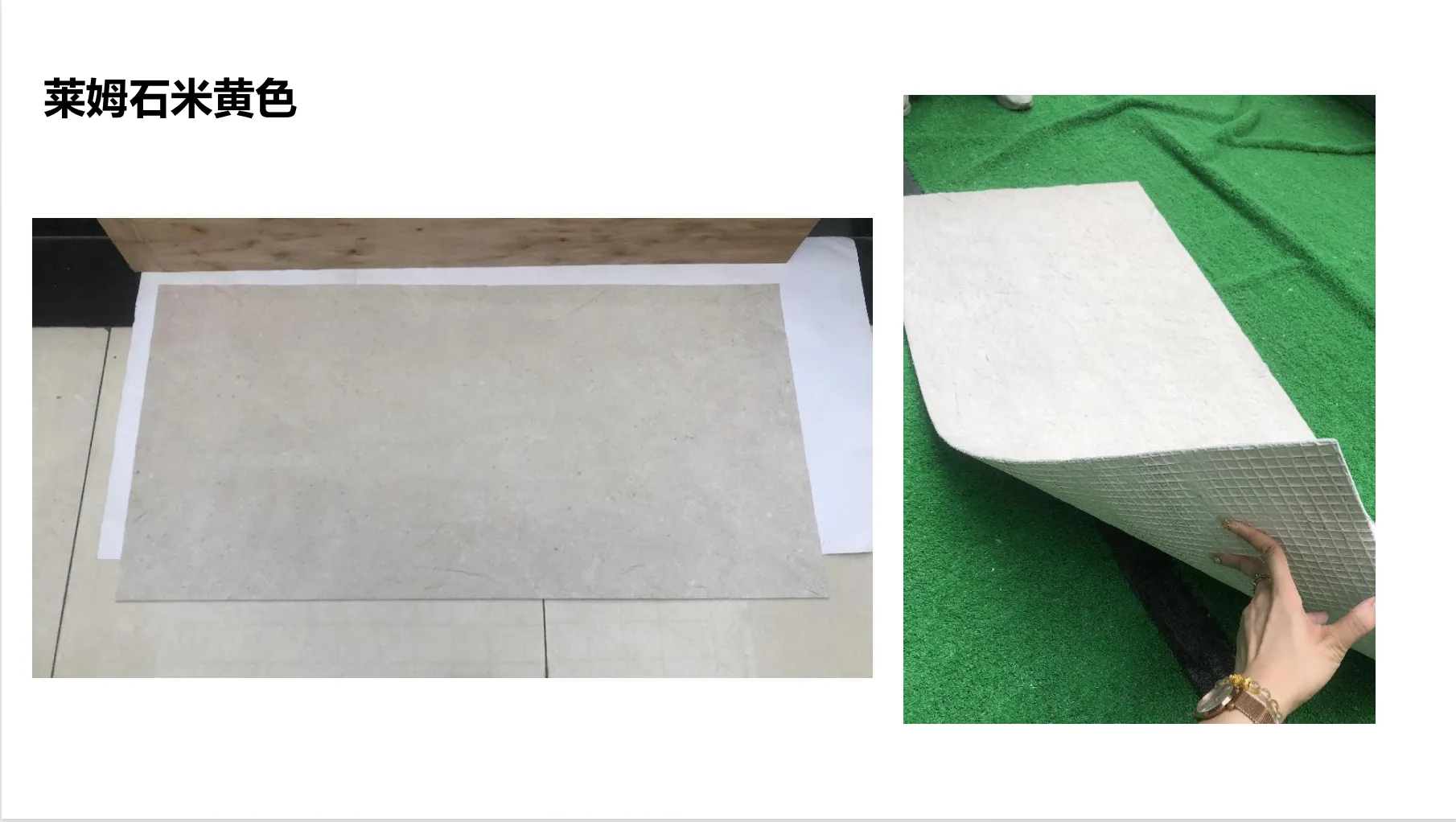
Walk down any city street, and the first thing that catches your eye about a commercial building isn't just its height or glass facades—it's the material that wraps around it. The exterior skin of a building tells a story: about the brand, the architect's vision, and even the values of the space within. In a world where trends come and go, there's one material that has stood the test of time, blending quiet strength with understated elegance: limestone. And among its many variants, lime stone(beige) has emerged as a favorite for commercial projects aiming to strike that perfect balance between durability and beauty. Let's dive into why this humble stone continues to be a top choice for architects, developers, and designers alike.
Commercial buildings aren't just structures—they're investments. Whether it's a bustling retail center, a sleek office tower, or a boutique hotel, these spaces need to withstand the elements, heavy foot traffic, and the test of time. No one wants to invest in a material that fades, cracks, or requires constant repairs after a few years. That's where limestone, particularly lime stone(beige) , shines.
Limestone is a sedimentary rock formed over millions of years from the accumulation of marine organisms, giving it a naturally dense and robust composition. Unlike some synthetic materials that degrade under UV rays or harsh weather, lime stone(beige) holds its ground. Think about it: ancient structures like the Great Pyramids of Giza and the Parthenon were built with limestone, and they're still standing millennia later. While modern commercial buildings don't need to last quite that long, the same inherent strength that made those monuments enduring makes limestone a smart choice for today's projects.
In commercial settings, durability also translates to low maintenance. Imagine a shopping mall with a limestone facade—rain, snow, sleet, or intense sunlight won't leave it looking worn. A quick wash now and then is all it takes to keep that warm beige hue looking fresh. Compare that to materials that require regular painting, sealing, or replacement, and the cost savings over time become clear. For busy property managers, that's a huge win.
But durability alone isn't enough. Commercial buildings need to make a statement. They need to attract customers, impress clients, and fit seamlessly into their surroundings—whether that's a historic district or a cutting-edge urban skyline. Here's where lime stone(beige) truly excels: it's versatile, timeless, and undeniably beautiful.
The soft beige tones of this limestone variant are warm and inviting, making it perfect for spaces that want to feel approachable. Unlike stark whites or bold grays, beige doesn't overpower—it complements. It pairs beautifully with modern materials like glass and steel, adding a touch of nature to sleek designs. For example, a contemporary office building with floor-to-ceiling windows and a lime stone(beige) accent wall feels both innovative and grounded, as if the structure has grown organically from the earth.
Texture is another key factor. lime stone(beige) isn't just a flat, uniform surface—it has depth. Its natural veining, subtle pits, and unique grain patterns mean no two panels are exactly alike, giving commercial exteriors a one-of-a-kind character. This texture plays with light throughout the day: morning sun brings out golden undertones, while afternoon shadows highlight its rugged charm. At dusk, it glows softly, turning a simple building into a landmark.
And let's not forget versatility. Whether the design calls for a classic, traditional look (think arched doorways and detailed moldings) or a modern, minimalist vibe (clean lines and smooth finishes), lime stone(beige) adapts. It can be polished to a high shine for a sophisticated lobby or left with a rough, honed surface for a more industrial, urban feel. This flexibility is why you'll see it on everything from luxury hotels in Dubai to cozy cafes in Paris.
Theory is great, but nothing beats seeing a material in action. Let's take a look at some real commercial projects that have embraced lime stone(beige) and reaped the benefits.
Case Study 1: The Azure Retail Complex, Chicago
When developers set out to build the Azure Retail Complex in downtown Chicago, they wanted a material that would stand out among the city's steel and glass giants but still feel welcoming to shoppers. Enter
lime stone(beige)
. The exterior features large slabs of the stone, cut into clean, horizontal lines that mimic the rhythm of the city's skyline. The beige hue softens the building's modern architecture, making it approachable, while the stone's durability ensures it can handle Chicago's harsh winters and hot summers. Inside, smaller limestone tiles were used in the walkways and seating areas, creating a seamless flow from exterior to interior. Shoppers often comment on how the space feels "bright" and "inviting"—a direct result of the stone's ability to reflect light without feeling sterile.
Case Study 2: The Horizon Office Tower, Singapore
For the Horizon Office Tower, a 30-story building in Singapore's central business district, the goal was to create a "workspace of the future" that still felt connected to nature. Architects paired floor-to-ceiling glass with
lime stone(beige)
cladding on the lower levels, creating a striking contrast between transparency and solidity. The stone's natural texture adds visual interest, breaking up the monotony of glass, while its resistance to humidity (a must in Singapore's tropical climate) ensures the facade stays looking sharp year-round. Employees report that the building feels "calming" compared to neighboring all-glass towers—a testament to limestone's ability to add warmth to even the most modern spaces.
Case Study 3: The Solace Hotel, Bali
In Bali, where nature is king, the Solace Hotel wanted an exterior that blended with the island's lush landscapes without sacrificing durability.
lime stone(beige)
was the obvious choice. The hotel's facade uses rough-hewn limestone slabs, giving it a rustic, organic feel that complements the surrounding rice terraces. What's impressive? The stone has held up against Bali's heavy rains and salty sea air, requiring only occasional cleaning to maintain its warm glow. Guests often mention the "timeless" quality of the hotel's design, noting that it feels both luxurious and in harmony with the environment.
Of course, limestone isn't the only player in the commercial building materials game. Let's see how it compares to two other popular options: fair-faced concrete and epoch stone . A quick table might help visualize the differences:
| Material | Durability Features | Aesthetic Traits | Best For | Maintenance Level |
|---|---|---|---|---|
| lime stone(beige) | Resistant to weather, UV rays, and scratches; lasts 50+ years with minimal care. | Warm beige hue, natural veining, versatile texture (polished/honed/rough). | Retail centers, hotels, mixed-use developments aiming for warmth + longevity. | Low: Occasional washing; sealing every 5–7 years (optional). |
| fair-faced concrete | High compressive strength; fire-resistant; prone to staining if not sealed. | Industrial, minimalist look; gray tones; uniform texture. | Modern offices, art galleries, warehouses converted to commercial spaces. | Medium: Requires sealing every 2–3 years; prone to cracks if not installed properly. |
| epoch stone | Engineered stone; resistant to chipping and fading; lightweight for easy installation. | Consistent color and pattern; mimics natural stone but with more uniformity. | Budget-conscious projects, high-rise exteriors where weight is a concern. | Low: Easy to clean; less porous than natural stone. |
As you can see, each material has its strengths, but lime stone(beige) stands out for its ability to offer both natural beauty and long-term resilience. It's not just about checking boxes—it's about creating a space that feels alive, not just built.
One of the best things about lime stone(beige) is how well it plays with others. It's like the "neutral" in your wardrobe—easy to pair with bold accents or other natural textures. For example, many architects are now combining limestone with wood grain board to create a warm, organic look. Imagine a restaurant exterior with limestone walls and wood grain board accents around the windows and doors—the contrast between the stone's solidity and the wood's warmth is irresistible.
Another popular pairing is lime stone(beige) with metal, such as copper or brushed aluminum. The stone's earthy tones soften the industrial edge of metal, creating a balanced, modern aesthetic. In the lobby of the Azure Retail Complex (mentioned earlier), designers used brass fixtures against limestone walls, and the result is a space that feels both luxurious and timeless.
In a world where trends come and go, lime stone(beige) remains a constant. It's not just a building material—it's a design philosophy. It says, "We care about quality, about beauty, and about creating spaces that last." For commercial projects, that's invaluable. Whether you're designing a retail space that needs to attract customers day in and day out, an office that wants to boost employee morale, or a hotel that aims to create unforgettable experiences, limestone delivers on both durability and aesthetics.
So the next time you walk past a commercial building and find yourself pausing to admire its exterior, take a closer look—it might just be lime stone(beige) working its magic. And if you're a developer or designer looking to make a statement that stands the test of time? This humble stone might be the best investment you'll ever make.
Recommend Products












