
Walk up to any successful commercial building—whether it's a luxury boutique on Fifth Avenue, a sleek corporate headquarters in Tokyo, or a historic hotel in Rome—and chances are, the exterior makes a statement before you even step inside. In today's competitive market, a brand's identity isn't just about logos or taglines; it's about the physical spaces that represent it. And few architectural elements say "authority," "timelessness," and "attention to detail" quite like marble pillars. But how do these grand structures actually enhance a brand's identity? Let's dive in, with a little help from real photos that bring these designs to life.
Think about the last time you visited a new store or office. What caught your eye first? Was it the signage? The landscaping? Or maybe the building itself? Research shows that people form judgments about a brand within seconds of seeing its physical space. A shabby exterior might make you question the quality of a brand's products; a stunning one, on the other hand, can spark curiosity and trust. That's where architectural details like marble pillars come in—they're not just structural; they're storytellers.
Brands spend millions on interior design, but the exterior is the first chapter of their story. It sets the tone for what customers can expect inside. A brand aiming for luxury might opt for opulent materials, while one focused on sustainability might lean into natural textures. Marble pillars, with their mix of strength and elegance, have a unique ability to adapt to different brand personalities—whether that's old-world grandeur or modern minimalism. And when captured in real photos, these pillars don't just show a design; they evoke a feeling.
Marble has been a symbol of power and prestige for centuries—think of the Parthenon, the Taj Mahal, or the grand palaces of Europe. There's a reason it's endured: it's durable, versatile, and instantly recognizable. But in the context of modern commercial design, marble pillars aren't just throwbacks to ancient architecture. They're dynamic elements that blend tradition with innovation.
Take, for example, the texture of marble. From smooth, polished surfaces that reflect light like mirrors to rough, honed finishes that feel tactile and organic, there's a marble style for every brand. A high-end jewelry store might choose white marble with gold veining for a sense of luxury, while a tech company could go for a darker, more understated marble to convey sophistication and reliability. And then there are variants like travertine (beige)—a type of limestone that's often grouped with marble for its elegance but has a softer, more porous texture. Its warm, earthy tones make it perfect for brands that want to feel approachable yet refined, like a boutique café or a wellness center.
| Material | Aesthetic Vibe | Best For Brands Seeking... | Durability |
|---|---|---|---|
| Polished White Marble | Bright, reflective, luxurious | Timeless elegance, high-end appeal | High (resistant to weathering) |
| Travertine (Beige) | Warm, earthy, textured | Approachability, organic luxury | Medium-High (needs sealing for longevity) |
| Fair-Faced Concrete | Raw, industrial, modern | Minimalism, sustainability, edge | Very High (low maintenance) |
But marble pillars aren't just about looks—they're also practical. Unlike some trendy materials that fade or degrade over time, marble can withstand harsh weather conditions, making it ideal for exterior use. And when paired with complementary materials like fair-faced concrete—a raw, uncoated concrete that's prized for its industrial-chic look—marble pillars can create striking contrasts that make a brand's exterior unforgettable. Imagine a modern art gallery with sleek fair-faced concrete walls anchored by towering marble pillars; the combination feels both cutting-edge and rooted in history, perfectly aligning with a brand that values innovation and tradition.
Here's the thing about architectural design: it's easy to sketch a beautiful pillar on paper, but until you see it in real life—with all its textures, shadows, and interactions with light—it's hard to truly grasp how it will transform a space. That's where marble pillar real photos come in. These aren't just snapshots; they're powerful tools that help architects, designers, and brand managers make informed decisions.
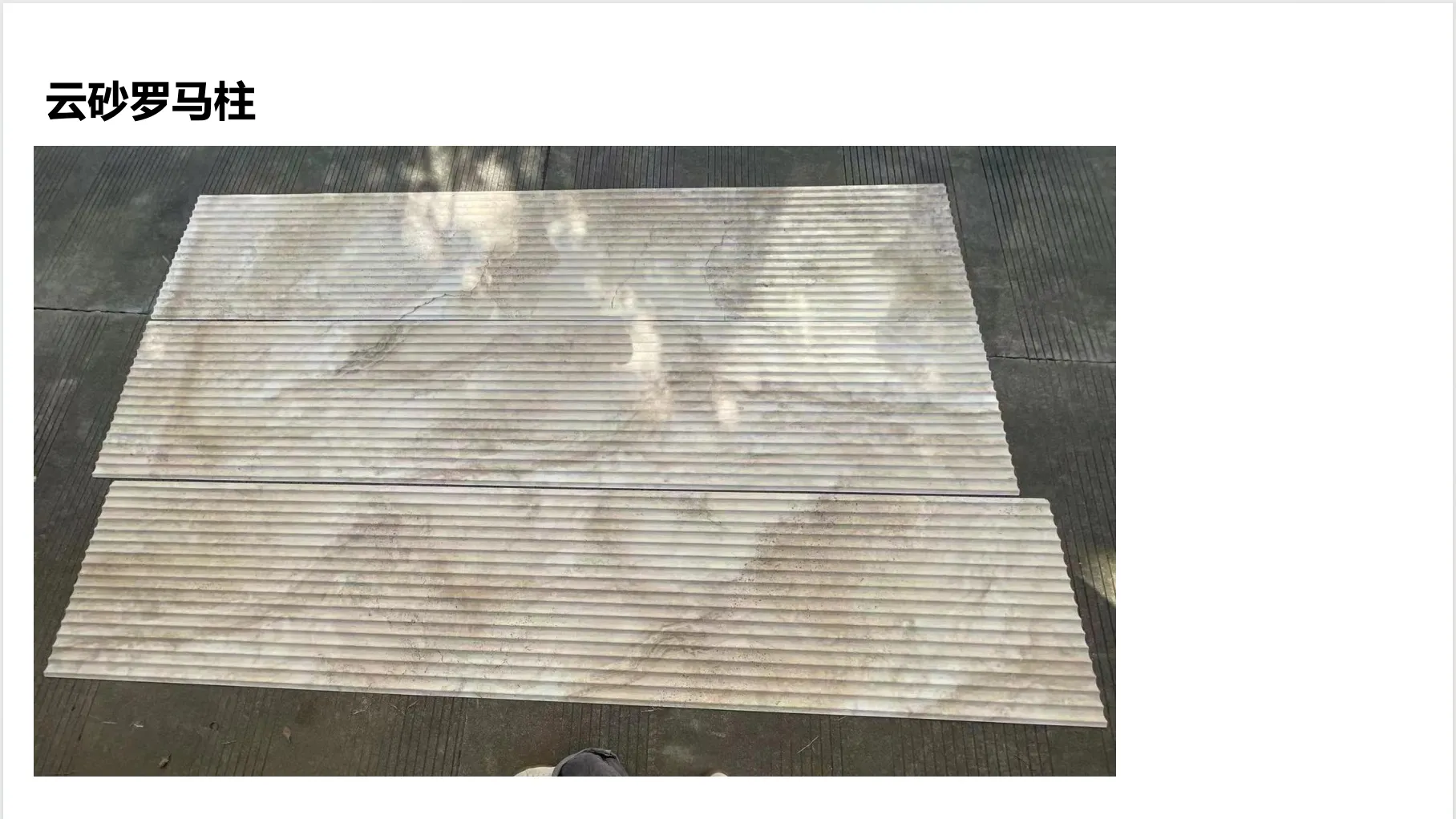
Real photos capture the nuances that renderings or 3D models might miss. The way sunlight hits a polished marble pillar at dawn, casting soft shadows that change throughout the day. The way raindrops bead on a honed travertine (beige) surface, highlighting its unique pores and veining. These details matter because they're what customers will notice when they walk by the building. A brand that invests in high-quality real photos of its marble pillars isn't just documenting its design—it's telling a story about craftsmanship and attention to detail.
For example, a hotel chain looking to rebrand as a luxury destination might commission a photoshoot of its new marble pillars from every angle: close-ups of the veining, wide shots showing how the pillars frame the entrance, even night shots with strategic lighting that makes the marble glow. These photos can then be used in marketing materials, on the brand's website, or in presentations to stakeholders—all to reinforce the message that this isn't just a hotel; it's an experience.
Let's take a hypothetical (but realistic) example: a high-end fashion brand opening a flagship store in a busy shopping district. The brand wants to convey exclusivity and heritage, so they opt for a classical-inspired exterior with marble pillars. But instead of going with plain white marble, they choose a combination of polished white marble and travertine (beige) pillars, alternating between the two to create visual interest.
The result? A storefront that feels both grand and welcoming. The white marble pillars add a sense of drama, while the travertine (beige) ones soften the look, making the space feel approachable despite its luxury. Real photos of the exterior, taken at different times of day, showcase how the pillars interact with natural light—warm and golden in the afternoon, cool and elegant at dusk. These photos become a key part of the brand's marketing campaign, with billboards and social media posts highlighting the store's "palace-like entrance" to customers who want to feel like royalty when they shop.
Now, consider a tech company that prides itself on merging cutting-edge innovation with timeless values like trust and reliability. For their new headquarters, they want an exterior that reflects this balance. The solution? A modern glass building with a facade anchored by large, dark gray marble pillars. The glass gives the structure a sleek, futuristic look, while the marble pillars ground it, adding a sense of permanence.
To complement the marble, the architects incorporate fair-faced concrete panels between the pillars, creating a striking contrast between the smooth marble and the raw concrete. The result is a building that feels both forward-thinking and established—perfect for a brand that wants to say, "We're innovators, but we're here to stay." Real photos of the headquarters, shared on the company's website and in annual reports, emphasize this duality, showing employees and clients alike that the brand's values are built into its very structure.
Not all marble is created equal, and choosing the right type for your brand's exterior is key. Here are a few factors to consider:
And again, real photos are your best friend here. Ask your supplier for samples and photos of the marble in different settings—how does it look in direct sunlight? Under artificial light? After rain? These details will help you avoid surprises and ensure the marble pillars align with your brand's vision.
As design trends evolve, so do the ways we use marble. Today, architects are experimenting with new techniques: combining marble with unexpected materials like foamed aluminium alloy board for a modern twist, or using 3D printing to create custom pillar shapes that were once impossible to carve by hand. But even with these innovations, the core appeal of marble remains the same: it's a material that tells a story of quality, longevity, and beauty.
For brands looking to make a lasting impression, marble pillars offer a unique combination of tradition and adaptability. They're not just architectural elements—they're brand ambassadors, standing tall and silent, but speaking volumes about who you are and what you value. And when paired with real photos that capture their essence, they become even more powerful: tools that turn abstract design ideas into tangible, inspiring visions.
At the end of the day, commercial exteriors are about more than just keeping the rain out—they're about welcoming customers, clients, and employees into a space that reflects who you are. Marble pillars, with their timeless beauty and versatility, have a unique ability to elevate that welcome, turning a simple entrance into a statement of identity.
Whether you opt for classic white marble, warm travertine (beige), or a bold combination with materials like fair-faced concrete, the key is to choose a design that aligns with your brand's values. And don't underestimate the power of real photos—they're not just documentation; they're storytelling tools that help you share your vision with the world.
So the next time you pass a commercial building with marble pillars, take a moment to notice how they make you feel. Chances are, that feeling is exactly what the brand wants you to experience—authority, elegance, trust. And in a world where first impressions are everything, that's a powerful advantage.
Recommend Products












