
When you walk down a busy street, what catches your eye first? More often than not, it's the buildings—their colors, textures, and overall vibe. For businesses, a commercial exterior isn't just a wall; it's a first impression, a silent salesman, and a reflection of brand identity. But here's the thing: choosing the right cladding material can feel like navigating a maze. You want something that looks great, stands up to the elements, doesn't break the bank, and maybe even aligns with your values, like sustainability. Enter poly wood board cladding—a material that's been turning heads in architecture and design circles for all the right reasons. Let's dive into why it's becoming the go-to choice for forward-thinking businesses.
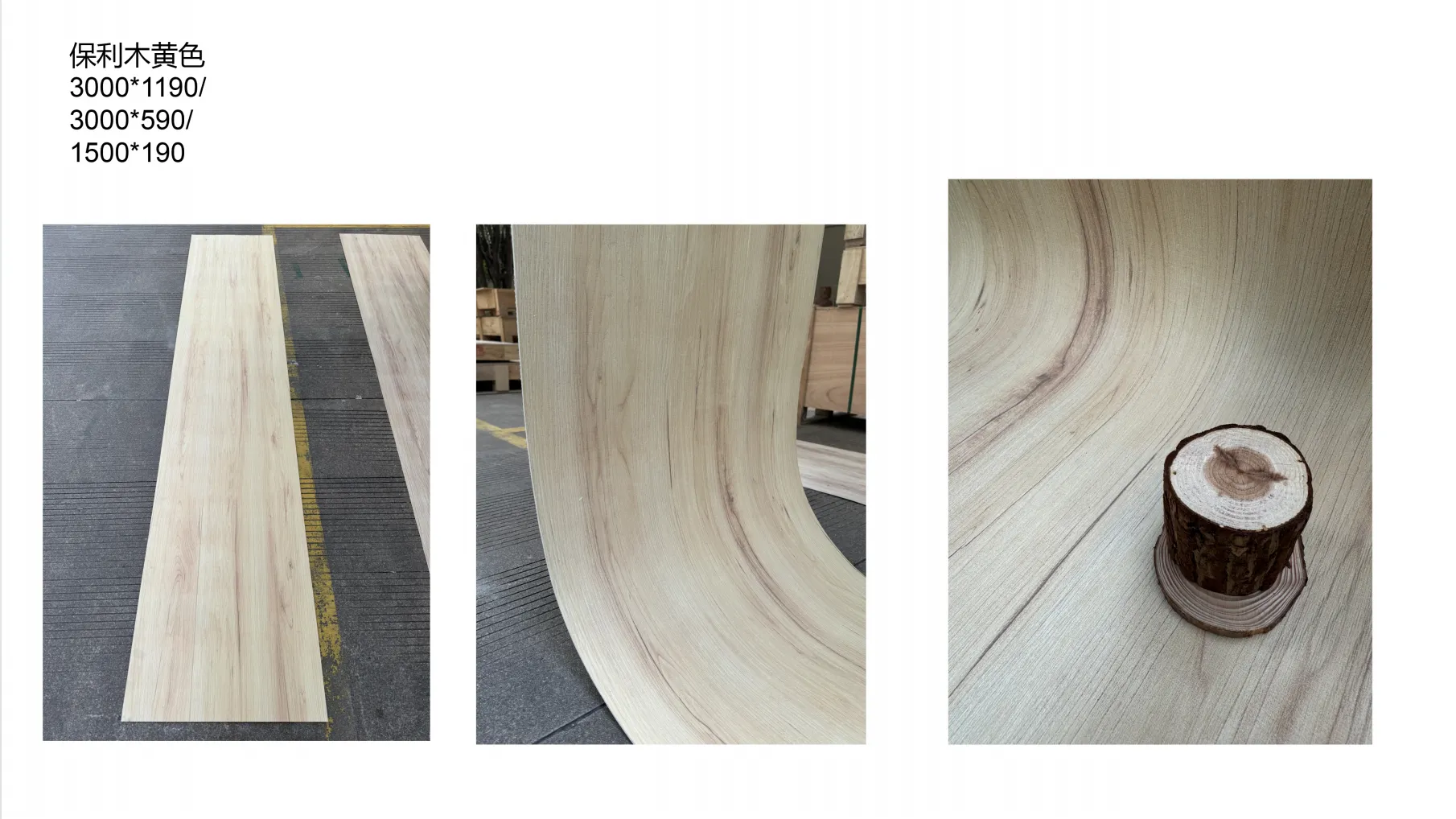
If you're picturing cheap plastic that looks nothing like wood, think again. Poly wood board—sometimes called engineered wood or composite wood cladding—is a blend of recycled wood fibers and high-density polyethylene (HDPE), often mixed with additives to boost performance. The result? A material that mimics the warm, organic look of real wood but skips all the headaches that come with natural timber. No splinters, no warping, no constant painting or staining. It's like getting the best of both worlds: the aesthetic appeal of wood and the durability of modern engineering.
But why does this matter for commercial exteriors? Let's face it—businesses don't have time to baby their building materials. A restaurant on a coastal strip needs something that can handle salt spray. A retail store in a busy downtown area wants to stay looking fresh despite foot traffic and weather. Poly wood board steps up to the plate here, and then some.
Let's break down why poly wood board is more than just a pretty face. These benefits aren't just bullet points—they're real-world advantages that translate to better business outcomes.
Real wood is beautiful, but it's high-maintenance. Left unchecked, it rots, warps, or becomes a snack for termites. Poly wood board? It laughs in the face of these issues. Thanks to its composite makeup, it's resistant to moisture, rot, and pests. Rain, snow, humidity, even the harsh UV rays of the sun—this material holds its ground. Imagine a café in Seattle, where rain is a regular guest. With poly wood board cladding, the owner doesn't have to worry about the exterior turning into a moldy mess or the wood warping after a few seasons. It stays crisp, clean, and ready to welcome customers, year after year.
Here's the secret weapon: poly wood board looks real . We're talking rich grains, warm tones, and that natural wood texture that makes people stop and say, "Is that real wood?" But unlike real wood, it's consistent. No two planks of natural wood are identical, which can be charming, but when you're aiming for a polished, professional look for a hotel or office building, consistency matters. Poly wood board comes in a range of finishes—from light oak to deep walnut, even weathered gray for that coastal cottage vibe. And because it's engineered, you won't get random knots or splits that throw off your design. It's like having a wood finish with a built-in quality control check.
These days, businesses don't just care about how something looks—they care about how it's made. Poly wood board is a champion here, often falling under the umbrella of green building materials . Most brands use recycled wood fibers (from sawdust or discarded lumber) and recycled HDPE (think plastic bottles or containers), keeping waste out of landfills. Plus, since it doesn't require painting, staining, or sealing with harsh chemicals, it's low-VOC (volatile organic compounds), which is better for the environment and the people around the building. For a brand that prides itself on sustainability—like a eco-friendly bookstore or a farm-to-table restaurant—this isn't just a bonus; it's a core value made visible.
Let's talk numbers. Poly wood board might have a slightly higher upfront cost than, say, vinyl siding, but don't let that fool you. Real wood cladding, for example, requires annual maintenance—sanding, staining, repairing rotted boards—and those costs add up fast. Over 10 years, the maintenance alone on real wood can surpass the initial investment in poly wood board. And since poly wood board lasts 25+ years with minimal upkeep, it's a long-term money saver. For small businesses or franchise owners watching their bottom line, that's peace of mind you can't put a price on.
Time is money, especially when you're renovating a commercial space. The longer construction takes, the longer you might be operating at reduced capacity or delaying your grand opening. Poly wood board is lightweight and easy to work with—no heavy machinery or specialized tools required. Contractors can cut it, drill it, and install it quickly, often finishing the job in a fraction of the time it would take to install natural stone or even mcm flexible stone (another popular cladding option, but one that can be trickier to handle). For a retail store rushing to open before the holiday season, that speed can make all the difference.
To really see the value, let's compare poly wood board to three other common cladding choices: real wood, fair-faced concrete , and mcm flexible stone . Here's how they measure up:
| Feature | Poly Wood Board | Real Wood | Fair-Faced Concrete | MCM Flexible Stone |
|---|---|---|---|---|
| Durability | High (resists rot, pests, moisture) | Low (prone to rot, warping, pests) | High (resistant to weather, but cracks over time) | Medium-High (flexible but can chip) |
| Aesthetics | Warm, wood-like, consistent | Natural, unique, but variable | Industrial, minimalist, cold | Stone-like, textured, versatile |
| Sustainability | High (recycled materials, low VOC) | Medium (depends on sourcing; requires chemicals) | Medium (high carbon footprint in production) | Medium (some recycled content, but heavier to transport) |
| Cost (Lifespan: 25+ years) | Moderate upfront, low maintenance | Low upfront, high annual maintenance | High upfront, moderate maintenance | High upfront, moderate maintenance |
| Installation Ease | Easy (lightweight, simple tools) | Moderate (requires skilled labor) | Hard (heavy, specialized equipment) | Moderate (flexible but requires precise cutting) |
Poly wood board isn't a one-trick pony. Its versatility makes it a fit for almost any commercial exterior. Here are a few places where it's making a big impact:
Imagine a cozy bistro with a wrap-around patio. Poly wood board cladding in a warm cedar tone instantly makes the space feel inviting, like an extension of someone's home. It stands up to food spills, rain, and the occasional rogue umbrella without losing its charm.
A boutique clothing store wants to project a "rustic luxury" vibe. Poly wood board in a weathered gray finish pairs perfectly with large windows and modern signage, creating a look that's both timeless and on-trend. And since it doesn't fade in the sun, the store's exterior stays Instagram-worthy year-round.
A tech startup aiming for a "creative, approachable" aesthetic? Poly wood board cladding on the exterior softens the building's modern lines, making it feel less corporate and more like a place where ideas flow. It's a subtle way to signal that the company values both innovation and warmth.
A beachfront resort needs something that can handle saltwater, humidity, and sand. Poly wood board resists all three, keeping cabanas and exterior walls looking fresh even in harsh coastal conditions. Guests get that "tropical retreat" feel without the staff worrying about constant repairs.
One of the best things about poly wood board is how little effort it takes to keep it looking new. Here's the short and sweet maintenance routine:
That's it. No sanding, no staining, no weekends spent on upkeep. For busy business owners, that's a gift.
At the end of the day, commercial exterior cladding is about more than just covering a building. It's about creating a space that attracts customers, reflects your brand, and stands strong for years to come. Poly wood board checks all those boxes—and then some. It's durable enough to handle whatever the weather throws at it, beautiful enough to make your business memorable, sustainable enough to align with modern values, and cost-effective enough to keep your budget happy.
Whether you're designing a new building or giving an old one a facelift, poly wood board cladding isn't just a choice—it's a statement. It says you care about quality, about the environment, and about the people who interact with your business every day. And in a world where first impressions matter more than ever, that's a message worth sending.
Recommend Products












