

Redefining Commercial Architecture with Innovation, Sustainability, and Artistic Flair
Walk through the downtown area of any major city, and you'll notice that commercial buildings are no longer just functional structures—they're statements. The exterior cladding, in particular, acts as the "face" of a building, communicating brand identity, design philosophy, and even environmental values. For architects, developers, and project managers, choosing the right exterior material is a balancing act: it needs to be durable enough to withstand harsh weather, lightweight to reduce structural load, visually striking to stand out, and sustainable to align with modern green building standards. This is where COLORIA GROUP steps in, offering a game-changing solution through their Modified Cementitious Material (MCM) series—a range of cladding options that redefine what commercial exteriors can achieve.
With decades of experience in the building materials industry and a global footprint that includes a strong presence in markets like Saudi Arabia, COLORIA GROUP has positioned itself as a one-stop provider for high-performance architectural cladding. At the heart of their offering lies the MCM series, a collection of modified cementitious materials engineered to combine the best of natural aesthetics with cutting-edge technology. Today, we'll dive deep into how these materials—specifically focusing on three standout options—are transforming commercial exteriors worldwide.
Before we explore the specific products, let's first understand what makes MCM materials so revolutionary. Traditional exterior cladding options often come with trade-offs: natural stone is beautiful but heavy and brittle; ceramic tiles are durable but lack flexibility; metal panels can be lightweight but may compromise on texture. MCM, or Modified Cementitious Material, changes the game by blending cement's inherent strength with polymers and natural minerals, resulting in a material that's lightweight, flexible, durable, and infinitely customizable .
Imagine a material that weighs up to 70% less than natural stone, yet offers comparable (if not superior) impact resistance. A material that can bend without cracking, making it ideal for curved facades or intricate architectural details. A material that uses recycled content and emits minimal volatile organic compounds (VOCs), aligning with LEED and BREEAM certifications. That's MCM in a nutshell—and it's why architects and developers are increasingly turning to COLORIA GROUP for their most ambitious projects.
| Feature | Natural Stone | Ceramic Tiles | Standard Metal Panels | COLORIA MCM |
|---|---|---|---|---|
| Weight (kg/m²) | 40-60 | 20-30 | 15-25 | 6-12 |
| Flexibility | Brittle (no bend) | Low (prone to cracking) | Moderate (limited curvature) | High (can bend up to 30° without damage) |
| Customization Options | Limited by natural deposits | Basic colors/textures | Metallic finishes only | Unlimited colors, textures, and 3D designs |
| Environmental Impact | High (quarrying, transportation) | Moderate (high firing energy) | Moderate (recyclable but energy-intensive) | Low (recycled content, low VOC, lightweight = lower transport emissions) |
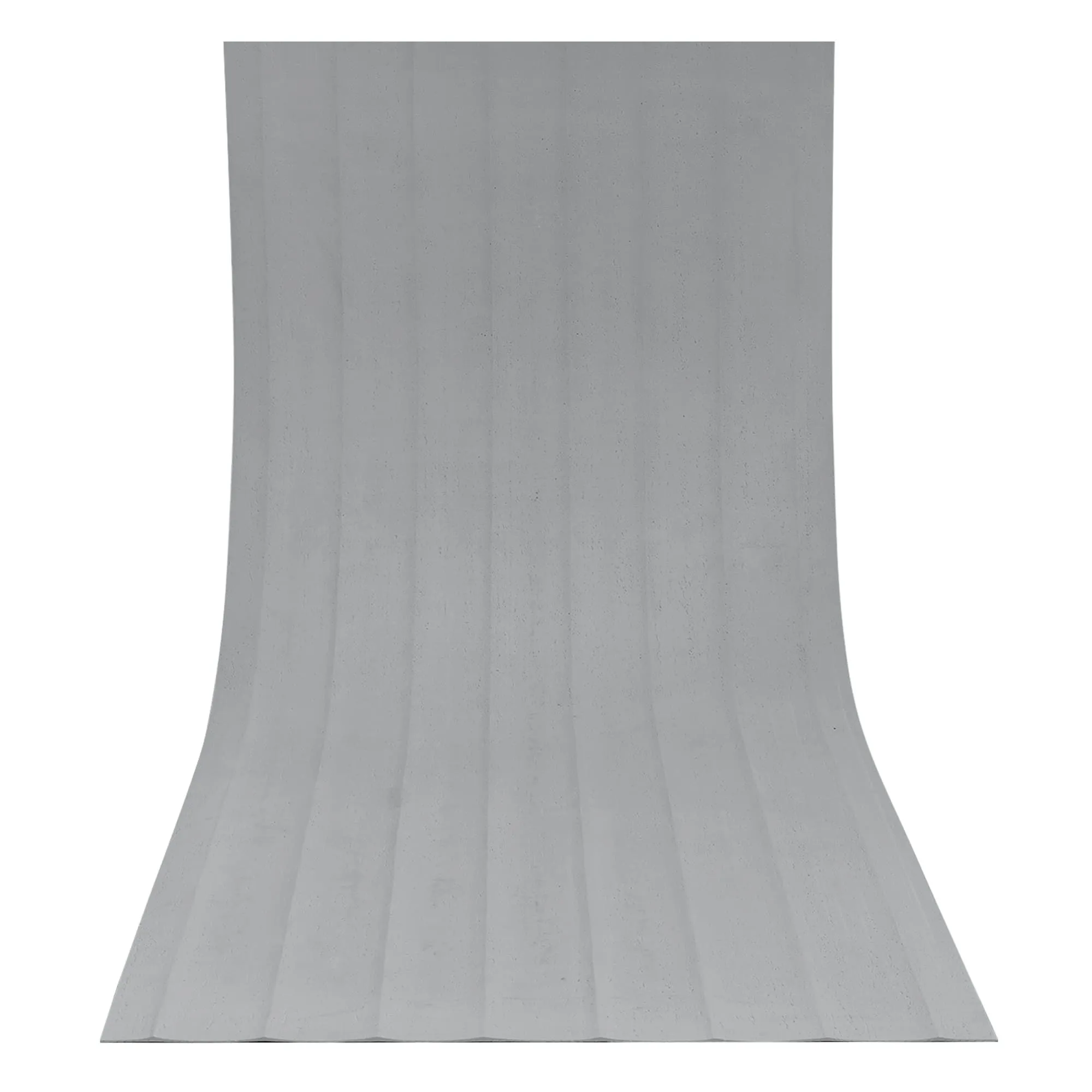
COLORIA's MCM series comprises several specialized lines, each tailored to different project needs. Today, we'll focus on three that have been making waves in commercial architecture: MCM Big Slab Board Series for grand, seamless facades; MCM Flexible Stone for curved and dynamic designs; and MCM 3D Printing Series for pushing the boundaries of architectural artistry. Let's explore each in detail.
In commercial architecture, first impressions matter—and nothing makes a bolder statement than a seamless, monolithic facade. The MCM Big Slab Board Series is designed for exactly this: large-format panels (up to 3m x 1.5m) that minimize visible seams, creating a sleek, modern look that's perfect for skyscrapers, convention centers, and luxury hotels.
What sets these slabs apart is their combination of size and strength. Traditional large stone slabs are notoriously heavy, requiring reinforced structural support and specialized installation teams. COLORIA's MCM Big Slabs, by contrast, weigh just 8-12 kg/m², making them easy to transport and install without compromising on durability. This not only reduces construction time but also lowers overall project costs—a win-win for developers.
Take, for example, the Riyadh Tech Tower , a 42-story commercial building in Saudi Arabia. The design team wanted a facade that reflected the city's forward-thinking spirit while withstanding the region's extreme heat and sandstorms. They chose COLORIA's MCM Big Slab Board Series in "Lunar Peak Silvery," a textured finish that mimics the moon's cratered surface. The 2.4m x 1.2m slabs created a continuous, shimmering facade that reduces heat absorption (thanks to MCM's thermal insulation properties) and requires minimal maintenance—even after five years, the panels look as crisp as the day they were installed.
Customization is another highlight. Whether you're aiming for the smoothness of polished concrete, the depth of travertine, or the warmth of wood grain, the Big Slab Series can replicate it with stunning accuracy. Architects can even mix finishes within a single facade—for instance, pairing "Starry Green Travertine" slabs with "Fair-Faced Concrete" accents—to create visual interest without sacrificing cohesion.
Not all buildings are box-shaped—and neither should their cladding be. Curved facades, undulating canopies, and organic-shaped structures demand a cladding material that can adapt, and that's where MCM Flexible Stone shines. As the name suggests, this material is flexible —it can bend up to 30 degrees without cracking, making it the go-to choice for projects with non-linear designs.
Imagine a performing arts center with a facade that curves like a wave, or a boutique hotel with a cylindrical tower that mimics a stack of natural stones. These designs were once challenging (and expensive) to execute with traditional materials, but MCM Flexible Stone makes them accessible. The secret lies in the material's composition: a matrix of cement, polymers, and natural fibers that gives it both strength and elasticity.
A standout example is the Dubai Waterfront Pavilion , a cultural venue nestled along the city's marina. The architect's vision was to create a building that "flows" like water, with a facade that undulates gently from the ground to the roof. Traditional stone or metal would have required complex, custom-fabricated panels, but COLORIA's MCM Flexible Stone simplified the process. The team selected "Wave Panel" texture in "Starry Blue Travertine," a finish that mimics the ocean's surface. The flexible panels were easily curved on-site, following the pavilion's organic contours, resulting in a structure that feels both natural and futuristic.
Beyond curved surfaces, MCM Flexible Stone is also ideal for retrofits. Older buildings with uneven walls or structural limitations often struggle with rigid cladding materials, which can crack due to minor settling. Flexible Stone, however, "gives" with the building, reducing the risk of damage over time. This adaptability has made it a favorite for historic renovation projects, where preserving architectural character while upgrading performance is key.
If the Big Slab Series is about grandeur and Flexible Stone is about adaptability, the MCM 3D Printing Series is about innovation . 3D printing has revolutionized manufacturing, and COLORIA GROUP is at the forefront of bringing this technology to architectural cladding. The result? Cladding panels with intricate, three-dimensional textures that were once impossible to mass-produce—think geometric patterns, organic motifs, or even custom logos embedded into the facade.
The 3D Printing Series allows architects to turn their wildest design dreams into reality. Want a facade that looks like a honeycomb? Or one that mimics the texture of a pine bark? Or perhaps a custom pattern inspired by local art or culture? With 3D printing, these ideas are no longer just concepts—they're tangible, installable panels. And because the printing process is digital, there's minimal waste: panels are printed to exact specifications, reducing material usage and environmental impact.
A notable project showcasing this technology is the Doha Innovation Hub , a startup incubator in Qatar. The building's mission is to foster creativity, so the design team wanted a facade that reflected innovation. They collaborated with COLORIA to create a 3D-printed MCM panel series called "Starmoon Stone," which features a repeating pattern of interconnected circles and crescents, symbolizing collaboration. The panels were printed in varying depths (from 5mm to 20mm), creating a dynamic, light-catching effect that changes throughout the day. Best of all, because the design was digital, the team could tweak the pattern midway through the project without delaying production—a level of flexibility unheard of with traditional manufacturing.
But 3D printing isn't just about aesthetics; it also enhances functionality. The layered structure of 3D-printed MCM panels can be engineered to improve acoustic insulation or rainwater drainage, making them as practical as they are beautiful. For commercial spaces like hotels or offices, this means a quieter, more comfortable interior environment—another value-add for occupants.
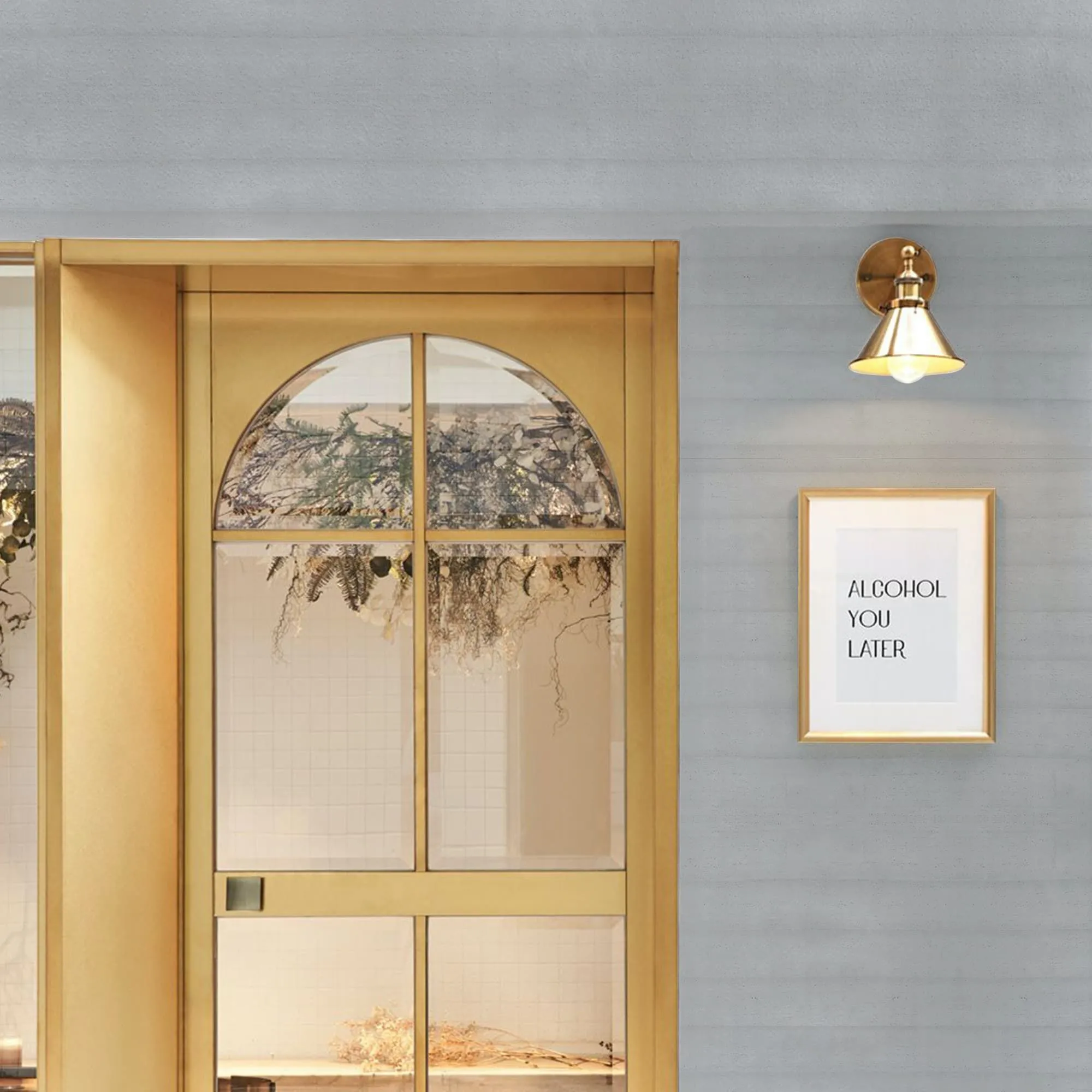
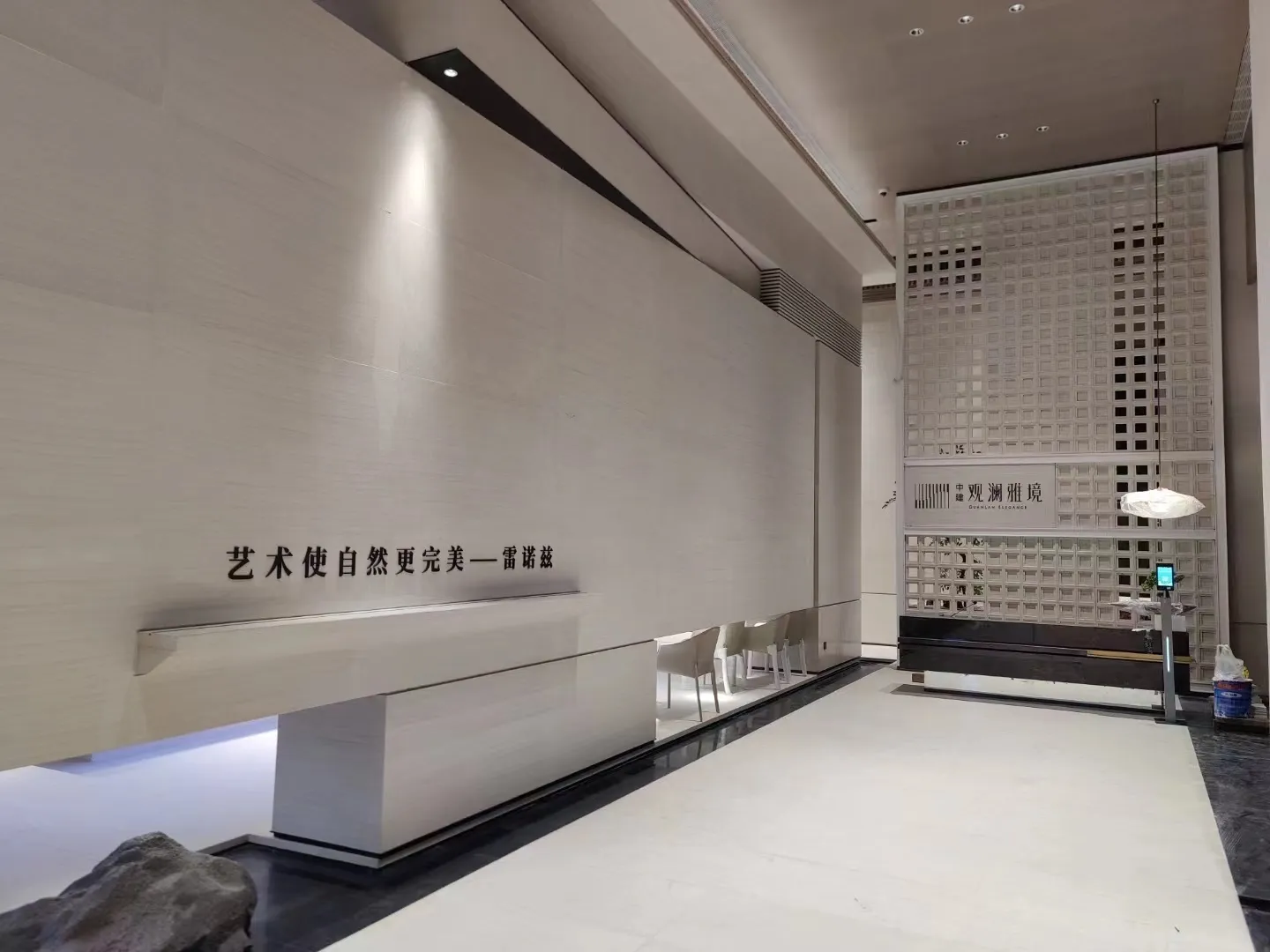
To truly appreciate the versatility of COLORIA's MCM series, let's look at how these materials are being used across different commercial sectors. From airports to retail centers, each project tells a story of design vision brought to life through innovative cladding.
Airports require cladding that's durable, low-maintenance, and visually calming for travelers. The Jeddah International Airport Expansion used MCM Big Slab Board Series in "Gobi Panel" finish, a warm, earthy texture that evokes the region's desert landscape. The large slabs minimized seams, creating a serene, continuous facade that reduces visual clutter—perfect for a space where millions of passengers pass through yearly.
Boutique hotels and high-end retail spaces thrive on uniqueness. The Bali Stone Resort in Indonesia opted for MCM Flexible Stone in "Bali Stone" texture, a finish that replicates the island's iconic volcanic rock. The flexible panels wrapped around the resort's curved bungalows, blending seamlessly with the natural surroundings while withstanding the tropical humidity.
Modern offices need to reflect brand identity and foster productivity. The Singapore GreenTech Headquarters chose MCM 3D Printing Series in "Ethereal Shadow Travertine," a 3D-printed texture that mimics sunlight filtering through trees. The panels not only look stunning but also improve natural light diffusion, creating a brighter, more energizing workspace.
In today's world, "green building" is no longer a trend—it's a necessity. Clients, regulators, and even end-users demand materials that minimize environmental impact, and COLORIA's MCM series delivers on this front. The materials are made with up to 40% recycled content, including post-industrial cement and natural mineral waste, reducing the need for virgin resources. Additionally, MCM production emits 30% less CO2 compared to traditional ceramic tile manufacturing, and the panels themselves are 100% recyclable at the end of their lifecycle.
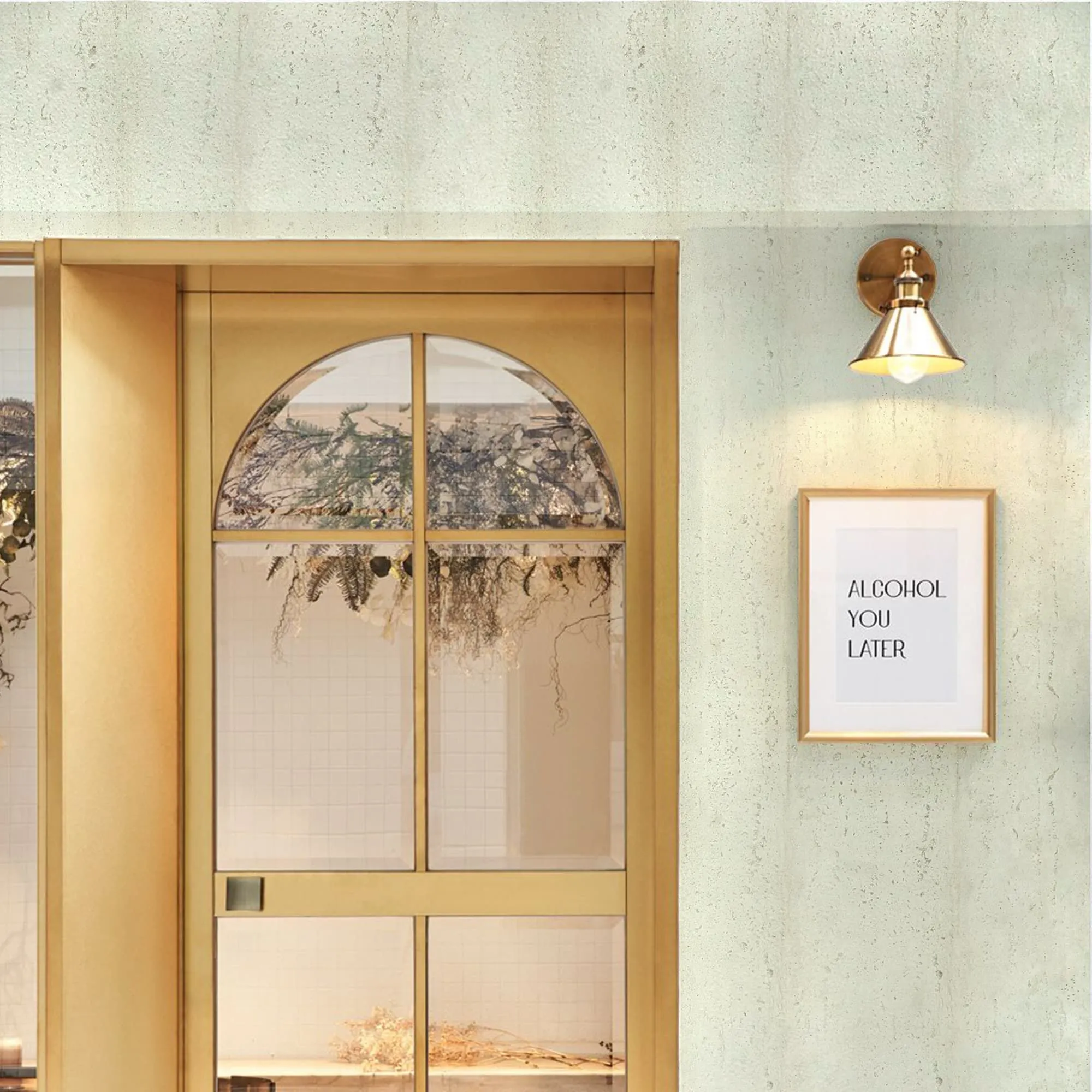
But sustainability doesn't mean sacrificing design freedom. If anything, MCM materials offer more customization options than traditional cladding. Want a specific Pantone color to match your brand? COLORIA can create it. Need a texture that replicates a rare natural stone found only in a remote region? Their digital scanning and printing technology can reproduce it with precision. Even the size and shape are customizable—from ultra-thin panels for interior accent walls to thick, textured slabs for exterior feature walls.
This combination of sustainability and customization is why COLORIA GROUP has become a trusted partner for projects aiming for green certifications. For example, the Berlin Eco-Tower , which achieved LEED Platinum certification, used MCM Flexible Stone in "Gradient Color Rammed Earth" finish. The panels' recycled content and thermal efficiency contributed to the building's energy performance, while the gradient color design (blending soft beiges and greens) reduced the need for additional exterior painting—another eco-friendly choice.
With so many building material suppliers in the market, what sets COLORIA GROUP apart? It's not just the quality of their MCM products—it's their commitment to partnership. From the initial design phase to post-installation support, COLORIA works closely with architects, contractors, and developers to ensure every project's success.
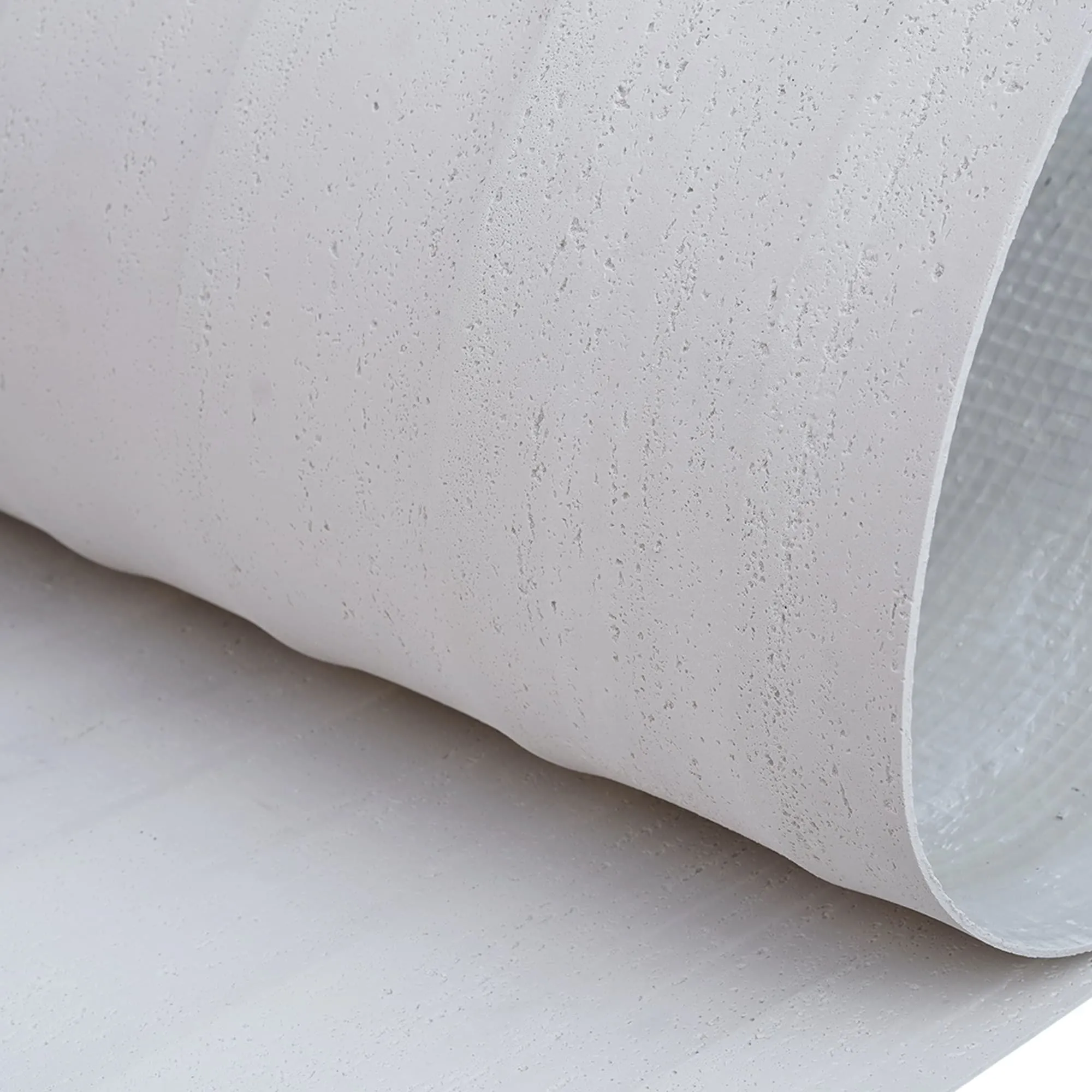
Commercial architecture is evolving, and so too are the materials that shape it. In a world where buildings are expected to be beautiful, functional, sustainable, and cost-effective, COLORIA GROUP's MCM series stands out as a solution that delivers on all fronts. Whether you're designing a towering skyscraper, a boutique hotel, or a cutting-edge tech hub, MCM Big Slab Boards, Flexible Stone, and 3D Printing Series offer the flexibility, durability, and aesthetic appeal to bring your vision to life.
At the end of the day, great architecture is about more than steel and concrete—it's about creating spaces that inspire, connect, and endure. With COLORIA's MCM materials, you're not just choosing cladding; you're choosing a legacy. A legacy of buildings that look as good in 50 years as they do today, that respect the planet, and that tell a story of innovation.
So, the next time you walk past a commercial building that stops you in your tracks—one with a facade that seems to defy traditional limits—take a closer look. Chances are, it's wrapped in COLORIA's MCM. And who knows? Maybe your next project will be the one inspiring others.
Recommend Products











