
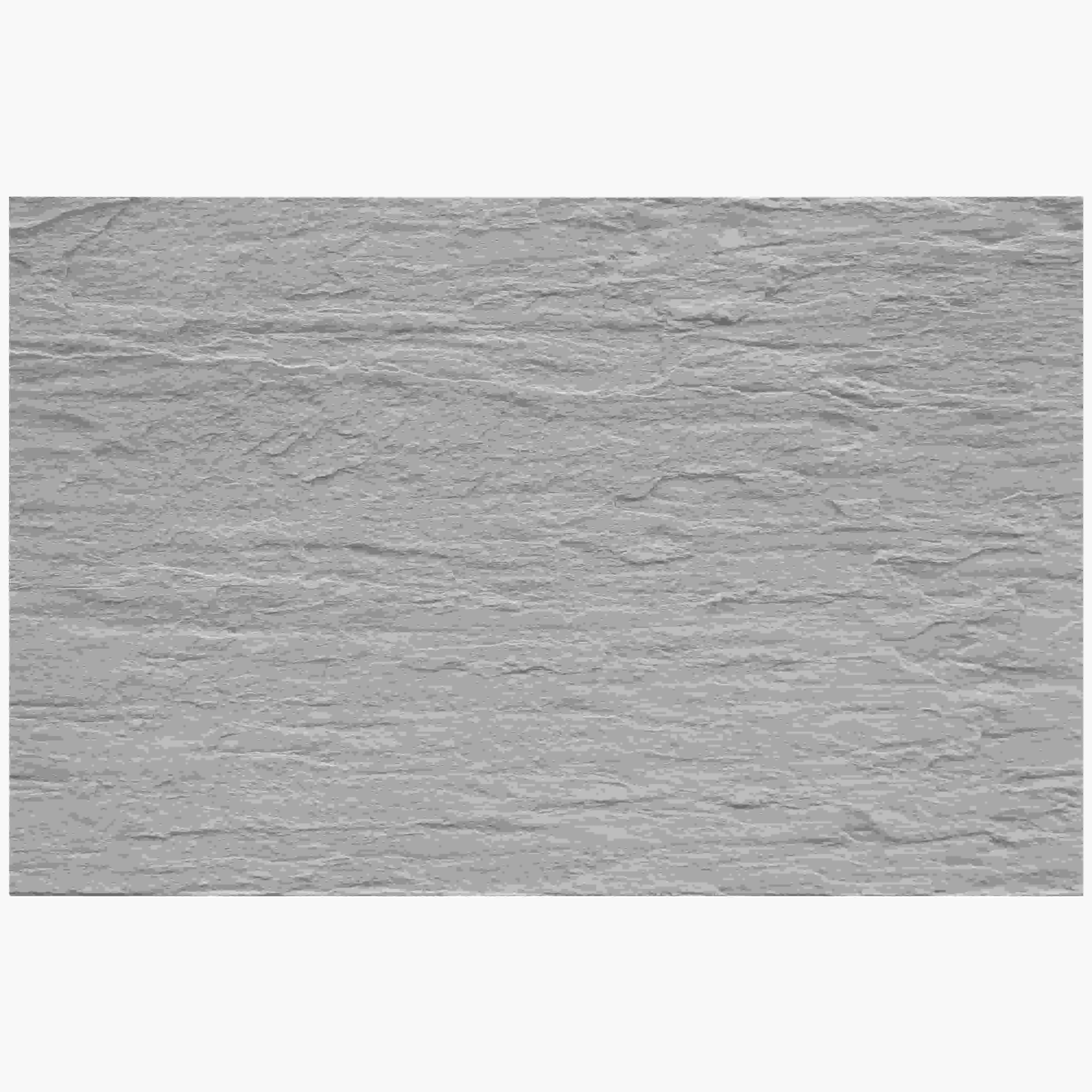
Walk down any city street, and you'll notice them—the silent storytellers of urban landscapes: commercial facades. More than just walls, they're the first impression of a brand, a nod to local culture, or a bold statement of innovation. Architects and designers know the stakes: choose the wrong material, and the facade fades into anonymity; get it right, and it becomes a landmark. Enter Oasis Stone Regular —a material that's redefining what's possible in commercial design. Blending the organic warmth of natural stone with the practicality of modern engineering, it's part of the broader MCM flexible stone family, known for its lightweight flexibility and durability. But how does it hold up in real-world projects? Let's dive into four case studies where Oasis Stone Regular turned vision into reality, solving unique challenges and leaving lasting impressions.
| Material | Weight (kg/m²) | Installation Time (100m²) | Sustainability (Recycled Content) | Durability (Warranty) | Aesthetic Versatility |
|---|---|---|---|---|---|
| Oasis Stone Regular | 8-10 | 3-4 days | 35% | 25 years | High (custom finishes) |
| Bali Stone (Natural) | 25-30 | 7-10 days | 10% | 15 years | Medium (fixed patterns) |
| Lunar Peak Silvery | 12-15 | 5-6 days | 20% | 20 years | Medium (metallic sheen) |
| Fair-Faced Concrete | 20-22 | 6-8 days | 25% | 30 years | Low (uniform texture) |
| MCM Flexible Stone (Base Tech) | 7-9 | 3-4 days | 40% | 30 years | High (moldable designs) |
Location: Seminyak, Bali | Client: Azure Hospitality Group | Design Firm: TropicArc Architects
Azure Hospitality wanted their new boutique hotel to feel like a "sanctuary by the sea"—a place where guests would instantly relax, surrounded by nature. But Seminyak's coastal climate is unforgiving: salt spray, high humidity, and occasional monsoons. The initial plan? Traditional Bali stone , beloved for its earthy texture. But there was a problem: at 25-30 kg/m², the stone would add excessive weight to the hotel's curved, cantilevered facade, risking structural strain. Worse, natural Bali stone is porous—prone to staining from salt and rain.
TropicArc turned to Oasis Stone Regular. "We needed the look of Bali stone but with the durability of a modern material," explains lead architect Mia Santos. "Oasis Stone's MCM core made it lightweight—only 9 kg/m²—so we could keep the curved design without reinforcing the structure. And its sealed surface? Impervious to salt and moisture." The team opted for a custom "sandy beige" finish, mimicking Bali stone's organic grain, but with subtle thread details etched into the panels to catch the light like sunlight on waves.
Today, the Azure Hotel's facade glows at sunrise, its texture softening harsh tropical light into a warm glow. Guests often pause to run their hands over the panels—"It feels like real stone, but smoother," one reviewer noted. Maintenance? Minimal. After two monsoon seasons, there's not a single stain or crack. "We saved 30% on construction time and avoided a structural overhaul," says Azure's project manager. "Oasis Stone didn't just solve a problem—it made our vision better."
Location: Shibuya, Tokyo | Client: Novus Tech | Design Firm: FutureForm Studios
Novus Tech wanted their Tokyo campus to reflect their brand ethos: "Innovation with a human touch." The site, a former industrial lot, called for a facade that felt high-tech but not cold. The design team initially considered fair-faced concrete —sleek and modern—but worried it would feel sterile. They also toyed with Lunar Peak Silvery , a metallic MCM option, but feared it would clash with the surrounding green spaces.
Enter Oasis Stone Regular, paired with Lunar Peak Silvery accents. "We needed a material that could bridge the gap between tech and nature," says FutureForm's Kenji Tanaka. The main facade uses Oasis Stone in "cloud-dragon" gray, a custom finish with swirling patterns that mimic storm clouds—"a nod to Tokyo's dynamic energy," Tanaka explains. Lunar Peak Silvery panels were embedded vertically, catching and reflecting light like sunlight on water. The result? A facade that shifts with the day: cool and futuristic at noon, warm and inviting at dusk.
Novus employees rave about the "natural light dance" in the lobby, where the facade's texture scatters sunlight into dappled patterns. "It feels like working in a forest, not an office," says software engineer Aiko Mori. Visitors often comment on the contrast between the sharp Lunar Peak lines and the organic Oasis Stone curves. "We wanted to show that tech doesn't have to be all steel and glass," says Novus CEO Hiroshi Nakamura. "Oasis Stone made that possible."

Location: La Rambla, Barcelona | Client: Mariposa Retail Group | Design Firm: UrbanCanvas Architects
La Rambla is Barcelona's busiest pedestrian street—think street performers, cafes, and a sea of shoppers. Mariposa Mall needed a facade that would stop foot traffic in its tracks. The brief? "Bold, but not brash; timeless, but trendy." The team considered traditional red travertine but dismissed it as too heavy and high-maintenance for a high-traffic area. "We needed something scratch-resistant, easy to clean, and visually striking," says UrbanCanvas director Elena Ruiz.
Oasis Stone Regular became the star, but with a twist: the design team embedded stream limestone (claybank) chips into select panels, creating a "pebbled" texture that contrasts with the smooth main surface. "It's like running your hand over a riverbed—rough and smooth in all the right places," Ruiz says. The color? A warm terracotta, paying homage to Barcelona's historic architecture, but with a matte finish to avoid glare. "Unlike polished stone, it doesn't blind shoppers on sunny days," notes Ruiz.
Since opening, Mariposa Mall has seen a 22% increase in foot traffic. "People stop to take photos—they've even started calling it 'the touchable facade,'" laughs Mariposa's marketing manager. Local artist Carlos Mendez painted a mural adjacent to the mall, inspired by the facade's texture. "It's become part of the street's identity," Ruiz says. And maintenance? A quick power wash every six months keeps it looking fresh—no need for costly sealants or repairs.
Location: Alfama District, Lisbon | Client: Lisbon City Council | Design Firm: Heritage & Horizon Architects
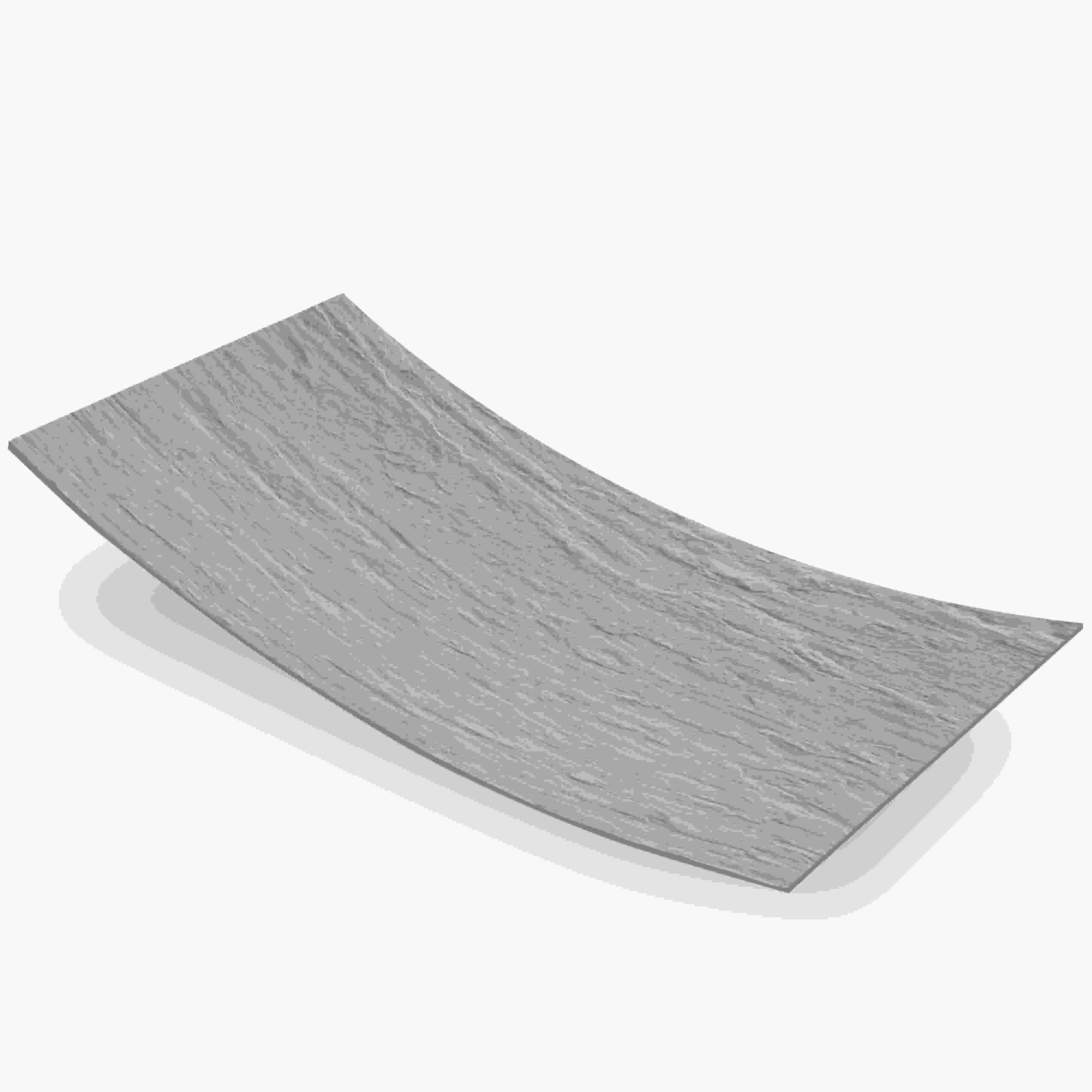
The Alfama District is Lisbon's oldest neighborhood, with cobblestone streets and 16th-century tilework. The new cultural center needed to fit in—respecting the area's historic charm—while serving as a modern hub for art and events. The problem? The building's original 18th-century structure couldn't support heavy traditional stone. "We needed to mimic the look of historical pathfinders stone —the rough, weathered stone used in local castles—but with a material light enough for the old walls," says lead architect Sofia Almeida.
Oasis Stone Regular's flexibility was key. The team scanned actual historical pathfinders stone from the nearby Castle of São Jorge, then replicated its texture and color in custom Oasis panels. "It's like digital archaeology," Almeida explains. "We preserved the stone's character—every chip and groove—but in a panel that weighs 10 kg/m² instead of 30." To add warmth, they interleaved panels with weaving (khaki) elements—handwoven fibers that echo traditional Portuguese textiles. "The contrast of rough stone and soft weaving? It feels like Lisbon itself: old and new, strong and gentle," Almeida says.
Locals call it "the building that remembers." The facade blends so seamlessly with Alfama's historic fabric that many visitors assume it's original—until they notice the modern glass atrium peeking through. "We've had seniors telling us it feels like coming home, and kids excited by the 'stone that bends'," says the center's director. For Almeida, the success is personal: "Oasis Stone didn't just save us from a structural nightmare. It let us honor the past while building for the future."
Commercial facades are more than skin deep—they're about solving problems, telling stories, and connecting with people. Oasis Stone Regular, as these case studies show, is more than a material; it's a collaborator. Whether it's lightening the load for a coastal hotel, softening the edge of a tech campus, drawing crowds to a retail mall, or preserving history in a cultural center, it adapts to the vision, not the other way around. Paired with innovations like MCM flexible stone technology, it proves that durability and beauty don't have to be trade-offs. So the next time you pass a striking commercial facade, pause—there might be an Oasis Stone Regular story behind it, quietly shaping the way we experience our cities.
Recommend Products












