
The Workhorse Surface That Blends Durability, Hygiene, and Timeless Style
In the chaotic rhythm of a commercial kitchen—where clattering pans, sizzling stoves, and the urgent calls of "order up!" fill the air—there's one element that quietly holds it all together: the countertop. It's where prep chefs dice onions at 7 a.m., where line cooks plate delicate pastas during the lunch rush, and where pastry chefs roll out dough long after closing. A commercial kitchen countertop isn't just a surface; it's a partner, a workhorse, and a silent witness to the culinary magic that happens behind the scenes. And in a space where performance is non-negotiable, choosing the right material isn't just a design decision—it's a business one.
Enter Marble Stream Stone. A material that marries the timeless elegance of natural marble with the rugged resilience demanded by commercial environments, it's quickly becoming the gold standard for chefs, restaurant owners, and designers alike. But what makes it stand out in a market flooded with options like polish concrete, fair-faced concrete, and even MCM flexible stone? Let's dive into the world of Marble Stream Stone countertops and explore why they're redefining what a commercial kitchen surface can be.
Commercial kitchens are unforgiving places. A single shift might see a countertop endure hours of chopping (hello, sharp chef's knives), the weight of cast-iron Dutch ovens, splatters of acidic tomato sauce, and the scorching heat of a 500°F pan set down in a hurry. For most materials, this kind of abuse would lead to chips, stains, or permanent damage. But Marble Stream Stone? It's built to thrive.
Marble Stream Stone isn't your average natural stone. While it starts as authentic marble—quarried from select sites known for their dense, high-quality deposits—it undergoes a proprietary engineering process that enhances its innate strength. The result is a surface with a Mohs hardness rating of 6-7 (comparable to granite), making it resistant to the everyday scratches that would mar softer materials like limestone or even some quartz composites. In practical terms, that means a prep cook can hack through a bushel of carrots without leaving a mark, and a pastry chef can roll out dough with metal pins without worrying about surface damage.
But hardness is just one piece of the puzzle. Commercial kitchens also demand impact resistance. drop a heavy stockpot on a laminate countertop, and you'll likely end up with a crack; do the same on Marble Stream Stone, and chances are the stone will shrug it off. Its low porosity—achieved through careful sealing during production—also means it's far less prone to chipping than traditional marble, which can be brittle in thin slabs. This durability translates to a longer lifespan, too: while budget-friendly options like tile or laminate might need replacing every 3-5 years, a well-maintained Marble Stream Stone countertop can last 15-20 years, making it a smart long-term investment for busy kitchens.
Any chef will tell you: hot pans happen. Whether it's a sauté pan fresh off the burner or a baking sheet straight from the oven, there's rarely time to hunt for a trivet in the middle of a dinner rush. Marble Stream Stone's natural heat resistance—up to 300°F for short periods—means it can handle these moments without warping, discoloring, or developing heat spots. Compare that to fair-faced concrete, which, while durable, can stain or crack if exposed to sudden temperature changes, or even polish concrete, which may require sealants that degrade under high heat. For a kitchen where every second counts, this kind of reliability isn't just convenient—it's critical.
In commercial kitchens, hygiene isn't just a priority—it's the law. From local health inspections to international food safety certifications like HACCP, every surface must be easy to clean, non-porous, and resistant to bacterial growth. Marble Stream Stone excels here, thanks to its unique composition and finish.
Unlike porous materials such as wood or unglazed tile, Marble Stream Stone's dense structure and factory-applied sealant create a non-porous barrier that prevents liquids, oils, and food particles from seeping into the surface. This isn't just about preventing stains (though that's a big plus); it's about stopping bacteria like E. coli or salmonella from finding a home in tiny cracks or pores. A quick wipe with a food-safe sanitizer is all it takes to keep the surface germ-free—a crucial feature in environments where cross-contamination can have serious consequences.
Even better, the sealant used on Marble Stream Stone is designed to withstand the harsh detergents and frequent cleaning that commercial kitchens require. Unlike some natural stones that need re-sealing every 6-12 months, Marble Stream Stone typically only needs a fresh coat every 3-5 years, reducing maintenance downtime. For busy kitchen managers, this means less time worrying about upkeep and more time focusing on what matters: serving great food.
Restaurateurs and kitchen operators know that failing a health inspection can be catastrophic for business. Marble Stream Stone's non-porous surface and easy-to-clean properties make it compliant with strict food safety standards, including those set by the FDA and USDA. Its smooth, seamless finish (no grout lines or seams to trap debris) also eliminates hidden areas where mold or mildew might grow, giving inspectors and customers alike peace of mind. In an industry where trust is everything, choosing a countertop that prioritizes hygiene is a decision that pays off in both compliance and reputation.
Gone are the days when commercial kitchens were dark, utilitarian spaces hidden behind swinging doors. Today, open kitchens are a selling point, letting diners watch the culinary theater unfold. Even closed kitchens benefit from thoughtful design—after all, a beautiful workspace can boost staff morale and create a more efficient workflow. Marble Stream Stone doesn't just perform; it elevates the look of any kitchen with its natural beauty and versatile aesthetic.
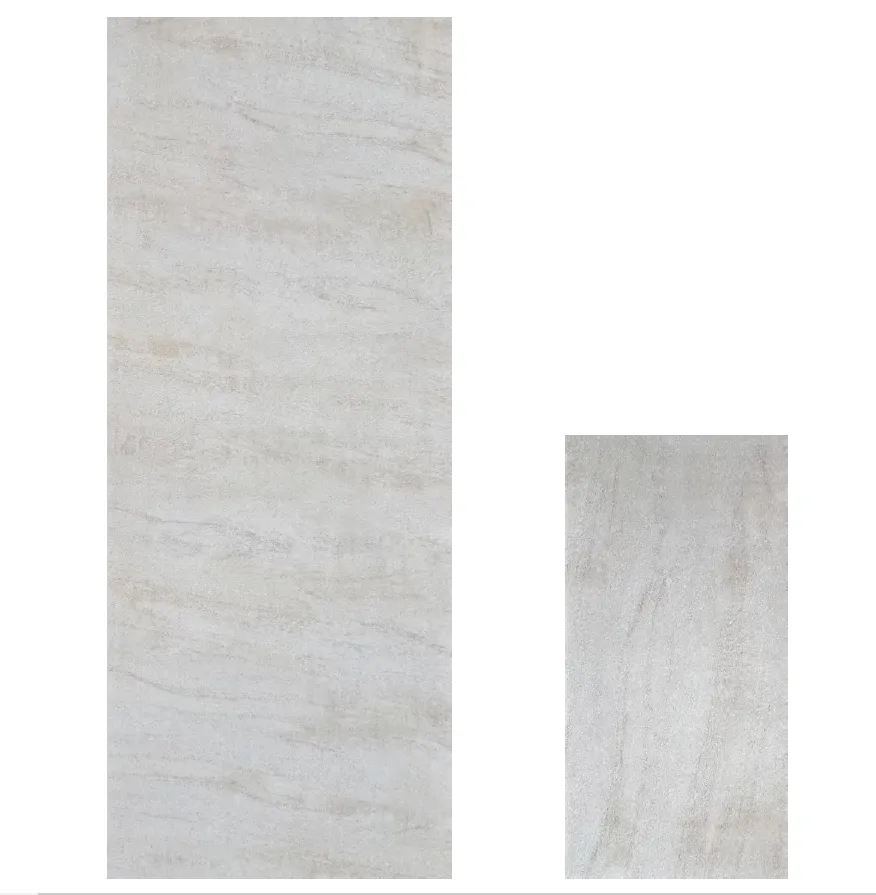
Marble Stream Stone gets its name from its distinctive veining, which mimics the flow of a gentle stream—swirling whites, soft grays, and warm beiges that add depth and character to any surface. Unlike uniform synthetic materials, each slab of Marble Stream Stone is unique, ensuring that no two countertops are exactly alike. This natural variation makes it a perfect fit for a range of design styles: pair it with stainless steel appliances for an industrial-chic look, or with wood cabinetry for a rustic, farm-to-table vibe. It even holds its own in high-end restaurants, where its marble-like elegance complements upscale decor without feeling out of place in a hardworking kitchen.
For kitchens that need a more customized look, Marble Stream Stone can be cut to size, shaped into curved edges, or even paired with complementary materials like MCM flexible stone for accent walls or backsplashes. MCM flexible stone, known for its lightweight and moldable properties, offers a way to extend the kitchen's design language to vertical surfaces, creating a cohesive look that ties the space together. Whether you're aiming for a sleek, minimalist feel or a bold, textured aesthetic, Marble Stream Stone provides a neutral yet striking foundation that adapts to your vision.
While the classic "stream-like" veining is a fan favorite, Marble Stream Stone comes in a range of colorways to suit different design needs. From soft "Marble Veil White" for bright, airy kitchens to deeper "Marble Interstellar Gray" for a moodier, contemporary feel, there's a shade to match any brand identity or interior scheme. The surface can also be finished to varying levels of sheen—from a matte look that hides fingerprints to a polished finish that reflects light and adds a touch of luxury. This flexibility ensures that regardless of the kitchen's theme, Marble Stream Stone can be tailored to fit.
In today's eco-conscious world, sustainability is no longer a buzzword—it's a business imperative. Restaurants and foodservice establishments are under increasing pressure to reduce their environmental footprint, and choosing green building materials is a key part of that effort. Marble Stream Stone stands out as a sustainable choice for commercial kitchens, thanks to its natural origins, long lifespan, and responsible production practices.
Marble Stream Stone is a natural material, quarried from the earth without the use of harmful chemicals or synthetic additives. Unlike plastic-based composites or vinyl, it doesn't release volatile organic compounds (VOCs) into the air, contributing to better indoor air quality for kitchen staff. At the end of its long life, it can be recycled or repurposed, reducing landfill waste—a stark contrast to materials like laminate, which often end up in dumps. For businesses looking to earn LEED certification or market themselves as eco-friendly, Marble Stream Stone checks a crucial box.
Sustainability isn't just about what a product is made of—it's about how long it lasts. A Marble Stream Stone countertop that serves a kitchen for 20 years means fewer replacements, less material extraction, and lower transportation emissions over time. Compare that to polish concrete, which, while durable, may require resurfacing every 5-7 years, or tile countertops that need frequent grout repairs and eventually full replacement. By investing in a long-lasting surface, commercial kitchen owners reduce their environmental impact while saving money on costly renovations down the line.
To truly understand why Marble Stream Stone is the top choice for commercial kitchens, it helps to see how it compares to other popular countertop materials. Below is a breakdown of its key features versus three common alternatives: polish concrete, fair-faced concrete, and MCM flexible stone.
| Feature | Marble Stream Stone | Polish Concrete | Fair-Faced Concrete | MCM Flexible Stone |
|---|---|---|---|---|
| Durability (Scratch/Impact Resistance) | High (Mohs 6-7); resists knives, heavy pots | Medium-High; prone to staining without regular sealing | Medium; porous, may chip with heavy impact | Low-Medium; flexible but not ideal for heavy countertop use |
| Hygiene (Non-Porosity) | High; non-porous with factory sealant; easy to sanitize | Medium; porous, requires frequent resealing to prevent bacterial growth | Low; highly porous, difficult to keep bacteria-free | Medium; non-porous but better suited for walls than countertops |
| Heat Resistance | High (up to 300°F for short periods) | High; can withstand hot pans | High; but may crack with sudden temperature changes | Low; not recommended for direct heat exposure |
| Aesthetic Versatility | High; natural veining, multiple colors, customizable finishes | Medium; limited color options, uniform appearance | Medium; raw, industrial look but limited in color | High; wide range of textures/colors, but better for decorative use |
| Maintenance Needs | Low; reseal every 3-5 years; wipe clean with soap/water | High; reseal every 1-2 years; stains easily without sealant | Very High; requires constant sealing and cleaning | Low; easy to clean, but not durable enough for countertop wear |
| Cost (Installation + Lifespan Value) | Medium-High upfront; excellent long-term value (15-20 years) | Medium upfront; lower lifespan (5-7 years with resurfacing) | Low upfront; high long-term costs due to replacement needs | Low-Medium upfront; not suitable for countertop use (poor value here) |
| Best For | High-traffic commercial kitchens; open kitchens; hygiene-focused spaces | Industrial-style cafes; low-budget renovations (with maintenance budget) | Decorative accent walls; non-food contact surfaces | Backsplashes, accent walls, vertical surfaces |
Chef Elena Rodriguez opened her 80-seat bistro in downtown Portland five years ago, initially outfitting her kitchen with budget-friendly laminate countertops. Within two years, the surfaces were showing signs of wear: stains that wouldn't come out, chips around the edges, and a constant battle to keep them sanitized during health inspections. "We were spending hours scrubbing with industrial cleaners, and they still looked tired," she recalls. "Plus, the laminate would warp whenever a hot pan was set down—we went through three replacement sections in one year alone."
In 2023, Chef Elena decided to invest in a kitchen renovation, prioritizing countertops that could keep up with her team's fast pace. After researching options, she settled on Marble Stream Stone in "Marble Stream Stone" (a soft gray with subtle white veining). "We chose it for the durability, but I was worried it might be too 'fancy' for a working kitchen," she admits. "I couldn't have been more wrong."
Six months later, the difference is night and day. "The prep station takes a beating—we're chopping herbs, pounding meat, rolling dough—and there's not a scratch on it," Chef Elena says. "The line cooks love that they can set hot pans right on the surface without a second thought. And during inspections? The health inspector commented on how 'immaculate' the countertops looked—no more hiding stains with bleach wipes."
Perhaps the biggest surprise? The aesthetic impact. "We have an open kitchen, so diners can see the prep area," she notes. "Guests often comment on how beautiful the countertops are—they say it makes the kitchen feel 'professional yet inviting.' It's become part of our restaurant's vibe, and my staff even says it's easier to stay organized because the surface is so smooth and easy to wipe down."
While Marble Stream Stone offers numerous benefits, it's important to approach the decision with practicality in mind. Here's what commercial kitchen owners need to know about installing and caring for these countertops.
Marble Stream Stone is a heavy material, so proper installation is key to ensuring it's supported correctly and lasts for decades. It's best to work with contractors experienced in natural stone installation, as they'll know how to handle the slabs, seal the edges, and ensure a level surface that can withstand the kitchen's daily demands. While installation costs may be higher than for laminate or tile, the long-term durability makes it a worthwhile investment.
Marble Stream Stone typically costs more upfront than materials like polish concrete or laminate, with prices ranging from $80-$150 per square foot (depending on the color, finish, and installation complexity). However, when spread over its 15-20 year lifespan, the cost per year becomes comparable to—or even lower than—cheaper materials that need frequent replacement. For commercial kitchens, where downtime for renovations can cost thousands in lost revenue, the reduced need for repairs and replacements makes Marble Stream Stone a cost-effective choice in the long run.
Caring for Marble Stream Stone is surprisingly straightforward. For day-to-day cleaning, warm water and a mild detergent are all that's needed—avoid harsh abrasives or acidic cleaners like vinegar, which can damage the sealant. Wipe up spills immediately (though the non-porous surface gives you a bit more leeway than traditional marble), and use cutting boards to protect against deep scratches (though light knife marks are rarely an issue). Every 3-5 years, apply a food-safe stone sealer to maintain its non-porous properties—this can be done overnight to minimize kitchen downtime.
In the fast-paced world of commercial kitchens, where every surface, tool, and minute counts, the countertop is the unsung hero that makes it all possible. Marble Stream Stone countertops rise to the challenge, offering a rare combination of durability, hygiene, design versatility, and sustainability that few other materials can match. Whether you're running a bustling bistro, a high-end restaurant, or a busy catering kitchen, this stone delivers the performance you need with the style you want.
From resisting knife scratches and hot pans to simplifying health inspections and elevating the kitchen's aesthetic, Marble Stream Stone isn't just a surface—it's a partner in your kitchen's success. It's the kind of investment that pays off in fewer repairs, happier staff, and a space that's as functional as it is beautiful. So the next time you're planning a kitchen renovation or building a new space, consider Marble Stream Stone. Your chefs, your customers, and your bottom line will thank you.
Recommend Products












