
It's 7:30 on a Tuesday morning, and Chef Elena is already elbow-deep in prep at her downtown bistro. The line cook is dicing onions at the station next to her, the dishwasher hums in the back, and the first delivery of fresh produce has just arrived—still damp with morning dew. Her hands move quickly, slicing heirloom tomatoes for the day's caprese salads, but her focus keeps drifting to the countertop beneath her. The old wooden surface, once warm and inviting, now has tiny cracks snaking through its grain—perfect hiding spots for yesterday's sauce residue and who-knows-what bacteria. "I spend half my prep time scrubbing these grooves," she mutters, grabbing a toothbrush to dig at a particularly stubborn stain. "There's got to be a better way."
If you've spent any time in a commercial kitchen, you know Elena's frustration. The surfaces we work on shape everything—how efficiently we prep, how safely we handle food, even how much joy we take in the process. For years, chefs have bounced between options: traditional wood (warm but high-maintenance), cold stainless steel (sterile and harsh), or porous concrete (durable but prone to stains). But what if there was a surface that checked all the boxes—hygienic, tough enough for a 12-hour shift, and easy on the eyes? Enter poly wood board —a material that's quietly revolutionizing how commercial kitchens think about their workspaces.
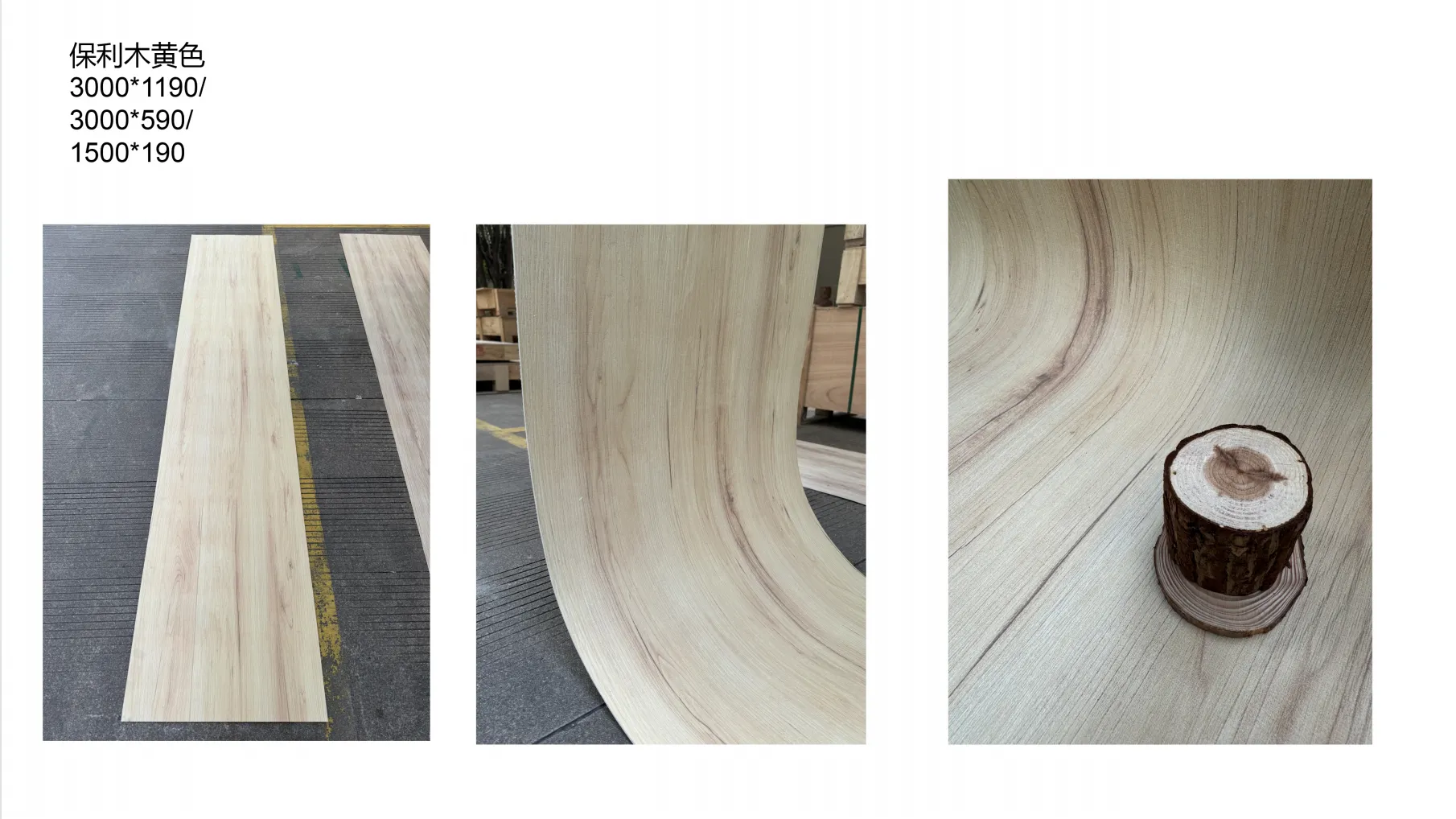
At first glance, poly wood board might look like its traditional counterpart. It has that same warm, organic texture, the kind that makes a kitchen feel less like a factory and more like a place where food is crafted with care. But scratch the surface (literally—you can try, it won't budge) and you'll realize it's a whole different beast. Made from a blend of recycled wood fibers and high-performance polymers, it's engineered to stand up to the chaos of a commercial kitchen without sacrificing aesthetics. Think of it as the best of both worlds: the natural charm of wood, with the resilience of a material built for battle.
The magic lies in its non-porous surface. Unlike traditional wood (even the treated kind), poly wood board doesn't have tiny pores or cracks where moisture, bacteria, or stains can take hold. Spill a pot of tomato sauce? Wipe it up with a damp cloth, and it's gone—no lingering discoloration, no hidden bacteria. Set a hot pan down directly from the stove? No problem. It can handle temperatures up to 212°F (100°C) without warping or scorching. And forget about water damage: leave a wet dish on it overnight, and it won't swell or split. For a kitchen where spills, heat, and humidity are part of the daily grind, that's a game-changer.
Curious how poly wood board compares to other common kitchen surfaces? Let's break it down. We asked three restaurant owners—each with a different kitchen setup—to share their experiences, and the results were eye-opening.
| Material | Hygiene (Non-Porous?) | Durability (Heat/Scratch Resistance) | Ease of Cleaning | Aesthetics | Maintenance Needs |
|---|---|---|---|---|---|
| Poly Wood Board | 100% non-porous; no bacteria buildup | Withstands heat, scratches, and moisture | Wipe clean with soap and water; no special tools | Warm, wood-like texture; multiple finishes | No sealing, sanding, or refinishing needed |
| Traditional wood grain board | Porous; requires frequent sealing to prevent bacteria | Prone to scratches, warping, and heat damage | Needs deep cleaning (brushes, special cleaners) | Natural, warm appearance | Monthly sealing; annual sanding/refinishing |
| Fair-Faced Concrete | Porous; stains easily (oils, acids) | Highly durable but prone to cracking if not sealed | Requires heavy-duty cleaners; stains may set permanently | Industrial, modern look | Quarterly sealing; occasional patching |
Mark, who owns a farm-to-table restaurant in Portland, switched his prep stations to poly wood board six months ago. "We used to use wood grain board because we loved the rustic vibe, but we were sealing it every month and still finding mold in the corners," he says. "Now? I wipe down the poly wood boards at the end of the night with a cloth and some dish soap, and they look brand new. Our health inspector even did a double-take last month—she said she'd never seen prep surfaces that clean, even in five-star kitchens."
Poly wood board isn't a one-trick pony. It's versatile enough to be used in just about every corner of a commercial kitchen, from the busiest prep stations to the most visible customer-facing counters. Let's take a tour of how it's making a difference:
If there's a battlefield in the kitchen, it's the prep station. This is where knives slice, pots simmer, and spills happen—constantly. For Chef Marco, who runs a busy Italian restaurant in Chicago, his poly wood prep table has been a revelation. "I used to have a stainless steel table here, and my hands would ache after hours of chopping—it's like working on a slab of ice," he says. "The poly wood board has a slight give to it, like a gentle cushion for my wrists. And when my line cooks inevitably bang pots or drop knives? No dents, no scratches. It's tough, but it doesn't feel like I'm working on a tank."
What really sold him, though, was the hygiene factor. "We make fresh pasta daily, and flour gets everywhere," he explains. "With stainless steel, flour would stick to the surface like glue, and we'd have to use a scraper to get it up. With poly wood, it wipes right off. And when we sanitize at the end of the night, I know there's no place for bacteria to hide. That peace of mind? Priceless."
Backsplashes are the unsung heroes of the kitchen. They protect walls from splatters, add visual interest, and tie the whole space together. But traditional options—like tile or fair-faced concrete —often come with trade-offs. Tile grout is a magnet for grease, and concrete can stain if you so much as look at it wrong. Poly wood board, with its sleek, seamless design, solves both problems.
Take Sarah, who owns a cozy brunch spot in Seattle. She wanted her open kitchen to feel warm and inviting, so she opted for a poly wood backsplash in a light oak finish. "Our old tile backsplash was a nightmare," she laughs. "Every weekend, we'd have to scrub the grout with a toothbrush to get rid of pancake syrup and coffee stains. Now, I just spray it with a little all-purpose cleaner and wipe it down. It looks like it did on day one, even after a year of busy brunch rushes." Plus, she adds, "Customers love it. They'll comment, 'This feels so homey!'—and that's exactly the vibe we're going for."
Shelving in a commercial kitchen isn't just about holding pots and pans—it's about accessibility, durability, and keeping ingredients organized. Wooden shelves look nice but warp under heavy weight; metal ones rust; plastic feels cheap. Poly wood board shelves? They're sturdy enough to hold a stack of cast-iron skillets, resistant to moisture (no more rust rings from wet dishes), and they add a touch of warmth to an otherwise utilitarian space.
Javier, a pastry chef in Miami, uses poly wood board shelves for his baking supplies. "I store everything from flour sacks to chocolate molds up there, and the shelves don't bow at all," he says. "And because they're non-porous, I don't have to worry about sugar or flour absorbing into the wood and attracting pests. It's the little things, you know? When your shelves are easy to clean and look good doing it, it makes the whole kitchen feel more put-together."
Six months after switching to poly wood board, Chef Elena's bistro looks—and feels—different. The prep station that once had her reaching for a toothbrush is now smooth and spotless. "I timed myself yesterday," she says, grinning. "Prep took 45 minutes instead of an hour and 15. That extra half-hour? I used it to test a new recipe. Imagine that—time to be creative, not just clean."
Her staff has noticed the difference too. "The line cooks used to complain about the cold concrete counters hurting their hands," Elena adds. "Now, they actually linger at the prep station, chatting while they work. It sounds silly, but a more comfortable workspace makes for happier people—and happier people make better food."
One of the best things about poly wood board is how little it asks of you. Unlike traditional wood, which needs regular sealing and sanding, or concrete, which demands quarterly treatments, poly wood board thrives on neglect (the good kind). Here's what it takes to keep it looking its best:
That's it. No special tools, no expensive treatments, no weekends spent refinishing. "I used to dread 'countertop day'—the day we'd sand and seal the old wood surfaces," Elena says. "Now? I don't even think about it. It's just… there, doing its job."
At the end of the day, poly wood board isn't just a material. It's a tool that lets chefs focus on what they do best: creating food that nourishes and delights. It's the difference between dreading prep time and looking forward to it. It's the peace of mind that comes from knowing your kitchen is as safe as it is efficient. And in an industry where every minute (and every dollar) counts, that's invaluable.
So the next time you're in a bustling restaurant, take a closer look at the counters, the shelves, the backsplashes. If they look warm and inviting but seem suspiciously spotless, chances are you're looking at poly wood board. And behind that surface? A chef who's finally free to stop scrubbing—and start cooking.
As Elena puts it, "Cooking is hard enough. Your surfaces shouldn't make it harder." With poly wood board, they don't have to.
Recommend Products












