

The heart of any successful hospitality establishment is often its commercial kitchen. It's a place of intense activity, culinary creation, and, inevitably, a challenging environment for building materials. From the scorching heat of stoves to the constant splash of liquids and the rigorous demands of daily cleaning, every surface in a commercial kitchen must be able to withstand extreme conditions. Among the most critical yet often overlooked components are the backsplashes. These surfaces are the first line of defense against moisture, grease, and grime, playing a pivotal role in maintaining hygiene, safety, and the overall aesthetic appeal of the space.
When we talk about commercial kitchen backsplashes, the emphasis is always on durability, hygiene, and resistance to high-moisture areas. Traditional materials have long been employed, but as technology advances, so do the options for architectural finishes. Today, innovative solutions like wave panels, particularly those crafted from advanced materials such as Modified Cementitious Material (MCM), are redefining expectations. This article delves deep into why MCM wave panels from COLORIA GROUP represent a superior choice for commercial kitchens, focusing on their remarkable durability and suitability for environments where moisture is a constant challenge.
Before we explore specific material solutions, it's crucial to fully grasp the unique stresses that commercial kitchen backsplashes endure. It's not just about looking good; it's about performing under pressure, day in and day out.
Considering these intense requirements, it becomes clear that selecting the right material for commercial kitchen backsplashes is not a trivial decision. It directly impacts operational efficiency, maintenance costs, and, most importantly, food safety and public health.
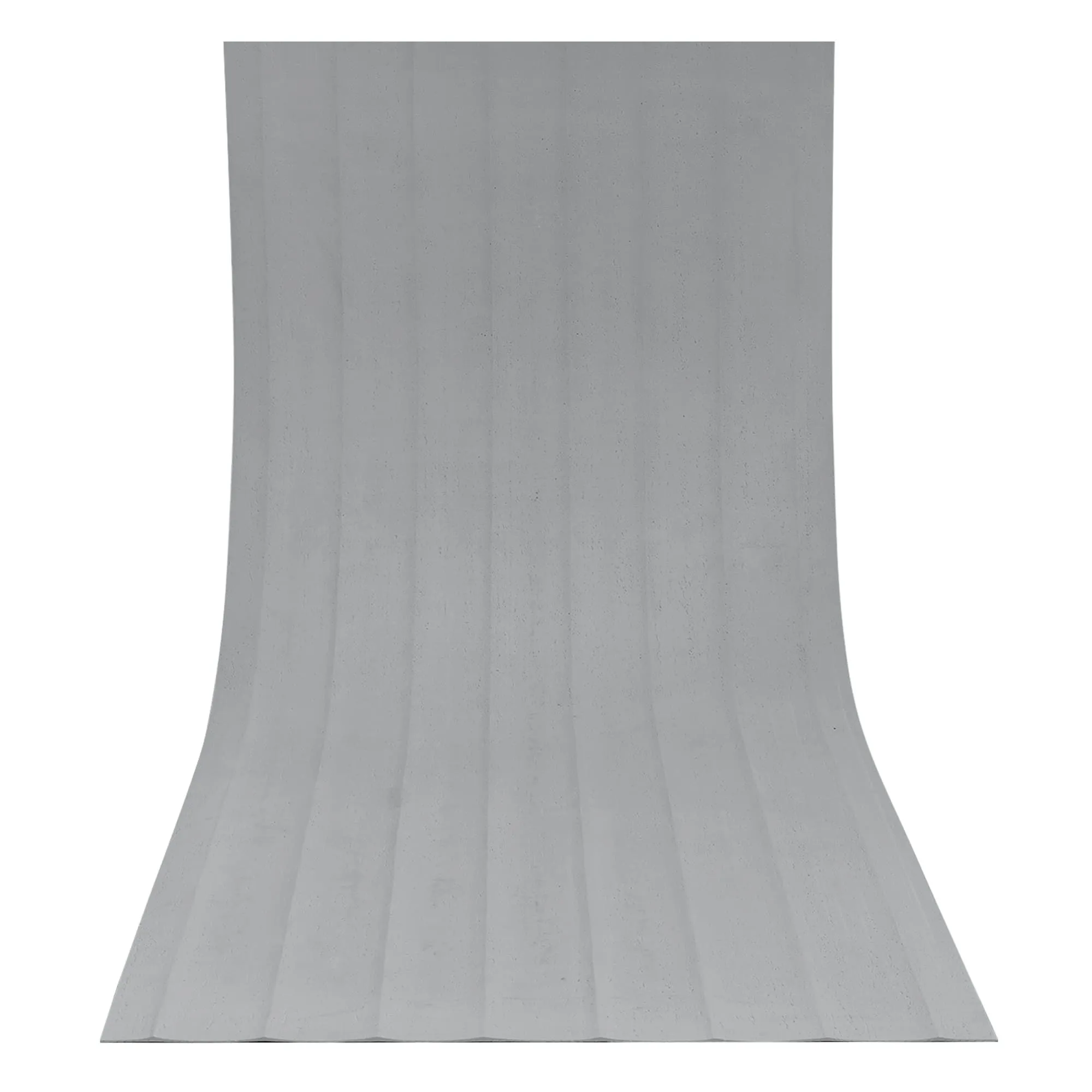
At the forefront of innovative building materials is Modified Cementitious Material (MCM). COLORIA GROUP specializes in providing a diverse range of MCM products, offering them as a leading one-stop solution provider for both residential and commercial projects globally. MCM is not just another material; it's a game-changer, ingeniously engineered to combine the best properties of natural stone and traditional ceramics with enhanced flexibility, lighter weight, and superior environmental credentials.
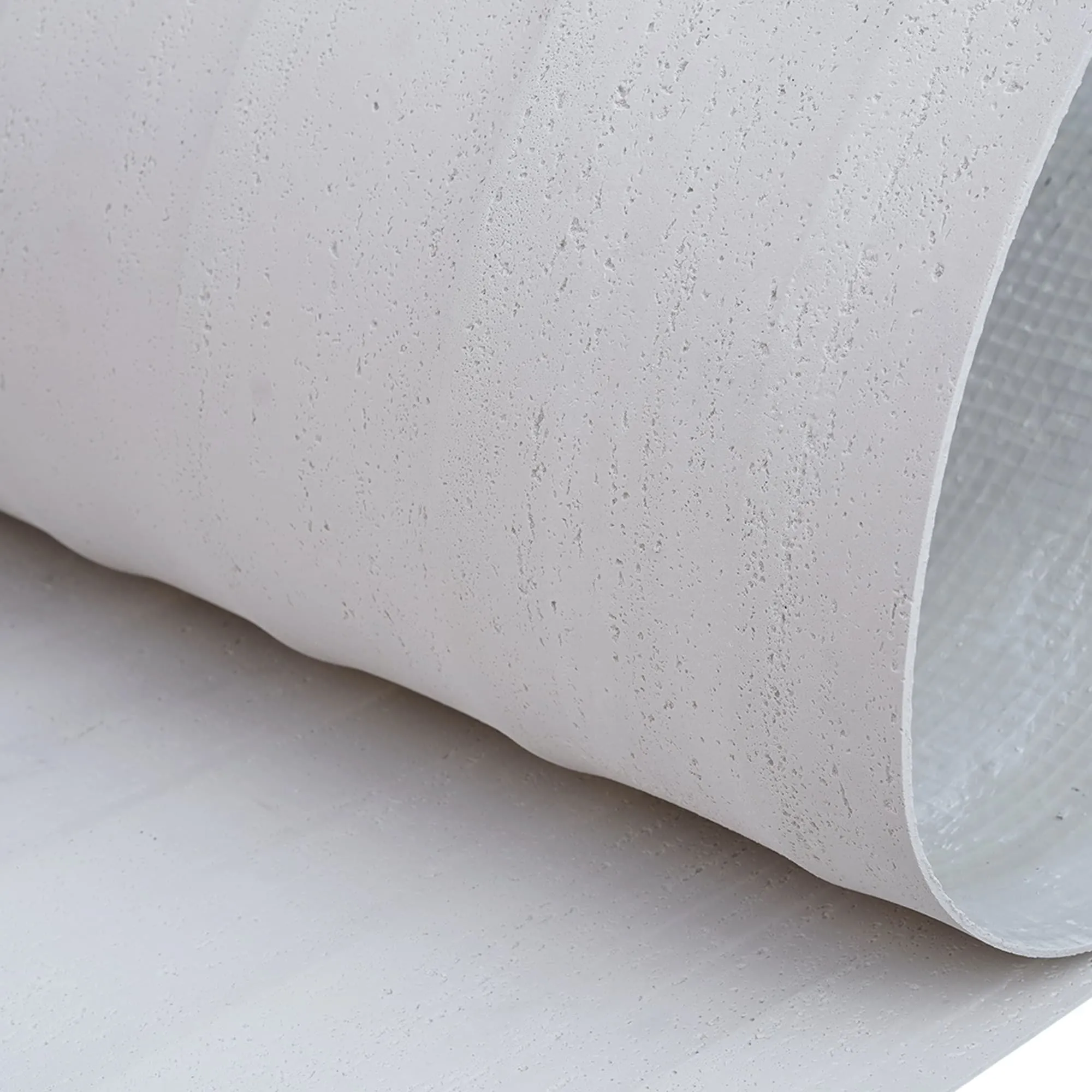
MCM is primarily composed of natural mineral powders, plant fibers, and other environmentally friendly polymers, processed through a specialized low-temperature baking technology. This results in a material that is incredibly versatile, durable, and aesthetically pleasing. For commercial kitchens, its benefits are particularly compelling, offering a distinct advantage over conventional materials.
The core strength of MCM lies in its inherent durability. Unlike traditional ceramics that can chip or crack under impact, or painted surfaces that can peel and scratch, MCM offers a robust surface that stands up to the rigors of a commercial kitchen. It possesses excellent compressive and flexural strength, meaning it can absorb impacts without showing damage. This resistance to physical stress is crucial in a busy kitchen where accidents can happen.
Furthermore, MCM exhibits exceptional resistance to abrasion. This means that regular cleaning, even with abrasive pads or brushes, will not degrade the surface or diminish its aesthetic appeal over time. This longevity translates directly into cost savings, as there's less need for frequent repairs or replacements.
This is where MCM truly shines, especially for commercial kitchen backsplashes . Its unique composition makes it highly resistant to water absorption. Unlike porous materials that can wick moisture and become breeding grounds for mold, mildew, and bacteria, MCM's dense, non-porous surface acts as an impenetrable barrier. This feature is critical for maintaining the stringent hygiene standards required in food preparation areas.
The ability of MCM to withstand constant humidity and direct water exposure without degradation is a significant advantage. It won't swell, rot, or delaminate, ensuring the structural integrity and aesthetic consistency of the backsplash over many years. This is particularly important for areas around sinks, dishwashers, and steaming equipment, which are quintessential high-moisture areas .
As discussed, commercial kitchens rely on powerful cleaning agents. MCM is engineered to resist a wide range of chemicals, from strong detergents to sanitizers, without staining, etching, or losing its color. This chemical resistance ensures that the backsplash remains pristine and hygienic, even after repeated exposure to harsh cleaning protocols.
Additionally, its non-porous nature prevents common kitchen stains – from tomato sauce to turmeric – from penetrating the surface, making cleanup a breeze. A simple wipe is often all that's needed to restore its original appearance.
The rapid temperature changes near cooking ranges can be detrimental to many materials. MCM's composition provides excellent thermal stability, allowing it to expand and contract minimally with temperature fluctuations. This prevents cracking, warping, and other forms of thermal stress damage, ensuring the backsplash remains intact and visually uniform despite the heat.
In an era where sustainability is paramount, MCM stands out as an environmentally conscious choice. COLORIA GROUP is committed to green environmental protection , and MCM aligns perfectly with this philosophy. It typically uses natural, abundant raw materials and is manufactured through a low-energy, low-emission process. Its lightweight nature also reduces transportation costs and carbon footprint. Choosing MCM contributes to LEED certification points and enhances a commercial establishment's eco-friendly profile, an increasingly important consideration for businesses and consumers alike.
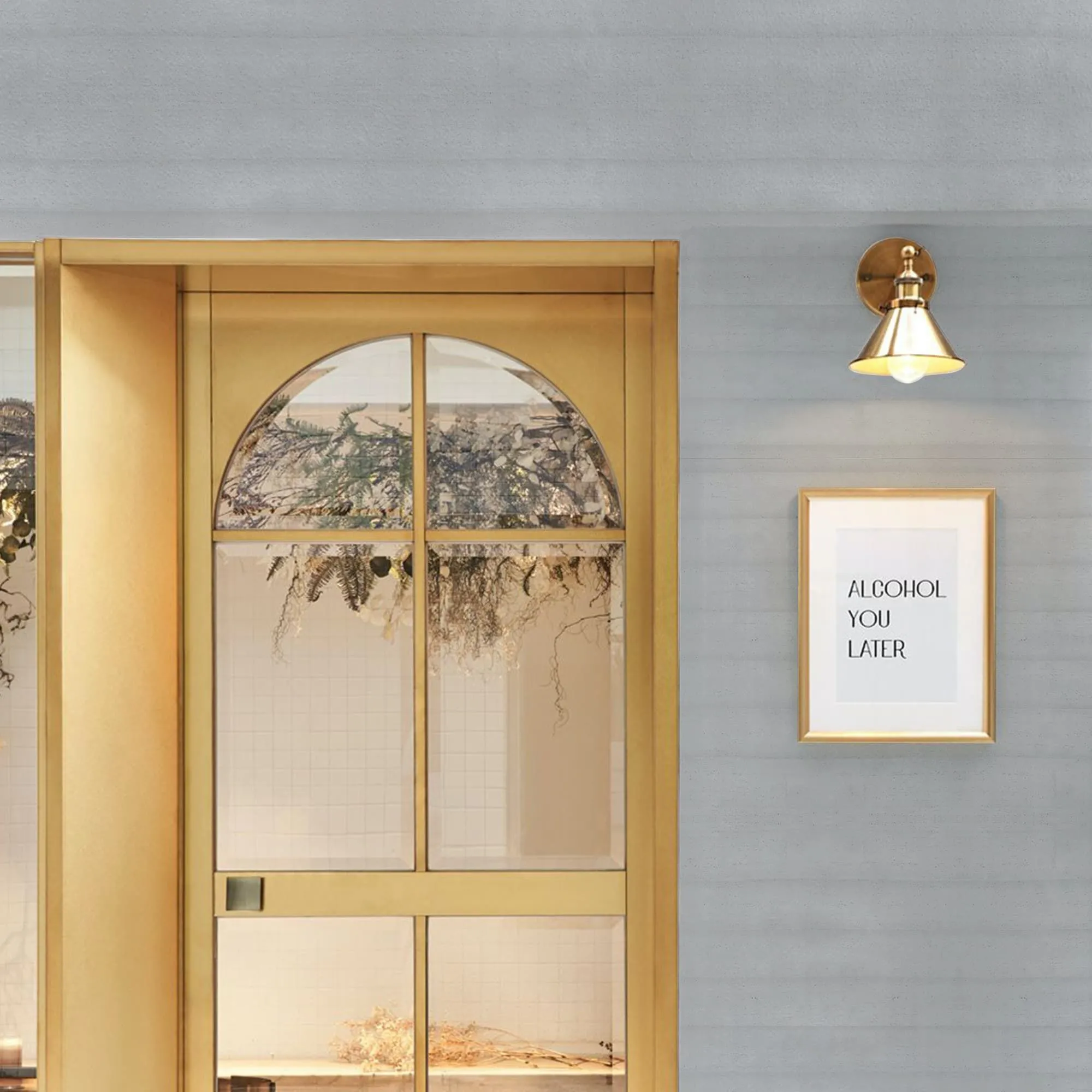
While durability and performance are critical, aesthetics cannot be overlooked. Wave panels, especially those made from MCM, introduce a dynamic visual element to the kitchen. The subtle undulations of a wave panel add texture and depth, transforming a utilitarian space into something more engaging and visually sophisticated.
COLORIA GROUP 's MCM product line includes several options that can be adapted for backsplashes, offering immense design flexibility:
The inherent flexibility of MCM as a material, particularly in products like MCM Flexible Stone , also facilitates easier installation around corners and irregular surfaces, which can be common in complex commercial kitchen layouts. This reduces installation time and potential for errors.
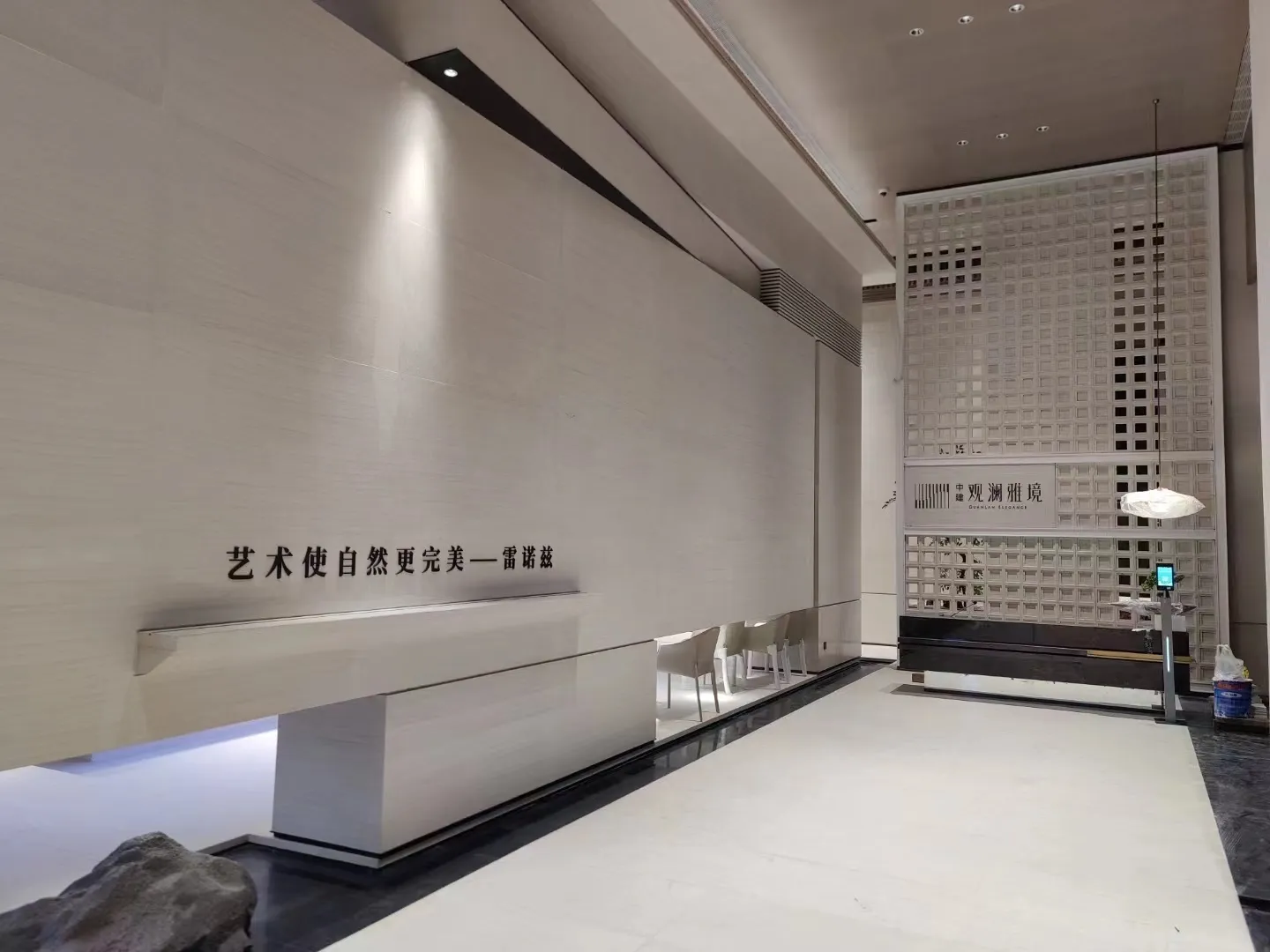
To fully appreciate the advantages of MCM wave panels, a brief comparison with traditional materials often used for commercial kitchen backsplashes is insightful.
| Feature/Material | MCM Wave Panels | Ceramic/Porcelain Tiles | Stainless Steel | Laminate/HPL |
|---|---|---|---|---|
| Durability (Impact/Abrasion) | Excellent: Highly resistant to chips, cracks, scratches. | Good: Can chip/crack under heavy impact; grout is vulnerable. | Good: Dent-resistant; scratches visible over time. | Poor: Easily scratches, chips, vulnerable to heat. |
| Moisture Resistance | Excellent: Non-porous, impervious to water, mold/mildew resistant. | Good (tiles): Excellent; but grout lines are highly porous. | Excellent: Non-porous, completely waterproof. | Poor: Swells/delaminates with moisture exposure, especially at seams. |
| Chemical Resistance | Excellent: Withstands strong cleaning agents without degradation. | Good (tiles): Excellent; grout can degrade/stain. | Good: Some strong acids can stain; susceptible to chlorine pitting. | Poor: Stains easily, can be damaged by harsh chemicals. |
| Hygiene & Maintenance | Excellent: Non-porous, seamless options, very easy to clean. | Good (tiles): Easy to clean; grout lines are bacteria traps. | Excellent: Non-porous, easy to wipe down; shows fingerprints. | Poor: Hard to sanitize, prone to bacterial growth when damaged. |
| Aesthetics & Customization | Excellent: Diverse textures, colors, 3D patterns (wave panels), custom designs. | Good: Wide range of colors/patterns, but limited 3D effects. | Limited: Industrial look, can be polished/brushed. | Moderate: Many patterns, but lacks premium feel and texture. |
| Environmental Impact | Low: Natural raw materials, low energy production, recyclable. | Moderate: High energy production, can be heavy. | Moderate: Energy-intensive production, recyclable. | High: Petroleum-based, difficult to recycle. |
| Installation | Relatively Easy: Lightweight, flexible, can be large format. | Moderate: Time-consuming (grouting), heavy. | Moderate: Requires skilled welding/fabrication for seamless look. | Easy: Lightweight, simple cutting, but seams are an issue. |
This comparison clearly illustrates MCM's superior position, particularly for commercial kitchen backsplashes in high-moisture areas . It combines the aesthetic versatility of tiles with the hygienic properties of stainless steel, all while surpassing both in terms of impact resistance, environmental sustainability, and ease of maintenance.
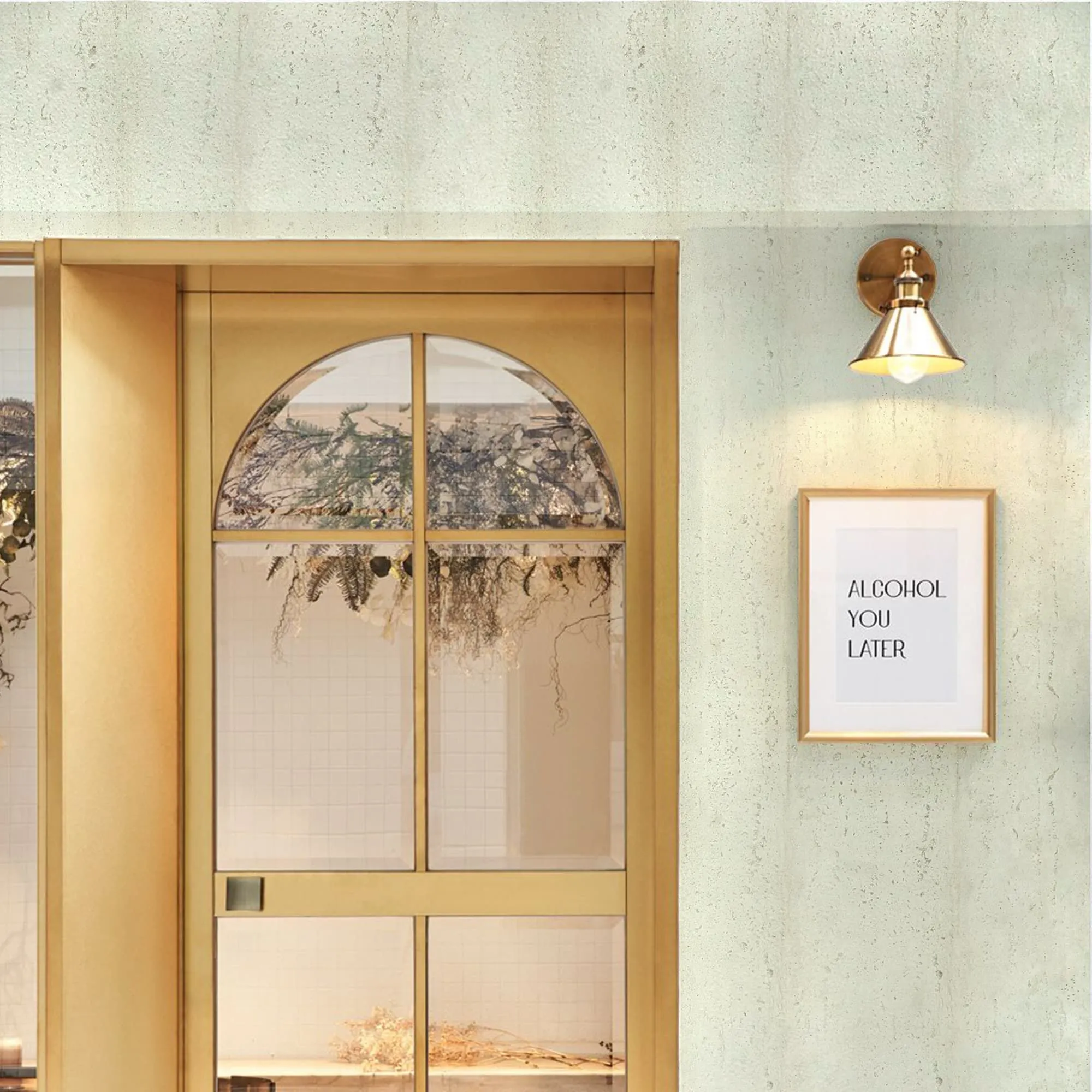
Choosing MCM for your commercial kitchen backsplashes is a smart move, but choosing COLORIA GROUP as your partner is an even smarter one. As a dedicated one-stop solution provider , COLORIA GROUP offers more than just exceptional materials; it provides comprehensive support from concept to completion.
When integrating MCM wave panels into a commercial kitchen design, several practical points should be considered to maximize their benefits:
The inherent adaptability of MCM means it can be integrated into various design schemes, from minimalist and sleek to more elaborate and textured. Its ability to mimic natural materials with enhanced performance opens up a world of possibilities for designers and architects looking to create functional yet inspiring commercial kitchen environments.
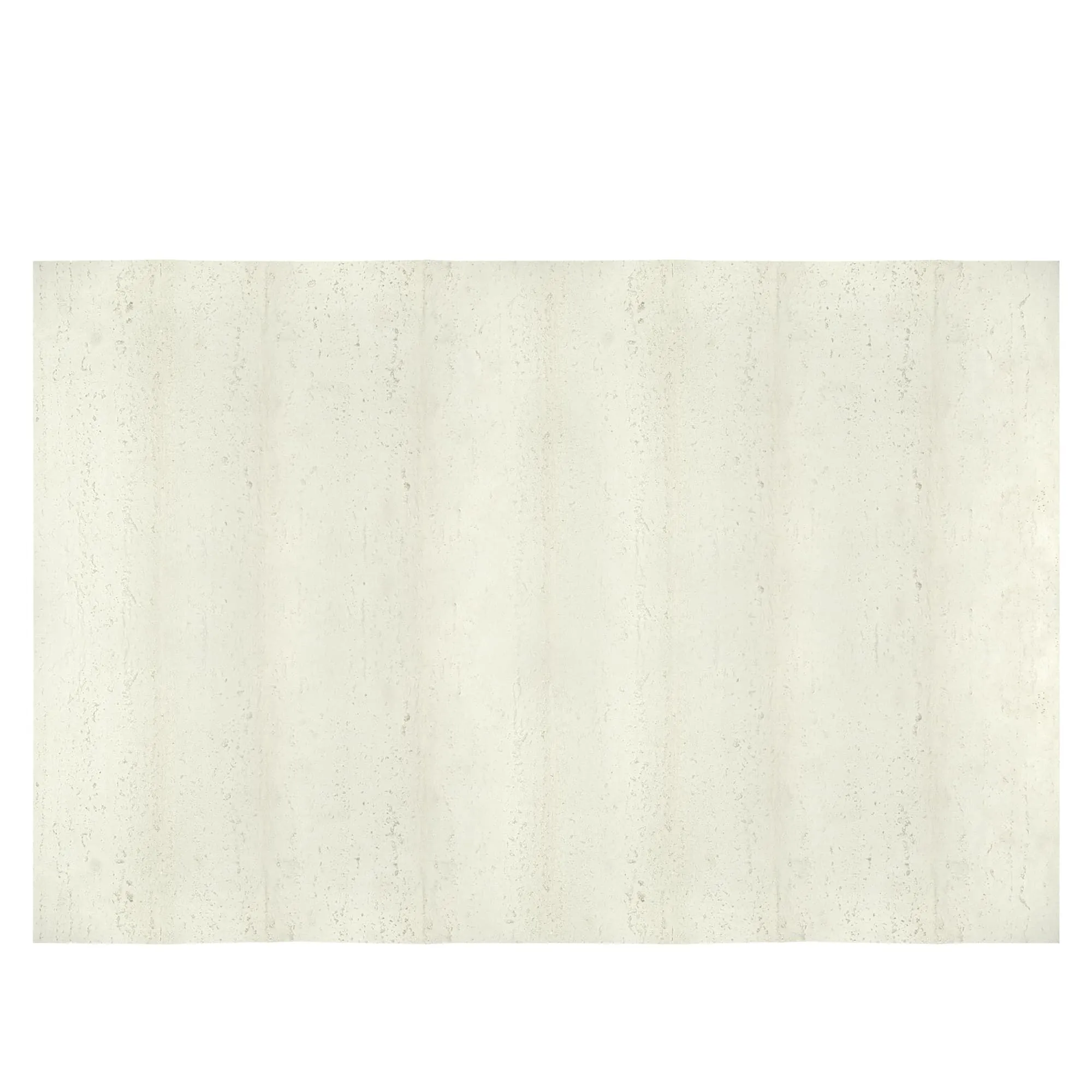
As the food service industry continues to evolve, so do the expectations for kitchen infrastructure. There's a growing demand for materials that are not only high-performing but also sustainable, aesthetically versatile, and easy to maintain. MCM wave panels meet all these criteria, positioning them as a leading choice for the future of commercial kitchen design.
The transition from purely functional to aesthetically integrated spaces is a defining trend. Commercial kitchens are increasingly becoming showcases, especially in open-concept restaurants or those with visible prep areas. In such scenarios, the design of every surface, including backsplashes, plays a crucial role in creating a cohesive brand experience. MCM wave panels offer that perfect blend of high-end appearance and industrial-grade resilience, making them an indispensable asset for modern establishments.
Moreover, the focus on health and safety will only intensify. Materials that inherently resist bacterial growth, are easy to sanitize, and withstand rigorous cleaning regimes will become standard. MCM, with its non-porous nature and chemical resistance, is perfectly aligned with these evolving regulatory and consumer expectations. This proactive approach to material selection ensures that commercial kitchens are not just compliant but truly optimized for safety and efficiency.
The decision of what material to use for commercial kitchen backsplashes is far from trivial. It impacts hygiene, durability, maintenance, and ultimately, the operational success and aesthetic appeal of a culinary space. In the relentless environment of a commercial kitchen, especially in persistently high-moisture areas , traditional materials often fall short, presenting challenges over time.
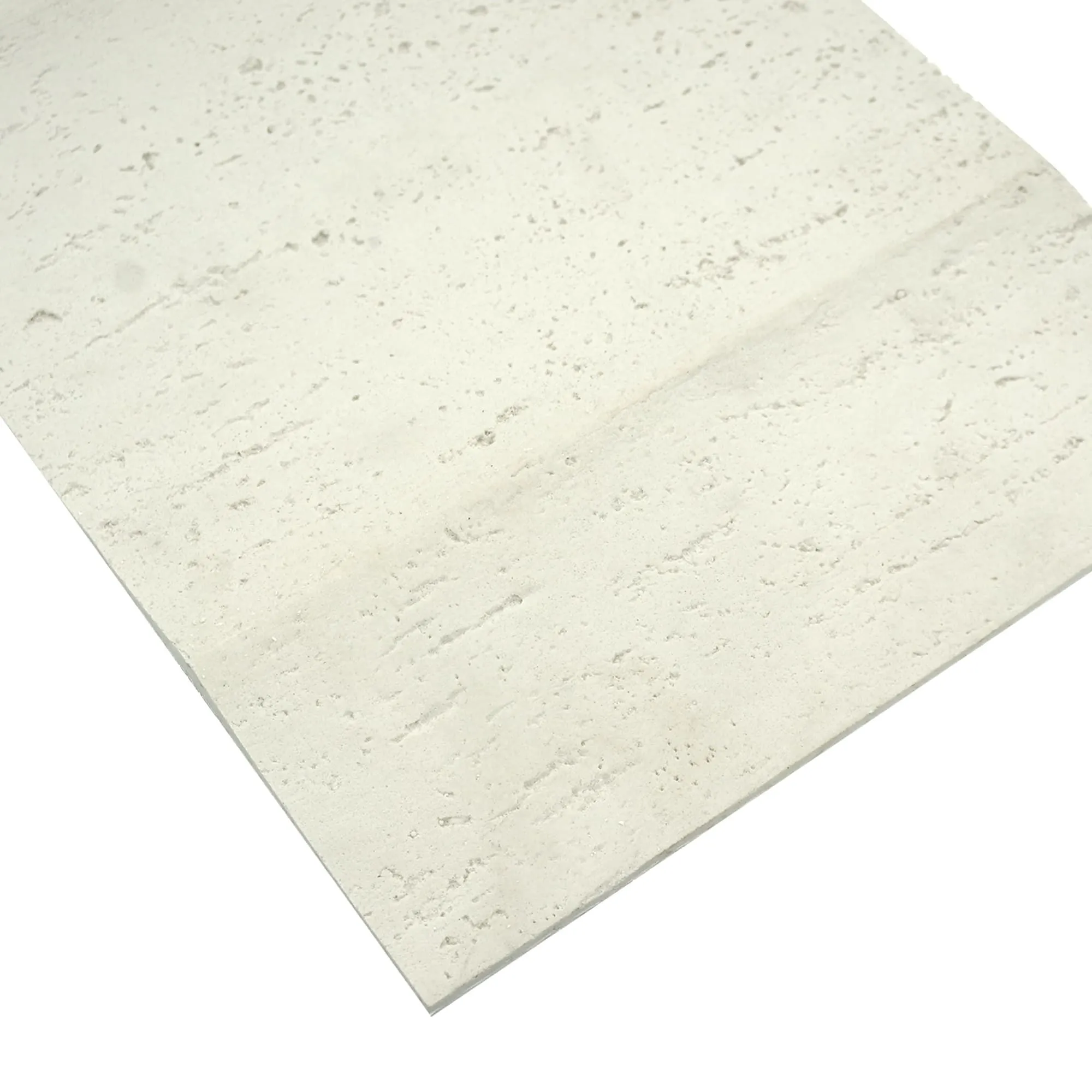
COLORIA GROUP 's MCM wave panels offer a compelling, cutting-edge solution. They combine the superior performance of Modified Cementitious Material – with its exceptional durability, moisture, chemical, and thermal resistance – with the captivating aesthetics of a textured wave design. This innovative product line, supported by COLORIA GROUP 's expertise as a one-stop solution provider and its commitment to green environmental protection , ensures that your commercial kitchen backsplashes are not just functional, but truly future-proof.
By choosing MCM wave panels, you are investing in a material that is built to last, easy to maintain, hygienic, environmentally responsible, and visually striking. It's an investment that pays dividends in terms of operational efficiency, compliance, and long-term value, allowing culinary professionals to focus on what they do best: creating exceptional food in a superior environment.
Recommend Products











