
Step into any bustling restaurant kitchen, and you'll quickly realize it's a battlefield of heat, steam, and constant motion. Grills roar, ovens hum, and pots boil—all generating temperatures that can turn ordinary walls into warped, stained, or even hazardous surfaces. In this high-stakes environment, the choice of wall materials isn't just about looks; it's about durability, safety, and keeping the heart of your restaurant running smoothly. Today, we're shining a spotlight on a material that's quietly revolutionizing commercial kitchen design: MCM Wood Line. More than just a pretty face, this modified composite material is redefining what heat-resistant walls can be—combining the warmth of wood with the toughness of industrial-grade materials. Let's dive in.
Before we get into the specifics of MCM Wood Line, let's talk about why kitchen walls deserve so much attention. In a commercial setting, walls aren't just dividers—they're workhorses. They need to withstand:
Traditional materials often fall short here. Ceramic tile, while durable, can crack from thermal shock; painted drywall peels and stains; and natural wood? It warps, chars, and becomes a breeding ground for mold. That's where MCM Wood Line steps in.
MCM (Modified Composite Material) is a blend of natural fibers, mineral fillers, and polymers, engineered to mimic the look of organic materials while boosting performance. The Wood Line variant takes this a step further, replicating the grain, texture, and warmth of real wood—without the drawbacks. Think of it as wood's "tough guy" cousin: same cozy aesthetic, but built to handle the chaos of a commercial kitchen.
At its core, MCM Wood Line owes its heat resistance to its unique composition. Most panels are reinforced with fiberglass or mineral composites (like calcium carbonate) that act as insulators, slowing heat transfer and preventing warping or melting. Unlike solid wood, which is prone to charring at high temperatures, MCM Wood Line's polymer matrix creates a barrier that resists ignition and maintains structural integrity even under prolonged heat exposure.
But here's the kicker: it doesn't sacrifice aesthetics for function. The surface is printed with hyper-realistic wood grain patterns—from light oak to dark walnut—that mimic the depth and warmth of real lumber. Run your hand over it, and you'll feel the subtle texture of wood, not the cold plastic of cheaper imitations. It's the kind of material that makes chefs pause and say, "Wait, is that real wood?" (Spoiler: It's better.)
Heat resistance is just the start. MCM Wood Line checks off other must-haves for busy kitchens:
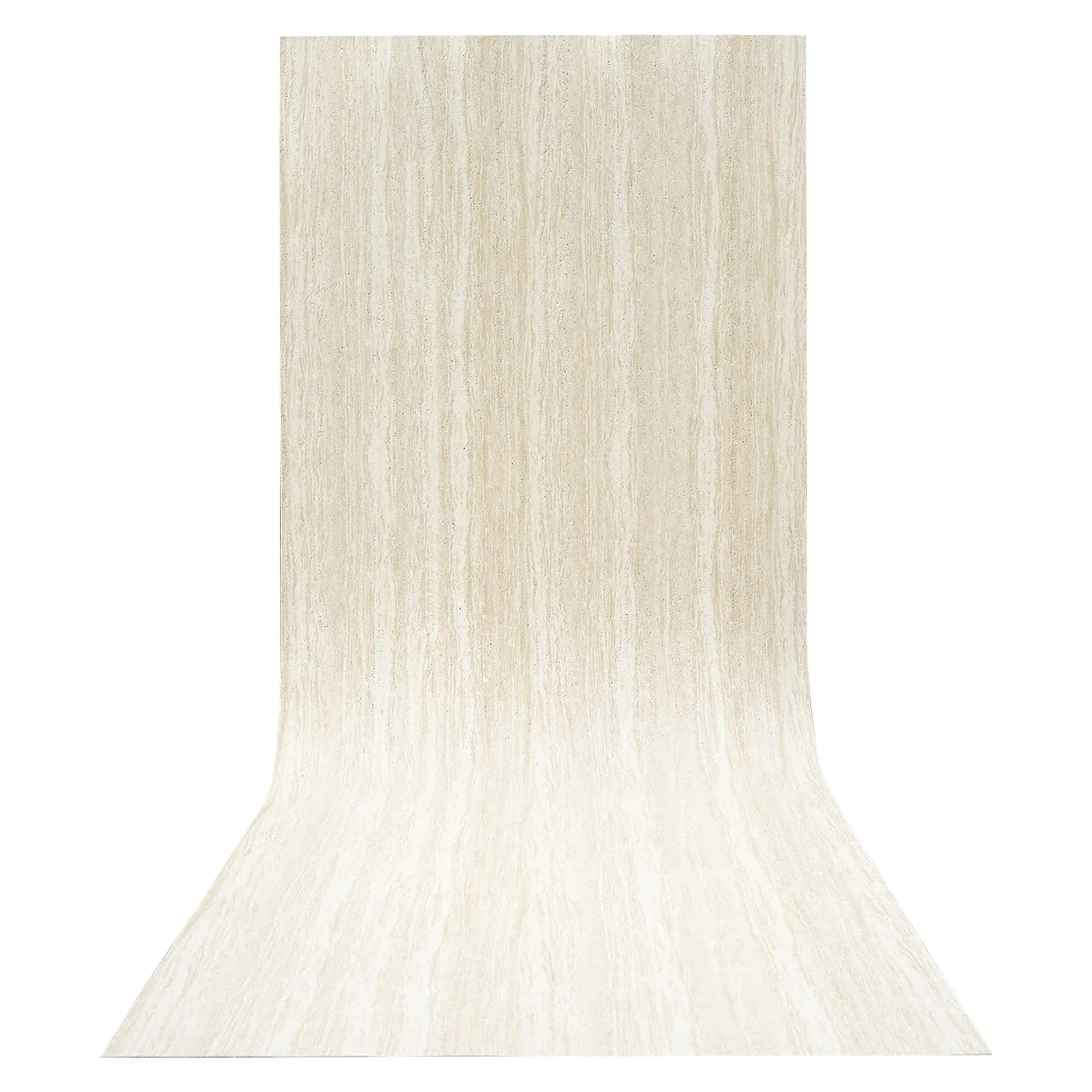
Of course, MCM Wood Line isn't the only option for heat-resistant kitchen walls. Let's compare it to two other popular choices: Fair-Faced Concrete and Rammed Earth Board —both known for their durability. We'll also throw in Travertine (Beige) , a classic natural stone, to see how they measure up.
| Material | Heat Resistance (1-10) | Moisture Resistance | Durability | Aesthetic Vibe | Cost (Per Sq Ft) | Best For |
|---|---|---|---|---|---|---|
| MCM Wood Line | 9/10 (Withstands up to 550°F) | Excellent (Non-porous, mold-resistant) | High (Scratch & impact-resistant) | Warm, organic, wood-like | $25–$40 (Medium) | Backsplashes, stove surrounds, accent walls |
| Fair-Faced Concrete | 8/10 (Withstands up to 500°F) | Good (Porous, requires sealing) | Very High (Resists cracks, abrasion) | Industrial, minimalist, raw | $15–$30 (Low-Medium) | Large wall sections, high-traffic areas |
| Rammed Earth Board | 7/10 (Withstands up to 450°F) | Fair (Porous, needs regular sealing) | Medium-High (Prone to chipping if not sealed) | Earthy, textured, rustic | $35–$50 (High) | Accent walls, low-heat zones (e.g., prep areas) |
| Travertine (Beige) | 6/10 (Withstands up to 400°F; porous, stains easily) | Poor (Highly porous, requires frequent sealing) | Medium (Scratches easily, cracks from thermal shock) | Elegant, classic, natural stone look | $40–$60 (Very High) | Low-traffic, low-heat areas (e.g., dining room transitions) |
As the table shows, MCM Wood Line strikes a sweet spot: it outperforms Travertine and Rammed Earth in heat and moisture resistance, matches Fair-Faced Concrete in durability, and adds a warmth that industrial materials lack. For commercial kitchens balancing function and ambiance, that's a winning combo.
Now that we know why MCM Wood Line works, let's talk about where to use it. Here are the key areas where this material shines:
This is ground zero for heat exposure. Whether you're running a flat-top grill or a six-burner range, the wall behind it takes the brunt of the heat. MCM Wood Line's ability to handle 550°F makes it ideal here. Unlike tile, which can crack when hit with sudden temperature changes (like a cold splash on a hot surface), MCM Wood Line stays stable. Plus, its smooth surface means grease wipes off with a soapy sponge—no more scrubbing grout lines for hours.
Prep stations are where spills happen most: tomato sauce splatters, oil drips, and water from rinsing veggies. MCM Wood Line's non-porous surface ensures these messes don't seep in—just wipe, dry, and move on. And because it's lightweight, you can install it up the full height of the wall without worrying about structural strain, creating a seamless, easy-to-clean backdrop.
Staff rushing between stations, pushing carts, or leaning against walls can wear down even tough materials. MCM Wood Line's scratch-resistant finish holds up to daily bumps and scrapes, keeping walls looking new for years. It's also impact-resistant—no more dents from a stray pot or a misplaced elbow.
Who says kitchens can't be stylish? MCM Wood Line's wood-like appearance adds warmth to an otherwise sterile space, making the kitchen feel more inviting for staff (who spend hours there) and even for tours or open-kitchen concepts. Pair it with Fair-Faced Concrete for an industrial-meets-cozy vibe, or use it to highlight a feature wall behind a chef's counter.
Ready to incorporate MCM Wood Line into your kitchen design? Here are a few pro tips to ensure it looks great and performs even better:
MCM Wood Line comes in a range of wood tones—from light ash to dark walnut—and finishes (matte, semi-gloss, or textured). For high-heat areas like stove surrounds, opt for a matte or textured finish to hide minor scratches and water spots. Lighter tones can brighten up small kitchens, while darker hues add drama and hide stains better in busy zones.
MCM Wood Line plays well with others! Mix it with:
While MCM Wood Line is moisture-resistant, applying a food-safe sealant (like a water-based polyurethane) every 1–2 years adds an extra layer of protection against grease and stains. Think of it as sunscreen for your walls—quick to apply and worth the peace of mind.
Like all materials, MCM Wood Line expands and contracts slightly with temperature changes. During installation, leave 1/8-inch gaps between panels and at the edges (caulk them with a heat-resistant silicone sealant afterward) to prevent warping.
Still on the fence? Let's hear from a restaurant that's already reaping the benefits. "Harvest & Hearth," a farm-to-table restaurant in Portland, Oregon, renovated their kitchen in 2024 with MCM Wood Line after their previous tile walls began cracking from heat stress.
Chef Ethan Carter shares: "We were hesitant at first—wood in a kitchen? It sounded like a disaster waiting to happen. But after seeing samples withstand our grill's heat for a week straight, we took the plunge. Six months later, the walls look brand new. The light maple finish warms up the space, and cleanup is a breeze. Even the health inspector commented on how clean and well-maintained they looked!"
Another example: "Burger Barn," a fast-casual chain in Texas, used MCM Wood Line in their open-kitchen concept. "We wanted customers to see the action without feeling like they're in a factory," says designer Lila Patel. "MCM Wood Line gave us that homey, 'made with care' vibe, but it's tough enough to handle our busy grill stations. We've had zero issues with heat or stains, and customers love the aesthetic."
In the world of commercial kitchen design, heat-resistant walls are non-negotiable—but they don't have to be boring. MCM Wood Line proves that you can have both: a material that stands up to the toughest conditions and adds warmth and character to your space. Whether you're designing a high-end restaurant or a cozy café, this modified composite wood brings together the best of durability, aesthetics, and practicality.
So, the next time you're planning a kitchen renovation, don't settle for walls that just "get the job done." Invest in MCM Wood Line—and give your kitchen walls the strength to keep up with the heat, the style to impress, and the heart to make your space feel like home.
Recommend Products












