
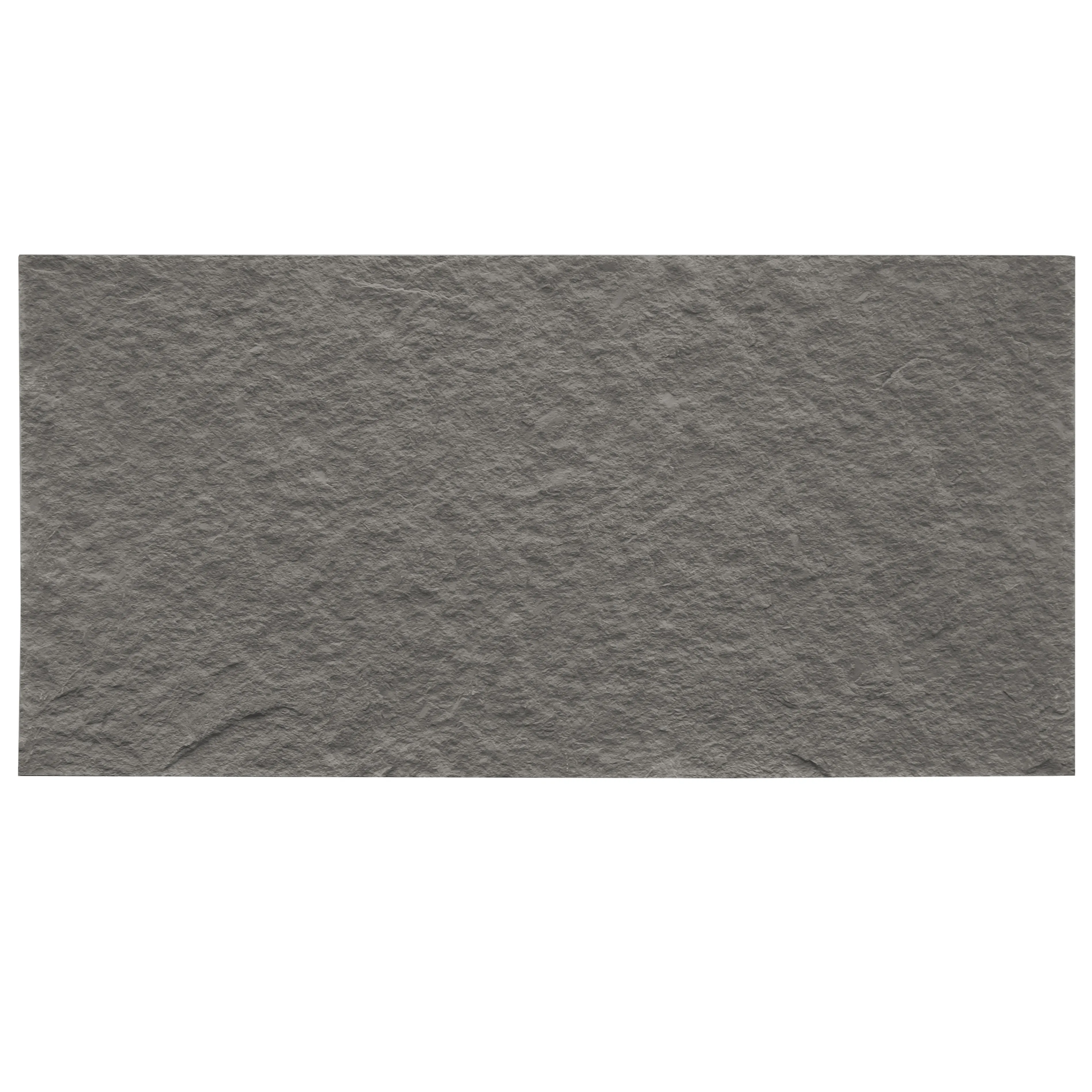
Walk into any bustling café, busy restaurant kitchen, or thriving bakery, and you'll quickly realize that commercial spaces are more than just functional hubs—they're stories told through design. Every element, from the lighting to the flooring, plays a role in shaping the atmosphere, but few features work as hard as the backsplash. Tucked between countertops and cabinets, it's the unsung hero that balances practicality with personality, protecting walls from splatters while setting the tone for the entire space. Today, we're diving into a material that's been turning heads in commercial design circles: rough granite stone (medium grey) . It's not just a surface—it's a statement. Let's explore why this unassuming stone is becoming a go-to choice for chefs, designers, and business owners alike.
Before we zoom in on our star material, let's talk about why backsplashes deserve the spotlight. In commercial kitchens, where heat, moisture, and spills are part of the daily grind, a backsplash isn't a luxury—it's a necessity. It shields walls from grease splatters during sautéing, steam from boiling pots, and stains from tomato sauce or coffee spills. But in 2025, functionality alone isn't enough. Customers notice details, and a well-chosen backsplash can reinforce a brand's identity: a cozy bakery might lean into warm woods, while a sleek downtown bistro could opt for industrial concrete. The best backsplashes do double duty: they're tough enough to handle the chaos of a busy kitchen and beautiful enough to make guests (and staff!) pause and appreciate the space.
Granite has long been a staple in kitchens, but rough granite stone (medium grey) isn't your average polished slab. Its defining feature? Texture. Unlike smooth, shiny granite, this stone retains a natural, slightly uneven surface—think of it as nature's own brushstroke. Run your hand over it, and you'll feel the subtle grooves and ridges, a reminder of the earth's slow, deliberate process of creating something durable and unique. Medium grey, meanwhile, hits the sweet spot between bold and understated: it's dark enough to hide minor spills (hello, coffee drips!) but light enough to reflect light, preventing the space from feeling cramped or gloomy.
What truly sets this material apart, though, is its versatility. It plays well with a range of design styles, from industrial chic to rustic warmth, and it's built to last. Granite is one of the hardest natural stones on the planet, ranking 6-7 on the Mohs scale (for context, marble is a 3-4). That means it can stand up to high heat from stovetops, resist scratches from metal utensils, and shrug off acidic spills (we're looking at you, lemon juice). For commercial kitchens, where equipment runs for hours and surfaces take a beating, that durability is non-negotiable.
Let's get down to brass tacks: what makes rough granite stone (medium grey) a smart choice for commercial settings? Let's break it down:
One of the joys of designing with rough granite stone (medium grey) is watching it play off other materials. It's a team player, enhancing the best qualities of its neighbors while holding its own. Let's explore a few winning combinations that are making waves in commercial design:
| Pairing Material | Aesthetic Vibe | Best For | Pro Tip |
|---|---|---|---|
| Fair-Faced Concrete | Modern industrial: Think exposed beams, metal fixtures, and a no-fuss, utilitarian charm. | Downtown bistros, craft breweries, or sleek coffee roasters. | Add warm pendant lights to soften the "cold" industrial edge—balance is key! |
| Wood Grain Board | Rustic warmth: The stone's rough texture contrasts beautifully with the smooth, organic lines of wood. | Country-style cafes, bakeries, or farm-to-table restaurants. | Opt for light-toned wood (like oak or maple) to keep the space feeling airy. |
| Travertine (Beige) | Soft elegance: Beige travertine adds a subtle, earthy warmth, toning down the stone's grey for a more approachable feel. | Family-friendly diners, brunch spots, or upscale casual eateries. | Use travertine for accent walls or countertops to complement, not compete with, the granite. |
Take, for example, a small bakery in Portland that paired rough granite stone (medium grey) backsplashes with wood grain board cabinetry. The result? A space that feels both sturdy (perfect for early-morning baking marathons) and inviting (customers can't resist snapping photos of the rustic countertop display). Or consider a downtown restaurant that combined the stone with fair-faced concrete walls and metal bar stools—the industrial vibes young professionals, while the stone's texture adds a touch of warmth that keeps the space from feeling too "cold."
So, you're sold on rough granite stone (medium grey) —now what? Let's talk about getting it from the quarry to your kitchen wall. First, installation: in commercial settings, it's almost always best to hire a professional. Why? Granite is heavy, and improper installation can lead to cracks or loose tiles down the line. A pro will also ensure the stone is sealed correctly—a crucial step that prevents stains and moisture damage. Sealing should be done once a year (more often if the kitchen is extra busy), using a high-quality stone sealer designed for porous surfaces.
Maintenance, thankfully, is a breeze. For day-to-day cleaning, stick to mild dish soap and warm water—avoid harsh chemicals like bleach or ammonia, which can strip the sealant. For tougher stains (we're looking at you, burnt-on grease), a soft-bristle brush and a paste of baking soda and water should do the trick. And remember: the rough texture means it's okay if it's not perfectly spotless all the time. In fact, those minor "character marks" only add to its charm, telling the story of the meals cooked and memories made in the space.
Don't just take our word for it—let's look at how real businesses are leveraging rough granite stone (medium grey) to elevate their spaces. Take "The Rustic Spoon," a farm-to-table restaurant in Denver. Their open kitchen features a 12-foot backsplash of the stone, paired with travertine (beige) countertops and reclaimed wood beams. Chef Maria Lopez explains, "We wanted a space that felt connected to the land—like the food we serve. The granite's texture reminds me of the rocky Colorado mountains, and the beige travertine softens it, making guests feel at home."
Then there's "Brew & Co.," a craft brewery in Seattle. Their industrial-style taproom uses the stone alongside fair-faced concrete walls and metal kegs as decor. Owner Jake Thompson notes, "We get a lot of compliments on the backsplash. It's tough enough to handle the occasional beer spill, and the grey color ties into our brand's color scheme. Plus, it looks amazing in photos—our Instagram followers can't get enough of it."
In the world of commercial kitchen design, materials aren't just about function—they're about storytelling. Rough granite stone (medium grey) tells a story of durability, of nature's patience, and of balance: it's tough enough to handle the chaos of a busy kitchen and beautiful enough to make the space feel intentional. Whether paired with wood grain board for warmth, fair-faced concrete for edge, or travertine (beige) for softness, it adapts, elevates, and endures.
So, if you're designing a commercial kitchen and searching for a backsplash that checks all the boxes—tough, timeless, and full of character—look no further. This stone isn't just a surface; it's a partner in creating spaces where food, function, and feeling come together. And in the end, isn't that what great design is all about?
Recommend Products












