
If you've ever stepped into a commercial kitchen during dinner rush, you know it's organized chaos. Pots clatter, chefs call out orders, and everywhere you look, surfaces are under attack—a splatter of tomato sauce here, a drizzle of olive oil there, a dropped lemon that leaves a sticky trail. In these high-pressure environments, the last thing anyone needs is a countertop or backsplash that can't keep up. The surfaces in a commercial kitchen don't just need to look good; they need to perform —resisting stains, standing up to heat, and enduring constant scrubbing. For years, this has been a tough balance to strike. But today, there's a material that's changing the game: MCM's Roman huge travertine, backed by their innovative flexible stone and big slab board series. Let's dive into why this combination is becoming the go-to choice for chefs and restaurant owners who refuse to compromise on durability or style.
Walk into most commercial kitchens, and you'll likely find one of a few common surfaces: marble, granite, standard travertine, or even fair-faced concrete. Each has its perks, but none quite hit the mark for the unique demands of a busy kitchen. Let's break it down:
The bottom line? Traditional materials force kitchen managers to choose: either sacrifice durability for aesthetics, or settle for something tough but uninspiring. Until now.
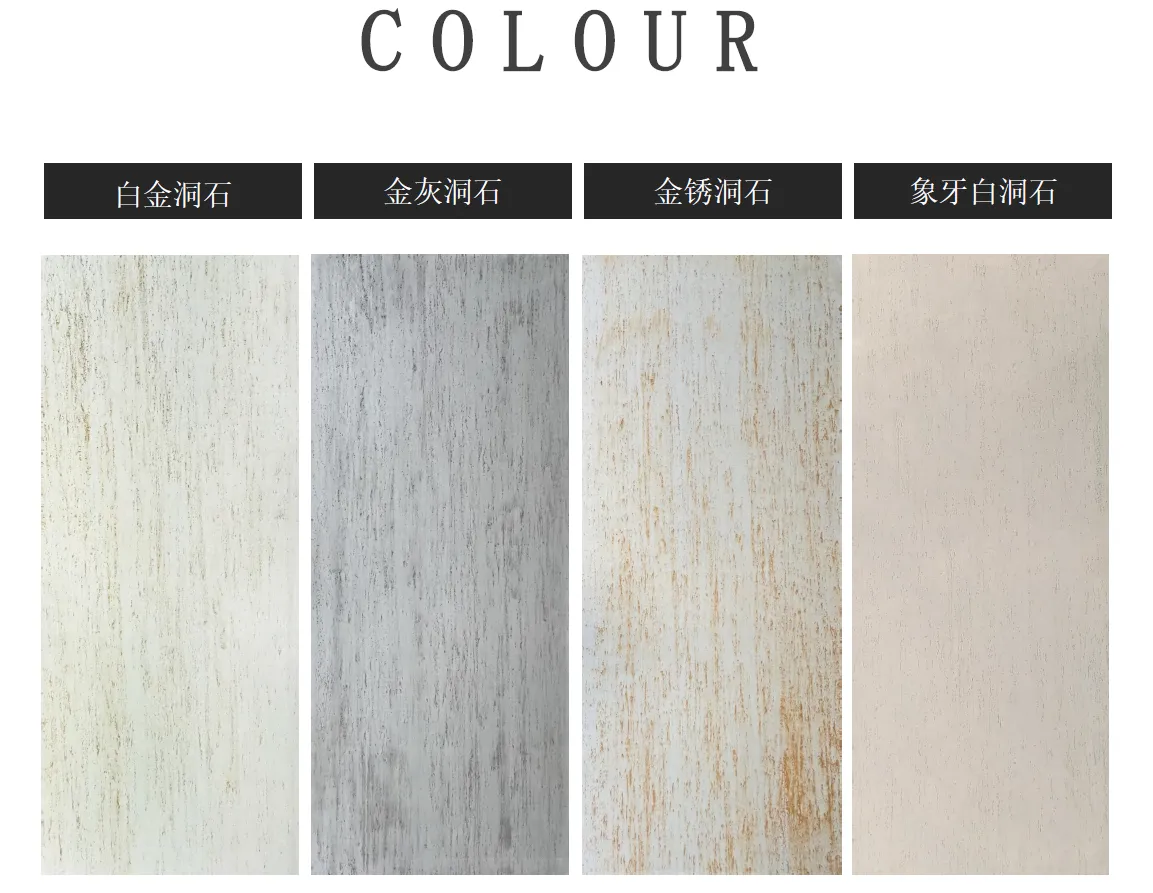
What if there was a stone that combined the timeless appeal of natural travertine with the toughness needed to thrive in a commercial kitchen? That's where MCM's Roman huge travertine comes in. Drawing inspiration from the grand travertine structures of ancient Rome—think the Colosseum, with its weathered yet enduring beauty—MCM has reimagined this classic stone for the demands of modern culinary spaces. But this isn't just "travertine as usual." Thanks to MCM's engineering, Roman huge travertine addresses every pain point of traditional surfaces, starting with the one that matters most in kitchens: stain resistance .
So, what makes it different? Let's start with the basics. Natural travertine is formed from mineral-rich hot springs, which gives it those iconic pores and channels. MCM's Roman huge travertine retains that natural texture (because let's be honest, that's part of its charm) but modifies it at the manufacturing stage. Using advanced composite technology, they seal those pores without sacrificing the stone's breathability, creating a surface that repels liquids instead of absorbing them. It's like giving the travertine a built-in shield—one that stands up to ketchup, motor oil, coffee, and even the dreaded turmeric spill.
Roman huge travertine doesn't work alone. It's part of MCM's broader lineup of solutions designed for real-world use, including their flexible stone and big slab board series. These two innovations take the material from "good" to "game-changing."
First, MCM flexible stone . Traditional stone slabs are rigid and heavy, making installation a logistical nightmare—especially in older buildings or kitchens with uneven walls. MCM's flexible stone, by contrast, is lightweight and bendable, adapting to curves, corners, and even vertical surfaces like backsplashes with ease. This flexibility cuts down on installation time (and labor costs) and reduces the risk of cracks during transport or fitting. In a kitchen where downtime means lost revenue, that's a huge win.
Then there's the MCM big slab board series . Picture this: instead of installing dozens of small tiles with grout lines that trap food particles and bacteria, you can cover large areas with single, seamless slabs. Fewer seams mean fewer places for dirt to hide, making cleanup faster and more thorough. For example, a 10-foot kitchen island can be covered with just two or three big slabs, eliminating the need for constant grout scrubbing. It's a simple change, but it transforms how easy (and hygienic) a kitchen surface can be to maintain.
Still not convinced Roman huge travertine is right for your kitchen? Let's put it head-to-head with traditional materials. The table below breaks down key factors like stain resistance, weight, and maintenance—so you can see the difference for yourself:
| Material | Stain Resistance (1-5) | Weight (kg/sqm) | Installation Ease (1-5) | Maintenance Effort |
|---|---|---|---|---|
| Traditional Marble | 2 | 25-30 | 3 | High (weekly sealing, daily deep cleaning) |
| Standard Granite | 4 | 30-35 | 2 (needs structural support) | Moderate (monthly sealing, frequent grout cleaning) |
| Regular Travertine | 3 | 20-25 | 3 | High (frequent pore cleaning, bi-weekly sealing) |
| MCM Roman Huge Travertine | 5 | 12-15 | 4 (lightweight, large slabs) | Low (annual sealing, daily wipe-down with soap and water) |
Numbers tell a story, but real-life examples speak louder. Take "Bella Vita," a family-owned Italian restaurant in downtown Chicago. Before switching to MCM's Roman huge travertine, their kitchen counters were a patchwork of stained marble and chipped granite. "We were replacing sections every six months," says head chef Marco. "The tomato sauce stains were permanent, and the grout lines between small tiles? Impossible to keep clean. Now, with the big slabs, we wipe down the counters at the end of the night, and they look brand new. Even the kids' pasta night—which used to leave rainbow-colored stains—is no match for this stuff."
Or consider "Spice Junction," a busy Indian restaurant in Houston. Their old fair-faced concrete floors and backsplashes were constantly stained by turmeric, curry, and mustard oil. "We tried everything—special cleaners, acid washes, even repainting the concrete," recalls owner Priya Patel. "Nothing worked. Then we installed MCM's flexible stone backsplashes and Roman huge travertine counters. Last week, a whole pot of vindaloo spilled during lunch rush. We grabbed a wet cloth, wiped it up, and you'd never know it happened. It's been a game-changer for our team's morale—no more stressing over stains, just focusing on cooking."
One of the biggest myths about high-performance surfaces is that they require high-maintenance care. Not so with MCM's Roman huge travertine. In fact, it's refreshingly low-effort. Here's what you need to know:
In the end, a commercial kitchen's surfaces aren't just about looks—they're about efficiency, safety, and longevity. MCM's Roman huge travertine, backed by their flexible stone and big slab board series, doesn't just meet these needs; it redefines what's possible. It's a reminder that sometimes, the best solutions are rooted in the past but reimagined for the future—much like the ancient Romans who first recognized travertine's potential, but would surely marvel at how MCM has made it ready for the chaos (and creativity) of today's commercial kitchens.
So, if you're tired of surfaces that stain, chip, or demand constant upkeep, it might be time to make the switch. After all, in a kitchen where every second counts, the last thing you should worry about is your countertops. With MCM's Roman huge travertine, you can focus on what matters most: creating amazing food, running a smooth operation, and keeping your team (and customers) happy.
Recommend Products












