
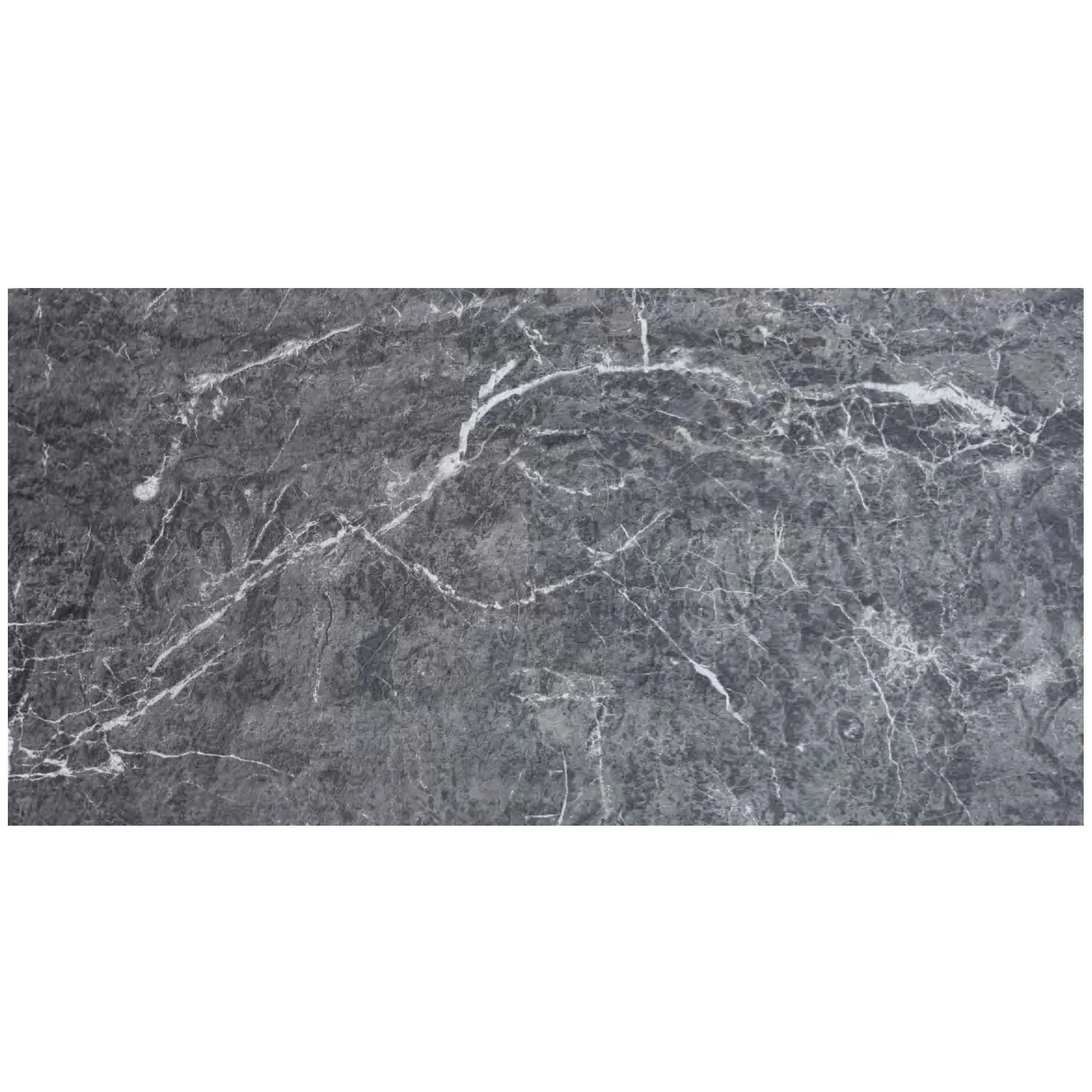
In the bustling world of commercial kitchens—where the clatter of pans, the hiss of steam, and the constant hum of activity create a symphony of productivity—every detail matters. From the layout of workstations to the efficiency of appliances, every element plays a role in keeping operations smooth. But there's one unsung hero that often gets overlooked until a spill stains the wall or a chip mars the finish: the backsplash. More than just a pretty face, commercial kitchen backsplashes are the first line of defense against grease, heat, moisture, and daily wear. They protect walls, simplify cleaning, and even set the tone for a space's aesthetic—whether that's the sleek luxury of a high-end restaurant or the cozy charm of a neighborhood cafe. Today, we're diving into two standout options for commercial kitchen backsplashes: the timeless elegance of Granite Nero Margiua and the modern versatility of the MCM Project Board Series. Let's explore how these materials stack up, so you can make a choice that balances durability, style, and practicality for your space.
Before we jump into the materials themselves, let's take a moment to appreciate why backsplashes are such a critical investment in commercial kitchens. Unlike residential kitchens, where spills might be occasional and traffic limited, commercial settings face relentless challenges. Think about a busy brunch spot on a Sunday morning: syrup drips from pancake griddles, tomato sauce splatters during peak lunch service, and hot oil pops from fryers. Add in the constant movement of chefs, servers, and bussers, and you've got a recipe for wear and tear that few materials can handle.
A well-chosen backsplash doesn't just protect walls from stains and water damage—it also streamlines maintenance. In a industry where health codes are strict and cleaning schedules are tight, a backsplash that wipes clean in seconds (instead of requiring scrubbing or special treatments) can save hours of labor each week. And let's not forget aesthetics: in commercial spaces, the kitchen is often visible to guests (think open-concept layouts or pass-through windows), making the backsplash a key part of the overall design. It's a chance to reinforce brand identity—whether that's the industrial edge of a gastropub or the warm hospitality of a family-style diner.
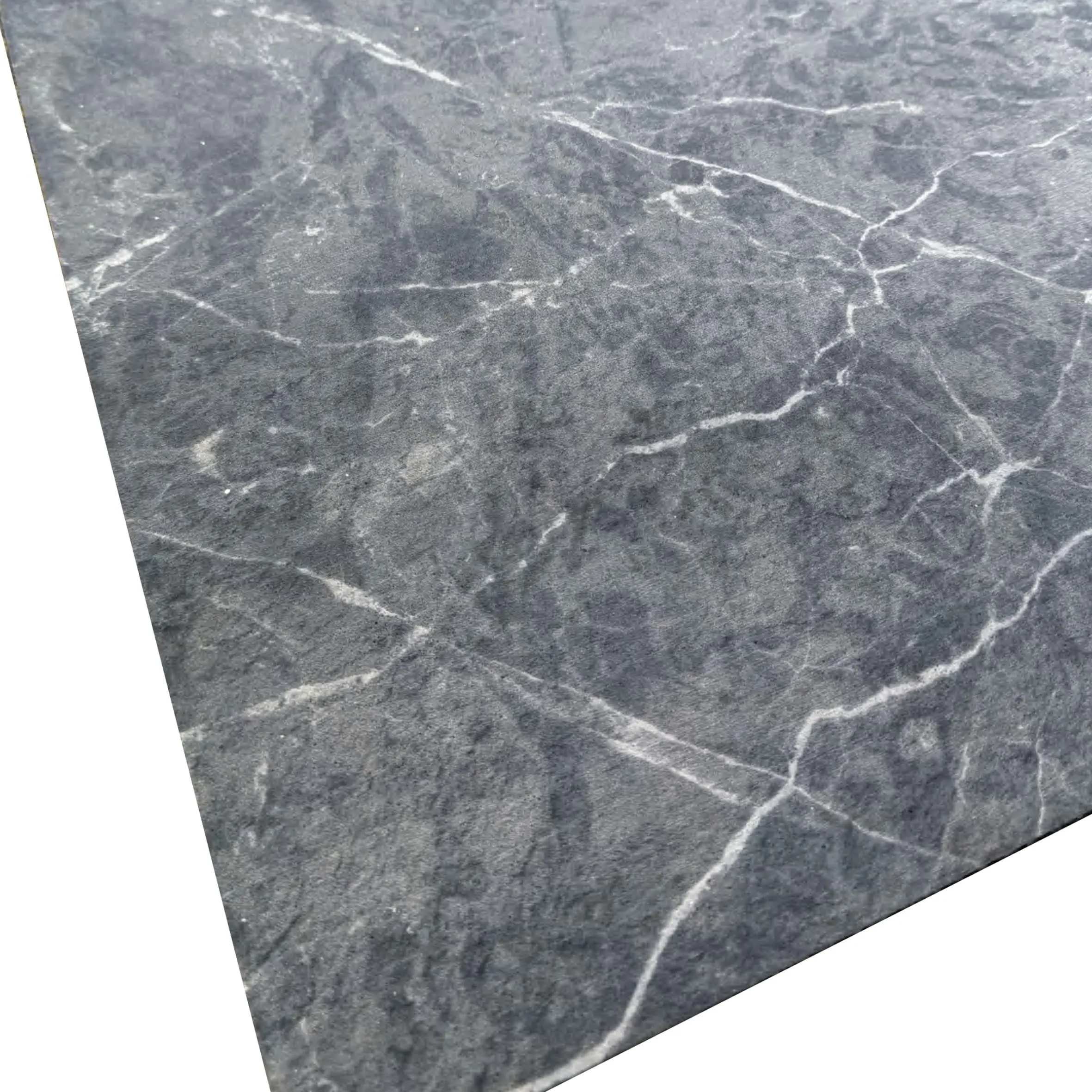
When it comes to natural stone, granite has long reigned supreme in both residential and commercial settings—and for good reason. Known for its durability and timeless beauty, granite is a igneous rock formed from slowly cooling magma, resulting in a dense, crystalline structure that's resistant to scratches, heat, and impact. Among the many granite varieties, Granite Nero Margiua stands out as a bold, sophisticated choice. With its deep black base and subtle flecks of white, gray, or gold, it exudes luxury while maintaining a neutral palette that pairs well with almost any design scheme.
Granite Nero Margiua's allure lies in its striking appearance. The stone's jet-black background provides a dramatic canvas for the mineral deposits that run through it—think tiny sparks of mica or veins of quartz that catch the light. This contrast adds depth and texture, making it a favorite for spaces that aim to feel upscale without being overly flashy. In commercial kitchens, this translates to a backsplash that elevates the entire area: imagine it paired with stainless steel appliances in a modern steakhouse, or complementing warm wooden cabinetry in a rustic Italian bistro. Its versatility means it can lean industrial, elegant, or even cozy, depending on the surrounding elements.
In commercial kitchens, durability isn't just a nice-to-have—it's a necessity. Granite Nero Margiua delivers here, thanks to its inherent strength. With a Mohs hardness rating of 6-7 (out of 10), it's resistant to scratches from knives, pots, and pans. It can also handle high temperatures, making it ideal for areas near stovetops, grills, or ovens. Unlike some materials that might warp or discolor under heat, granite remains stable, even when exposed to the occasional splatter of boiling soup or a hot pan set down briefly against the wall.
That said, no material is entirely indestructible. Granite is porous by nature, which means it can absorb liquids if not properly sealed. In a kitchen where oil, vinegar, and acidic sauces are daily hazards, this porosity requires vigilance. Without regular sealing, spills can seep in, leading to stains that are difficult—if not impossible—to remove. For busy commercial operations, this adds an extra layer of maintenance that can't be ignored.
Speaking of maintenance, Granite Nero Margiua demands attention to keep its luster intact. As mentioned, sealing is non-negotiable. Most experts recommend sealing granite backsplashes every 6-12 months, depending on usage. For high-traffic commercial kitchens, quarterly sealing might be necessary to ensure maximum protection. This process involves applying a penetrating sealer that fills the stone's pores, creating a barrier against liquids. While not overly complicated, it does require scheduling downtime—something that can be challenging in kitchens that operate 12+ hours a day.
Day-to-day cleaning is relatively straightforward: warm water and a mild, pH-neutral detergent are usually sufficient to wipe away grease and spills. Avoid harsh chemicals like bleach or ammonia, which can degrade the sealer over time. And while granite is scratch-resistant, it's not scratch-proof—dragging heavy equipment or using abrasive scrubbers can leave marks, so care is still needed during routine cleaning.
Granite Nero Margiua is a premium material, and its price tag reflects that. Costs typically range from $80 to $150 per square foot, including materials and installation. The high cost stems from several factors: the stone itself is quarried from select locations (often Italy or Brazil), and each slab is unique, requiring careful cutting and fabrication to fit specific dimensions. Installation is also labor-intensive: granite slabs are heavy (often 10-15 pounds per square foot), so they require professional installers with the tools and expertise to handle them safely. This can add to project timelines, as templating, cutting, and setting the stone can take several weeks from start to finish.
In an era where sustainability is increasingly important to businesses and consumers alike, granite's eco-credentials are a bit of a mixed bag. On the plus side, granite is a natural, long-lasting material—when properly maintained, it can last for decades, reducing the need for frequent replacements. However, quarrying granite is energy-intensive, and transporting slabs from overseas contributes to carbon emissions. Additionally, the fabrication process generates waste, though some companies now recycle or repurpose leftover stone for smaller projects. For businesses prioritizing sustainability, this might be a point of consideration.
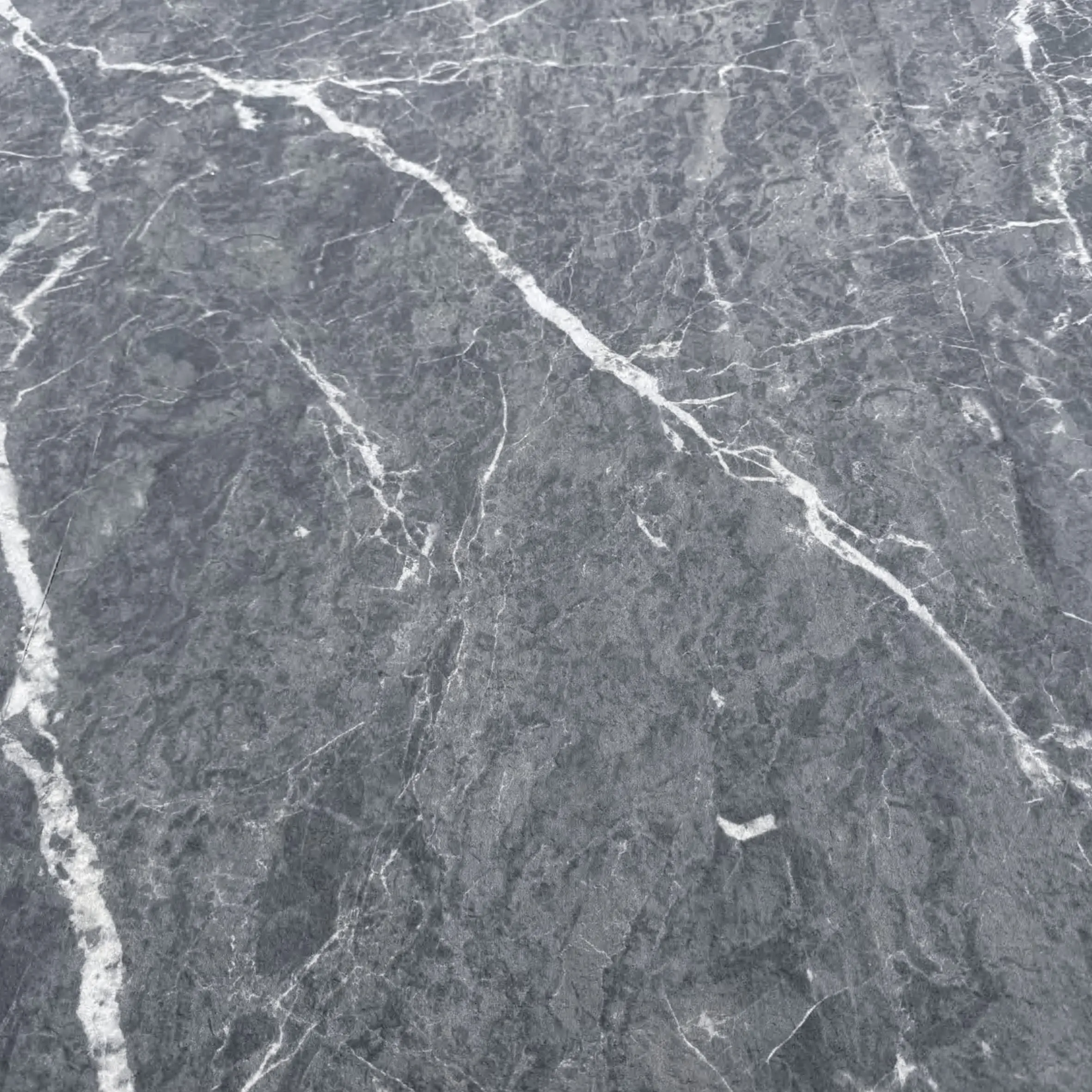
While granite has stood the test of time, the rise of composite materials has introduced a new player to the commercial kitchen backsplash game: Modified Composite Material, or MCM. Among MCM's offerings, the MCM Project Board Series has emerged as a favorite for businesses seeking durability, flexibility, and modern design. Unlike natural stone, MCM is engineered in a lab, combining mineral powders, resins, and reinforcing fibers to create a material that's lightweight, versatile, and tailored to the demands of high-traffic spaces. The Project Board Series, in particular, is designed with commercial applications in mind—think large-format panels, easy installation, and a wide range of finishes that mimic natural materials like stone, wood, or concrete.
One of the MCM Project Board Series' biggest draws is its design versatility. Unlike Granite Nero Margiua, which is limited to the natural variations of stone, MCM can be crafted to replicate almost any texture or color. Want the look of weathered wood for a cozy cafe? There's a Wood Grain Board finish. Craving the industrial edge of concrete? Fair-Faced Concrete is an option. Or perhaps you're after the sleekness of metal? The series even includes options like Foamed Aluminium Alloy Board (Vintage Silver) for a modern, metallic vibe. This flexibility means businesses can achieve their desired aesthetic without sacrificing functionality.
The Project Board Series also offers consistency—a key advantage in commercial settings where uniformity matters. Unlike natural stone, which varies from slab to slab, MCM panels are produced in batches, ensuring that the color, pattern, and texture remain consistent across an entire backsplash. This is especially useful for large kitchens or chain restaurants that want a cohesive look across multiple locations.
Don't let its lightweight nature fool you—MCM Project Board Series is built to last. Weighing in at just 3-5 pounds per square foot (compared to granite's 10-15 pounds), it's easier to handle during installation, but it's no slouch when it comes to durability. The material is non-porous, meaning it resists stains, moisture, and mold—critical in kitchens where spills are inevitable. It's also heat-resistant (up to 212°F in most cases), scratch-resistant, and impact-resistant, thanks to its composite construction. Unlike granite, it doesn't require sealing, and it won't chip or crack easily under daily use.
Take, for example, a busy fast-casual restaurant where staff are constantly rushing to keep up with orders. A stray elbow or a dropped utensil might leave a mark on granite, but MCM Project Board Series can shrug it off. Its resilience makes it a practical choice for high-traffic areas where durability and low maintenance are top priorities.
For commercial kitchen operators, time is money—and MCM Project Board Series saves plenty of both when it comes to maintenance. Because it's non-porous, cleaning is a breeze: a quick wipe with a damp cloth and mild detergent is usually all it takes to remove grease, food residue, or spills. No sealing, no special cleaners, no scrubbing. This is a game-changer for kitchens with tight schedules, where every minute spent on maintenance is a minute taken away from prepping meals or serving customers.
Another perk? MCM is resistant to chemicals, so it can stand up to the harsh cleaners often used in commercial kitchens. Unlike granite, which can etch if exposed to acidic substances like vinegar or lemon juice, MCM remains unaffected, ensuring the backsplash stays looking fresh even after years of heavy use.
When it comes to cost, MCM Project Board Series is generally more budget-friendly than Granite Nero Margiua. Prices typically range from $30 to $80 per square foot, including materials and installation. The lower cost stems from several factors: MCM is man-made, so it doesn't require expensive quarrying or transportation. It's also lightweight, which reduces shipping and installation costs. Speaking of installation, MCM panels are easy to cut, shape, and mount—they can even be installed over existing surfaces in some cases, saving time and labor. This means less downtime for the kitchen during renovation, which is a huge plus for businesses that can't afford to close for weeks on end.
For businesses focused on reducing their environmental footprint, MCM Project Board Series has an edge over natural stone. Many MCM products are made with recycled materials, such as post-consumer resin or industrial byproducts, reducing their reliance on virgin resources. Additionally, the manufacturing process is more energy-efficient than quarrying and cutting natural stone, and the lightweight panels reduce transportation emissions. MCM is also fully recyclable at the end of its lifespan, making it a more sustainable option for eco-conscious businesses.
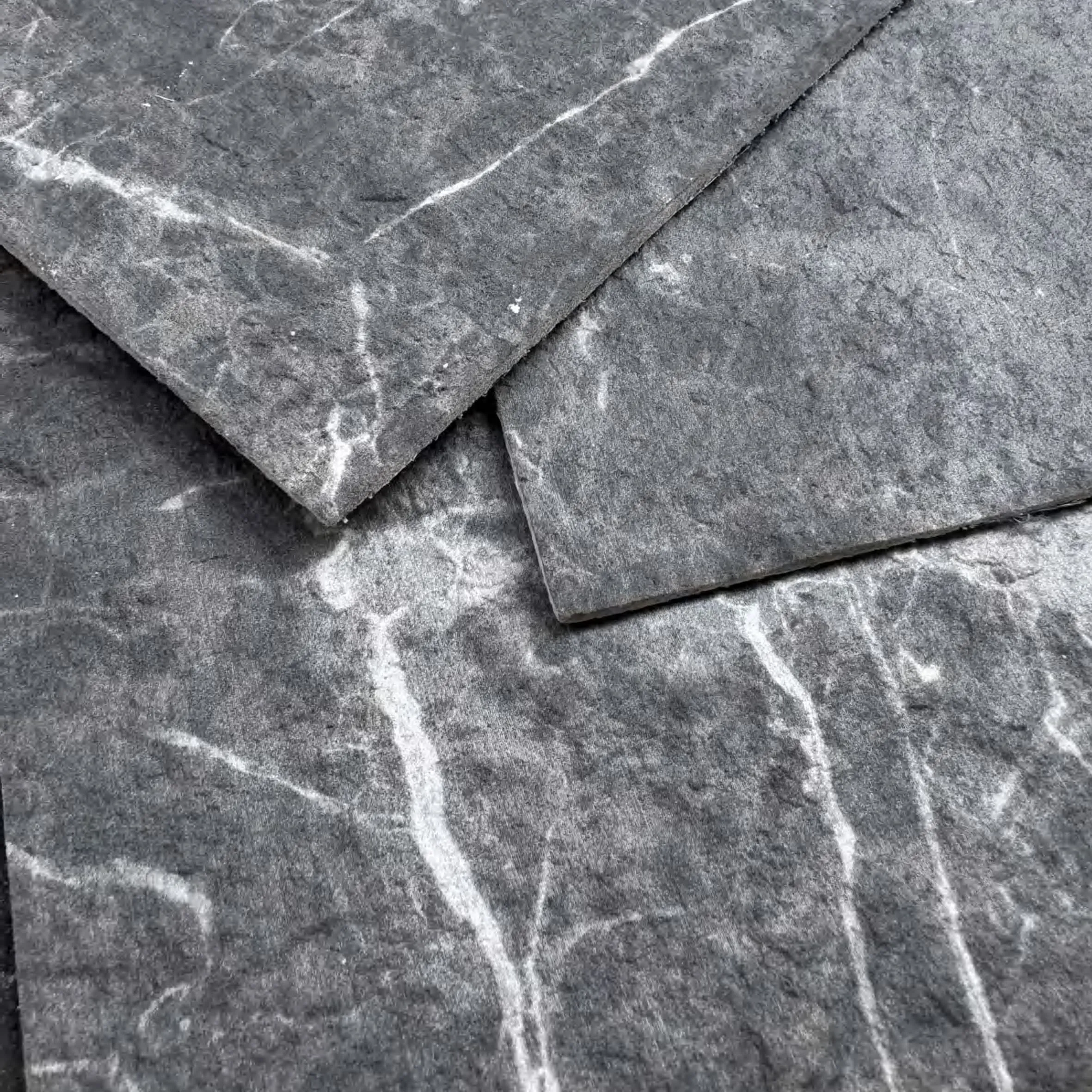
To help you visualize how these two materials stack up, let's break down their key features side by side. Whether you're prioritizing aesthetics, durability, or cost, this comparison will guide you toward the best choice for your commercial kitchen.
| Feature | Granite Nero Margiua | MCM Project Board Series |
|---|---|---|
| Aesthetics | Deep black with natural mineral flecks; luxurious, high-end look with unique slab variations. | Wide range of finishes (wood, concrete, metal, stone); consistent texture/pattern; customizable to match any design. |
| Durability | Highly durable (Mohs 6-7); heat-resistant; porous (requires sealing to prevent stains). | Lightweight but tough; non-porous (stain/moisture-resistant); heat-resistant (up to 212°F); scratch/impact-resistant. |
| Maintenance | Requires sealing every 6-12 months; needs pH-neutral cleaners; prone to staining if not sealed. | No sealing required; non-porous (easy to wipe clean); resistant to chemicals and harsh cleaners. |
| Cost | Premium ($80-$150/sq ft, including installation). | Mid-range ($30-$80/sq ft, including installation). |
| Installation | Heavy (10-15 lbs/sq ft); requires professional installers; longer timeline (2-4 weeks). | Lightweight (3-5 lbs/sq ft); easier to install; shorter timeline (1-2 weeks); can be installed over existing surfaces. |
| Sustainability | Natural but energy-intensive to quarry/transport; limited recycling options. | Often made with recycled materials; energy-efficient manufacturing; fully recyclable. |
| Best For | High-end restaurants, luxury hotels, or spaces prioritizing natural stone's unique beauty. | Fast-casual eateries, cafes, chain restaurants, or spaces needing durability, low maintenance, and design flexibility. |
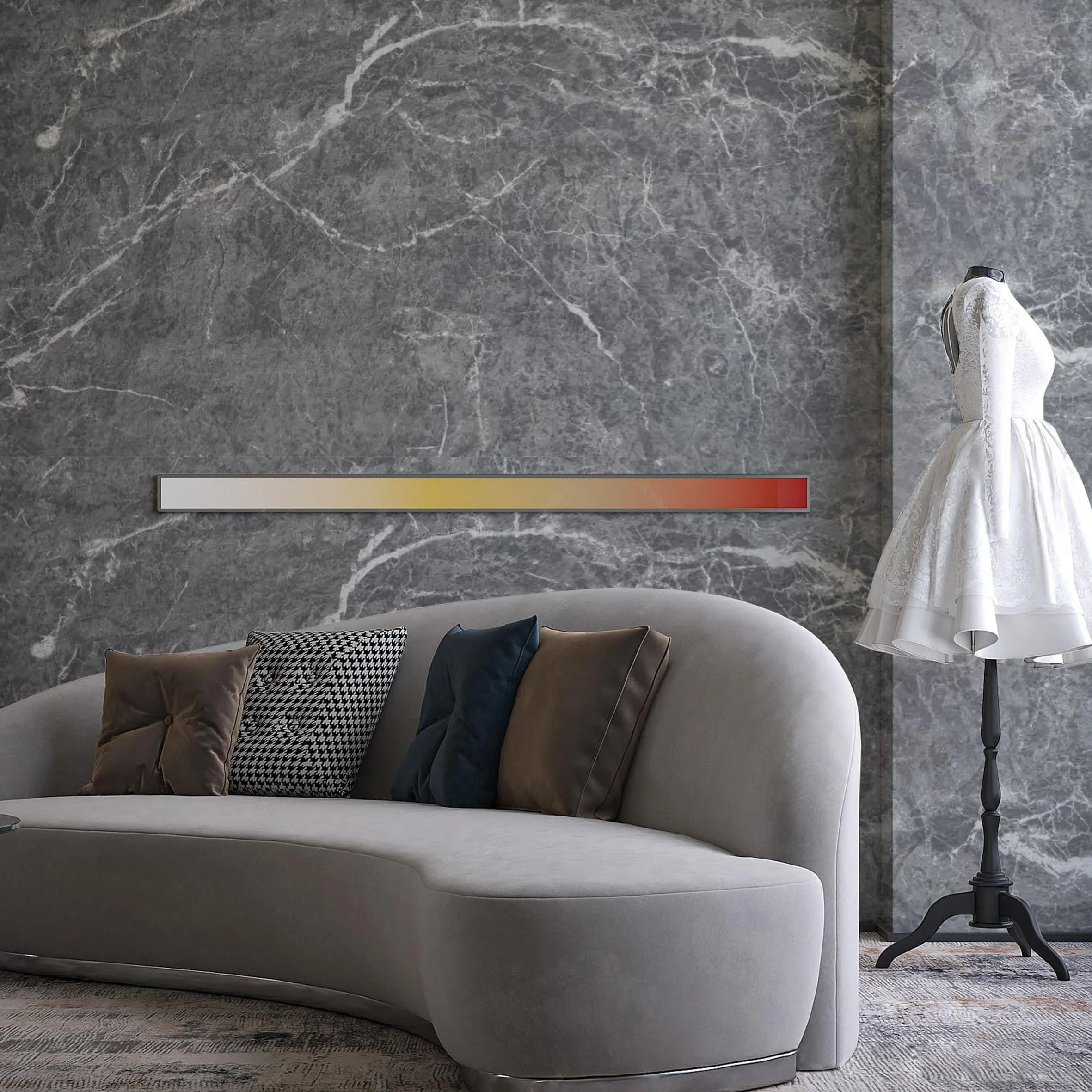
To put this comparison into context, let's look at a few real-world scenarios where one material might outshine the other. These examples highlight how Granite Nero Margiua and MCM Project Board Series perform in different commercial kitchen settings.
Imagine a high-end steakhouse in the heart of the city, where the menu features dry-aged beef and the ambiance is all about luxury. The kitchen is open to the dining area, so the backsplash needs to impress guests while withstanding the heat of grills and the occasional splatter of butter. Here, Granite Nero Margiua would shine. Its deep black color and natural veining complement the restaurant's elegant vibe, and its heat resistance makes it ideal for the grill station. While the restaurant's budget can accommodate the premium cost and regular sealing, the investment pays off in a backsplash that feels as luxurious as the dining experience itself.
Now picture a fast-casual chain with locations across the country, known for its quick service and affordable, fresh meals. The kitchens are high-traffic, with staff moving quickly to assemble orders, and the brand prides itself on consistency and low overhead. For this business, MCM Project Board Series is the clear choice. Its lightweight panels are easy to install across multiple locations, ensuring a uniform look. The Wood Grain Board finish adds warmth to the space, while its low maintenance needs (no sealing, easy cleaning) save the chain time and money on upkeep. Plus, its durability means it can handle the daily wear and tear of a busy kitchen without showing signs of damage.
A cozy neighborhood cafe with a tiny kitchen and a focus on artisanal coffee and pastries needs a backsplash that's both stylish and practical. The kitchen is tight on space, so installation needs to be quick and non-disruptive. The owner wants a unique look that reflects the cafe's quirky, creative brand. MCM Project Board Series offers the perfect solution: the Gobi Panel finish, with its textured, earthy look, adds character to the small space. Its lightweight nature makes installation a breeze (no need for heavy equipment), and its non-porous surface means spills from coffee or pastry fillings wipe away easily. Best of all, the cafe can achieve a one-of-a-kind aesthetic without breaking the bank.
At the end of the day, the decision between Granite Nero Margiua and MCM Project Board Series comes down to your priorities. Here's a quick checklist to help you decide:
Remember, there's no "one-size-fits-all" answer. Some businesses might even opt for a mix: Granite Nero Margiua in the front-of-house kitchen (where guests can see it) and MCM Project Board Series in the back-of-house (where functionality is key). The goal is to balance aesthetics, practicality, and budget to create a space that works for your team and your customers.
Commercial kitchen backsplashes are more than just a design choice—they're an investment in the longevity and efficiency of your business. Whether you lean toward the timeless luxury of Granite Nero Margiua or the modern versatility of MCM Project Board Series, the right material will protect your walls, simplify your workflow, and enhance your space for years to come.
For those who value natural beauty and don't mind the upkeep, Granite Nero Margiua offers a level of elegance that's hard to match. For businesses that prioritize durability, flexibility, and cost-effectiveness, MCM Project Board Series is a game-changer. Whichever you choose, remember: the best backsplash is the one that works as hard as your team does—day in, day out.
So, take a look at your kitchen, assess your needs, and pick the material that aligns with your brand, your budget, and your vision. After all, in the world of commercial kitchens, every detail counts—and your backsplash is one detail that deserves to shine.
Recommend Products












