
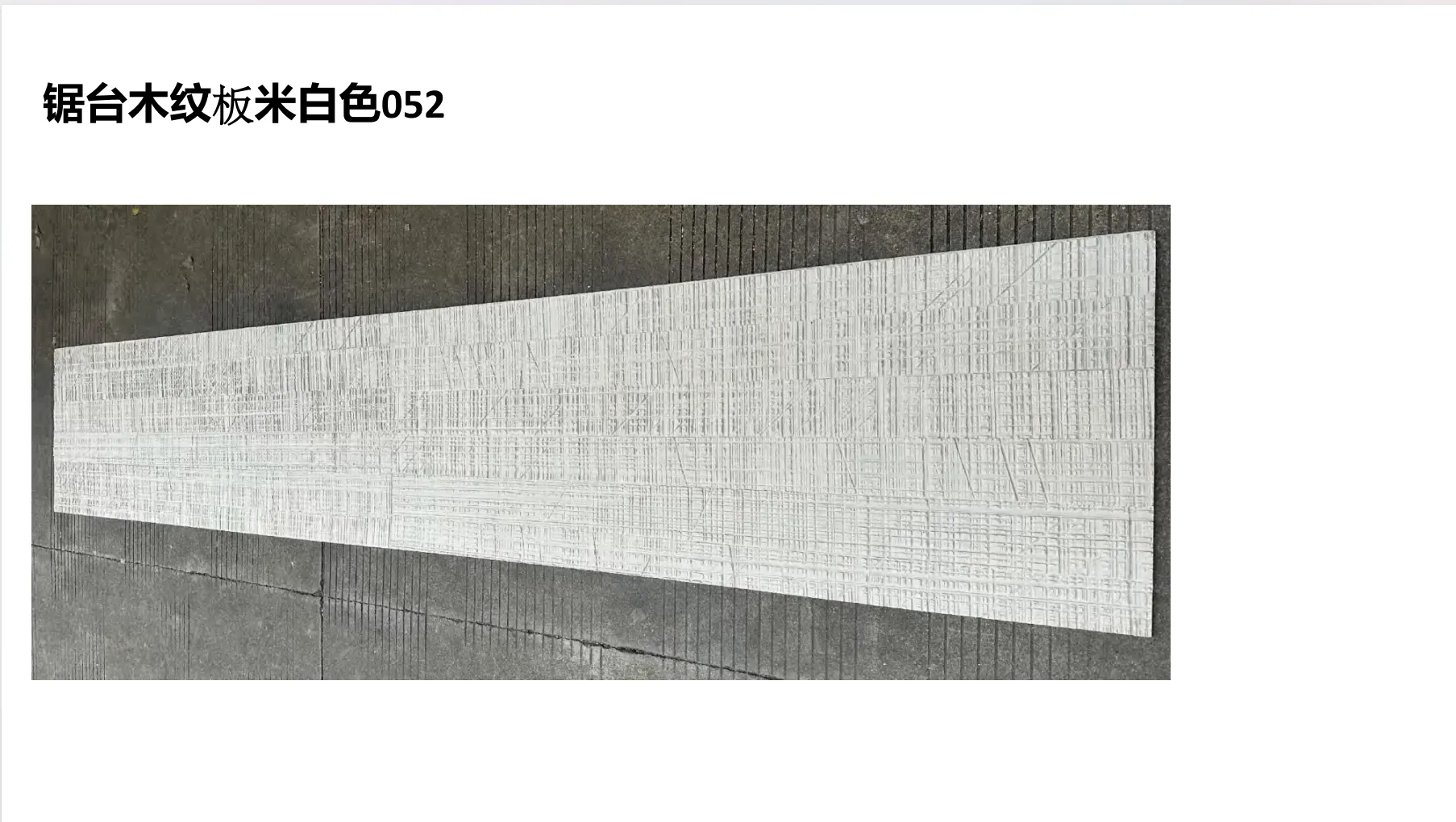
Walk into any busy restaurant kitchen, and you'll quickly realize that every surface tells a story. The counters where chefs chop vegetables, the prep tables where sauces are mixed, the walls that shield against splatters—each plays a silent but critical role in keeping food safe, operations smooth, and customers healthy. When it comes to choosing these surfaces, two options often rise to the top: the warm, traditional charm of sawing wood boards and the modern resilience of MCM (Modified Composite Material) solutions like flexible stone sheets. But in a space where a single bacteria colony can spell disaster, which one truly delivers on hygiene? Let's dive in.
For decades, sawing wood boards have been a staple in commercial kitchens, especially those aiming for a rustic, farm-to-table vibe. Think thick, solid planks of oak, maple, or beech, sanded smooth and sealed to withstand the chaos of daily prep. There's no denying their aesthetic appeal—they add warmth, texture, and a sense of craftsmanship that aligns with menus featuring artisanal breads, hand-cut steaks, or homemade pastas. Chefs often praise them for being gentle on knife edges, and many swear by the "character" that comes with scratches and patina over time.
But looks aside, wood has long been a double-edged sword in terms of hygiene. Let's start with porosity. Even with a coat of sealant, wood is a natural material with tiny pores and grains that act like microscopic pockets. When you spill tomato sauce, olive oil, or raw meat juices on a wood board, those liquids don't just sit on the surface—they seep in. Over time, these hidden residues become breeding grounds for bacteria like Salmonella , E. coli , and Listeria , which can survive even after a thorough wipe-down. A 2018 study in the Journal of Food Protection found that untreated wood surfaces retained up to 10 times more bacterial colonies than non-porous alternatives after standard cleaning, making them a silent risk in high-volume kitchens.
Then there's maintenance. To keep wood boards safe, restaurants must seal them regularly—sometimes monthly—with food-grade oils or waxes. Miss a sealing session, and the wood dries out, cracks, and becomes even more porous. Water is another enemy: leave a wet cloth on a wood counter overnight, and you'll likely return to warped planks or mold growth along the edges. And let's not forget the daily grind: constant chopping, heat from pots, and acidic spills (like vinegar or citrus) gradually wear down the sealant, exposing fresh wood and creating new hiding spots for germs. For busy kitchens with back-to-back service shifts, this upkeep can feel like a never-ending battle.
Compliance is another hurdle. Health inspectors are increasingly strict about surface materials, and while some jurisdictions allow properly maintained wood, many now require non-porous surfaces in areas handling raw meats or ready-to-eat foods. A single crack or worn seal can lead to violations, fines, or even temporary closures—hardly a risk worth taking for a material that demands constant attention.
Enter MCM, or Modified Composite Material—a category of engineered surfaces that's been quietly revolutionizing commercial kitchen design over the past decade. At its core, MCM is a blend of natural minerals, polymers, and reinforcing fibers, crafted into thin, lightweight sheets that mimic the look of stone, concrete, or even wood without the drawbacks. Products like modified composite material panels and lightweight flexible stone sheets are leading the charge, offering a winning combo of durability, customization, and—most importantly—hygiene.
So, what makes MCM different? Let's start with its non-porous nature. Unlike wood, MCM is engineered to be dense and uniform, with no hidden pores or grains. Spills bead up on the surface, making them easy to wipe away with a damp cloth and mild detergent. No seeping, no staining, no lingering bacteria. In lab tests, MCM surfaces have shown to reduce bacterial retention by over 99% compared to unsealed wood, thanks to their smooth, non-absorbent finish. This isn't just better for food safety—it's a game-changer for busy staff who don't have time to scrub surfaces for hours between shifts.
Durability is another standout feature. MCM panels are resistant to heat (up to 250°F in some cases), scratches, and impact, making them ideal for counters near stoves or prep areas where heavy pots and knives are constant companions. Unlike wood, they won't warp, crack, or splinter, even with daily exposure to water, steam, and cleaning chemicals. And because they're lightweight—often 70% lighter than natural stone—they're easier to install, reducing labor costs and structural stress on kitchen floors and walls.
Customization is where MCM really shines. Today's manufacturers offer a dizzying array of textures and colors, from the sleek industrial look of fair-faced concrete to the earthy tones of lunar peak silvery or travertine (starry blue) . Want the warmth of wood without the maintenance? MCM can mimic wood grain so convincingly that guests (and even some chefs!) can't tell the difference. This flexibility means restaurants don't have to sacrifice style for hygiene—they can have both.
To truly understand the gap between sawing wood boards and MCM, let's break down their performance in key areas that matter most to commercial kitchens:
| Factor | Sawing Wood Boards | MCM Flexible Stone |
|---|---|---|
| Porosity | Highly porous; absorbs liquids and bacteria into grains and cracks. | Non-porous; liquids bead on surface, no absorption. |
| Cleaning Ease | Requires heavy scrubbing, often with specialized cleaners; may need sanding to remove deep stains. | Wipes clean with soap and water; no scrubbing needed for daily spills. |
| Bacteria Resistance | Retains bacteria in pores; risk of cross-contamination between uses. | Non-porous surface inhibits bacterial growth; compliant with strict food safety standards (e.g., FDA, NSF). |
| Water Damage | Prone to warping, swelling, and mold if exposed to moisture. | Waterproof; no warping, swelling, or mold growth even with prolonged exposure. |
| Maintenance | Needs monthly sealing, occasional sanding, and replacement every 3–5 years. | Low maintenance; no sealing, sanding, or refinishing required; lasts 15+ years with proper care. |
| Durability | Scratches, dents, and heat damage easily; prone to cracking over time. | Scratch-resistant, heat-resistant (up to 250°F), and impact-resistant; minimal wear even with heavy use. |
| Compliance | Often fails strict health inspections due to porosity and maintenance gaps. | Meets or exceeds global food safety standards (NSF/ANSI 51, FDA 21 CFR 177.2600). |
| Aesthetics | Warm, natural look but develops uneven patina and scratches over time. | Customizable textures and colors (e.g., lunar peak golden , fair-faced concrete ); consistent appearance with minimal wear. |
| Cost (Lifetime) | Lower upfront cost but high long-term expenses (sealants, replacement, repairs). | Higher upfront cost but minimal long-term expenses; better ROI over 5+ years. |
Let's zoom in on the hygiene factor, since that's the make-or-break for commercial kitchens. Imagine a scenario: during a lunch rush, a line cook spills raw chicken juice on a sawing wood board and a nearby MCM counter. Both are wiped down with a sanitizing cloth 10 minutes later. What happens next? On the wood board, the juice has already seeped into tiny cracks, where bacteria like Salmonella can multiply unchecked. By dinner service, that bacteria could transfer to a salad being prepped on the same board, putting customers at risk. On the MCM counter, the juice stayed on the surface, was wiped away completely, and the sanitizer killed any remaining germs—no hidden risks, no cross-contamination.
It's not just about spills, either. Wood boards require constant vigilance to avoid cross-contamination. A board used for raw meat must be thoroughly cleaned and sanitized before being used for vegetables, but even then, the porous surface can't guarantee all bacteria are gone. MCM eliminates this stress: its non-porous surface means a quick wipe with sanitizer is enough to switch between tasks, saving time and reducing human error in busy kitchens.
While hygiene is the star, MCM brings plenty of other benefits to the table—ones that make it a practical choice for commercial kitchens of all sizes.
Lightweight flexible stone sheets weigh in at just 3–5 pounds per square foot, compared to 15–20 pounds for natural stone or solid wood. This makes them easier to transport, handle, and install, reducing labor costs and installation time. For kitchens in older buildings or those with weight restrictions (like food trucks or pop-up restaurants), MCM is often the only viable option—no need for reinforced floors or structural upgrades.
Commercial kitchens are hot, chaotic places. Pots straight from the stove, dropped utensils, and heavy equipment can wreak havoc on fragile surfaces. MCM stands up to this abuse: most products can handle temperatures up to 250°F (perfect for placing hot pans), and their fiber-reinforced core resists dents and cracks from accidental drops. Unlike wood, which can scorch or split under heat, MCM stays intact, maintaining its appearance and functionality for years.
Many MCM products are made with recycled materials and low-VOC (volatile organic compound) resins, aligning with the growing demand for green building materials in the foodservice industry. They also last longer than wood—15–20 years compared to 3–5 for wood boards—reducing waste from frequent replacements. For restaurants aiming to reduce their environmental footprint, MCM is a win-win: better for the planet and better for the bottom line.
Gone are the days when "hygienic" meant "boring." MCM manufacturers offer a staggering range of textures and colors, from the industrial chic of fair-faced concrete to the elegant marbling of travertine (vintage gold) . Want a counter that looks like reclaimed barn wood? MCM can do that. Prefer the sleek look of lunar peak black for a modern sushi bar? No problem. This customization means restaurants can align their kitchen design with their brand identity without sacrificing safety or durability.
Don't just take our word for it—restaurants across the country are swapping wood for MCM and reaping the rewards. Take "Harvest & Hearth," a farm-to-table restaurant in Portland, Oregon, that recently renovated its kitchen. Chef Maria Lopez had long loved her oak sawing wood boards but struggled with maintenance. "We were sealing them every month, sanding them quarterly, and still failing health inspections because of tiny cracks," she recalls. "It was stressful—we'd spend hours scrubbing boards instead of focusing on food."
After switching to MCM panels in travertine (beige) , Lopez noticed a difference immediately. "The first time we spilled red wine on the counter, I panicked—then watched it bead up and wipe away with a paper towel. No stain, no scrubbing, no stress. Our health inspector was impressed, our prep time is down by 20%, and the boards still look brand-new a year later. Best decision we ever made."
Then there's "Spice Street," a busy Indian restaurant in Chicago with a kitchen that handles spicy curries, oily naans, and acidic tamarind sauces daily. Owner Raj Patel was tired of replacing warped wood boards every 2–3 years. "Wood couldn't handle the moisture from our sauces or the heat from our tandoors," he says. "We switched to MCM fair-faced concrete panels, and now we clean with just soap and water. No more sealing, no more warping, and our staff loves how easy they are to work with. We've saved over $5,000 in maintenance costs alone in two years."
So, should you ditch your sawing wood boards for MCM? It depends on your priorities, budget, and kitchen needs. If you run a small, low-volume café with a focus on artisanal breads or pastries, and you have the time and resources to maintain wood properly, it might still work. But for most commercial kitchens—especially those handling raw meats, seafood, or high volumes of food—MCM is the clear winner.
Consider your long-term costs: while MCM has a higher upfront price tag (typically $20–30 per square foot vs. $10–15 for wood), its minimal maintenance and 15+ year lifespan make it far more cost-effective over time. Add in the savings from reduced labor, fewer health violations, and happier staff, and the ROI becomes undeniable.
Aesthetics matter, too. If you love the look of wood, MCM has you covered—many manufacturers offer wood-grain textures that are nearly indistinguishable from the real thing. For example, wood grain board MCM panels mimic the warmth of oak or maple without the hygiene risks, letting you keep your brand's rustic vibe while upgrading to a safer surface.
At the end of the day, commercial kitchen surfaces are more than just functional—they're a reflection of your commitment to food safety, staff well-being, and customer trust. Sawing wood boards have their charm, but in a world where a single bacteria outbreak can ruin a reputation, they're a risky choice. MCM, with its non-porous design, easy maintenance, and customizable look, offers a smarter, safer alternative that grows with your business.
So, whether you're designing a new kitchen or renovating an old one, don't overlook the power of your surfaces. Choose MCM, and you'll spend less time scrubbing, more time cooking, and rest easy knowing you're serving up food that's as safe as it is delicious. After all, in the heart of the restaurant, hygiene should never be a compromise.
Recommend Products












