
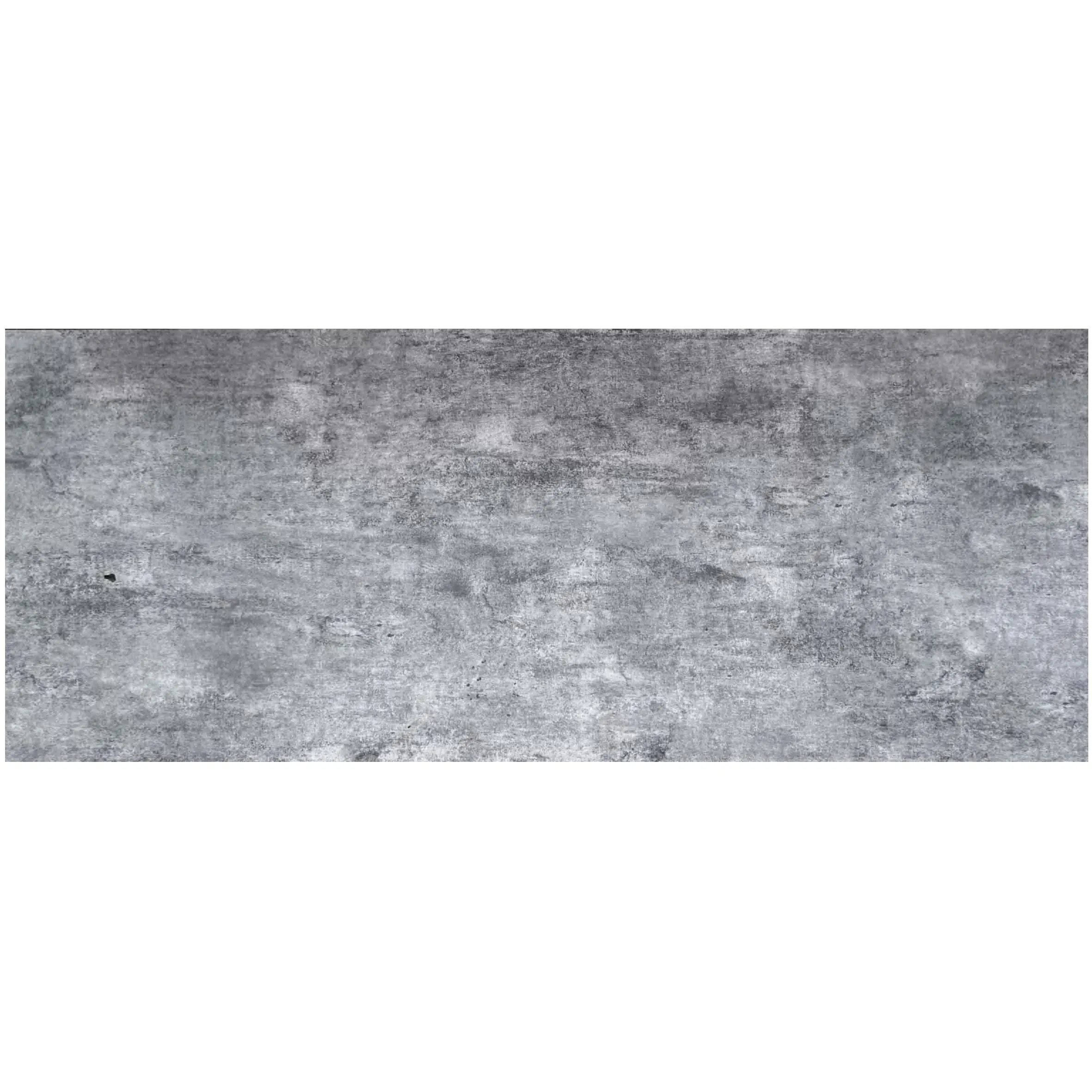
Walk into any bustling restaurant kitchen, and you'll feel it immediately—the energy. The clatter of pans, the hiss of steam, the quick-fire commands between chefs and line cooks. It's a space where precision meets chaos, where every second counts, and where the surfaces beneath it all take a beating unlike any other. Commercial kitchens aren't just workspaces; they're the engines of the food industry, and the materials that line their floors, walls, and countertops need to keep up with that relentless pace. That's where polish concrete steps in—and COLORIA MCM is redefining what it means to blend durability, functionality, and design in these high-stakes environments.
Let's start with the obvious: commercial kitchens are tough on surfaces. Think about a typical day. A sauté pan simmers on a 500°F stove, then gets set down carelessly on a countertop. A bus tub filled with hot water and soapy dishes sloshes onto the floor. A pastry chef rolls out dough, pressing down hard on a worktable. Over time, even the sturdiest materials can crack, stain, or wear thin. Traditional options like tile or natural stone often fall short—grout lines trap grease, marble etches with acid, and wood warps under moisture. And let's not forget heat: ovens, grills, and fryers radiate constant warmth, which can cause less resilient materials to expand, contract, and eventually fail.
Then there's the matter of aesthetics. In today's food world, the kitchen isn't just hidden behind swinging doors. Open-concept designs, chef's tables, and "kitchen as theater" concepts mean that even back-of-house spaces need to look intentional. A restaurant's brand—whether it's a cozy bistro, a sleek modern eatery, or a rustic farm-to-table spot—shines through every detail, including the surfaces. A cracked, stained floor or a chipped countertop doesn't just hinder workflow; it undermines the care and craftsmanship that goes into the food itself.
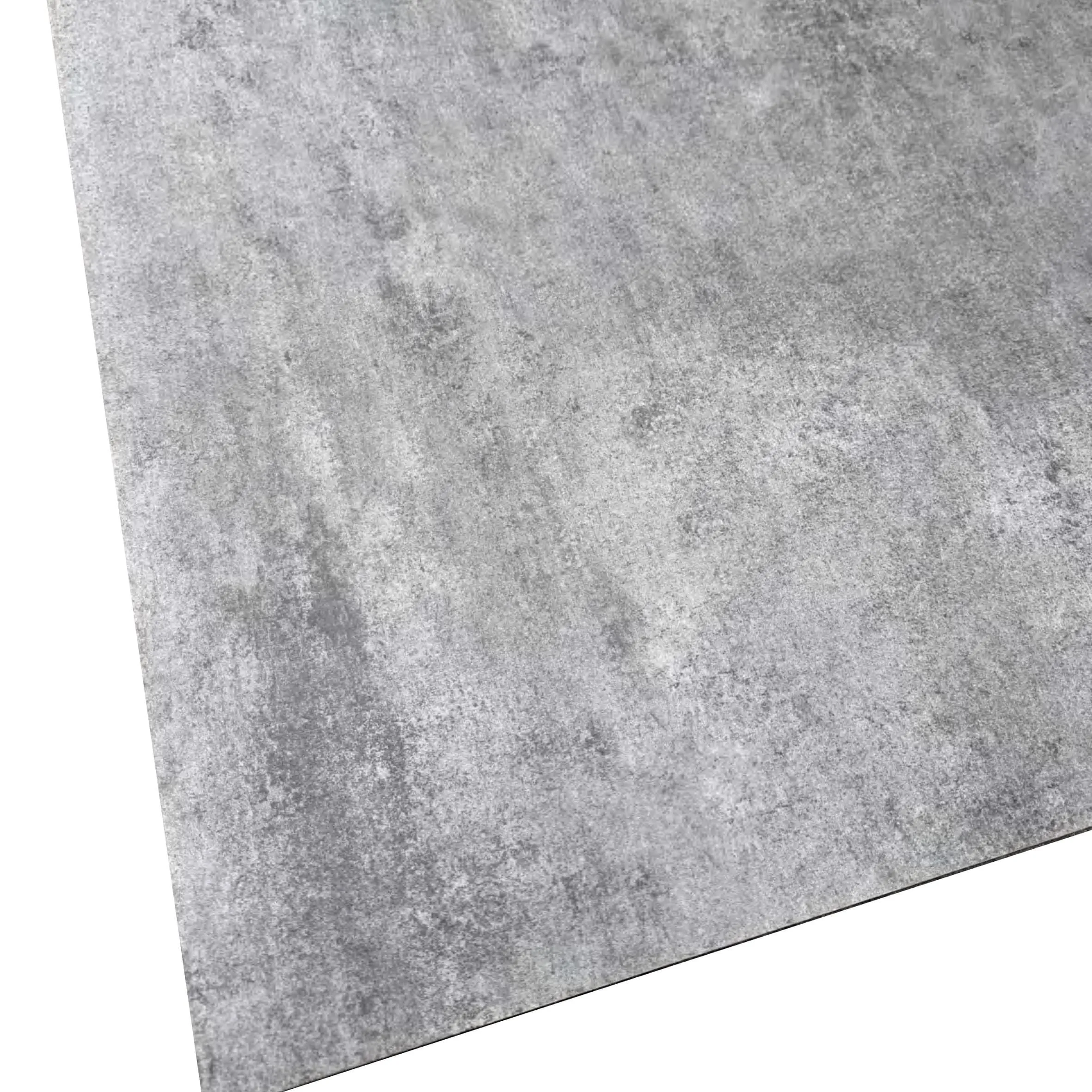
Polish concrete isn't new, but its rise in commercial kitchen design is no accident. At its core, it's a blend of concrete mixed with special aggregates, then ground, polished, and sealed to create a smooth, glossy finish. But what makes it so ideal for kitchens? Let's break it down.
Concrete is naturally heat-resistant, but polish concrete takes it a step further. The sealing process—often using a penetrating sealer or a topical coating—creates a barrier that can withstand temperatures up to 600°F or more. That means a hot pan set down in a hurry won't leave a scorch mark, and proximity to ovens or grills won't cause discoloration or warping. For a line cook who's juggling multiple orders, that peace of mind is priceless.
Concrete is inherently strong, but polish concrete's polishing process compresses the surface, making it denser and more resistant to scratches, chips, and impact. In a kitchen where rolling carts, heavy equipment, and constant foot traffic are the norm, this durability translates to fewer repairs, less downtime, and a longer lifespan. Unlike tile, which can crack if a heavy object is dropped, polish concrete holds up—even under the weight of a commercial mixer or a stack of cast-iron skillets.
In a kitchen, time is money. The last thing a restaurant owner wants is to spend hours scrubbing grout or refinishing surfaces. Polish concrete simplifies maintenance: its non-porous, sealed surface repels spills, grease, and stains. A quick wipe with a damp mop and a mild detergent is usually all it takes to keep it looking fresh. No grout to clean, no sealant to reapply every few months (though annual resealing is recommended for high-traffic areas). For busy kitchen managers, that's a game-changer.
COLORIA MCM isn't just another material supplier. The brand has built its reputation on understanding the unique needs of commercial spaces—and nowhere is that more evident than in their approach to kitchen surfaces. Their lineup goes beyond basic polish concrete, blending cutting-edge technology with design-forward thinking to create products that don't just function, but inspire. Let's dive into a few standout options that are transforming commercial kitchens.
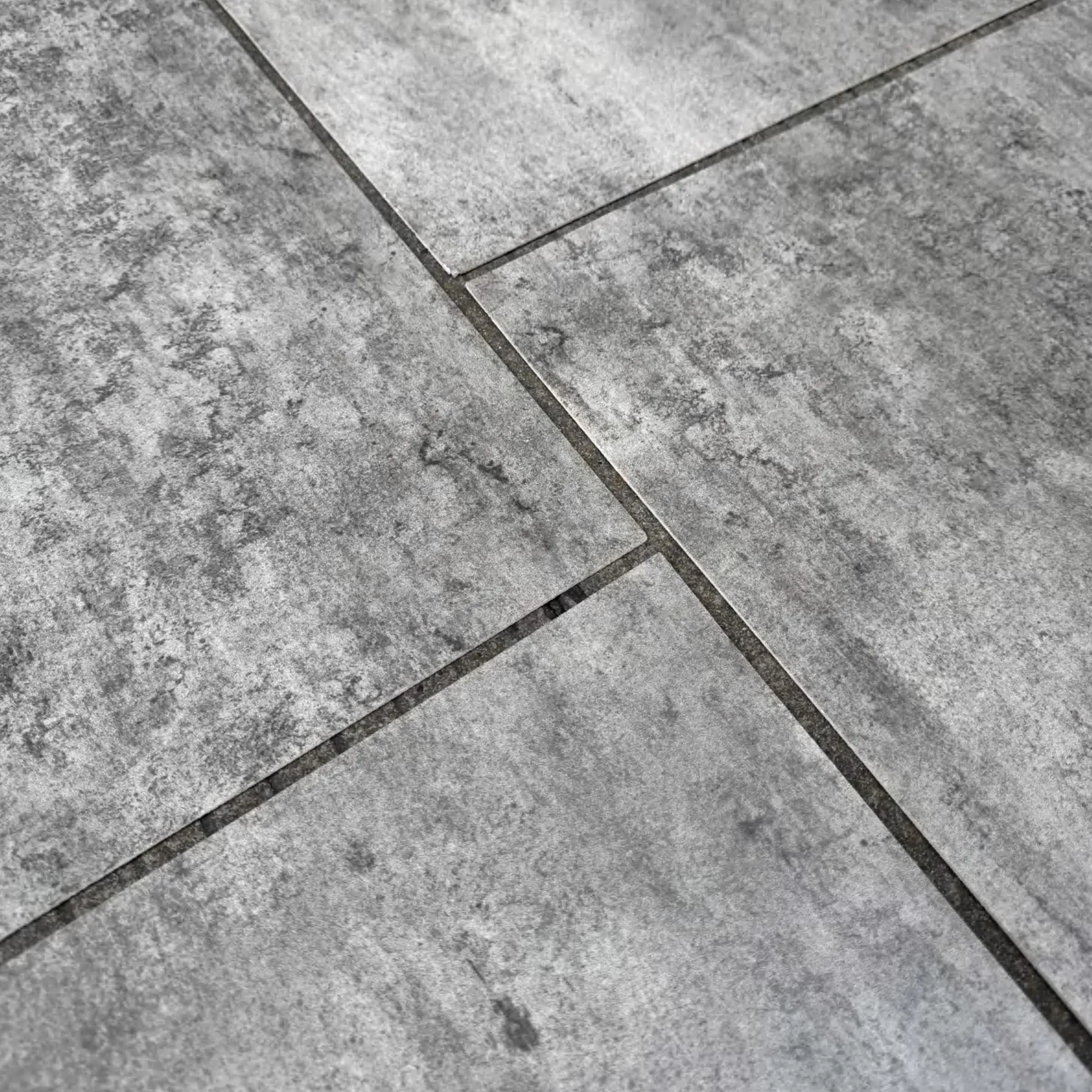
COLORIA's polish concrete isn't your average gray slab. They've elevated the material with custom color options, aggregate blends, and finishes that cater to diverse design visions. Want a warm, terracotta hue for a Mediterranean-inspired kitchen? Or a sleek, charcoal tone for a modern steakhouse? Their polish concrete can be tailored to match. But the real star is its performance: heat-resistant up to 650°F, scratch-resistant enough to handle daily knife work, and stain-proof against everything from tomato sauce to motor oil. It's the kind of surface that can take a spill at 2 p.m. during the lunch rush and still look immaculate by dinner service.
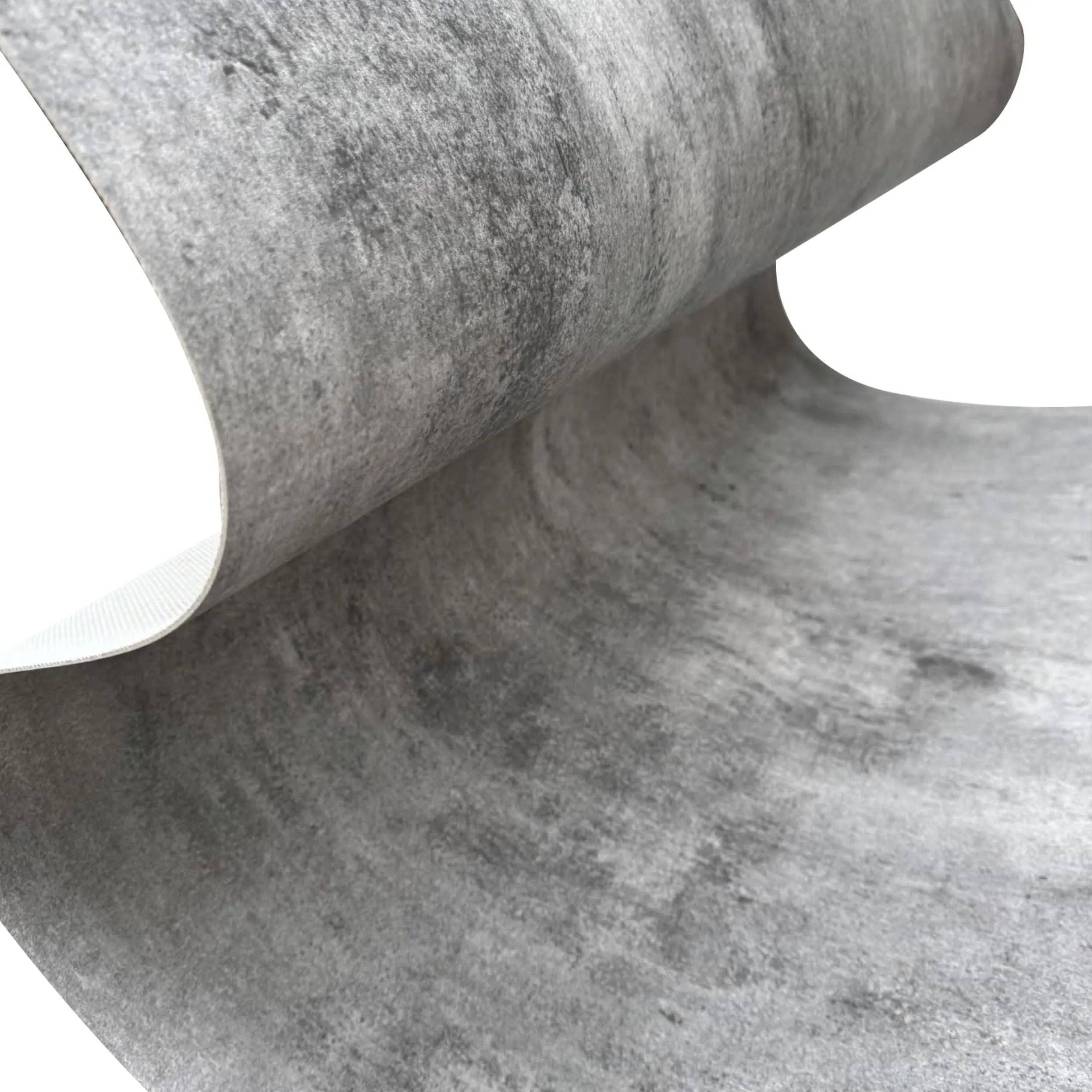
If polish concrete is the workhorse, MCM flexible stone is the chameleon. Made from a blend of natural stone aggregates and a flexible polymer binder, this material bends—literally. Unlike rigid concrete or stone, it can be curved around corners, wrapped over edges, or applied to uneven surfaces, making it perfect for walls, backsplashes, or custom-shaped countertops. In a kitchen with odd angles or unique architectural features, that flexibility is a lifesaver. And don't let the "flexible" fool you: it's just as heat-resistant as polish concrete (up to 600°F) and equally tough against impacts. Imagine a backsplash that curves around a range hood, seamless and easy to wipe clean, or a countertop that wraps around a prep station without a single seam. That's the magic of MCM flexible stone.
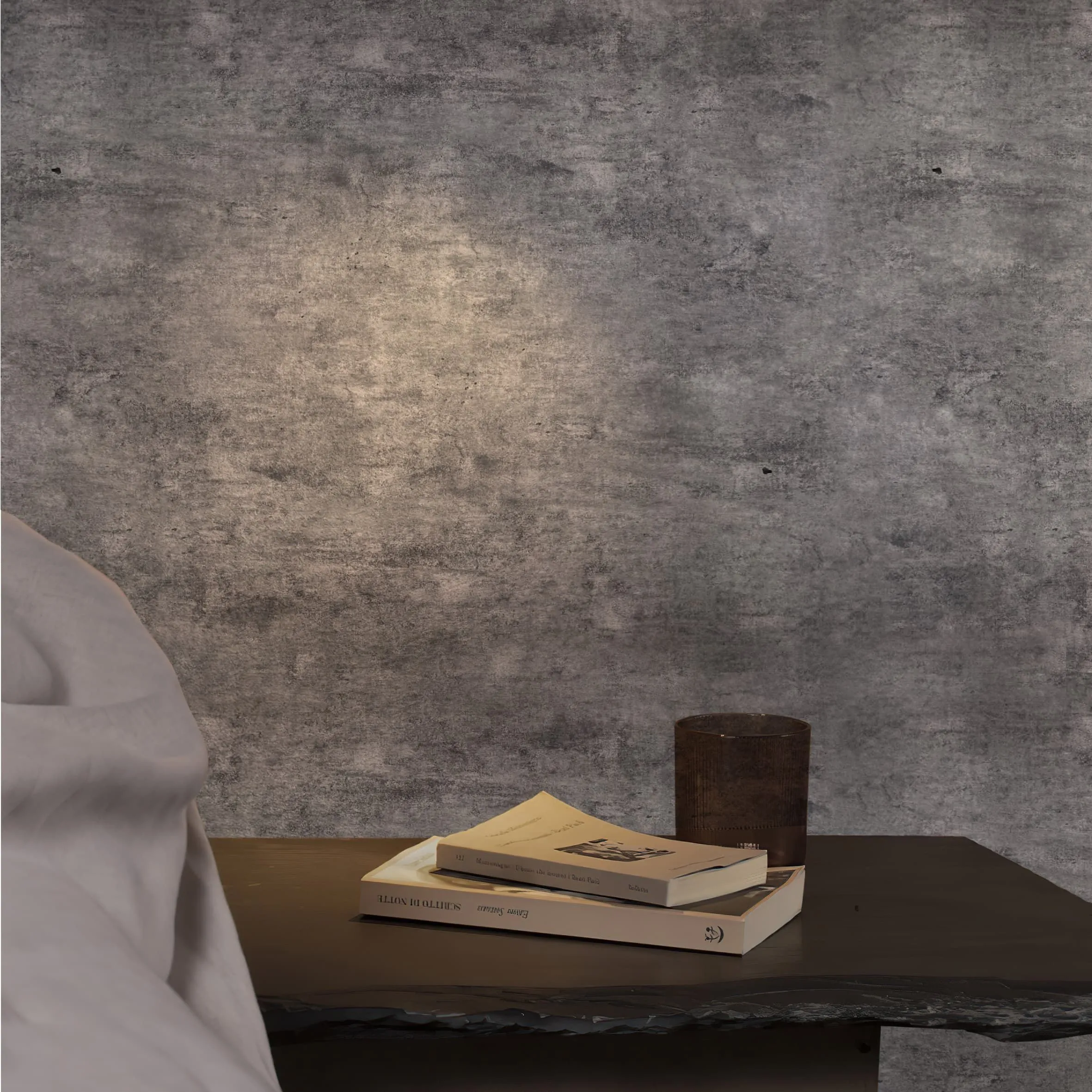
For restaurants leaning into an industrial or minimalist vibe, fair-faced concrete is a dream. Unlike polished concrete, which has a glossy finish, fair-faced concrete is left in its natural state—textured, matte, and full of character. It celebrates the material's raw beauty, with subtle variations in color and texture that tell a story. COLORIA's fair-faced concrete is precast in controlled environments, ensuring consistency in strength and appearance, then installed with precision. It's heat-resistant, of course, but it also adds warmth through its earthy, organic look. Pair it with polished concrete floors for a layered, tactile feel, or use it on accent walls to create depth. In a kitchen that's part of the dining experience, fair-faced concrete turns functional surfaces into conversation starters.
Wood has long been a favorite for kitchen surfaces, thanks to its warmth and natural beauty. But in a commercial kitchen, real wood is a liability—it stains, warps, and harbors bacteria. COLORIA's wood grain board solves that problem. Made from a composite material that mimics the look of real wood (think oak, walnut, or teak) but with the durability of concrete, it's a win-win. It resists moisture, heat (up to 550°F), and scratches, and it never needs refinishing. Imagine a prep table that looks like reclaimed wood but can handle a hot pot, a spilled bottle of olive oil, and a chef's knife without a single mark. For restaurants aiming for a cozy, rustic feel without sacrificing functionality, wood grain board is the answer.
| Product | Heat Resistance | Durability | Maintenance | Aesthetic Appeal | Ideal Applications |
|---|---|---|---|---|---|
| Polish Concrete | Up to 650°F | High (scratch, impact-resistant) | Low (annual resealing; wipe clean with mild detergent) | Glossy, customizable colors/aggregates; modern or classic | Floors, countertops, prep tables |
| MCM Flexible Stone | Up to 600°F | High (flexible, impact-resistant) | Low (sealed surface; wipe clean with water) | Matte or polished; bends to fit curves/edges | Backsplashes, walls, curved countertops |
| Fair-Faced Concrete | Up to 600°F | High (raw, unpolished strength) | Low (minimal sealing; occasional power washing) | Raw, textured, industrial-chic; natural variations | Accent walls, feature panels, rustic countertops |
| Wood Grain Board | Up to 550°F | High (moisture, scratch-resistant) | Low (no refinishing; wipe clean with soap and water) | Realistic wood look; warm, rustic, or modern | Prep tables, shelving, accent walls |
It's one thing to talk about specs and features, but it's another to see these materials in action. Let's hear from a few restaurant owners and chefs who've made the switch to COLORIA MCM's surfaces.
Maria, owner of Bella Vita , a busy Italian bistro in Chicago, was tired of her kitchen's tile floor. "We were regrouting every six months," she says. "The grout lines would get so greasy, no matter how much we scrubbed. It looked dirty even after deep cleaning." After switching to COLORIA's polish concrete floors in a warm beige tone, she noticed a difference immediately. "The first spill—red wine, of course—wiped right up. No stain, no scrubbing. And the heat? We have a wood-fired oven, and the floor around it stays cool to the touch. Our chefs love it; they say it's easier on their feet than tile, too."
Chef James, of Harvest & Hearth in Portland, wanted his kitchen to reflect his restaurant's "rustic elegance" ethos. "We have an open kitchen, so guests see everything," he explains. "Our old backsplash was plain white tile—functional, but boring." He opted for COLORIA's MCM flexible stone in a custom "fieldstone" finish, curved around the range hood and prep stations. "It looks like real stone, but it's seamless. No grout, no cracks, and when we had a grease fire (thankfully small!), the backsplash didn't even char. Now, guests comment on it all the time—they think it's the original stone from the building, but it's brand new. It tells the story of where we come from, without the hassle of real stone."
When the team at Wrap & Roll , a fast-casual chain with 15 locations, decided to refresh their kitchens, they needed a surface that could handle 12-hour days, constant foot traffic, and endless spills. They chose COLORIA's wood grain board for prep tables and fair-faced concrete for walls. "We tested samples for months," says operations manager Lisa. "We poured hot sauce, dropped pans, even dragged metal shelving across the wood grain board. It held up. Now, in our busiest locations, the tables still look new after a year. And the fair-faced concrete walls? They hide scuffs, which is a lifesaver with our staff rushing around. It's cut our maintenance costs by 40%—that's a huge win for us."
As restaurants evolve, so do their needs. Today's kitchen designers are prioritizing sustainability, customization, and long-term value—and COLORIA MCM is right there with them. Their materials are low-VOC, made with recycled aggregates where possible, and designed to last decades, reducing the need for frequent replacements. And with custom color matching, aggregate options, and finishes, they're not just selling materials—they're partnering with restaurants to bring their brand visions to life.
But perhaps the biggest advantage is this: COLORIA MCM understands that a commercial kitchen isn't just a place to cook. It's a space where teams collaborate, where creativity sparks, and where the magic of food happens. Their surfaces don't just withstand the chaos—they enhance it. They're durable enough to keep up with the rush, beautiful enough to inspire, and practical enough to let chefs focus on what they do best: creating unforgettable meals.
At the end of the day, a commercial kitchen is only as strong as its surfaces. The right materials don't just make work easier—they protect your investment, elevate your brand, and let your team thrive. COLORIA MCM's polish concrete, MCM flexible stone, fair-faced concrete, and wood grain board aren't just products; they're solutions. Solutions for the chef who needs a countertop that can take the heat, the owner who wants to reduce maintenance costs, and the designer who refuses to compromise on style.
So the next time you step into a restaurant kitchen—whether it's behind the scenes or as part of the dining experience—take a look at the surfaces. Chances are, if they're sleek, strong, and full of character, they might just be COLORIA MCM. Because in a space where every detail matters, the best kitchens deserve the best materials.
Recommend Products












