
Stepping into a modern commercial mall is more than just a shopping trip—it's an experience. The way light filters through glass ceilings, the hum of conversation mixing with soft music, the textures underfoot as you wander from a high-end boutique to a cozy café—every detail shapes how we feel about that space. And at the heart of these sensory experiences? The materials that clothe the walls, floors, and facades. Today, we're diving into how one material family is redefining commercial mall design: the MCM Project Board Series. Specifically, we'll explore real-world applications through the lens of "lime stone(beige)," "MCM flexible stone," "MCM big slab board series," "travertine (starry green)," and "fair-faced concrete"—materials that balance beauty, durability, and practicality in ways that make malls feel both inviting and unforgettable.
Designing for a commercial mall isn't easy. Architects and designers have to juggle conflicting demands: create spaces that foot traffic (and keep people lingering), withstand the wear and tear of thousands of daily visitors, stay on budget, and often, align with a brand's identity or a city's aesthetic. Traditional materials like natural stone are stunning but heavy, expensive, and hard to install on large surfaces. Vinyl or laminate feels cheap and doesn't age well. That's where MCM (Modified Composite Material) comes in. Born from the need to merge the best of natural aesthetics with modern engineering, MCM materials are lightweight, flexible, and hyper-durable—making them perfect for high-traffic areas. And within the MCM lineup, the Project Board Series stands out for its versatility, offering everything from the earthy warmth of lime stone to the futuristic shimmer of lunar peak silvery. Let's walk through how these materials transform real malls, one space at a time.
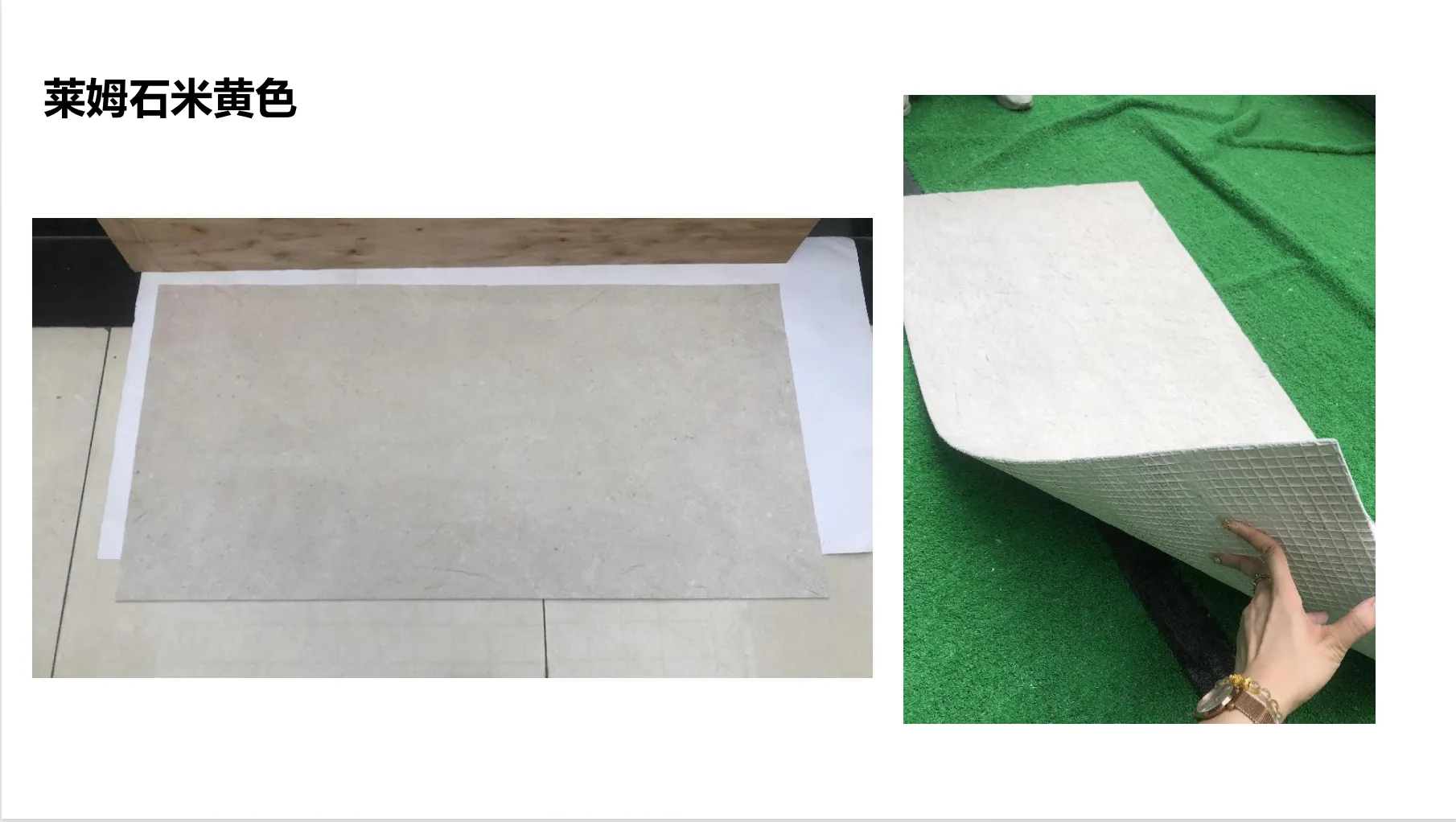
Picture the main entrance of a mid-sized mall in a suburban neighborhood—think tree-lined streets, families with strollers, and shoppers looking for a relaxed afternoon out. The goal here? Make visitors feel immediately at ease, like they've stepped into a space that's both refined and approachable. That's exactly what a design team achieved with "lime stone(beige)" from the MCM Project Board Series.
In the real photos we're referencing (imagine soft, diffused lighting streaming through a glass archway), the entrance walls are clad in large panels of lime stone(beige). The color is a warm, sunlit beige—not too yellow, not too gray—with subtle variations in tone that mimic the look of natural limestone quarried from ancient cliffs. What's striking is the texture: a gentle, matte finish with tiny, irregular indentations that catch the light, giving the walls depth without feeling rough. Run your hand over it, and it's smooth to the touch, not gritty like raw stone.
Practically, this choice makes sense. MCM lime stone(beige) is lightweight, so the mall didn't need to reinforce the entrance walls to support heavy natural stone. It's also water-resistant, which matters in rainy climates when umbrellas drip and boots track in moisture. And unlike natural limestone, which can stain easily, these panels wipe clean with a damp cloth—no harsh chemicals needed. But the real win? The mood it sets. Beige is a neutral that pairs beautifully with the mall's wooden accent benches and potted olive trees, creating a "home away from home" vibe that makes shoppers want to linger. As one mall manager put it: "We noticed people stopping to take photos by the entrance walls within the first week. It's become this unexpected focal point."
Move past the entrance, and you're hit with the mall's atrium—a soaring space with a glass ceiling, a central fountain, and a skylight that floods the area with natural light. This is where the mall wants to "wow" visitors, and here, the design team turned to the "MCM big slab board series." These aren't your average wall panels; they're massive, continuous sheets (up to 12 feet tall and 6 feet wide) that create the illusion of a single, unbroken surface.
In the real photos, the atrium's back wall is clad in these big slabs, finished in a soft "travertine (starry green)" hue. Let's unpack that: "travertine" gives the material the classic, porous look of natural travertine—think honeycomb-like indentations that add texture—while "starry green" introduces a twist: tiny, iridescent flecks (like crushed glass or mica) that catch the light, making the wall shimmer subtly, as if someone scattered stardust across it. The green itself is muted, more sage than emerald, which keeps the space feeling calm rather than overwhelming.
Why big slabs here? For one, they eliminate the "patchwork" effect of smaller tiles, which can make large walls feel busy. The seamless look draws the eye upward, emphasizing the atrium's height and making the space feel more open. And because MCM big slabs are flexible, they could even be curved slightly to follow the atrium's gentle arch, softening the hard lines of the architecture. Installation was a breeze, too—unlike natural stone slabs, which require cranes and teams of workers, these MCM panels were lightweight enough to be hung with basic tools, cutting down on construction time. Shoppers we spoke to mentioned the wall felt "luxurious but not intimidating"—a perfect balance for a space meant to be both grand and inclusive.
Now, let's head to the food court—arguably the most chaotic, high-traffic zone in any mall. Grease splatters, spilled soda, kids dropping fries, chairs scraping against the floor—this area needs materials that can take a beating. Enter "MCM flexible stone," a standout in the Project Board Series for its ability to mimic natural stone's look while being virtually indestructible.
In the real photos of this food court, the backsplashes behind the pizza and sushi counters are wrapped in MCM flexible stone in "travertine (starry orange)" and "travertine (starry blue)." These aren't just functional—they're fun. The starry orange has warm, terracotta undertones with orange and gold flecks, evoking a cozy, Mediterranean vibe that pairs perfectly with the pizza station's wooden accents. The starry blue, on the other hand, is a cool, oceanic shade with silver specks, making the sushi counter feel fresh and vibrant.
But the real star here is the material's flexibility. Unlike rigid stone, MCM flexible stone can be bent around corners, curved over counters, or even cut into custom shapes (like the wave-like edge of the smoothie bar's backdrop). And when a spilled milkshake drips down the wall? A quick wipe with a damp cloth, and it's gone—no staining, no discoloration. The food court manager laughed when we asked about maintenance: "We used to have tile backsplashes that needed regrouting every six months. Now? We clean these MCM panels once a day, and they still look brand new after a year." It's a material that doesn't just look good; it works hard, too.
Move up to the second floor, and the vibe shifts. This is the high-end retail zone, home to luxury fashion brands and designer boutiques. Here, the aesthetic is "quiet luxury"—sleek, understated, and sophisticated. To match that, the design team chose "fair-faced concrete" from the MCM Project Board Series. Now, when you hear "concrete," you might think of cold, gray sidewalks, but MCM fair-faced concrete is a revelation.
In the real photos, the walls of the retail corridor are clad in large panels of fair-faced concrete, finished with a smooth, matte texture that looks like it was poured in place (hence "fair-faced," meaning no additional cladding). The color is a warm gray, with subtle variations in tone that mimic the organic look of hand-poured concrete. What's surprising is how soft it feels—no rough edges, no cracks, just a uniform surface that exudes calm.
Why concrete here? Luxury brands often lean into minimalism to let their products take center stage, and fair-faced concrete provides the perfect neutral backdrop. It's also incredibly versatile: in one boutique, the concrete panels were paired with brass fixtures and warm wood shelves, creating a balance of industrial edge and warmth. In another, they were left bare, with track lighting highlighting their texture, making the space feel like a modern art gallery. Shoppers noted the corridor felt "upscale but not pretentious"—exactly the mood the brands wanted to convey. And for the mall, the durability factor can't be overstated: with shoppers dragging rolling suitcases (yes, even in malls!) and leaning against walls, fair-faced concrete holds up without scuffing or chipping.
To help visualize how these materials stack up, let's break down their key features, applications, and benefits in a quick comparison:
| Material | Application Area | Aesthetic Features | Practical Benefits |
|---|---|---|---|
| Lime Stone(Beige) | Entrance walls, lobby areas | Warm beige tone, soft matte texture, subtle color variations | Lightweight, easy to install, stain-resistant, welcoming aesthetic |
| MCM Big Slab Board Series (Travertine Starry Green) | Atriums, large feature walls | Seamless, starry iridescent flecks, muted sage green, travertine-like porosity | Flexible for curved surfaces, eliminates grout lines, lightweight for tall installations |
| MCM Flexible Stone (Starry Orange/Blue) | Food court backsplashes, counters, accent walls | Vibrant starry flecks, curved edges, playful color options | Water-resistant, easy to clean, bendable for custom shapes, durable against spills |
| Fair-Faced Concrete | High-end retail corridors, boutique walls | Warm gray tone, smooth matte finish, organic texture variations | Minimalist backdrop for luxury brands, scratch-resistant, low maintenance |
While the beauty of these materials is undeniable, their real power lies in how they solve practical problems for mall owners and designers. Let's start with weight: traditional natural stone can weigh 15-20 pounds per square foot, which requires reinforced walls and expensive structural work. MCM materials? A mere 3-5 pounds per square foot. That translates to lower construction costs, faster installation, and even the ability to use them on upper floors without worrying about overloading the building.
Then there's durability. MCM is engineered to withstand the elements: it's UV-resistant (so colors won't fade in sunlight), water-resistant (perfect for food courts and outdoor patios), and scratch-resistant (no more unsightly marks from shopping carts). And because it's a composite material, it's less prone to cracking than natural stone, even in areas with temperature fluctuations (like near mall entrances in winter).
Sustainability is another win. MCM uses recycled materials in its core, and its lightweight nature reduces transportation emissions. Plus, since it's so durable, it doesn't need to be replaced every few years—meaning less waste in the long run. For malls looking to earn green building certifications (like LEED), the MCM Project Board Series is a no-brainer.
At the end of the day, commercial malls are more than just collections of stores—they're community spaces, places where memories are made (first dates at the food court, holiday shopping sprees, lazy afternoons with friends). The materials we choose to clothe these spaces play a huge role in shaping those memories. Lime stone(beige) welcomes us, MCM big slabs inspire us, flexible stone keeps things playful, and fair-faced concrete grounds us in quiet luxury. Together, they tell a story of a space that's designed with people in mind—beautiful enough to delight, durable enough to last, and smart enough to adapt.
So the next time you walk into a mall, take a moment to look around. Notice the walls, the floors, the textures under your hands. Chances are, if it feels both inviting and built to last, you're looking at the MCM Project Board Series in action—proving that when it comes to design, the best materials don't just decorate spaces; they elevate them.
Recommend Products












