
Walk up to any modern commercial office building today, and you'll notice something has shifted. It's not just about glass walls and steel frames anymore—exterior cladding has become the unsung hero of architectural storytelling. It's the first impression, the silent communicator of a brand's identity, and the bridge between functionality and beauty. In this era of design-forward workspaces, one material has been turning heads for all the right reasons: MCM (Modified Composite Material). And at the heart of MCM's magic? Its ability to blend flexibility, durability, and aesthetic versatility—especially when it comes to standout options like lime stone, travertine, and beyond. Let's dive into how MCM is redefining commercial office exteriors, starting with the timeless allure of lime stone and expanding into a world of textures that make every building feel uniquely alive.
Commercial offices aren't just places to work—they're reflections of a company's values. A tech startup might lean into sleek, futuristic designs to signal innovation, while a law firm could opt for classic materials to convey trust and stability. Exterior cladding is the canvas for these messages. It protects the building from the elements, insulates against temperature extremes, and yes, makes it look good . But here's the catch: traditional materials often force a trade-off. Natural stone is stunning but heavy and high-maintenance. Vinyl siding is affordable but lacks character. Concrete can feel cold and sterile. That's where MCM steps in, offering the best of all worlds.
MCM flexible stone, for example, is a game-changer. Engineered to mimic the look of natural stone—think the rough-hewn charm of granite or the soft veining of marble—it's lightweight enough to reduce structural stress, flexible enough to wrap around curves and corners, and durable enough to stand up to rain, wind, and UV rays without fading. It's the kind of material that lets architects dream big without worrying about practical constraints. And when paired with complementary options like travertine (starry green) or fair-faced concrete, it creates exteriors that feel both intentional and effortless.
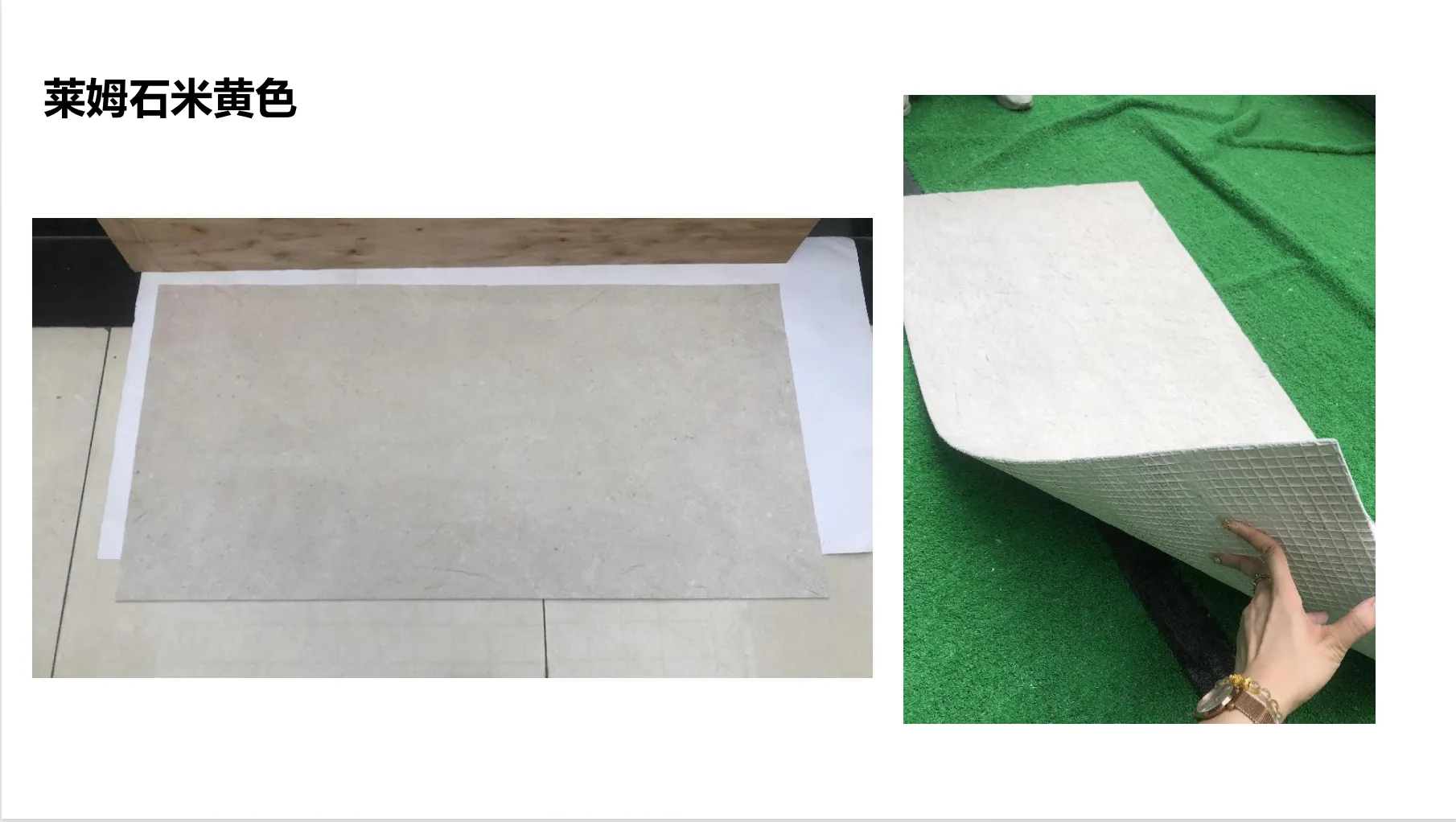
If there's one material that embodies "timeless elegance" in commercial design, it's lime stone (beige). Picture a warm, earthy hue that sits somewhere between sand and soft gold, with subtle variations in tone that mimic the natural patina of aged stone. That's MCM's lime stone (beige) cladding—and it's everywhere for a reason. It's neutral enough to complement bold accents but rich enough to stand alone, making it a favorite for everything from boutique offices to corporate headquarters.
What makes lime stone (beige) so versatile? For starters, its color palette. Unlike stark whites or harsh grays, beige feels approachable. It softens the edges of modern architecture, adding warmth without feeling dated. Imagine a glass-walled office building with lime stone (beige) cladding on the lower levels—the contrast between the cool transparency of glass and the warm solidity of stone creates a balanced, inviting look. It's the kind of design that says, "We're innovative, but we value tradition too."
But it's not just about looks. MCM's lime stone (beige) is practical, too. It resists stains, so those inevitable city smudges or rainwater streaks wipe away easily. It doesn't require sealing like natural limestone, saving facility managers hours of maintenance work. And because it's MCM, it's fire-resistant—a critical safety feature for high-rise buildings. For businesses that want to invest in a material that looks good and lasts, lime stone (beige) is a no-brainer.
Take the example of a mid-sized marketing agency in downtown Portland. They wanted an exterior that felt creative but grounded, so they paired lime stone (beige) cladding with large windows and pops of terracotta. The result? A building that blends into the city's historic district while still standing out as a modern workspace. Employees often mention how the warm glow of the lime stone in the afternoon sun makes the office feel welcoming, even on gray Pacific Northwest days. It's a small detail, but it matters—happy employees, after all, are more productive.
Lime stone (beige) is a star, but MCM's real power lies in its diversity. Let's explore a few standout materials that pair beautifully with lime stone to create layered, dynamic exteriors:
Travertine is known for its porous, honeycombed texture, but MCM's travertine (starry green) takes it to another level. Imagine tiny green flecks scattered across a light beige base, like someone sprinkled stardust onto the stone. It's unexpected, playful, and surprisingly sophisticated. Architects love using it as an accent—think a vertical stripe down the side of a lime stone (beige) building or a geometric pattern above the entrance. It adds visual interest without overwhelming the design, making it perfect for creative industries like advertising or design studios.
For offices that lean into "industrial chic," fair-faced concrete is a dream. Unlike traditional concrete, which is often covered in paint or plaster, fair-faced concrete is left exposed, showcasing its natural texture—small air bubbles, subtle color variations, and the faint imprint of the formwork used to cast it. When paired with lime stone (beige), it creates a striking contrast: the warmth of the stone softens the concrete's coolness, resulting in a look that's both rugged and refined. It's a favorite for tech offices, where the raw, unpolished vibe aligns with a culture of innovation and "keeping it real."
Nothing adds warmth like wood, but natural wood cladding is prone to warping, rotting, and insect damage. Enter MCM's wood grain board, which replicates the look of cedar, oak, or teak with uncanny accuracy—right down to the knots and grain patterns. It's moisture-resistant, fade-proof, and lightweight, making it ideal for exterior use. Imagine a lime stone (beige) facade with horizontal wood grain board accents along the windowsills or a vertical wood slat screen that adds privacy while filtering light. It's a detail that makes even the most modern office feel connected to nature, a trend that's become crucial as companies prioritize employee well-being.
For buildings that want to make a statement, boulder slab cladding is hard to beat. MCM's boulder slab mimics the rough, chiseled edges of natural boulders, with deep grooves and uneven surfaces that add drama and texture. It's often used in combination with smoother materials like lime stone (beige) to create a "yin and yang" effect—soft meets bold, calm meets dynamic. A financial firm in Denver, for example, used boulder slab (vintage silver) panels alongside lime stone (beige) to symbolize strength and stability, while a startup incubator in Austin paired boulder slab (vintage black) with wood grain board for a look that's equal parts edgy and inviting.
| Material | Key Features | Aesthetic Vibe | Best For |
|---|---|---|---|
| Lime Stone (Beige) | Warm beige tone, subtle color variations, low maintenance, weather-resistant | Timeless, earthy, approachable | Corporate headquarters, law firms, boutique offices |
| Travertine (Starry Green) | Light base with green "star" flecks, porous texture, flexible application | Playful, sophisticated, creative | Design studios, tech startups, art galleries |
| Fair-Faced Concrete | Raw, unpolished texture, industrial charm, fire-resistant | Edgy, minimalist, modern | Tech offices, co-working spaces, urban lofts |
| Wood Grain Board | Realistic wood patterns, moisture-resistant, lightweight | Warm, organic, nature-inspired | Wellness centers, eco-friendly brands, creative agencies |
| Boulder Slab | Rough, chiseled texture, bold color options (vintage silver/black/gold) | Dramatic, rugged, statement-making | Financial firms, luxury brands, cultural institutions |
In downtown Seattle, a 10-story innovation hub wanted an exterior that screamed "forward-thinking" but still felt grounded. The architects opted for a base of lime stone (beige) cladding, using large, seamless panels to create a sense of continuity. Then, they added vertical accents of travertine (starry green) along the building's corners, the green flecks catching the light and creating a subtle "twinkle" effect at dusk. The result? A building that looks different at every hour of the day—warm and inviting in the morning, dynamic and energetic in the afternoon, and magical at night. Tenants report that clients often comment on the exterior, with one startup founder noting, "It's like our building has its own personality. It makes people excited to come here."
A historic bank building in Boston needed a modern update while preserving its classic charm. The solution? MCM's wood grain board and boulder slab (vintage gold). The lower levels, which housed the original marble columns, were wrapped in wood grain board to echo the warmth of the building's interior. The upper floors, however, got a contemporary twist with boulder slab (vintage gold), its rough texture contrasting beautifully with the wood's smoothness. The lime stone (beige) was used as a unifying element, tying the old and new sections together. The result? A building that honors its past while embracing the future—a metaphor for the bank's evolution from traditional lender to fintech innovator.
At the end of the day, MCM cladding isn't just about making buildings look good—it's about solving problems. It's about giving architects the freedom to design without limits, business owners the peace of mind that their investment will last, and employees spaces that inspire. Lime stone (beige) might be the current darling, but MCM's true strength is its diversity: whether you're drawn to the starry sparkle of travertine, the industrial cool of fair-faced concrete, or the warmth of wood grain board, there's an MCM material that fits your vision.
And let's not forget sustainability. MCM is often made with recycled materials, and its lightweight nature reduces transportation emissions and structural energy use. For companies prioritizing ESG goals, that's a big win. It's a material that aligns with the growing demand for buildings that are as kind to the planet as they are to the people inside them.
So, what's the takeaway? Commercial office exteriors are no longer afterthoughts—they're opportunities to tell a story. With MCM flexible stone, lime stone (beige), travertine (starry green), and a world of other textures at your fingertips, that story can be one of creativity, resilience, and timeless beauty. Whether you're designing a startup's first office or reimagining a corporate campus, MCM cladding turns buildings into experiences. And in a world where first impressions matter more than ever, that's not just a luxury—it's a necessity.
Next time you pass by a commercial office that makes you pause and think, "Wow, that's beautiful," take a closer look. Chances are, it's MCM cladding doing what it does best: turning walls into works of art.
Recommend Products












