
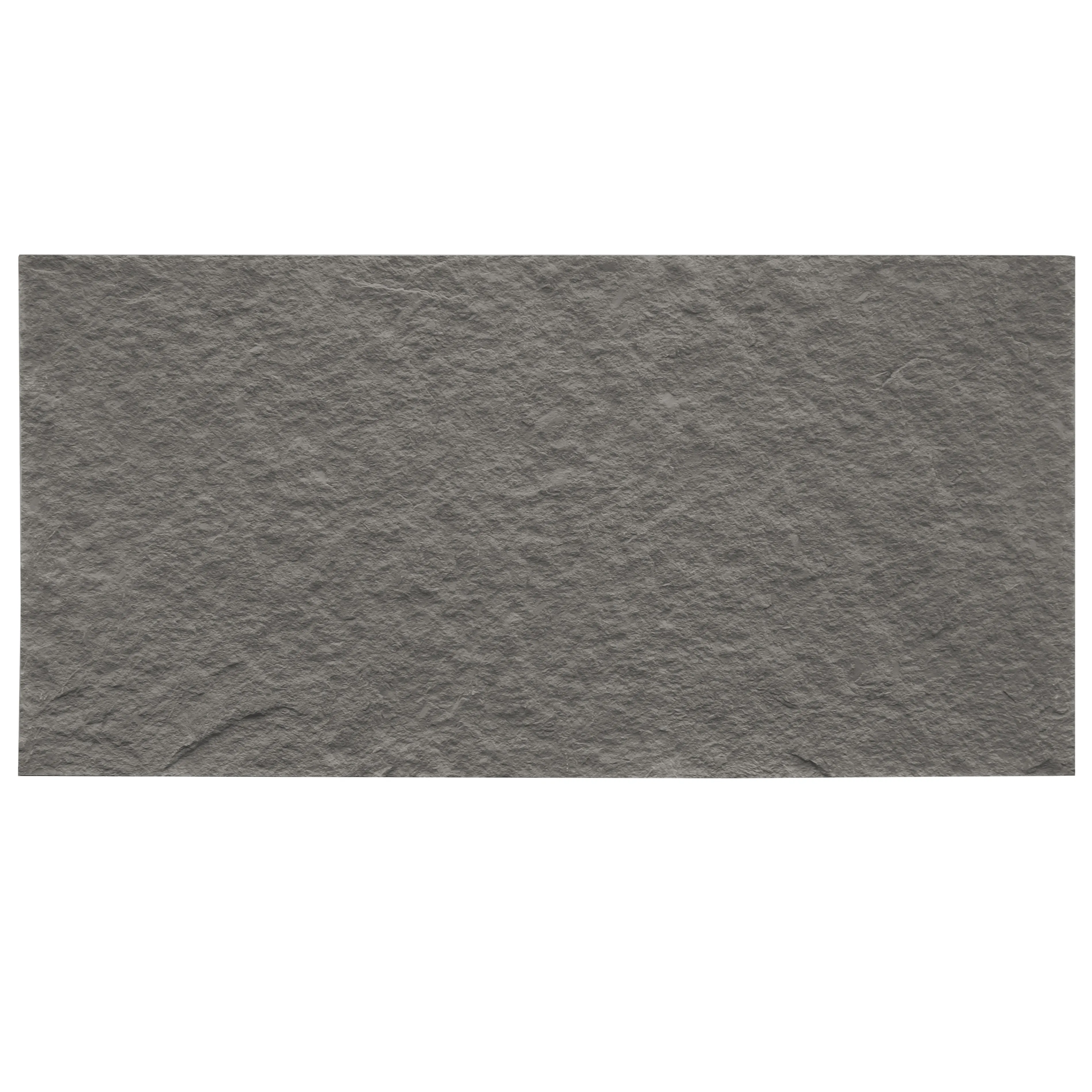
In the bustling world of business, first impressions matter—and nowhere is this truer than in the design of a company's office space. Beyond desks, chairs, and meeting rooms, the materials that clothe an office building's interior and exterior serve as silent storytellers, weaving a narrative of the brand's values, personality, and aspirations. Today, we're diving into a material that has quietly become a cornerstone of intentional corporate identity: rough granite stone (medium grey). More than just a surface, it's a statement—one that balances strength and subtlety, tradition and modernity, and leaves a lasting mark on anyone who steps through the door.
Corporate identity isn't just about logos or taglines; it's the sum of every interaction a stakeholder has with a brand. And in an era where remote work has made in-person spaces more precious than ever, the physical office has emerged as a tangible extension of a company's ethos. Does the brand value innovation? Warmth? Reliability? These qualities aren't just communicated through mission statements—they're felt in the texture of walls, the play of light on surfaces, and the overall atmosphere of the space.
Materials, in this sense, are the vocabulary of design. A glass-and-steel facade might scream "cutting-edge," while soft wood tones evoke approachability. But for brands seeking to project stability without rigidity, authority without intimidation, and timelessness without stagnation, rough granite stone (medium grey) has emerged as a compelling choice. Its rugged yet refined presence bridges the gap between "professional" and "human," creating spaces that feel both grounded and inspiring.
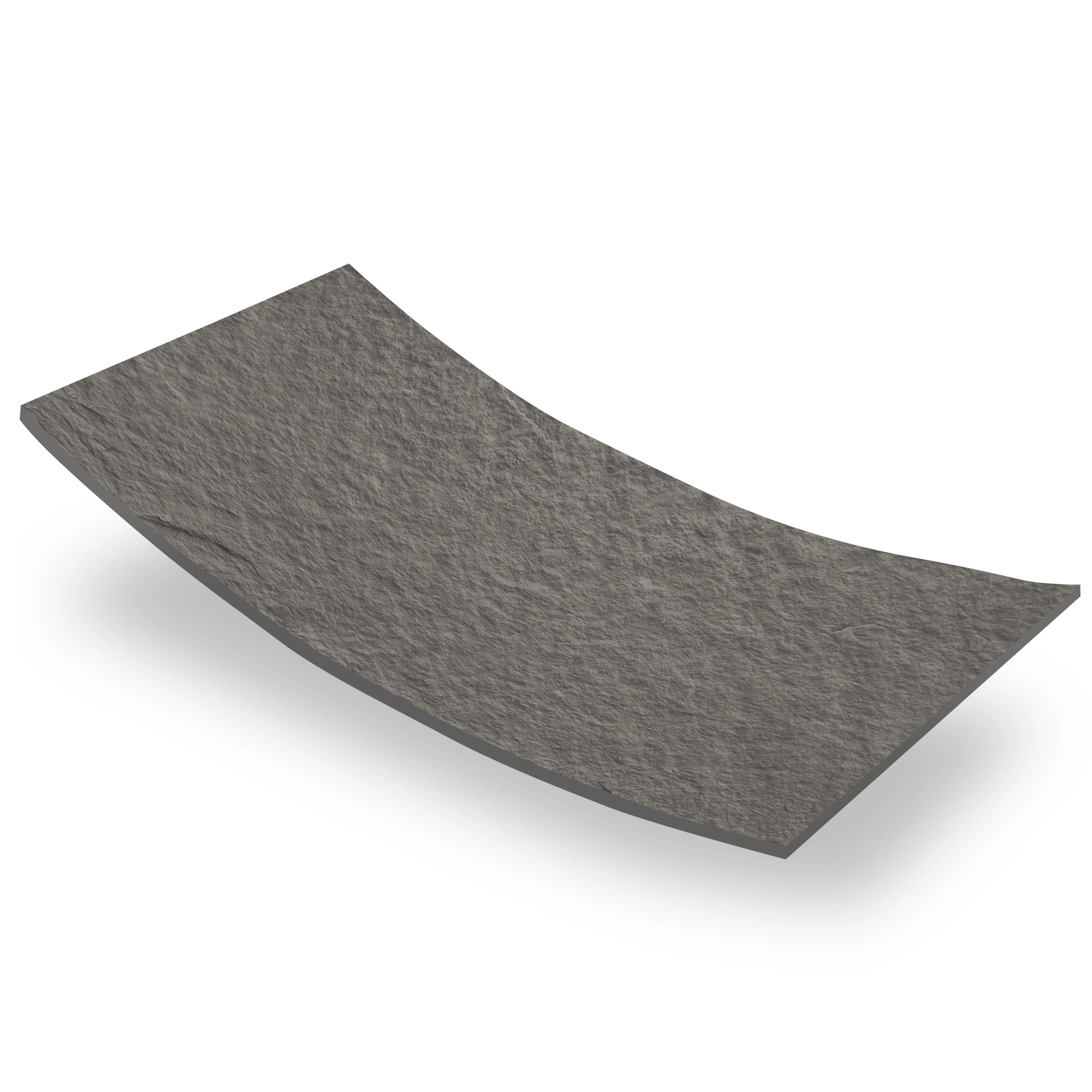
Let's start with the basics: rough granite stone (medium grey) is not your average building material. Formed over millennia by the slow cooling of magma deep within the Earth, granite is inherently durable—a quality that makes it ideal for high-traffic commercial spaces. But it's the "rough" texture and "medium grey" hue that elevate it from a practical choice to a design powerhouse.
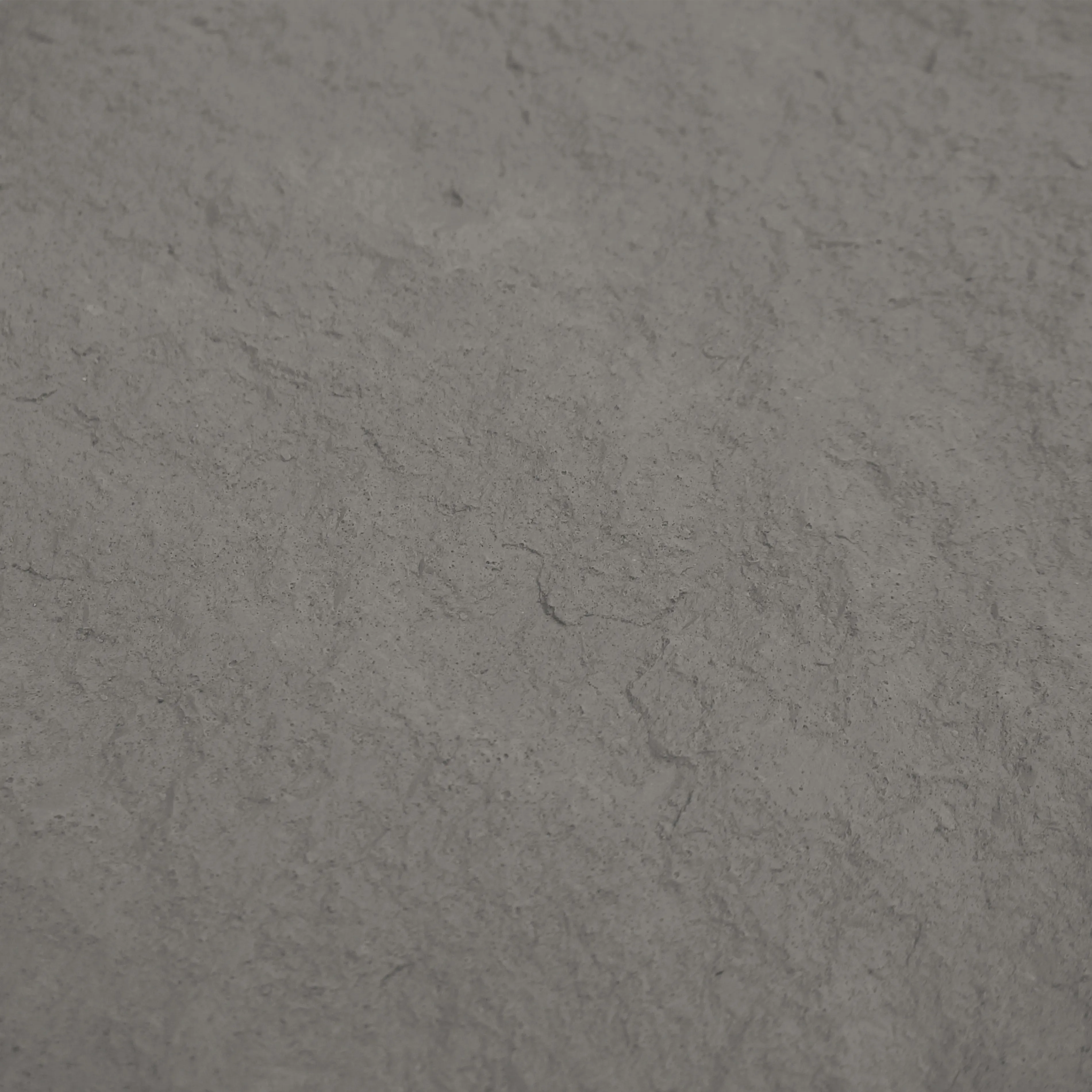
Grey is often dismissed as "neutral," but in the context of corporate design, it's anything but boring. Medium grey, in particular, strikes a masterful balance: lighter than charcoal (which can feel heavy) and deeper than pale grey (which might read as sterile). It's a color that adapts—complementing bold accents without overwhelming them, and grounding vibrant palettes without draining energy. In rough granite, this hue takes on depth: flecks of white, black, and even subtle hints of blue or green (depending on the stone's origin) catch the light, creating a surface that feels alive rather than flat.
The "rough" in rough granite stone is where the magic happens. Unlike polished stone, which can feel cold and distant, the rough texture invites touch. Run a hand over it, and you'll feel the irregularities—the grooves left by natural formation, the slight bumps that tell the story of its geological journey. This tactile quality humanizes the space: it's a reminder that even in a world of sleek technology, there's beauty in imperfection. For employees, this texture can feel reassuring—a physical representation of the brand's resilience. For clients, it signals authenticity: a company that values substance over surface.
Beyond aesthetics, rough granite stone (medium grey) checks all the boxes for commercial use. It's scratch-resistant, heat-resistant, and impervious to moisture—qualities that make it suitable for everything from lobby floors to accent walls in busy break rooms. Unlike wood, it won't warp or fade; unlike paint, it won't chip or peel. And while it may require occasional sealing to protect against stains, its long lifespan means fewer replacements over time—a win for both budgets and sustainability.
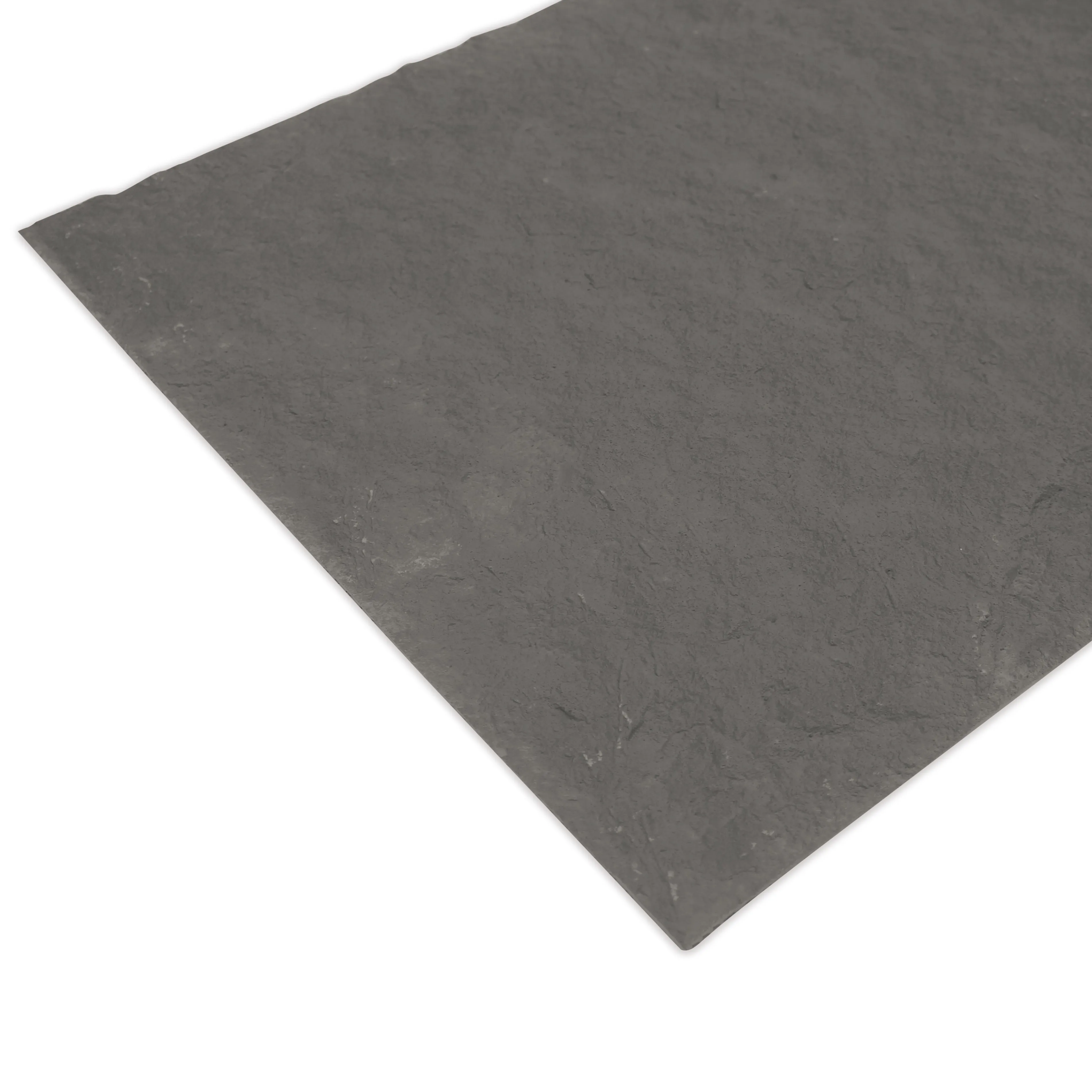
Great design is rarely about a single material—it's about how materials converse with one another. Rough granite stone (medium grey) shines brightest when paired with partners that highlight its strengths. Let's explore two materials that complement it beautifully: fair-faced concrete and wood grain board.
Fair-faced concrete—with its raw, industrial charm—shares rough granite's love of texture and authenticity. When paired, the two materials create a palette of earthy neutrals that feels both modern and timeless. Imagine a lobby with rough granite stone (medium grey) accent walls and fair-faced concrete floors: the concrete's smooth yet porous surface contrasts with the granite's ruggedness, while their shared grey undertones create cohesion. This combination works particularly well for tech companies or financial firms aiming to project innovation rooted in stability—think "forward-thinking, but built to last."
For brands seeking to soften rough granite's edges without sacrificing its impact, wood grain board is the perfect counterpoint. Wood brings warmth, organic pattern, and a hint of nature into the space—qualities that balance granite's stone-like solidity. Picture a conference room with a rough granite stone (medium grey) feature wall and wood grain board paneling on adjacent walls: the wood's warm tones (think oak, walnut, or maple) add approachability, while the granite anchors the room with authority. This pairing is ideal for consulting firms, law offices, or creative agencies that want to feel both professional and welcoming—spaces where clients feel comfortable sharing ideas, and employees feel motivated to collaborate.
| Material | Aesthetic Vibe | Durability | Maintenance | Best For Brands That Value… |
|---|---|---|---|---|
| Rough Granite Stone (Medium Grey) | Rugged, refined, timeless | Exceptional (resistant to scratches, heat, moisture) | Low (occasional sealing) | Stability, authenticity, longevity |
| Fair-Faced Concrete | Industrial, modern, minimalist | High (durable, but prone to staining if unsealed) | Moderate (sealing required every 1-2 years) | Innovation, transparency, raw creativity |
| Wood Grain Board | Warm, organic, approachable | Moderate (susceptible to scratches, moisture damage) | Regular (polishing, occasional refinishing) | Collaboration, warmth, sustainability |
To truly understand the impact of rough granite stone (medium grey), let's look at how real brands have integrated it into their office design.
A mid-sized investment firm in Chicago wanted to redesign its headquarters to reflect its brand values: "stability, trust, and forward-thinking." The design team opted for rough granite stone (medium grey) as the primary material for the lobby and reception area. The stone clads the walls behind the reception desk, creating a backdrop that feels both imposing and inviting. Paired with fair-faced concrete floors and brushed nickel fixtures, the space projects confidence without coldness. "Clients often comment on how the lobby feels 'solid'—like we're a firm they can rely on," says the firm's CEO. "But it's not just for clients: our employees walk through that lobby every day, and I think the granite reminds them that we're building something lasting."
A creative agency specializing in brand strategy wanted an office that felt "collaborative, bold, and rooted in creativity." They chose rough granite stone (medium grey) for their main meeting room walls, pairing it with wood grain board ceilings and pops of travertine (starry blue) as accent tiles. The result? A space that balances structure (granite) with flexibility (wood) and creativity (blue accents). "The granite keeps us grounded," says the agency's creative director. "It's a reminder that even the wildest ideas need a strong foundation. And the texture? Our team loves it—people lean against it during brainstorming sessions, run their hands over it when they're thinking. It's become part of how we work."
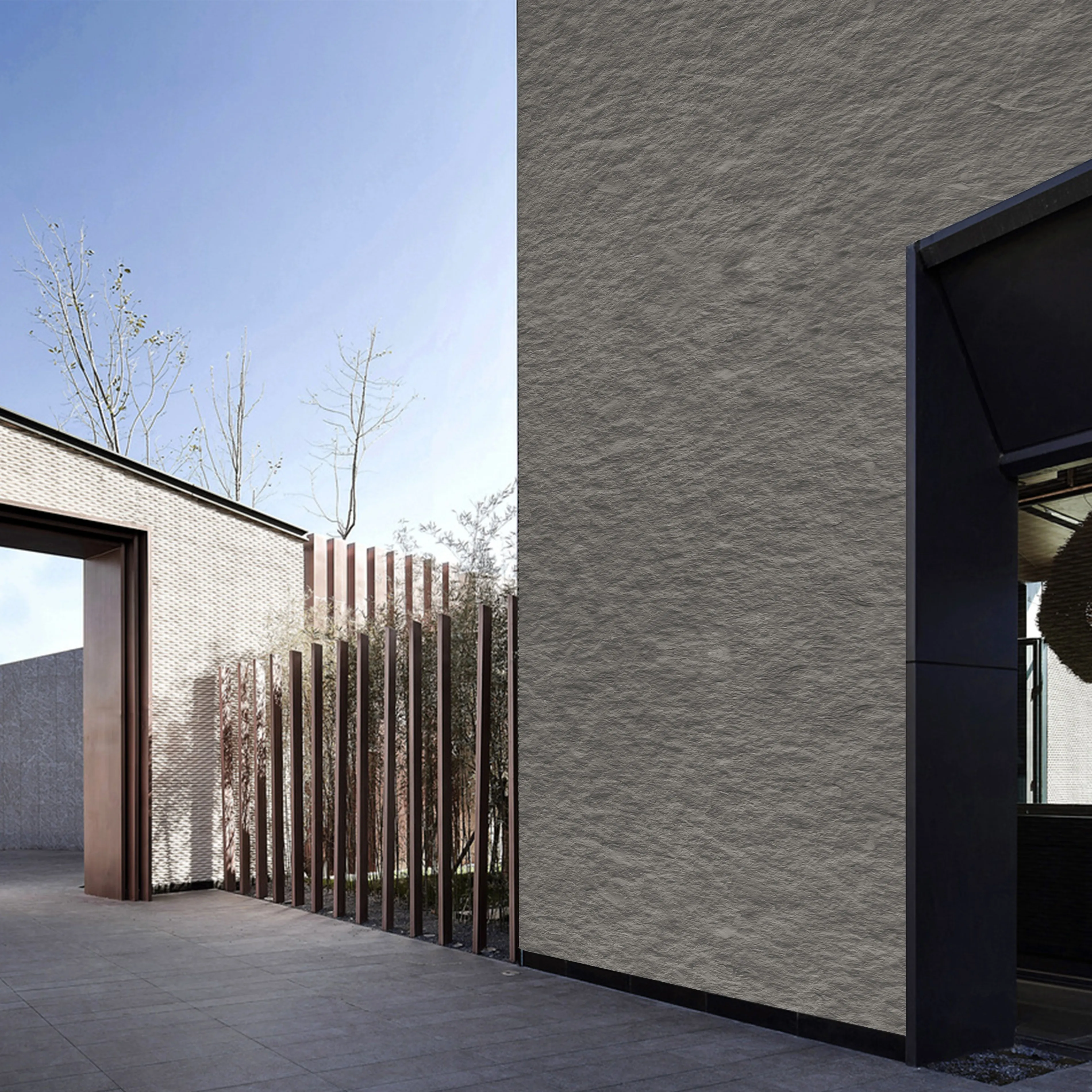
In today's corporate landscape, sustainability is no longer a "nice-to-have"—it's a core part of identity. Fortunately, rough granite stone (medium grey) aligns with this ethos. As a natural material, it requires minimal processing compared to synthetic alternatives like vinyl or laminate. Its durability also means fewer replacements over time, reducing waste. Additionally, many quarries now prioritize responsible mining practices, ensuring that the stone is sourced in ways that minimize environmental impact. When paired with other sustainable materials—like FSC-certified wood grain board or low-VOC paints—rough granite becomes part of a holistic approach to green design, allowing brands to walk the walk of their sustainability commitments.
In the end, rough granite stone (medium grey) is more than just a building material. It's a tool for storytelling—a way for brands to communicate who they are without saying a word. Its medium grey hue speaks to balance; its rough texture, to authenticity; its durability, to longevity. Whether paired with fair-faced concrete for a modern edge, wood grain board for warmth, or bold accents like travertine (starry blue) for creativity, it adapts to the brand's unique voice, enhancing rather than overshadowing it.
For commercial office buildings, the choice of materials is an investment in identity. And in a world where trends come and go, rough granite stone (medium grey) stands out as a timeless choice—one that will continue to tell the brand's story for decades to come. After all, great corporate identity isn't about following fads; it's about building something that lasts. And few materials embody "lasting" quite like rough granite stone (medium grey).
Recommend Products












