
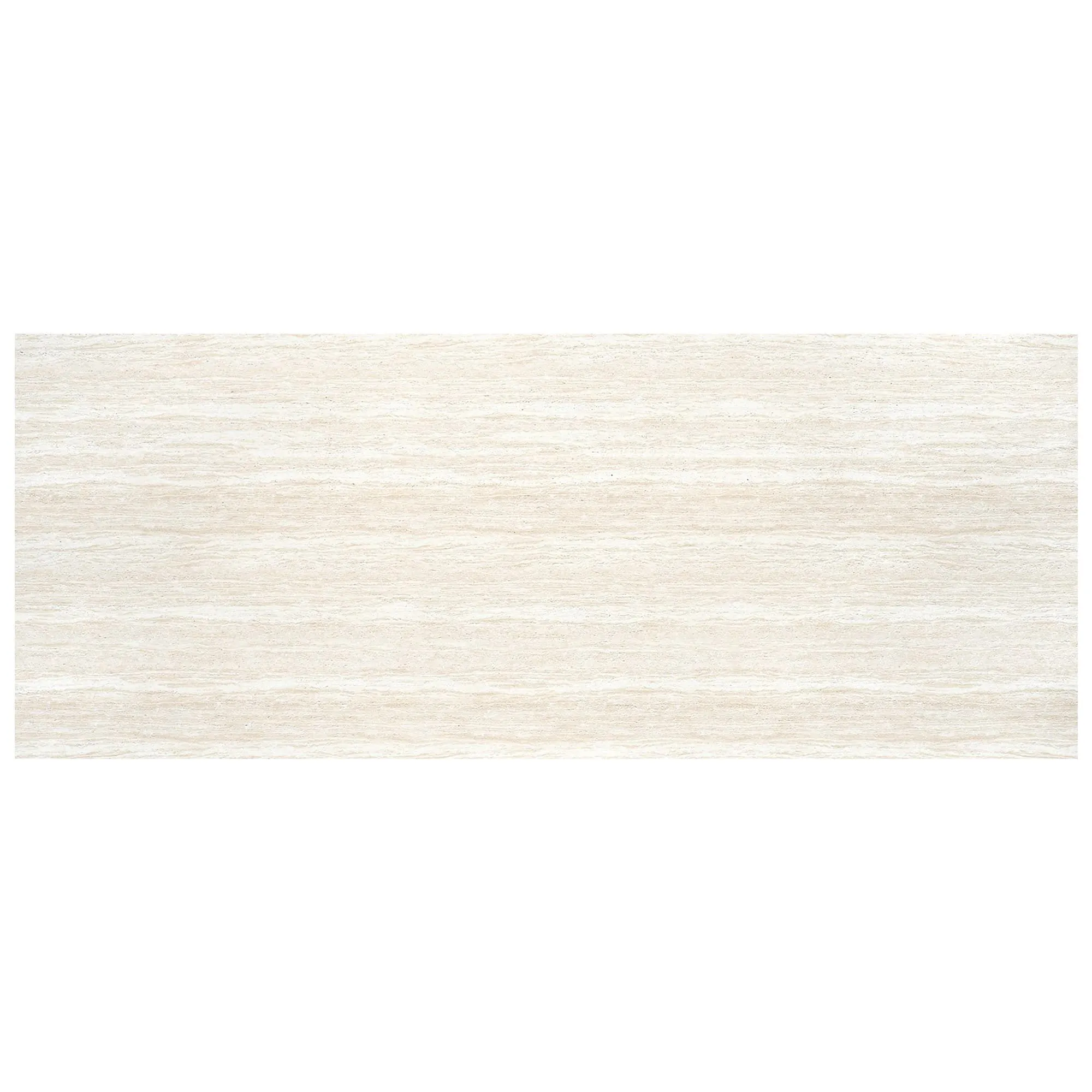
Walk into a modern office today, and you'll likely notice a shift. Gone are the days of sterile cubicles and generic white walls. Instead, there's a quiet revolution happening—one that prioritizes how a space feels just as much as how it functions. Employees don't just want to work; they want to belong . Clients don't just want to meet; they want to sense a brand's identity in every texture and tone. This is where the magic of materials comes in—and few have captured this balance quite like MCM's innovative offerings, with the Wood Line series leading the charge. In a world where "professional" often gets conflated with "cold," and "warm" risks feeling unpolished, MCM Wood Line isn't just a material—it's a bridge. Let's dive into how this series, paired with complementary MCM materials like fair-faced concrete, travertine (beige), and lunar peak silvery, is redefining what it means to design an office that's both inviting and impressively put-together.
Think back to the offices of the 90s: harsh fluorescent lighting, gray carpeting that swallowed sound, and desks arranged in rigid rows. The message was clear: work happens here, and little else. Fast forward to 2025, and the narrative has flipped. Today's offices are designed to foster collaboration, spark creativity, and even offer moments of calm. They're spaces where team members might brainstorm on a cozy couch, take a call by a sunlit window, or grab coffee at a communal bar that feels more like a neighborhood café than a break room. This shift isn't just about aesthetics—it's about recognizing a fundamental truth: people do their best work when they feel valued, and a well-designed space is one of the most tangible ways to show that value.
But here's the challenge: how do you create a space that feels "homey" without sacrificing the polish clients expect? How do you infuse warmth without making the office feel unprofessional? This is the tightrope designers walk, and it's where material choice becomes critical. Too much glass and steel, and the space feels like a museum—beautiful but unwelcoming. Too many soft, plush elements, and it risks feeling more like a living room than a place of business. The sweet spot lies in materials that tell a story: ones with texture that invites touch, colors that evoke emotion, and durability that stands up to the chaos of daily life.
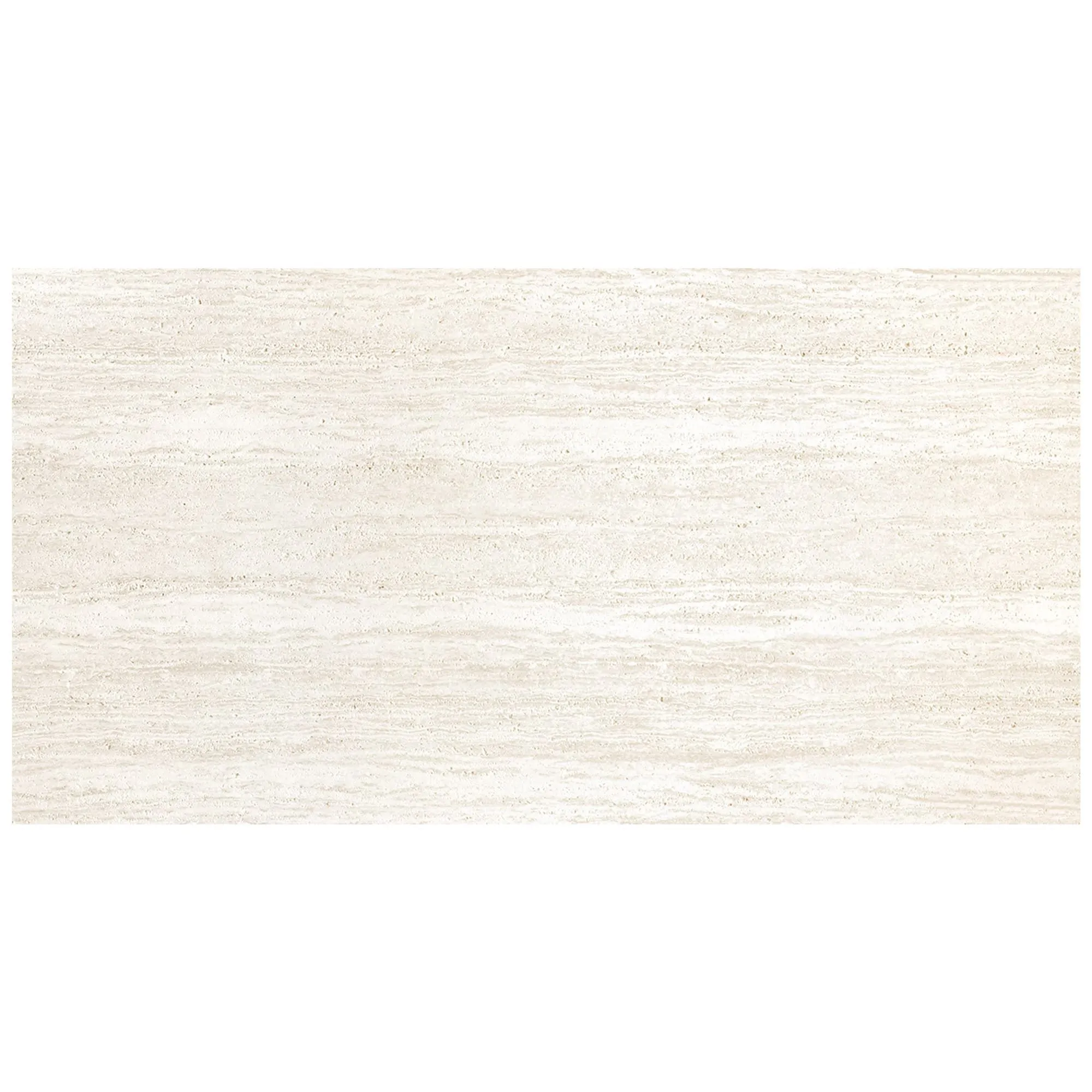
Enter MCM (Modified Composite Material)—a technology that's been turning heads in the design world for its ability to marry the best of nature and innovation. MCM products are engineered to mimic the look and feel of natural materials—wood, stone, concrete—while offering advantages that natural materials can't match: flexibility, sustainability, and resistance to wear and tear. For commercial spaces like offices, this is a game-changer. Imagine a wood-look panel that won't warp in humidity, a stone-inspired surface that's lightweight enough for ceiling installations, or a concrete finish that doesn't require the heavy, energy-intensive installation of traditional concrete. MCM makes the impossible possible, opening up a world of design freedom.
But MCM isn't just about practicality—it's about emotion. The best materials don't just look good; they feel authentic. When you run your hand over an MCM Wood Line panel, you'll notice the subtle grain, the slight variation in tone—details that make it feel less like a "product" and more like a piece of nature, thoughtfully integrated into the built environment. This authenticity is key because it creates a subconscious connection. We humans are hardwired to respond to natural elements; they ground us, calm us, and make us feel more at ease. In an office setting, that translates to lower stress levels, higher engagement, and a stronger sense of community.
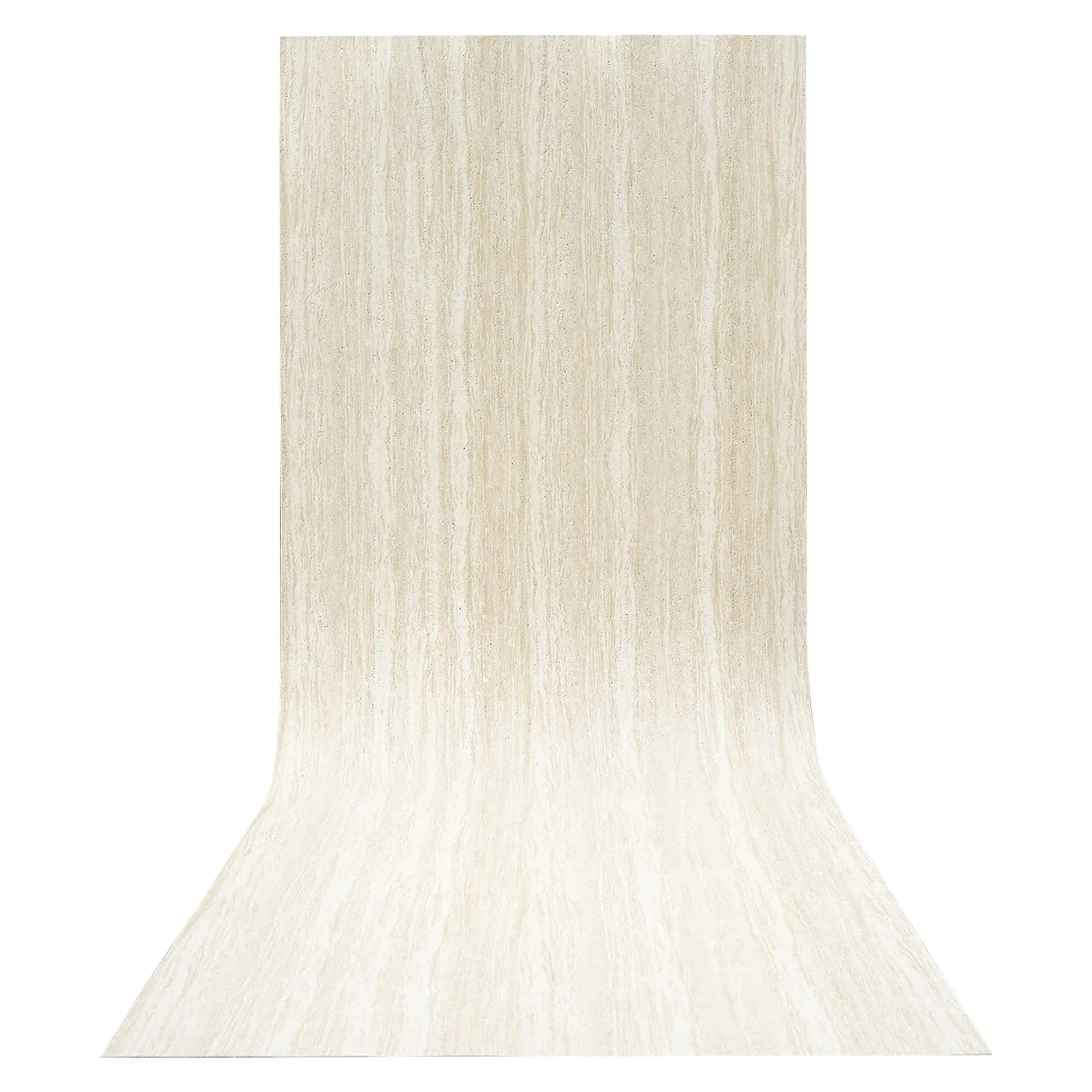
If MCM is the revolution, then the Wood Line series is its most charismatic leader. Designed to capture the timeless appeal of wood without the maintenance headaches, MCM Wood Line is a love letter to the natural world, reimagined for the demands of modern offices. Let's start with the texture: unlike cheap laminates that scream "fake," Wood Line panels boast a depth that mimics real wood's unique character. You'll find knots, grain patterns, and color variations that make each panel feel one-of-a-kind, just like a real wooden plank. But here's the kicker: unlike real wood, MCM Wood Line is resistant to scratches, moisture, and fading. That means it can handle the daily hustle—coffee spills, rolling chairs, even the occasional rogue stapler—without losing its charm. For high-traffic areas like reception desks, conference room tables, or open workspace benching, this durability is a lifesaver.
But what truly sets Wood Line apart is its versatility. It's not limited to flooring or wall panels (though it shines there). Thanks to MCM's flexible manufacturing process, Wood Line can be shaped into custom forms—think curved accent walls, floating shelves, or even ceiling baffles that add warmth to otherwise stark overhead spaces. This flexibility lets designers get creative, using Wood Line to define zones within an open office. Maybe a Wood Line feature wall behind the reception desk to welcome visitors, or Wood Line slats along a hallway to guide people through the space while softening sound. The possibilities are endless, and each application adds a layer of intentionality that generic materials simply can't match.
Emotionally, Wood Line hits all the right notes. Wood has long been associated with comfort, warmth, and nostalgia—it's the material of childhood treehouses, family dining tables, and cozy cabins. Bringing that into the office isn't just about aesthetics; it's about creating a sense of familiarity in a space that can often feel transactional. When employees walk into an office with Wood Line elements, they're not just entering a workplace—they're entering a space that feels human . It says, "We care about your experience here," and that small message can make a big difference in morale and loyalty.
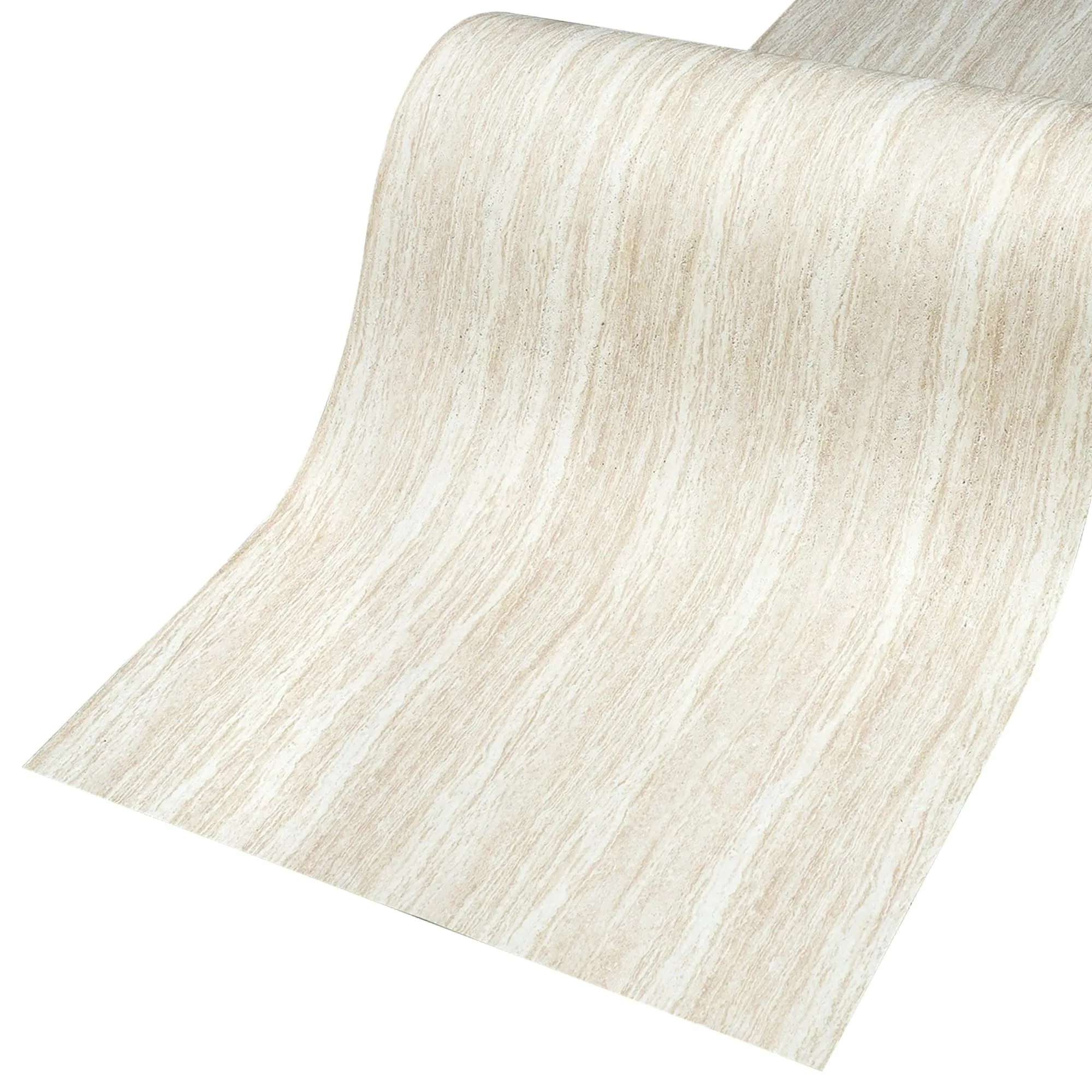
Great design is rarely about a single star—it's about a supporting cast that makes the lead shine brighter. MCM Wood Line is no exception, and when paired with the right complementary materials, its warmth and professionalism are amplified. Let's meet three standout co-stars: fair-faced concrete, travertine (beige), and lunar peak silvery. Each brings something unique to the table, creating a harmony that feels intentional and balanced.
| Material | Aesthetic Vibe | Best For | Emotional Impact |
|---|---|---|---|
| MCM Wood Line | Warm, organic, textured—mimics real wood with subtle grain and knots. | Feature walls, flooring, shelving, conference tables. | Invites comfort and familiarity; reduces stress and fosters connection. |
| Fair-faced Concrete | Raw, industrial, minimalist—smooth with subtle variations in tone. | Accent walls, countertops, structural columns. | Adds edge and sophistication without coldness; balances warmth with modernity. |
| Travertine (Beige) | Earthy, warm, timeless—porous with soft, natural veining. | Flooring, reception desks, backsplashes. | Evokes stability and groundedness; brings a touch of nature indoors. |
| Lunar Peak Silvery | Sleek, modern, metallic—cool-toned with a subtle shimmer. | Accent panels, lighting fixtures, trim details. | Adds elegance and forward-thinking energy; elevates the space with a hint of luxury. |
At first glance, concrete might seem like an odd bedfellow for Wood Line's warmth, but that's exactly what makes their pairing so brilliant. Fair-faced concrete—with its raw, unpolished finish and subtle gray tones—adds a touch of industrial chic that prevents the space from feeling too "soft." Think of it as the perfect counterbalance: Wood Line wraps the space in warmth, while fair-faced concrete adds structure and edge. Together, they create a dynamic tension that feels modern and balanced.
Take, for example, a conference room. Imagine Wood Line paneling on the lower half of the walls, grounding the space, and fair-faced concrete on the upper half, adding height and sophistication. The table could be a sleek fair-faced concrete slab with Wood Line legs, merging the two materials seamlessly. The result? A room that feels both authoritative (ideal for client meetings) and approachable (perfect for team brainstorming). Fair-faced concrete also has a practical side: its durability and sound-dampening properties make it ideal for high-use areas, and its neutral tone acts as a blank canvas, letting Wood Line's warmth take center stage.
If Wood Line is the "cozy sweater" of the material world, travertine (beige) is the "warm hug." This classic stone-inspired MCM material brings all the earthy charm of natural travertine—think soft beige tones, subtle veining, and a porous texture that feels lived-in and authentic—without the hassle of sealing or staining. Travertine (beige) is the ultimate team player: it complements Wood Line's warmth while adding a layer of sophistication that feels timeless.
In an office setting, travertine (beige) shines as flooring, especially in high-traffic areas like lobbies or hallways. Its neutral color hides scuffs and wear, making it practical for busy spaces, while its natural texture adds visual interest that keeps the eye moving. Pair it with Wood Line accents—maybe a Wood Line bench in the lobby or Wood Line trim around doorways—and you've got a space that feels grounded and welcoming. Emotionally, travertine (beige) evokes stability and reliability, which is perfect for client-facing areas. It says, "We're here for the long haul," and that sense of permanence can build trust with both employees and visitors.
Every design needs a little sparkle, and lunar peak silvery delivers just that—without going over the top. This sleek, metallic MCM material has a cool, silvery tone with a subtle shimmer that catches the light, adding a touch of modern elegance to any space. It's the perfect accent material, used sparingly to elevate Wood Line's warmth and add a hint of forward-thinking energy.
Imagine a Wood Line feature wall in a breakout area, with lunar peak silvery strips running vertically up the wall to add height and visual interest. Or lunar peak silvery ceiling tiles in a reception area, reflecting light and making the space feel brighter and more open. Even small touches—a lunar peak silvery trim around a Wood Line bookshelf or a lunar peak silvery frame around a company logo—can make a big difference. Emotionally, lunar peak silvery feels aspirational; it adds a touch of luxury that says, "We pay attention to the details," which resonates with both employees (who feel proud to work in a well-designed space) and clients (who associate attention to detail with quality work).
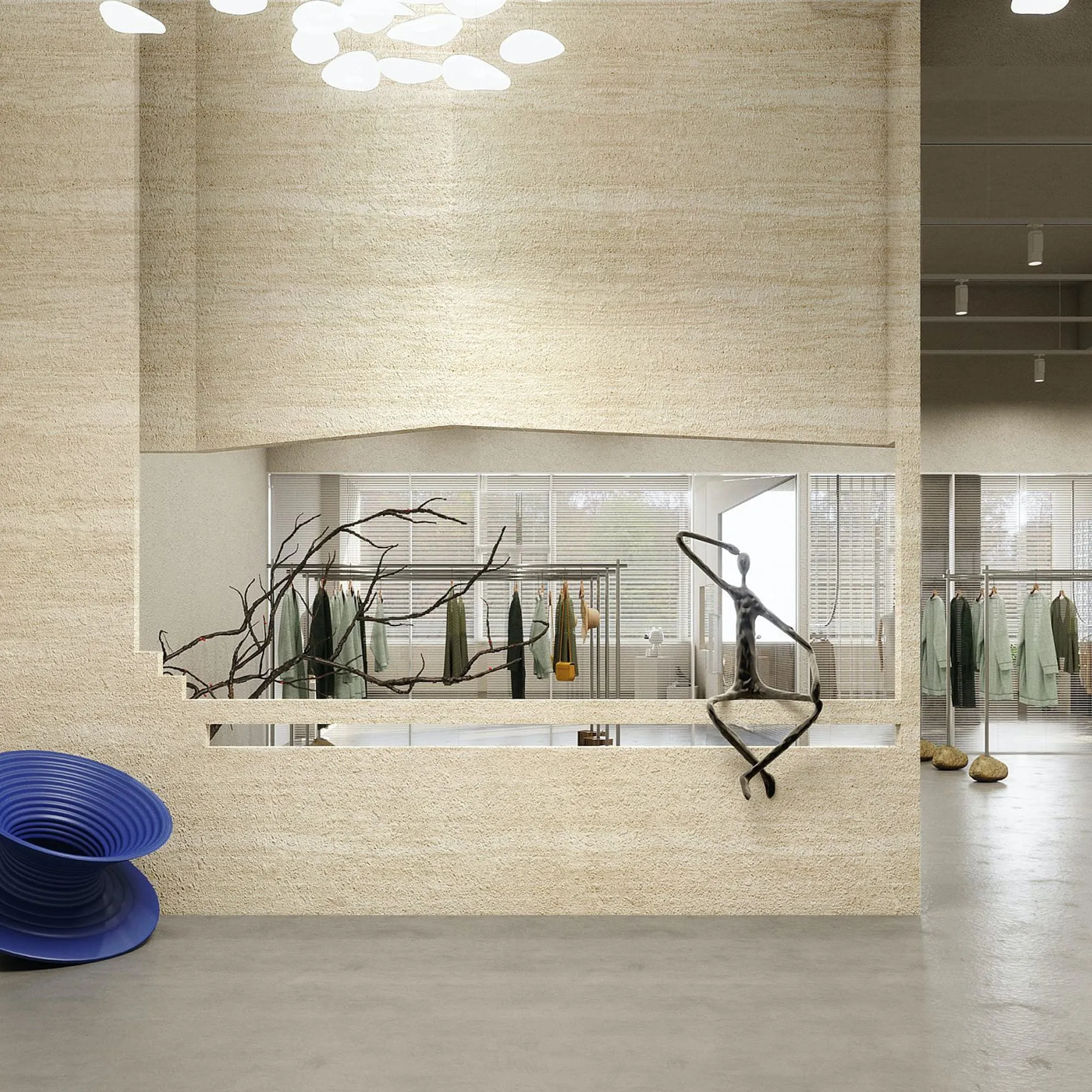
Let's paint a picture of a hypothetical office transformed by MCM Wood Line and its supporting cast. Meet "Elevate Tech," a mid-sized software company that wanted to move away from their generic, cookie-cutter office and create a space that reflected their values: innovation, collaboration, and employee well-being. Their design brief was simple: "Warm but not cozy, professional but not stiff." Here's how MCM materials brought that vision to life.
The lobby sets the tone: a large Wood Line feature wall behind the reception desk, its warm walnut-like tone welcoming visitors. The reception desk itself is a combination of fair-faced concrete (for a sleek, modern base) and travertine (beige) (for a warm, earthy countertop). Above, a statement light fixture with lunar peak silvery accents hangs from the ceiling, catching the natural light from the floor-to-ceiling windows and casting a soft glow. To the left, a seating area features a Wood Line bench paired with plush, neutral-toned cushions, inviting visitors to relax. Already, the space feels approachable but polished—exactly what Elevate Tech wanted.
Moving into the open workspace, the flooring is a mix of Wood Line planks (in a lighter oak tone) and travertine (beige) tiles, creating distinct zones: Wood Line for collaborative areas, travertine for quieter workspaces. The walls are painted a soft white, but Wood Line slats run horizontally halfway up, adding texture and warmth without overwhelming the space. Meeting rooms feature fair-faced concrete accent walls with Wood Line trim, and the ceilings have lunar peak silvery baffles that help absorb sound while adding a modern touch. Even the break room gets love: a Wood Line breakfast bar with stools, a fair-faced concrete backsplash, and travertine (beige) countertops. The result? Employees report feeling more energized and connected, and clients often comment on how "put-together" the space feels—high praise for a company that prides itself on innovation.
This isn't just a hypothetical success story; it's a testament to how intentional material choice can transform a space from "meh" to "memorable." When materials work together to tell a story—one of warmth, professionalism, and attention to detail—they create an experience that lingers long after the meeting ends or the workday wraps up.
In 2025, no discussion of design is complete without talking about sustainability—and MCM materials shine here, too. Traditional wood products often come with a heavy environmental cost: deforestation, high carbon emissions from transportation, and limited durability that leads to frequent replacements. MCM Wood Line, on the other hand, is engineered to mimic the look of wood without relying on natural timber. It's made from recycled and sustainable materials, and its durability means it won't need to be replaced every few years. Similarly, fair-faced concrete and travertine (beige) MCM panels are lightweight, reducing the energy needed for transportation and installation, and they're often made with recycled content.
For companies like Elevate Tech, this sustainability angle is more than just a bonus—it's a core value. Today's employees, especially younger generations, want to work for companies that prioritize the planet, and a sustainable office design is a tangible way to demonstrate that commitment. When employees know their workspace was built with eco-friendly materials, it adds another layer of pride and connection to the company mission. Clients, too, are increasingly drawn to businesses that align with their own sustainability values, making MCM materials not just a design choice, but a strategic one.
At the end of the day, the goal of office design is simple: to create a space that works for the people in it. And in 2025, that means prioritizing both warmth and professionalism. MCM Wood Line, with its ability to mimic the comfort of wood while offering the durability of modern materials, is the perfect foundation for that balance. When paired with fair-faced concrete (for edge), travertine (beige) (for earthy warmth), and lunar peak silvery (for modern elegance), it creates a symphony of textures and tones that feels intentional, human, and polished.
These materials aren't just about making the office "look nice"—they're about making it feel right. They're about creating a space where employees wake up excited to go to work, where clients leave impressed by the attention to detail, and where everyone feels a little more connected to the space and the people in it. In a world that's becoming increasingly digital, the physical workspace has never been more important as a place of human connection. MCM materials get that, and they're leading the charge in creating offices that don't just function—they inspire.
So, if you're designing an office in 2025, remember: warmth and professionalism don't have to be enemies. In fact, when you choose materials like MCM Wood Line, fair-faced concrete, travertine (beige), and lunar peak silvery, they become partners—working together to create a space that's as human as the people who inhabit it. And in the end, that's the greatest design success of all.
Recommend Products












