
Walking into a modern commercial space—a sleek hotel lobby, a bustling retail mall, or a cutting-edge office building—what catches your eye first? Often, it's the materials that shape the environment. The floors underfoot, the walls that frame the space, the textures that invite touch—they're not just building elements. They're storytellers, setting the mood, conveying brand identity, and even influencing how we feel in a room. But for commercial projects, choosing the right materials is a balancing act: durability to withstand heavy foot traffic, aesthetics to impress clients and visitors, and sustainability to align with today's eco-conscious values. This is where COLORIA GROUP's MCM (Modified Cementitious Material) engineering-grade materials step in, redefining what's possible for commercial design.
As a one-stop solution provider in the building materials industry, COLORIA GROUP brings decades of expertise to the table, with a global footprint that includes a strong presence in Saudi Arabia. Their MCM series—born from innovative modified cementitious technology—isn't just about "materials." It's about empowering architects and designers to turn vision into reality, without compromising on performance or planet. Let's dive into how their engineering-grade materials, from flexible stone to 3D-printed panels, are transforming commercial spaces worldwide.
At the core of COLORIA's offerings is MCM, or Modified Cementitious Material—a game-changer in construction chemistry. Imagine taking the strength of traditional cement and infusing it with flexibility, lightness, and endless design potential. Unlike heavy natural stone or rigid concrete, MCM materials are engineered to be lightweight (reducing structural load), durable (resistant to impact, weather, and wear), and eco-friendly (low carbon footprint, often incorporating recycled materials). But what truly sets them apart is their versatility. Whether you need a massive slab that mimics rare marble, a flexible sheet that wraps around curved walls, or a 3D-printed panel with intricate patterns, MCM delivers. Let's break down the stars of the show: the MCM Project Board Series, MCM 3D Printing Series, MCM Flexible Stone, and MCM Big Slab Board Series—each tailored to solve specific commercial design challenges.
When it comes to commercial construction—think high-rise office exteriors, shopping mall facades, or airport terminals—consistency, speed, and reliability are non-negotiable. This is where the MCM Project Board Series shines. Designed specifically for large-scale projects, these panels are the workhorses of the MCM lineup, combining structural integrity with design flexibility.
What makes them ideal for commercial use? First, their dimensional stability. Unlike natural stone, which can crack or warp under temperature changes, MCM Project Boards maintain their shape, even in extreme climates—critical for buildings in regions like Saudi Arabia, where scorching summers and occasional sandstorms test materials to their limits. Second, installation efficiency. These panels are prefabricated to precise specifications, cutting down on on-site labor time and minimizing errors. For a commercial developer, time saved means faster project completion and lower costs.
Take, for example, a recent project in Riyadh: a 20-story office tower with a facade that needed to make a bold statement while withstanding the city's harsh sun. The design team chose MCM Project Boards in "Fair-Faced Concrete" finish—a raw, industrial look that exudes modernity. The panels were custom-colored to match the client's brand palette and installed in just 6 weeks, a timeline that would have been impossible with traditional concrete pouring. The result? A sleek, uniform facade that looks like it was carved from a single block, yet weighs 60% less than solid concrete, reducing the building's structural load.
But it's not just about function—these boards play with texture, too. Options like "Rust Square Line Stone" add depth with linear patterns that catch the light, while "Masonry Stone" mimics the warmth of traditional brickwork without the maintenance hassle. For commercial spaces aiming to blend industrial edge with approachable warmth, the MCM Project Board Series is the unsung hero.
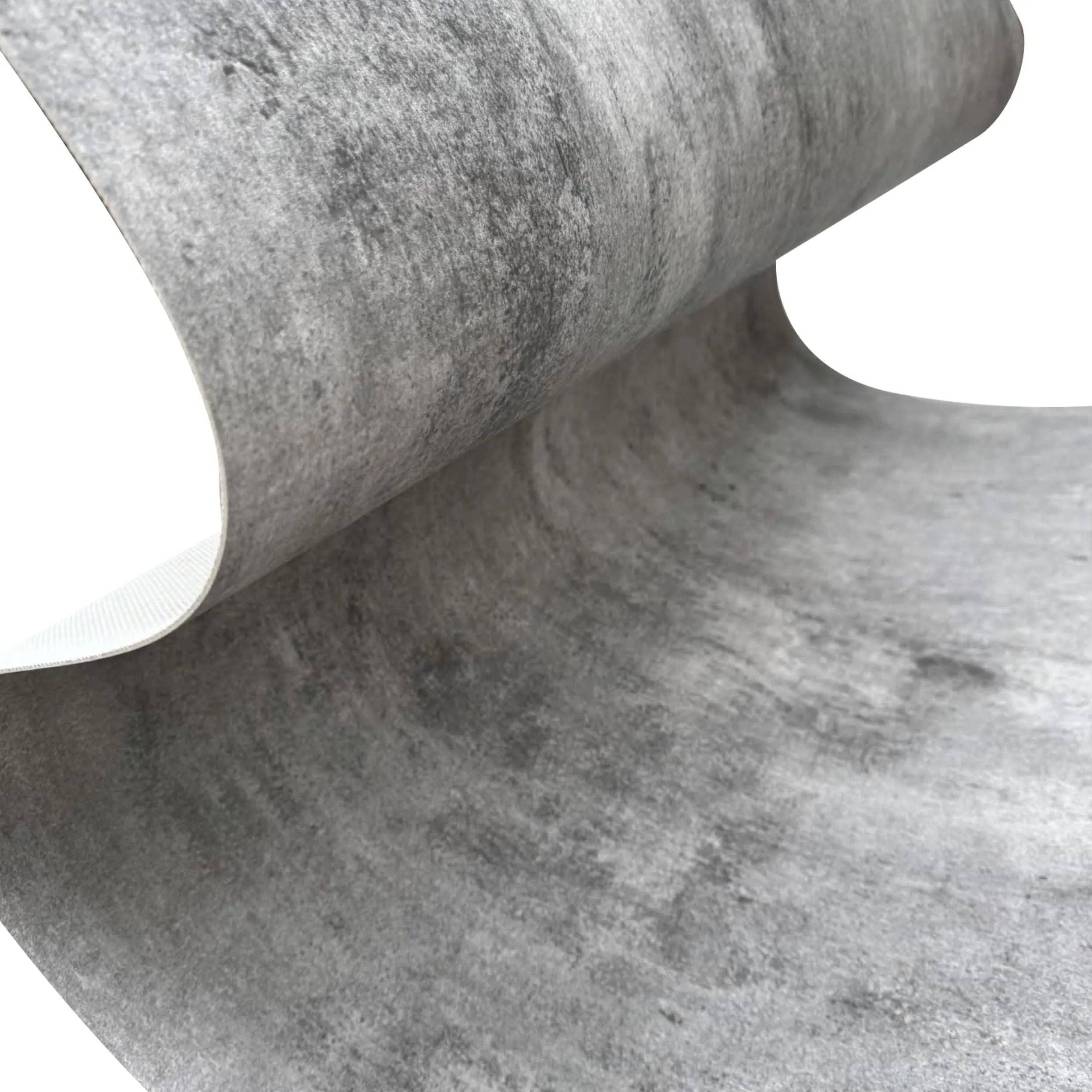
Innovation in commercial design often starts with breaking free from traditional manufacturing constraints. Enter the MCM 3D Printing Series—a revolution for architects who refuse to be limited by "standard" shapes. 3D printing isn't new, but COLORIA's MCM 3D-printed materials are in a league of their own: they combine the precision of 3D technology with the tactile quality of natural materials, all while keeping sustainability front and center.
Imagine a hotel lobby with a feature wall that looks like a frozen wave, its curves so organic they seem sculpted by hand. Or a retail store facade with geometric patterns that shift and change as the sun moves. With MCM 3D Printing, these designs aren't just dreams—they're deliverable. The technology allows for complex geometries, intricate textures, and even custom gradients that would be impossible (or prohibitively expensive) with traditional casting or cutting methods.
One standout application is "Wave Panel," a 3D-printed MCM design that mimics the motion of ocean waves. Installed in a beachfront resort in Dubai, the panels wrap around the lobby's curved walls, creating a sense of flow that connects the interior to the sea outside. What's remarkable? Each panel is printed with recycled MCM powder, reducing waste, and the lightweight material meant no extra structural support was needed for the curved installation. "Starry Green Travertine" is another crowd-pleaser—3D-printed panels embedded with iridescent particles that sparkle like stars when hit by light, turning a corporate office's reception area into a conversation starter.
But 3D printing isn't just about aesthetics. It's about efficiency, too. Traditional custom panels require molds, which are costly and time-consuming to produce. With 3D printing, designs are digital—tweaks can be made in hours, not weeks—and production runs are on-demand, minimizing excess material. For commercial projects with tight deadlines and unique design briefs, this is a game-changer. It's technology with a human touch, letting designers tell stories through shape and texture.
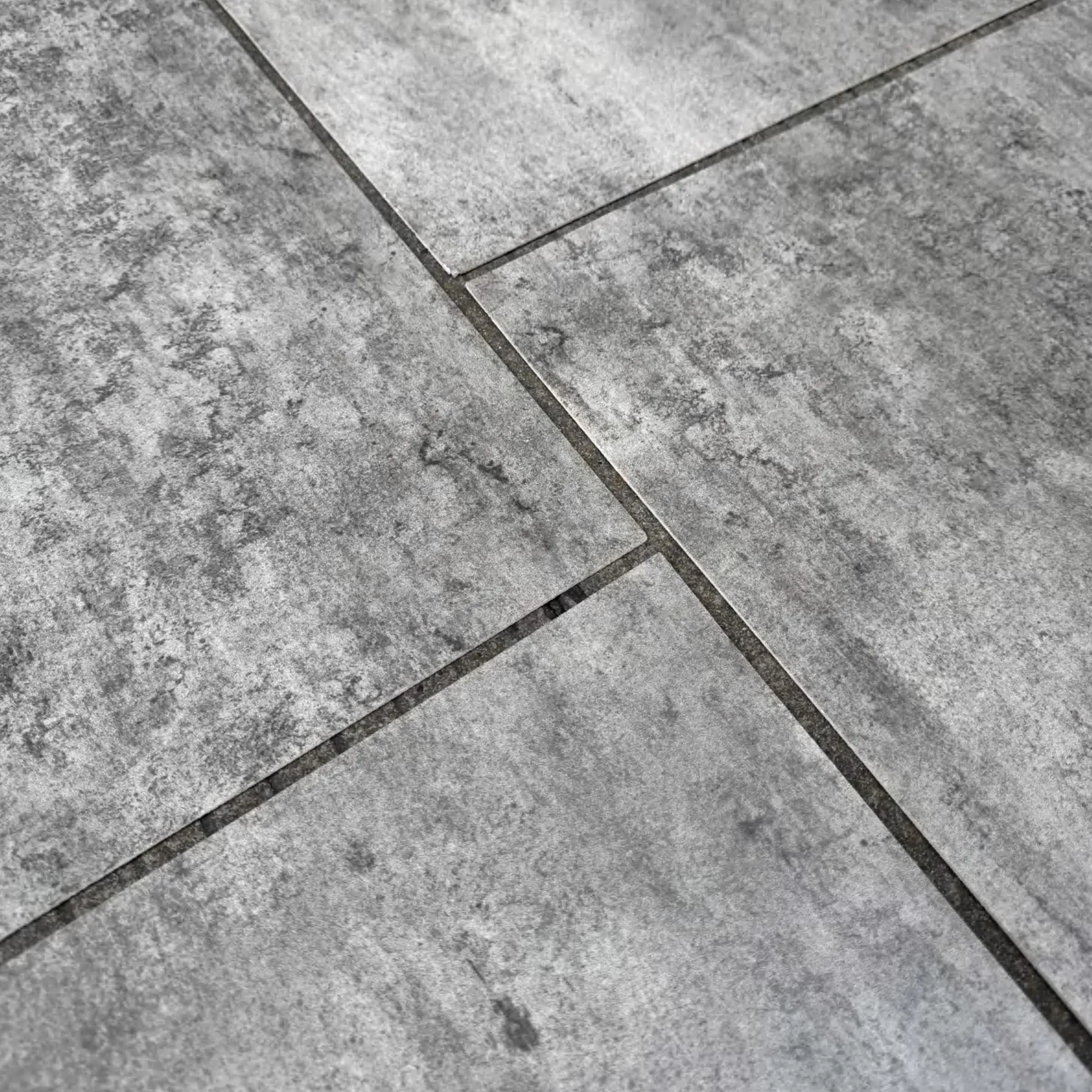
Here's a paradox of commercial design: we love the look of stone, but hate its rigidity. Stone is heavy, brittle, and impossible to bend—until now. MCM Flexible Stone reimagines stone as something… flexible. Think of it as stone with the drape of fabric, the strength of armor, and the beauty of nature. It's a material that bends, wraps, and conforms to curves, opening up a world of design possibilities for commercial spaces.
How does it work? COLORIA's engineers have modified the MCM matrix to be ultra-malleable, allowing sheets as thin as 3mm to flex without cracking. Yet, despite its flexibility, it's tough—resistant to scratches, moisture, and UV rays, making it perfect for high-traffic areas like hotel corridors, restaurant banquettes, or retail fitting rooms. Imagine a coffee shop with a curved bar front clad in "Bamboo Mat Board" flexible stone, its texture soft to the touch but durable enough to withstand daily spills and cleaning. Or a boutique hotel's curved staircase wrapped in "Travertine (Starry Blue)," where the stone-like surface flows seamlessly from wall to step, creating a sense of continuity that rigid materials could never achieve.
One of the most striking uses is in retail facades. A luxury brand in Paris wanted their flagship store to stand out with a facade that looked like it was "woven" from stone—a nod to the brand's textile heritage. The solution? MCM Flexible Stone in "Weaving (Khaki)" pattern, cut into strips and layered to mimic a woven textile. The result is a facade that shimmers in the light, with a tactile quality that invites passersby to reach out and touch it. And because the material is lightweight, the installation didn't require reinforcing the building's exterior walls—a huge cost-saver.
For commercial designers, flexible stone is a tool for storytelling. It can turn a plain column into a work of art, a flat ceiling into a undulating landscape, or a straight wall into a canvas for organic shapes. It's not just a material—it's a collaborator in design.
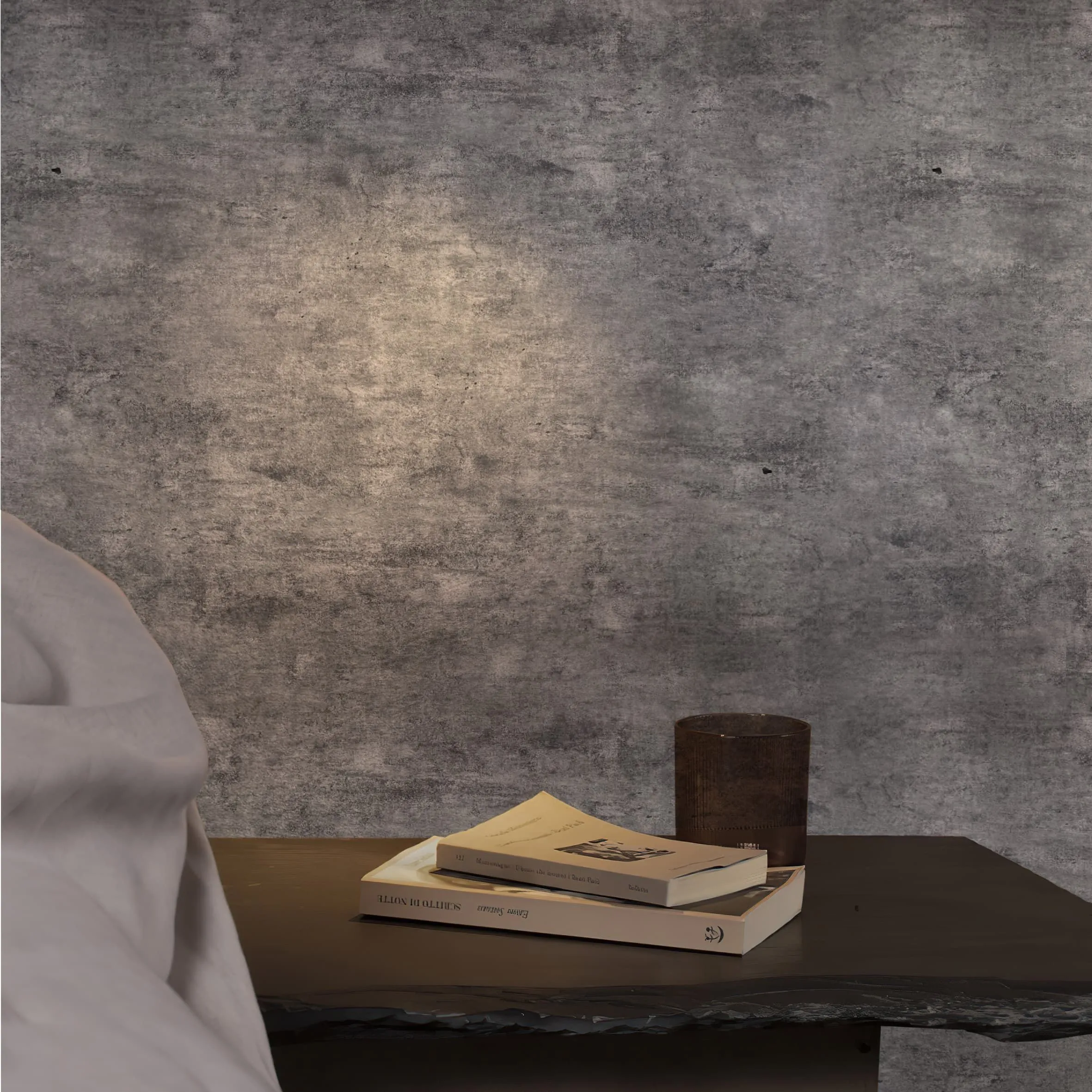
There's something undeniably impactful about large, uninterrupted surfaces in commercial spaces. A hotel lobby floor that stretches from wall to wall without a single seam, an office reception desk carved from a "single block"—these moments of grandeur leave a lasting impression. But natural stone slabs of that size are rare, heavy, and expensive. Enter the MCM Big Slab Board Series: the answer for designers craving that "monolithic" look without the logistical nightmare.
COLORIA's big slabs come in sizes up to 3600x1800mm—larger than most standard natural stone slabs—yet weigh a fraction of the real thing. This means fewer seams (or none at all), a cleaner aesthetic, and easier installation. For example, "Huge Travertine" slabs mimic the elegance of Italian travertine, with its characteristic voids and warm beige tones, but in a size that would be impossible to quarry naturally. Installed in a luxury hotel's ballroom, these slabs create the illusion of a space carved from a single piece of stone, elevating the room's sense of opulence.
But it's not just about size—these slabs play with color and texture to suit any mood. "Lunar Peak Silvery" offers a cool, metallic sheen that feels futuristic, perfect for tech company offices, while "Golden Sunset" warms up a restaurant with its amber hues and subtle veining. For a more industrial vibe, "Boulder Slab (Vintage Black)" brings the raw, rugged look of quarried stone, but in a lightweight panel that can be mounted on walls or used as tabletops.
A recent project in Jeddah illustrates their power: a high-end shopping mall wanted a central atrium floor that would serve as the "jewel" of the space. The design called for a seamless expanse of "Starmoon Stone"—a custom MCM big slab with a galaxy-like pattern of silver and gold flecks. Traditional stone would have required dozens of seams, breaking the illusion. COLORIA's MCM Big Slabs, however, covered the 500m² area with just 12 panels, each fitting together so precisely the seams are nearly invisible. The result? A floor that looks like it was painted with stardust, turning the atrium into a destination in itself.
With so many options, how do you pick the right MCM series for your commercial project? Here's a handy breakdown of their key strengths, ideal uses, and standout features:
| MCM Series | Key Strengths | Ideal Commercial Applications | Standout Features | Sustainability Highlight |
|---|---|---|---|---|
| Project Board Series | Durable, dimensionally stable, fast installation | High-rise exteriors, mall facades, airport terminals | Rust Square Line Stone, Fair-Faced Concrete finishes | 60% lighter than solid concrete; reduces structural load |
| 3D Printing Series | Custom geometries, intricate textures, design freedom | Hotel lobbies, retail feature walls, art installations | Wave Panel, Starry Green Travertine with iridescent particles | 3D-printed with recycled MCM powder; minimal waste |
| Flexible Stone | Bendable, lightweight, conforms to curves | Curved walls, column cladding, boutique storefronts | Bamboo Mat Board, Weaving (Khaki) textile-like texture | Thin sheets reduce material usage; recyclable core |
| Big Slab Board Series | Seamless look, large size, high-end aesthetics | Hotel ballrooms, luxury retail floors, reception desks | Huge Travertine, Lunar Peak Silvery metallic finish | Single slabs reduce seam filler waste; low-carbon production |
In today's commercial world, "green" isn't just a trend—it's a responsibility. Clients, tenants, and even governments are demanding materials that minimize environmental impact, and COLORIA's MCM series delivers on this front. From production to installation to end-of-life, these materials are designed with the planet in mind.
Take raw materials: MCM uses modified cementitious composites that often incorporate recycled industrial byproducts, reducing the need for virgin resources. The manufacturing process emits up to 40% less CO2 than traditional cement production, thanks to lower firing temperatures and energy-efficient facilities. And because MCM materials are lightweight, transporting them requires less fuel, cutting down on carbon emissions during shipping—a big plus for global projects.
Durability also plays a role in sustainability. A material that lasts longer means fewer replacements, reducing waste over time. MCM panels are resistant to fading, cracking, and weathering, with a lifespan of 50+ years in most commercial applications. When they do reach the end of their life, many MCM products are recyclable, closing the loop on the circular economy.
For example, the "Foamed Aluminium Alloy Board (Vintage Silver)" in the MCM series combines recycled aluminum with MCM matrix, creating a material that's not only lightweight and fire-resistant but also 100% recyclable. Installed in a LEED-certified office building in Dubai, it helped the project earn green building credits, a selling point for eco-conscious tenants.
What truly sets COLORIA GROUP apart isn't just their innovative products—it's their commitment to being a true partner for commercial projects. As a one-stop solution provider, they don't just sell materials; they offer end-to-end support, from design consultation to installation guidance. Need help selecting the right MCM series for your project? Their team of technical experts works with architects to match materials to budgets, climates, and aesthetic goals. Want a custom color or texture? Their in-house R&D lab can develop prototypes in weeks, not months. And with a global network, including a local presence in Saudi Arabia, they ensure timely delivery and on-site support, even for large-scale projects.
It's this combination of innovation, reliability, and partnership that makes COLORIA a go-to for commercial projects worldwide. Whether you're designing a boutique hotel that needs to feel intimate, a corporate headquarters aiming for cutting-edge cool, or a shopping mall that wants to stand out in a crowded cityscape, their MCM engineering-grade materials turn "what if" into "what is."
Commercial design is about more than walls and floors—it's about creating experiences. Experiences that impress, inspire, and endure. COLORIA GROUP's MCM engineering-grade materials—from the workhorse Project Board Series to the artistic 3D Printing line, the flexible wonder of MCM Flexible Stone to the grandeur of Big Slab Boards—are more than tools for construction. They're tools for storytelling. They let designers build spaces that reflect brand identity, adapt to changing needs, and respect the planet.
In a world where commercial spaces compete for attention, COLORIA's MCM materials offer a simple promise: durability without dullness, beauty without waste, and innovation without limits. For the next generation of commercial design, the future is flexible, sustainable, and unapologetically bold—and it's built on MCM.
Recommend Products












