
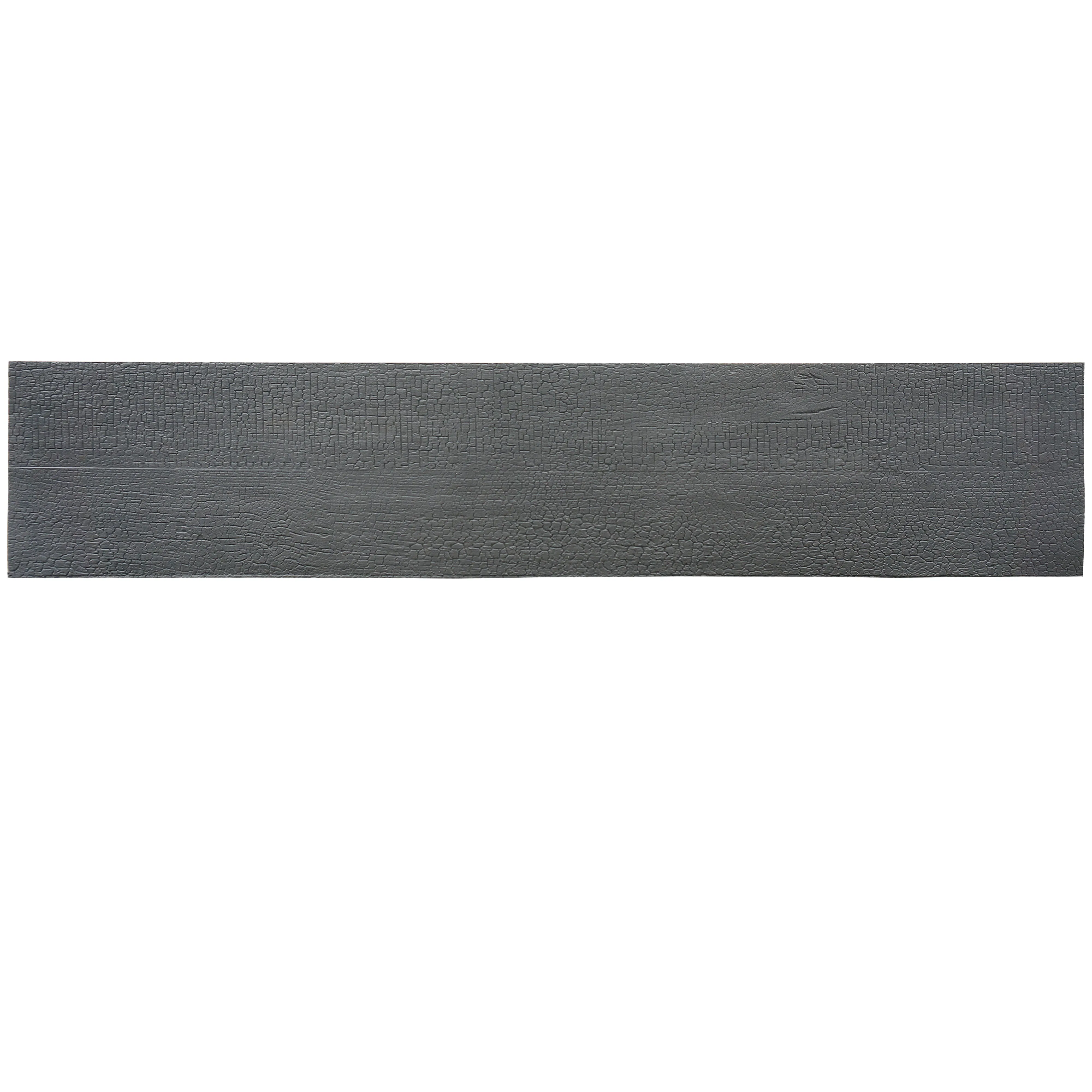
In the world of commercial design, every material tells a story. From the sleek lines of a retail facade to the warm embrace of a restaurant interior, the choices we make shape not just aesthetics, but also functionality, durability, and even the emotional resonance of a space. Among the rising stars in this narrative is charcoal burnt wood board —a material that marries rustic charm with modern resilience. But here's the thing: behind its striking, charred surface lies a critical detail that can make or break its performance in commercial projects: pH balance. Today, we're diving into the real-world implications of pH in charcoal burnt wood board installations, exploring how this often-overlooked factor influences everything from adhesion to long-term wear, and how it harmonizes (or clashes) with other popular materials like mcm flexible stone , fair-faced concrete , and travertine (starry green) .
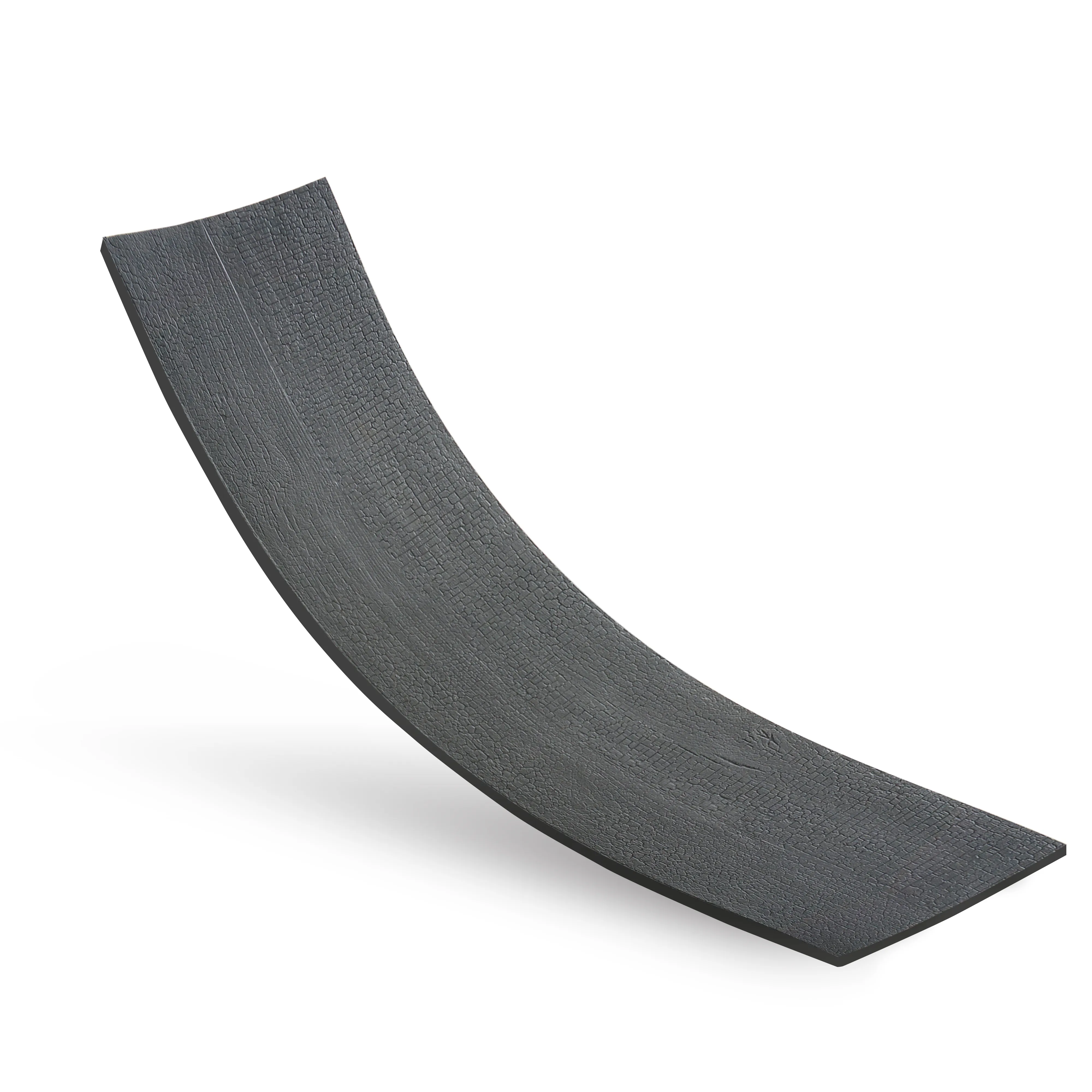
First, let's get to know the star of the show. Charcoal burnt wood board—also known as shou sugi ban, a traditional Japanese technique—gains its unique character through controlled burning. The wood is torched to char the surface, then brushed to reveal a textured, deep-toned layer that's both visually striking and functionally robust. This process isn't just for looks: the charring creates a natural barrier against rot, pests, and fire, making it a dream for high-traffic commercial spaces like hotels, offices, and retail stores.
But here's where pH enters the chat. Wood, by nature, has a pH level that can shift based on species, treatment, and environmental conditions. When we burn it, that pH changes. The charred layer is typically alkaline (pH >7), while the underlying wood may remain slightly acidic (pH 4.5–6.5). This contrast isn't just a chemical curiosity—it directly impacts how the board interacts with adhesives, sealants, and neighboring materials during installation. Ignore it, and you could end up with peeling surfaces, discoloration, or even mold growth down the line.
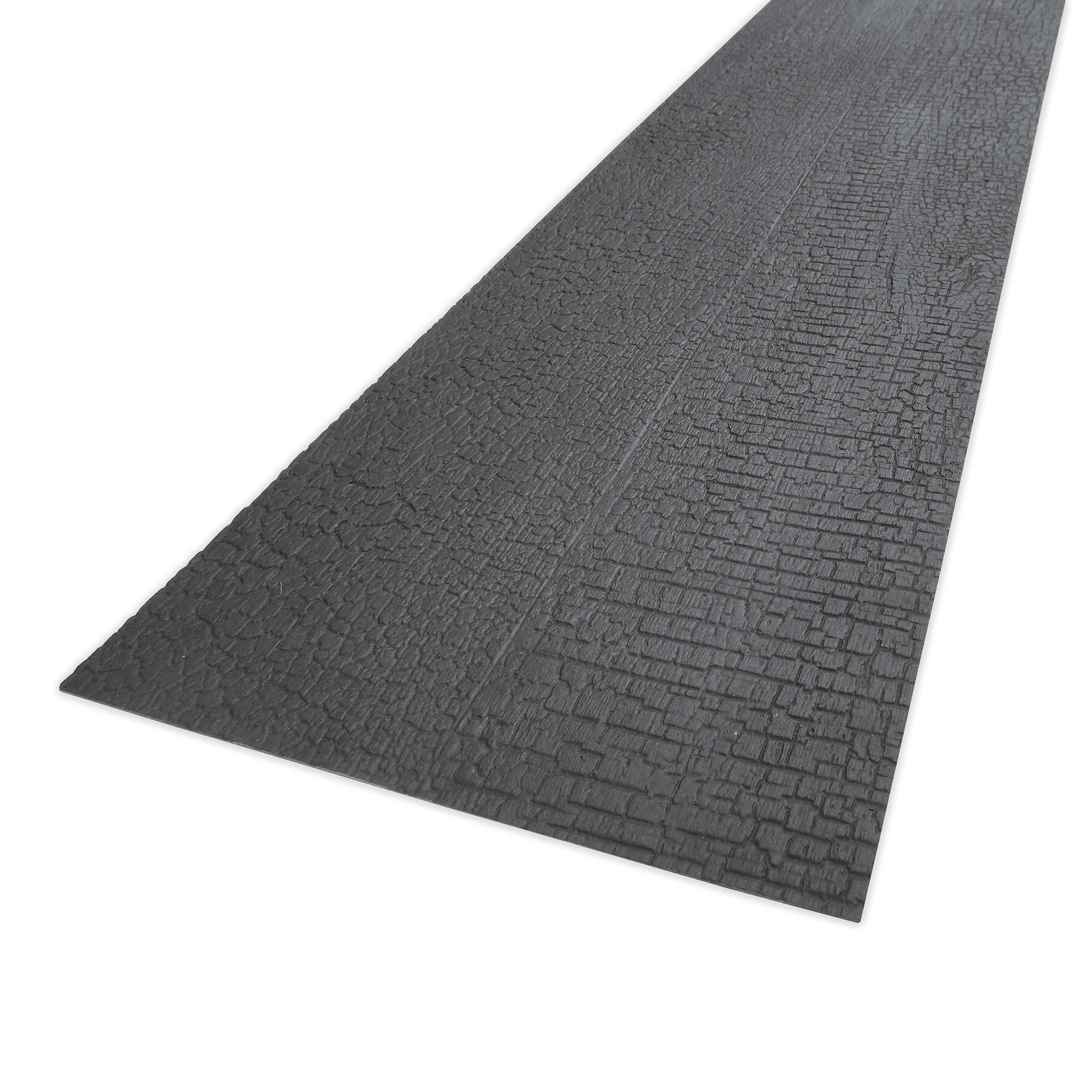
pH is a measure of how acidic or alkaline a substance is, ranging from 0 (highly acidic) to 14 (highly alkaline). For charcoal burnt wood board, this number isn't just a lab statistic—it's a practical concern for installers and designers alike. Let's break down the key reasons pH matters:
To put this in perspective, let's compare the pH profiles of common commercial materials, including our star player:
| Material | Typical pH Range | pH Impact on Installation |
|---|---|---|
| Charcoal Burnt Wood Board (Charred Layer) | 7.5–9.0 (Alkaline) | Requires alkaline-compatible adhesives; may react with acidic sealants |
| Charcoal Burnt Wood Board (Inner Core) | 4.5–6.0 (Slightly Acidic) | Risk of acid leaching if moisture penetrates charred layer |
| Fair-Faced Concrete | 12.0–13.0 (Highly Alkaline) | Can accelerate alkaline reactions with charred wood if not buffered |
| MCM Flexible Stone | 6.5–7.5 (Near-Neutral) | pH-compatible with most wood boards; low risk of reaction |
| Travertine (Starry Green) | 7.0–8.0 (Slightly Alkaline) | Moderate compatibility; acidic wood cores may cause efflorescence if wetted |
Theory is helpful, but nothing beats real examples. Let's walk through three commercial projects where pH in charcoal burnt wood board installations took center stage—and how the teams behind them turned potential pitfalls into success stories.
A popular farm-to-table restaurant chain wanted to revamp its downtown location with charcoal burnt wood board accent walls, paired with travertine (starry green) flooring. The design called for the wood to wrap around a open kitchen area, where steam and humidity are constant. Early tests revealed the charred wood's surface pH was 8.2 (alkaline), while the travertine's pH sat at 7.5. The concern? Moisture could cause the wood's acidic core (pH 5.8) to leach into the travertine, leading to unsightly stains or efflorescence (white, powdery deposits from mineral salts).
The solution? The installation team applied a pH-neutral sealer to the charcoal burnt wood board before mounting, creating a barrier between the acidic core and alkaline surface. They also used a lime-based grout (pH 8.0) for the travertine, matching the wood's surface pH to prevent chemical reactions. Six months later, the walls remain stain-free, and the travertine's starry green hues still pop—proof that proactive pH management works in high-stress environments.
A Silicon Valley tech firm opted for an industrial-chic lobby, combining charcoal burnt wood board panels with fair-faced concrete columns. The concrete's pH tested at 12.5—highly alkaline—while the wood's charred layer was 8.8. The initial installation used a standard construction adhesive, which began peeling within weeks. Why? The concrete's alkalinity was accelerating the adhesive's breakdown, while the wood's surface wasn't porous enough to form a strong bond.
The fix involved two steps: first, applying a pH-buffering primer to the concrete columns, lowering their surface pH to 9.0 to match the wood's charred layer. Second, switching to an alkaline-resistant adhesive specifically formulated for wood-concrete bonds. The result? A seamless, durable finish that's now withstood two years of foot traffic and daily cleaning. The lobby's design team noted that the wood's rich texture now complements the concrete's raw beauty without compromising structural integrity.
A luxury fashion boutique wanted to stand out on a busy shopping street with an exterior facade of charcoal burnt wood board and mcm flexible stone (a lightweight, durable alternative to natural stone). The challenge? The wood would be exposed to rain, snow, and fluctuating temperatures, while the MCM flexible stone's pH was a neutral 7.0. Moisture could drive the wood's pH out of balance, leading to warping or discoloration that would clash with the stone's uniform look.
Here's how they solved it: The installation team pre-treated the charcoal burnt wood boards with a water-repellent, pH-stable coating (pH 7.2) to lock in moisture and prevent pH shifts. They also spaced the wood panels 1/4 inch apart to allow for air circulation, reducing condensation buildup. The MCM flexible stone, being near-neutral, posed no pH risk, so it was installed directly over a breathable membrane. A year later, the facade has weathered storms and harsh sunlight with minimal fading—proof that charcoal burnt wood and MCM flexible stone can coexist beautifully when pH is kept in check.
One of the joys of commercial design is mixing materials to create layered, dynamic spaces. Charcoal burnt wood board, with its deep, smoky tones, pairs exceptionally well with a range of materials—but only if their pH levels play nice. Let's explore a few winning combinations:
MCM flexible stone is a standout companion for charcoal burnt wood board, especially in exterior applications. Its near-neutral pH (6.5–7.5) means minimal risk of chemical reactions, and its flexibility makes it easy to install alongside rigid wood panels. In a recent hotel renovation in Colorado, designers used MCM flexible stone for the building's lower facade and charcoal burnt wood for the upper levels. The stone's earthy tones grounded the design, while the wood added warmth—all without a single pH-related hiccup.
For interiors where a unified wood aesthetic is key, wood grain board (a engineered wood product with realistic wood patterns) pairs beautifully with charcoal burnt wood board. Both materials have similar pH profiles when properly sealed (charcoal burnt wood at 7.5–8.5, wood grain board at 6.0–7.0). A corporate office in Chicago used this combo for their breakout rooms, with charcoal burnt wood for accent walls and wood grain board for cabinetry. The result? A space that feels both cohesive and texturally rich, with no pH-driven discoloration after three years of use.
As seen in Case Study 1, travertine (starry green) and charcoal burnt wood board create a striking contrast—think deep charred blacks against cool, iridescent greens. The key is matching their pH levels through sealers and grouts. In a boutique winery in Napa Valley, designers used travertine (starry green) for the tasting bar countertops and charcoal burnt wood for the bar front. By sealing both materials with a pH-neutral product, they ensured the travertine's natural veining wouldn't react with the wood's chemistry. Today, the bar is a focal point for guests, proving that beauty and science can sip side by side.
Even with careful planning, pH-related challenges can pop up. Here are the most common issues and how to tackle them:
Charcoal burnt wood board is more than a trend—it's a material that bridges tradition and modernity, offering commercial spaces a unique blend of beauty and durability. But as we've seen, its performance hinges on a factor that's easy to overlook: pH balance. From high-moisture restaurants to industrial-chic offices, the key to success lies in understanding how this material interacts with its environment and neighboring materials like mcm flexible stone , fair-faced concrete , and travertine (starry green) .
By treating pH as a design tool rather than a technical afterthought, we unlock the full potential of charcoal burnt wood board. It means fewer callbacks, longer-lasting installations, and spaces that not only look good on day one but continue to shine for years to come. So the next time you're planning a commercial project, remember: behind every great material is a story of chemistry—and getting the pH right is how you make sure that story has a happy ending.
Recommend Products












