
Walk into any modern commercial building—whether it's a sleek office lobby, a bustling retail store, or a luxury hotel—and the first thing that hits you isn't just the layout or the lighting. It's the materials. The texture of the walls, the feel of the floors underfoot, the way light plays off surfaces—these elements work together to create a mood, tell a brand's story, and even influence how visitors perceive the space. In a world where competition for attention is fierce, choosing the right material isn't just about aesthetics; it's about making a statement that lasts.
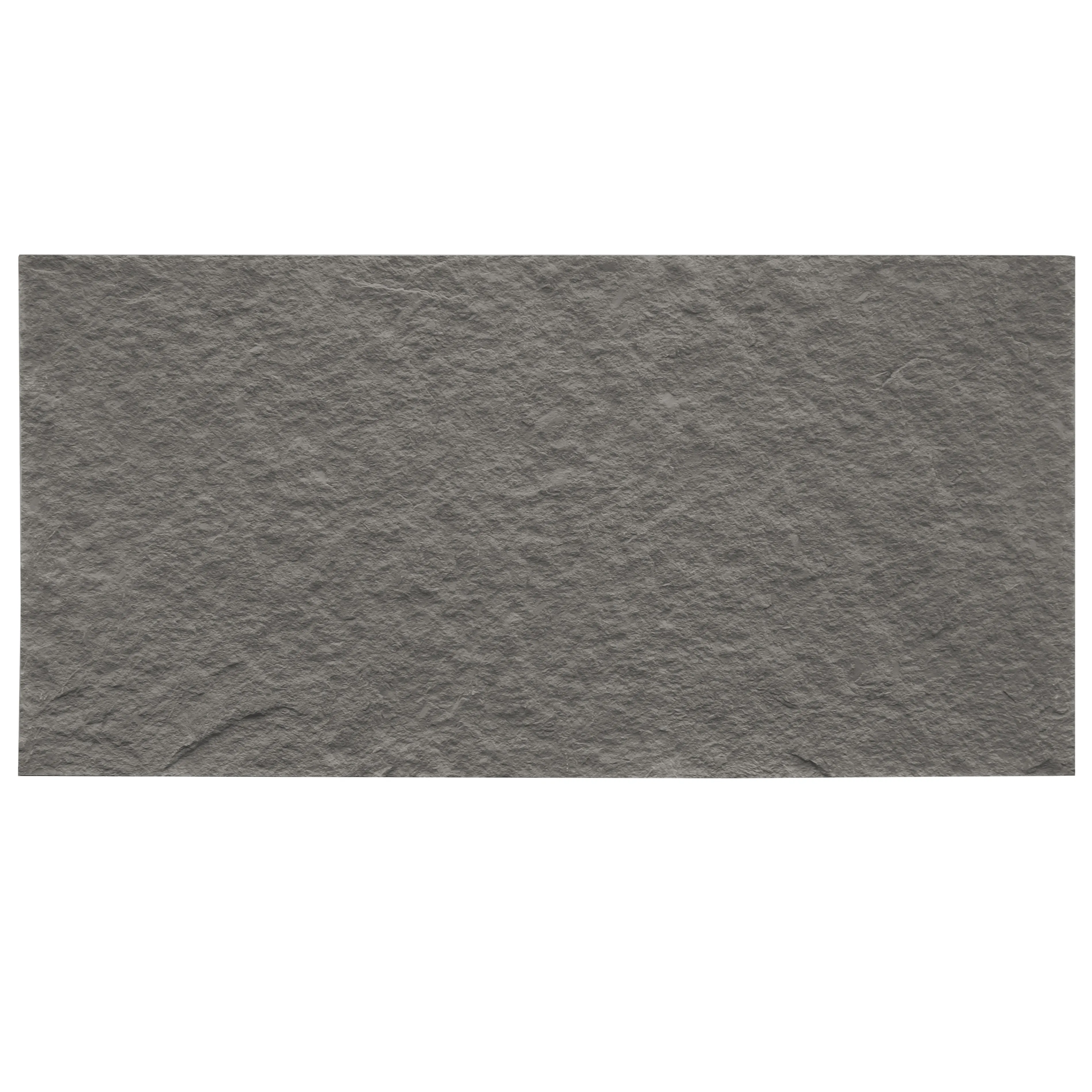
Among the countless options available to architects and designers today, one material has been quietly stealing the spotlight in commercial projects: rough granite stone (medium grey) . It's not the flashiest choice, nor the most delicate, but there's something about its understated strength and organic texture that resonates with modern design sensibilities. Let's dive into why this unassuming material is becoming a go-to for commercial spaces, and how it holds its own against popular alternatives like fair-faced concrete , wood grain board , and even travertine (beige) .
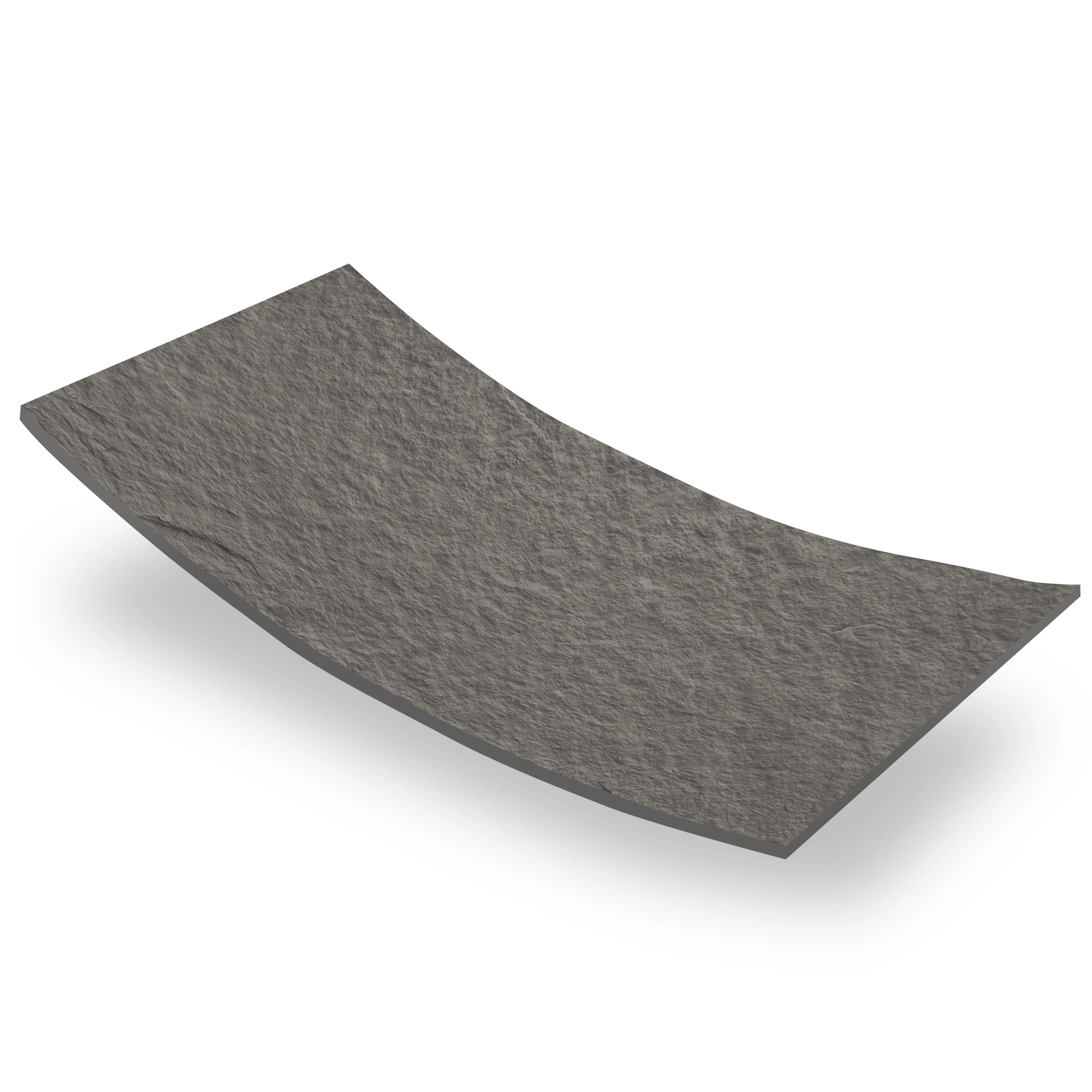
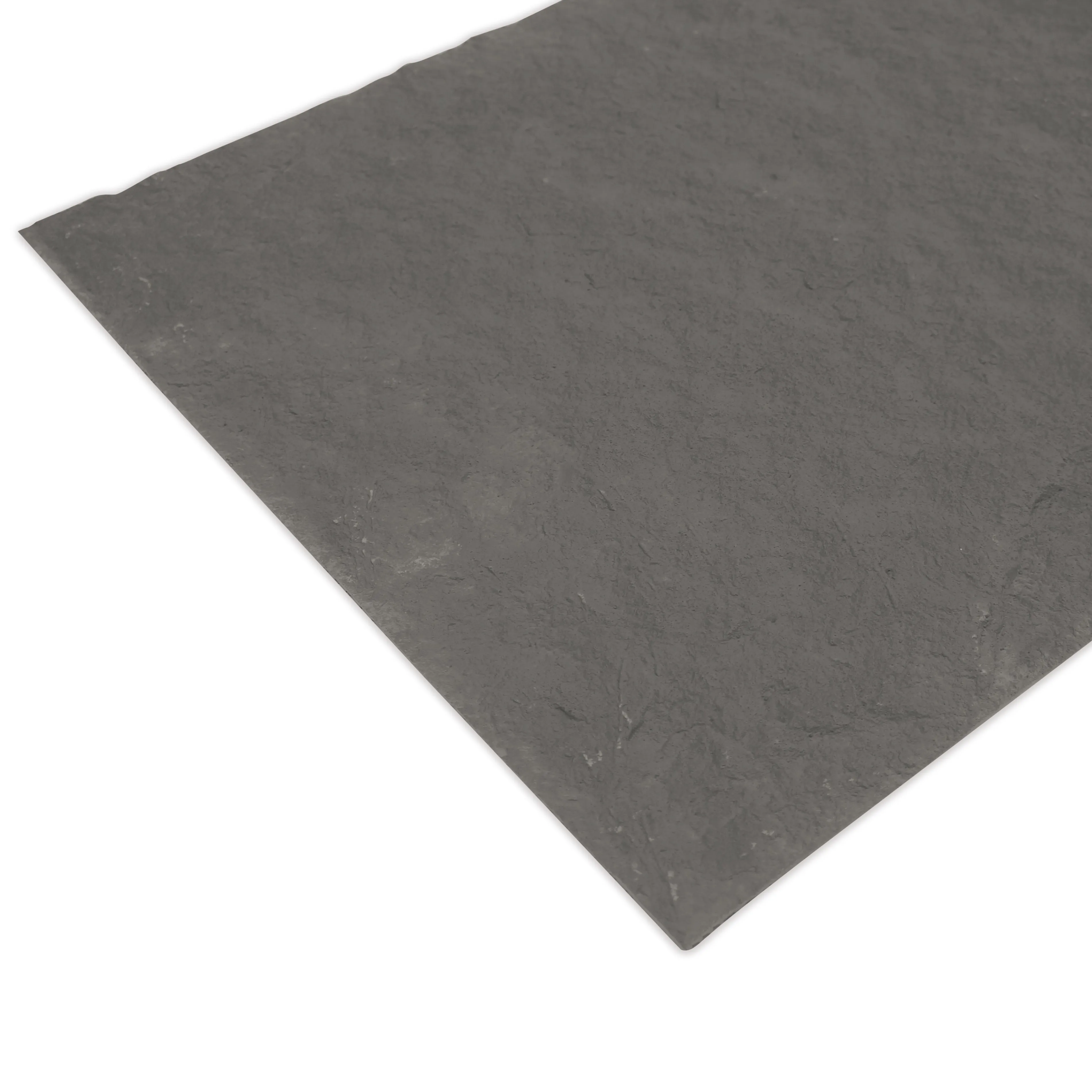
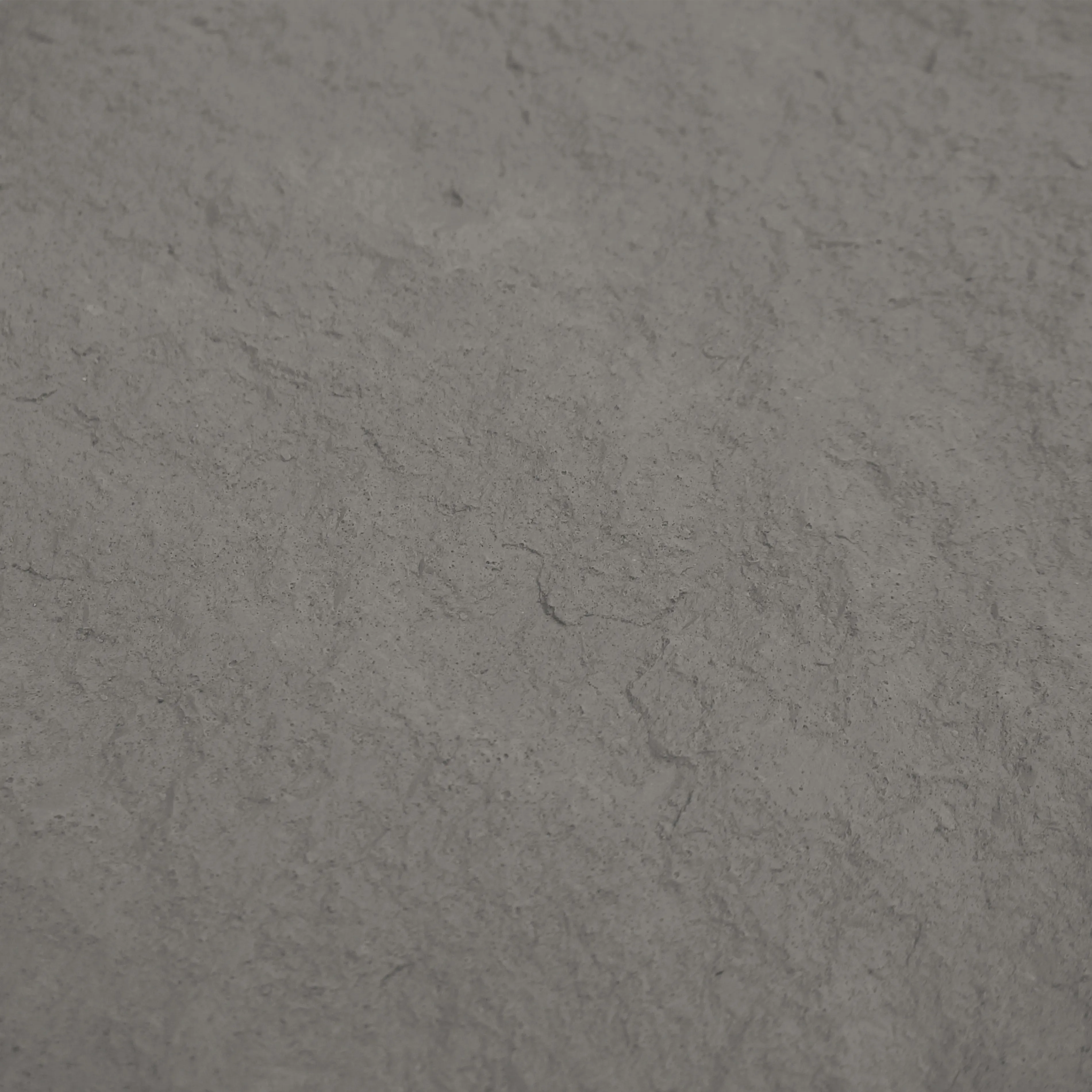
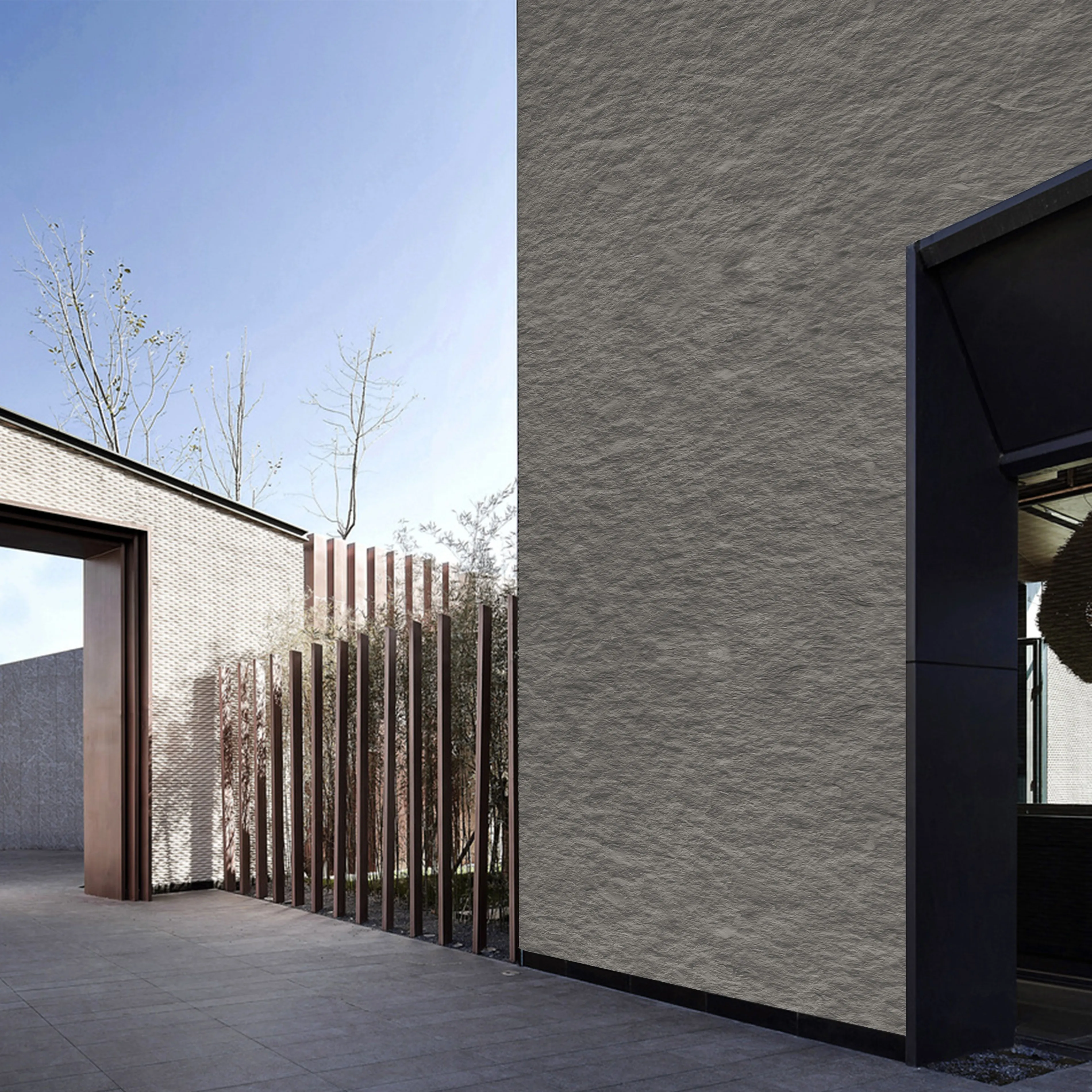
First, let's clarify what we mean by "rough granite stone (medium grey)." Unlike polished granite, which boasts a smooth, reflective surface, rough granite retains the natural, unpolished texture of the stone—think subtle pits, grooves, and variations in tone that echo its formation deep within the earth. The medium grey hue sits perfectly between stark white and somber black, offering a neutral base that complements both warm and cool color palettes. It's versatile, but it's the combination of texture and color that truly sets it apart.
Durability is another non-negotiable factor in commercial design. High-traffic areas demand materials that can withstand scratches, stains, and the wear and tear of daily use. Rough granite delivers here in spades. Granite is one of the hardest natural stones, and its rough finish only enhances its resilience—minor scuffs or marks blend into the texture, making maintenance a breeze compared to softer materials like marble or even wood grain board , which can dent or warp over time.
Then there's the aesthetic flexibility. Medium grey is a chameleon in the design world. Pair it with warm woods and brass accents, and it exudes coziness; combine it with sleek metals and glass, and it takes on an industrial edge. Unlike travertine (beige) , which leans warm and can feel overly traditional in some modern spaces, medium grey rough granite balances warmth with a contemporary coolness that works across genres. It doesn't compete with other elements in a room—it elevates them.
To truly appreciate rough granite stone (medium grey), let's look at how it's transforming real commercial spaces. From exteriors that make a bold first impression to interiors that feel both luxurious and lived-in, this material adapts to nearly any project's needs.
Office lobbies are the "face" of a company—they need to convey professionalism, reliability, and forward-thinking energy. Rough granite stone (medium grey) excels here. Imagine walking into a tech firm's headquarters: floor-to-ceiling walls clad in rough granite, its medium grey tones softened by recessed lighting that highlights the stone's natural pits and veins. The texture adds depth, while the neutral color keeps the space feeling open and uncluttered. Compare this to fair-faced concrete , which can feel cold and industrial in large lobbies; rough granite adds warmth without sacrificing that modern edge.
One notable example is a financial services firm in Chicago that replaced its outdated marble lobby with rough granite (medium grey) walls and flooring. Clients now remark on how the space feels "solid" and "trustworthy"—qualities that align perfectly with the company's brand identity. The stone's durability also means the lobby still looks pristine years later, even with hundreds of visitors daily.
Retail design is all about creating an experience that encourages customers to linger. Rough granite stone (medium grey) does this by adding tactile interest without overwhelming the products on display. In high-end clothing stores, for instance, it's often used as an accent wall behind merchandise racks. The rough texture contrasts beautifully with soft fabrics, while the medium grey backdrop makes colors pop—think a vibrant red dress or a crisp white shirt standing out against the stone. Unlike wood grain board , which can feel too "homey" for luxury retail, rough granite adds a touch of sophistication without feeling unapproachable.
A boutique in New York City recently redesigned its fitting room area with rough granite (medium grey) walls and a matching bench. Customers report feeling more "indulged" in the space, and sales associates note that the material's neutral tone makes it easy to style with seasonal decor—from winter greenery to summer pastels. It's a low-maintenance choice, too; unlike painted walls, which chip or fade, the granite withstands scuffs from hangers and daily use.
Hotels and restaurants thrive on atmosphere. A hotel lobby should feel welcoming yet luxurious; a restaurant dining room should be intimate but not cramped. Rough granite stone (medium grey) checks both boxes. In a boutique hotel in Lisbon, the reception desk is carved from a single slab of rough granite, its medium grey surface complemented by warm wooden accents and soft lighting. Guests often comment on how the stone "feels like a piece of the earth," grounding the space in nature while maintaining a sense of elegance.
Restaurants, too, are embracing the material. A farm-to-table eatery in Portland used rough granite (medium grey) for its bar countertop, pairing it with reclaimed wood stools and pendant lights. The contrast between the rough stone and smooth wood creates a rustic-modern vibe that aligns with the restaurant's focus on "authenticity." Unlike polished granite, which can feel too formal for casual dining, the rough finish invites guests to lean in, relax, and enjoy the meal.
Commercial building exteriors face a tough job: they need to look good year-round, resist rain, snow, UV rays, and even pollution. Rough granite stone (medium grey) is up to the task. Its dense composition makes it impervious to water damage, and its natural color fades minimally over time—unlike travertine (beige) , which can discolor in harsh weather. In coastal areas, where salt air is a concern, granite's resistance to corrosion makes it a smarter choice than metal cladding or even some types of MCM flexible stone , which may require more frequent upkeep.
A recent mixed-use development in Seattle features a rough granite (medium grey) facade on its ground floor, with glass and steel above. The stone adds visual weight to the building's base, making it feel anchored to the street, while the lighter materials above create a sense of upward movement. Even after two rainy winters, the granite looks as crisp as the day it was installed—no stains, no cracks, just a subtle patina that adds character.
To understand why rough granite stone (medium grey) is rising in popularity, it helps to see how it stacks up against other common commercial materials. Let's break down the key factors: aesthetics, durability, maintenance, and versatility.
| Material | Aesthetic | Durability | Maintenance | Best For |
|---|---|---|---|---|
| Rough Granite Stone (Medium Grey) | Organic texture, neutral medium grey tone; balances warmth and modernity | Extremely high; resistant to scratches, stains, and weathering | Low; occasional sealing and wiping with mild soap | Lobbies, exteriors, high-traffic retail, hospitality |
| Fair-Faced Concrete | Industrial, sleek, and monochromatic; can feel cold in large spaces | High, but prone to cracking if not installed properly | Moderate; may require patching for cracks, staining over time | Modern offices, art galleries, minimalist retail |
| Wood Grain Board | Warm, natural, and inviting; soft texture | Low to moderate; susceptible to dents, water damage, and fading | High; regular polishing, sealing, and repairs | Casual dining, boutique retail, residential-commercial hybrids |
| Travertine (Beige) | Warm, earthy, and traditional; porous with visible holes | Moderate; porous surface stains easily; fades in direct sunlight | High; frequent sealing, prone to etching from acidic substances | Heritage buildings, Mediterranean-style hospitality |
| MCM Flexible Stone | Lightweight, customizable; mimics natural stone but with a smoother finish | Moderate; less impact-resistant than natural granite | Low to moderate; may chip if struck hard | Accent walls, low-traffic interiors, temporary installations |
The table tells a clear story: rough granite stone (medium grey) offers the best of both worlds—natural beauty and practical performance. It outperforms wood grain board in durability, requires less maintenance than travertine (beige) , and adds warmth that fair-faced concrete often lacks. Even compared to MCM flexible stone , which is praised for its lightweight convenience, rough granite delivers a more authentic, tactile experience that resonates emotionally with visitors.
In today's design landscape, sustainability isn't just a buzzword—it's a priority. Commercial clients are increasingly asking for materials that minimize environmental impact, from extraction to installation to long-term use. Rough granite stone (medium grey) shines here, too.
Granite is a natural stone, formed over millions of years, and it requires minimal processing compared to synthetic materials like fair-faced concrete (which relies on energy-intensive cement production) or wood grain board (often made with composite materials and adhesives). Many quarries now operate with eco-friendly practices, such as reforestation efforts and water recycling, reducing the material's carbon footprint.
Perhaps most importantly, granite is long-lasting. A well-installed rough granite surface can last 50 years or more, reducing the need for frequent replacements—a key factor in sustainability. Compare that to MCM flexible stone , which, while lightweight, may need to be replaced every 10–15 years in high-traffic areas. By choosing rough granite, commercial projects not only save on maintenance costs but also reduce waste over time.
As commercial design trends continue to shift toward "authenticity" and "biophilia"—the idea that humans innately connect with nature—materials like rough granite stone (medium grey) will only grow in demand. Its natural texture and earthy tone tap into our desire for spaces that feel grounded, real, and unpretentious.
But it's not just about trends. Rough granite offers something more timeless: adaptability. Whether paired with cutting-edge technology in a tech office or with traditional elements in a heritage building, it bridges the gap between old and new. It doesn't shout for attention; it earns it, quietly and confidently.
So, the next time you walk into a commercial space and find yourself drawn to the walls or floors—pausing to run a hand over the texture, or noticing how the light plays off the surface—chances are, you're experiencing the magic of rough granite stone (medium grey). It's a material that doesn't just build spaces; it creates memories, shapes perceptions, and stands the test of time. And in a world where so much feels temporary, that's a quality worth investing in.
Recommend Products












