
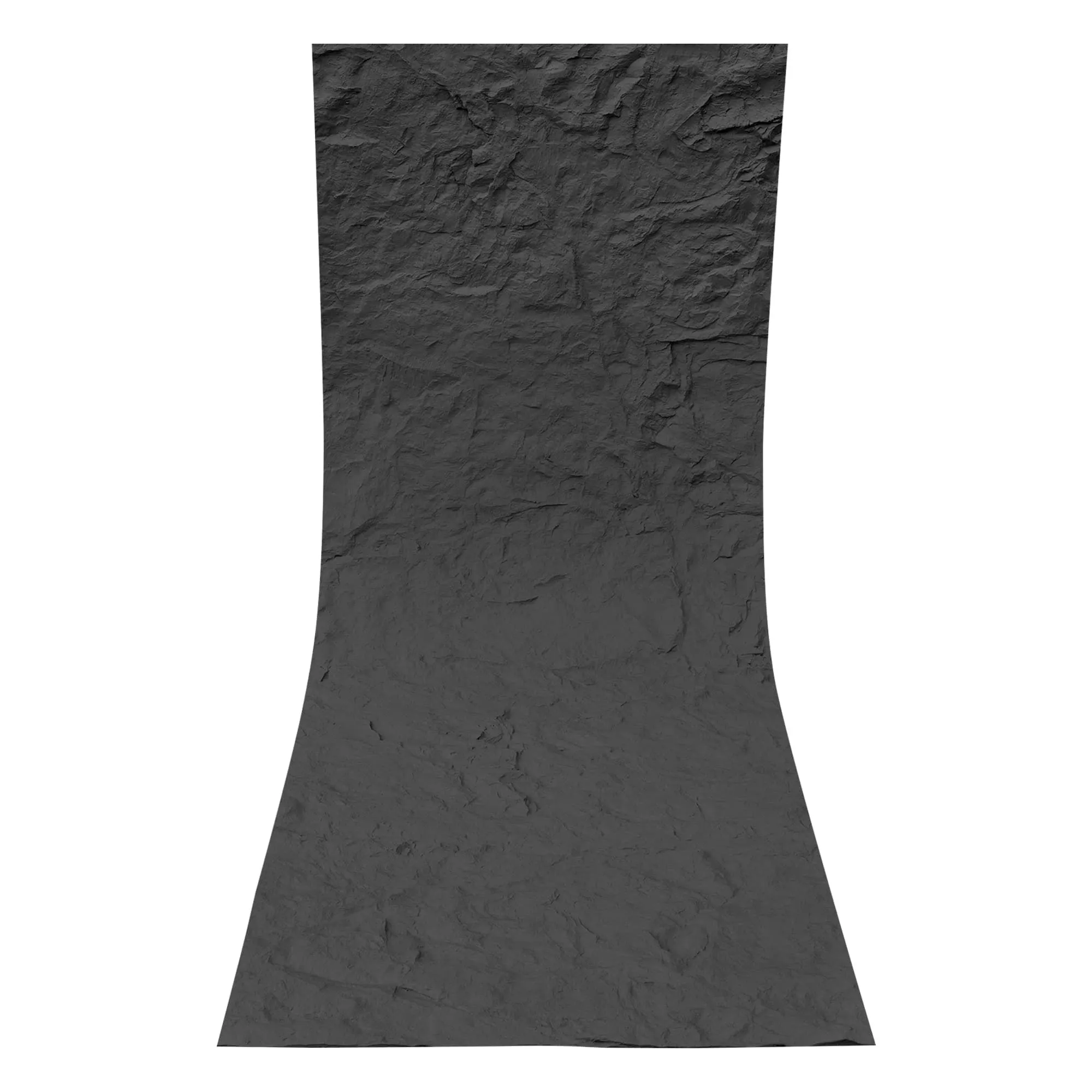
Picture this: You're walking up to a modern office building on a busy weekday morning. The street is buzzing with professionals grabbing coffee, but your attention is immediately drawn to the structure in front of you. Its exterior isn't just a wall—it's a statement. The cladding shimmers softly in the sunlight, with a texture that feels both rugged and refined, like a piece of history reimagined for today. That's the magic of boulder slab —a material that's quietly revolutionizing how we think about office exteriors. In a world where first impressions matter more than ever, boulder slab isn't just building facades; it's building stories. Let's dive into why this material is becoming the go-to choice for architects, developers, and businesses looking to make their mark.
Not long ago, office exteriors were often an afterthought—functional, but rarely inspiring. Brick, plain concrete, or generic metal panels were the norm, blending into city skylines without leaving much of a trace. But as businesses started to realize that their physical space is an extension of their brand, the game changed. Enter boulder slab: a material that marries durability with design in a way that feels almost intentional. It's not just about looking good (though it certainly does that); it's about creating a connection.
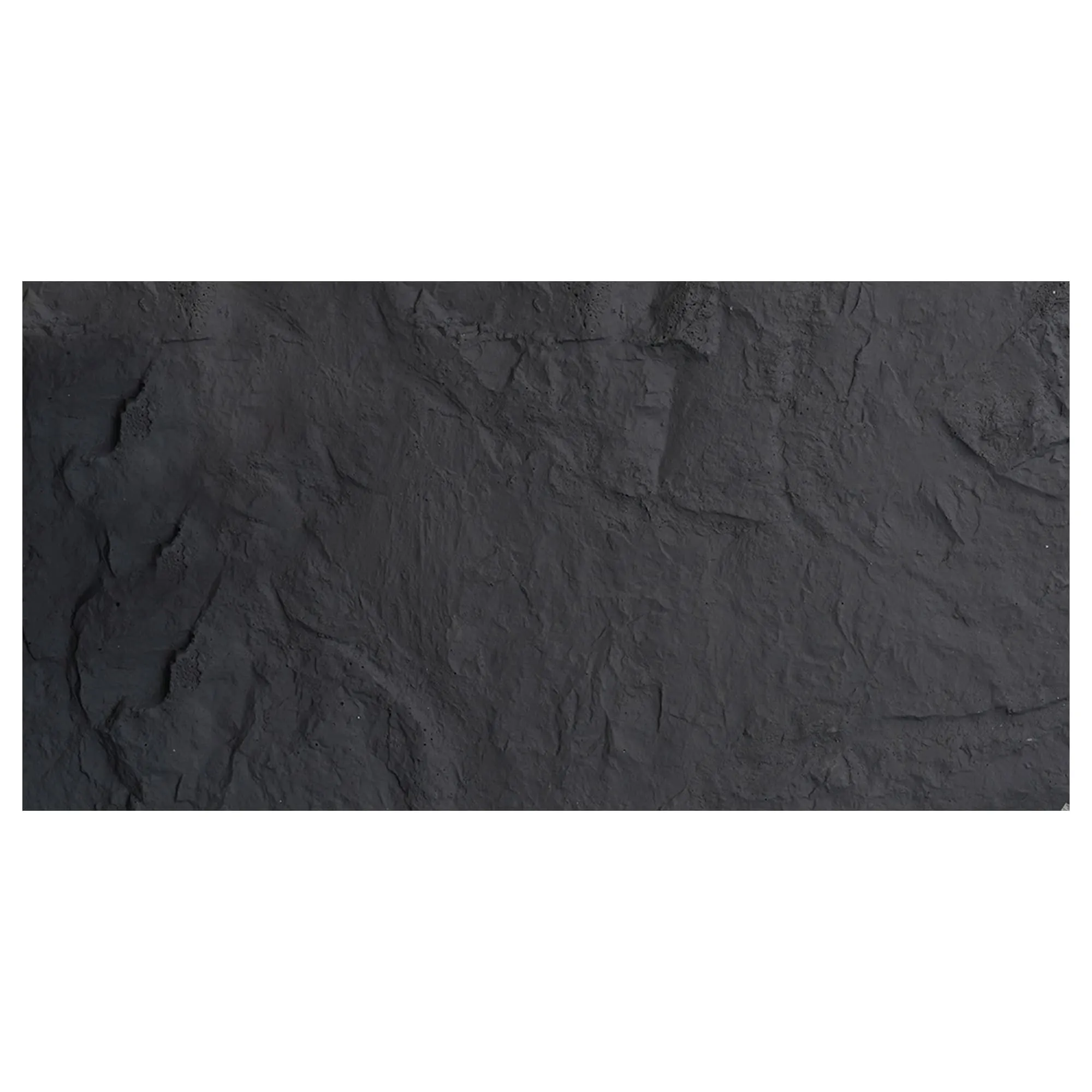
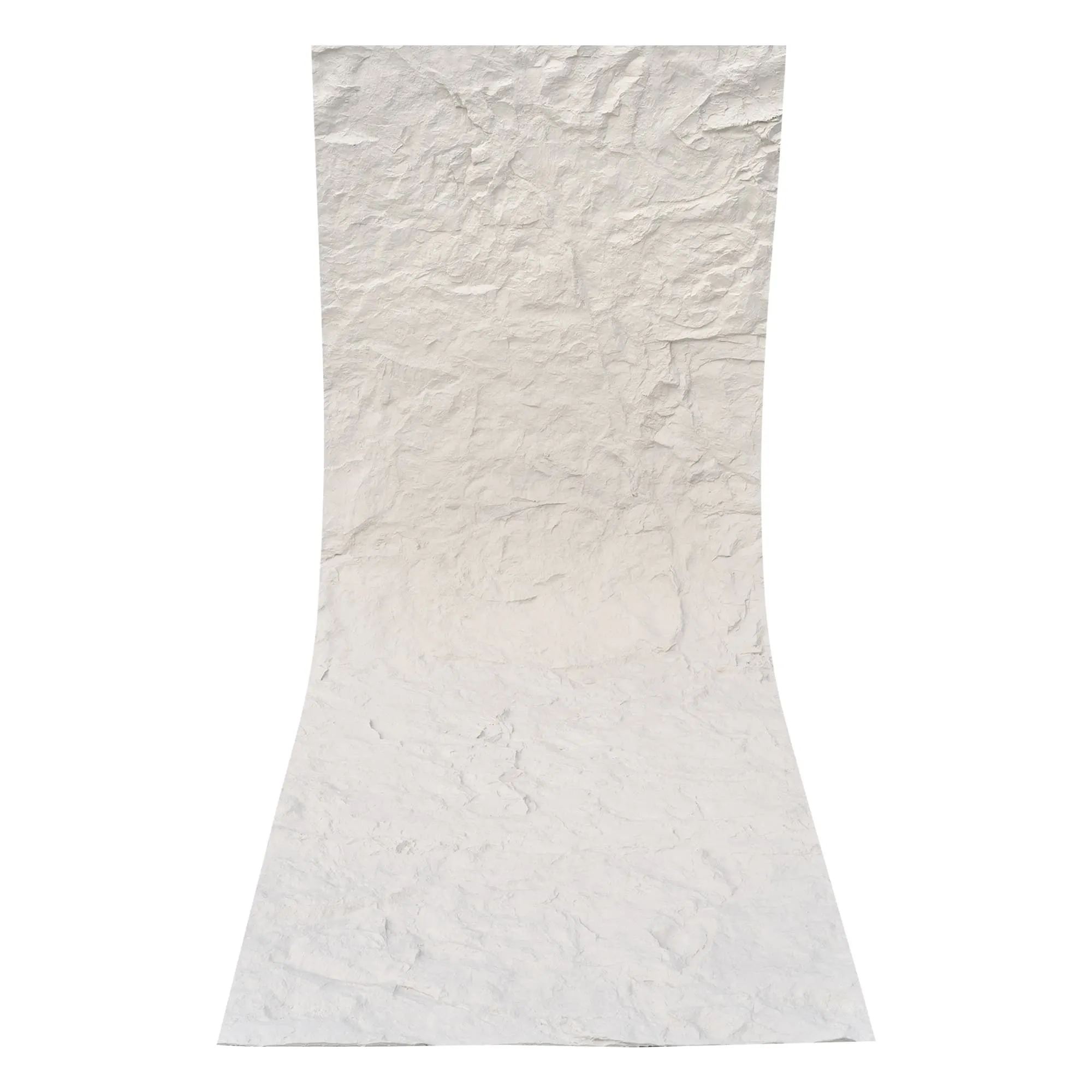
What makes boulder slab stand out? Start with the finishes. Unlike one-note materials, boulder slab comes in a range of vintage-inspired tones— boulder slab (vintage silver) , boulder slab (vintage gold) , and boulder slab (vintage black) being the fan favorites. These aren't just colors; they're moods. Vintage silver feels sleek and modern, like a high-tech startup's headquarters. Vintage gold adds warmth, perfect for a creative agency or a client-focused firm. Vintage black? It's bold, confident, and unapologetically sophisticated—think a law firm or a luxury brand's regional office.
Then there's the texture. Run your hand over a boulder slab panel (go on, imagine it) and you'll feel a subtle, natural grain—like the surface of a weathered stone, but smoothed just enough to feel intentional. It's tactile, inviting, and surprisingly versatile. Whether paired with floor-to-ceiling glass for a minimalist look or used alongside foamed aluminium alloy board (vintage silver) for an industrial edge, boulder slab plays well with others, making it a designer's dream.
"We wanted our office to feel like a second home for our team—something that felt welcoming but also spoke to our values of innovation and resilience. Boulder slab checked both boxes. The vintage silver finish feels modern, but the texture adds warmth. Clients walk in and immediately say, 'This feels like you guys.' That's the power of good design." — Maria Gonzalez, Principal Architect at Studio Mosaic, on their recent project for a tech firm in Chicago.
Let's get practical for a minute. As much as we love a good-looking building, commercial projects live and die by their budgets, timelines, and long-term upkeep. Here's where boulder slab really shines: it's not just pretty—it's tough as nails. Unlike natural stone, which can be heavy, porous, and prone to cracking, boulder slab is lightweight. That means easier installation, lower shipping costs, and less strain on the building's structure. For developers, that translates to faster construction times and fewer headaches (and who doesn't love fewer headaches?).
Durability is another win. Office buildings face a lot: harsh sunlight, rain, snow, even the occasional hailstorm. Boulder slab holds up, thanks to its modified composite core. It resists fading, scratching, and water damage, so that vintage silver finish you fell in love with on day one? It'll still look fresh five, ten, even fifteen years later. And maintenance? Minimal. A quick power wash once a year is usually all it takes to keep it looking sharp—no expensive sealants or annual repairs required.
Then there's sustainability—a buzzword that's actually meaningful in construction. Traditional materials like natural stone often require heavy mining, while concrete has a hefty carbon footprint. Boulder slab, on the other hand, is often made with recycled materials, and its lightweight nature reduces transportation emissions. Pair that with its long lifespan (meaning less frequent replacement), and it's a material that aligns with the growing demand for green building practices. LEED certification, anyone? Boulder slab makes it that much easier.
| Material | Weight (per sqm) | Installation Time | Annual Maintenance Cost | Sustainability Rating* | Design Flexibility |
|---|---|---|---|---|---|
| Boulder Slab (Vintage Silver) | 18-22 kg | Fast (3-5 days for 1,000 sqm) | $50-$80 | 4.5/5 | High (multiple finishes, textures) |
| Natural Granite | 45-55 kg | Slow (7-10 days for 1,000 sqm) | $150-$200 | 2/5 (high mining impact) | Medium (limited color options) |
| Traditional Brick | 30-35 kg | Medium (5-7 days for 1,000 sqm) | $100-$120 (repairs, repointing) | 3/5 (recyclable but energy-heavy production) | Low (standard sizes, colors) |
| Fair-Faced Concrete | 25-30 kg | Medium (6-8 days for 1,000 sqm) | $80-$100 (sealing, staining) | 3.5/5 (recyclable but high carbon footprint) | Medium (limited texture options) |
*Sustainability rating based on material sourcing, production, and lifespan (1=low, 5=high)
Let's take a closer look at a real-world example: the Apex Tower, a 12-story office building in downtown Denver that opened its doors in 2024. The client, a fast-growing software company, wanted a space that felt innovative but also grounded—something that reflected their mission to "build solutions that last." Their brief to the architects? "Make us stand out, but don't make us look like we're trying too hard."
The solution? A facade centered on boulder slab (vintage silver) , paired with foamed aluminium alloy board (vintage silver) accents and strategic use of fair-faced concrete for contrast. The result? A building that feels both modern and timeless. The vintage silver boulder slab panels cover the lower three floors, creating a strong, grounded base, while the upper floors use the same material but in a lighter layout, giving the tower a sense of upward movement. The foamed aluminium alloy accents add a subtle metallic sheen, catching the light at different times of day and making the building feel dynamic, not static.
But the real test? The people who use it. "I used to dread coming into the office," says Jamie, a software engineer at the company. "Our old building was this gray box with no personality. Now, I walk up and think, 'This is where I work?' The exterior makes me feel proud—like we're part of something bigger." Clients have noticed too. "Prospects comment on the building before we even get to the conference room," adds Sarah, the company's CFO. "It sets the tone for the conversation. They see we care about details, and that builds trust."
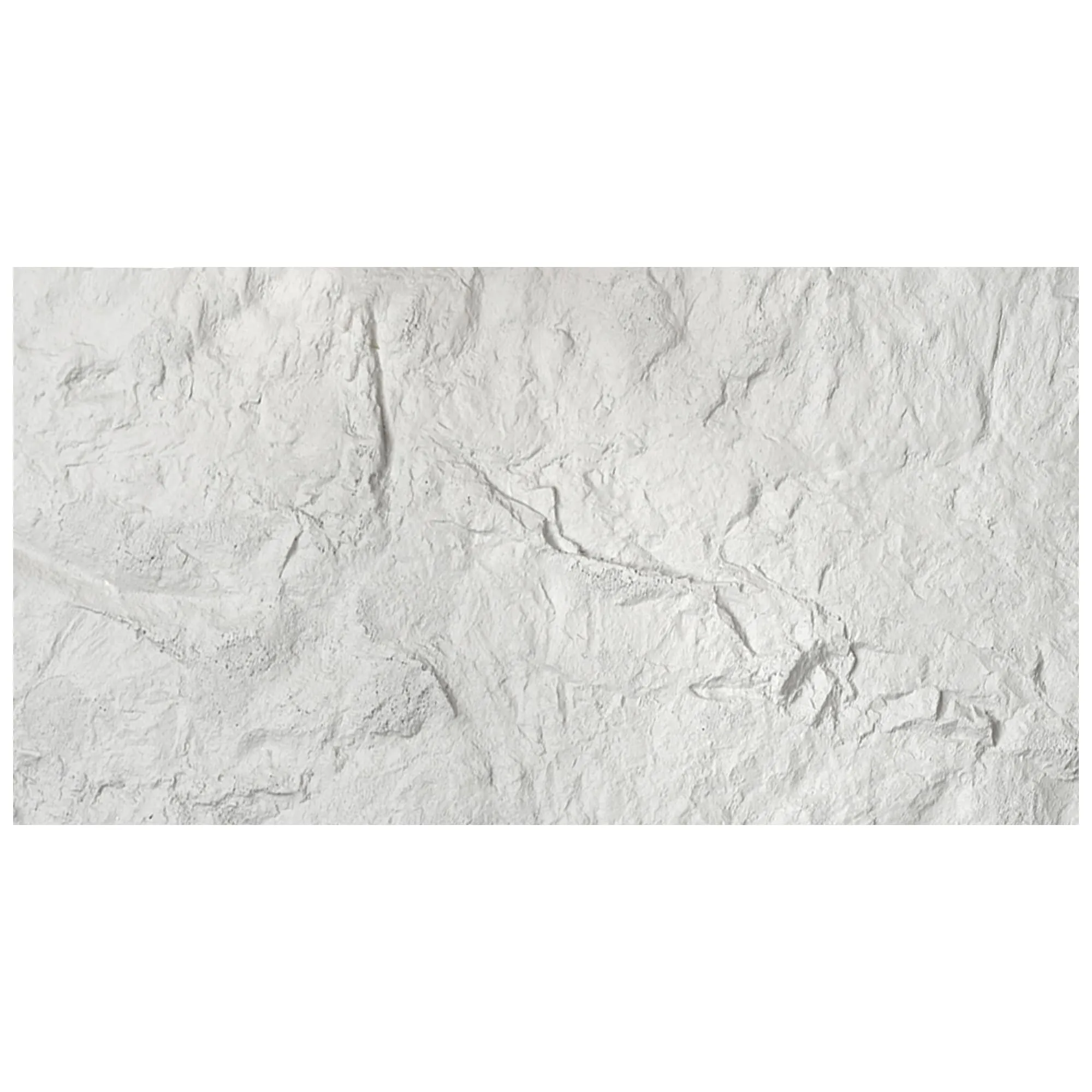
One of the best things about boulder slab is that it doesn't need to hog the spotlight. In fact, some of the most striking exteriors we've seen are those that pair it with complementary materials, creating layers of visual interest. Take mcm flexible stone , for example. A lightweight, ultra-thin material with a natural stone look, mcm flexible stone works beautifully alongside boulder slab. Imagine a boulder slab (vintage black) base with mcm flexible stone in a warm beige running up the sides—suddenly, the building feels grounded but also airy, like it's rooted in the earth but reaching for the sky.
Or consider travertine (starry blue) —a bold, eye-catching material with a unique, almost cosmic pattern. Used sparingly as an accent wall or around entryways, travertine (starry blue) pops against boulder slab's more muted tones, adding a touch of whimsy without overwhelming the design. It's a reminder that great architecture is about balance—knowing when to stand out and when to blend in.
Even classic materials like fair-faced concrete find new life next to boulder slab. The raw, industrial texture of concrete contrasts with boulder slab's refined finish, creating a look that's both rugged and polished. It's the kind of combination that works for everything from a trendy co-working space to a serious financial firm—proof that boulder slab isn't just for one type of business.
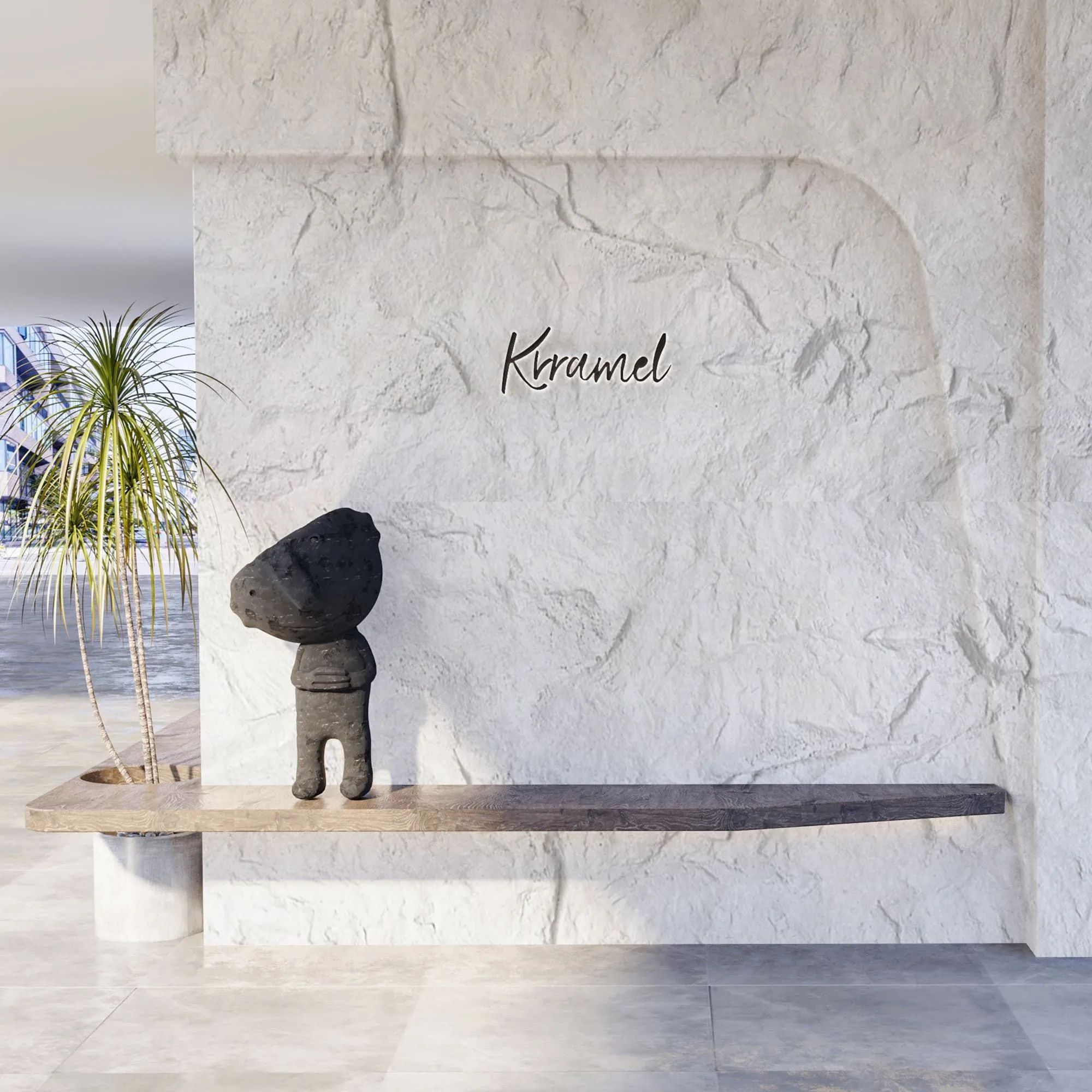
In 2025, "sustainable" isn't just a buzzword—it's a requirement. Businesses are under pressure to reduce their carbon footprint, and that includes the buildings they occupy. Boulder slab checks this box too, and in a way that feels authentic, not performative. Unlike natural stone, which often requires extensive mining and transportation (contributing to high emissions), boulder slab is made from a blend of recycled materials and modified composites, reducing its environmental impact from the start.
Its lightweight nature also plays a role. Heavier materials like natural granite require stronger structural support, which means more concrete, steel, and energy to build. Boulder slab's lower weight reduces the need for excess materials, cutting down on both costs and carbon emissions. And because it's so durable, it won't need to be replaced every decade, reducing waste over time. When you pair that with other eco-friendly options like mcm flexible stone (which is also made with sustainable practices), you're looking at a building that's as kind to the planet as it is to the eye.
So, where does boulder slab go from here? If the last few years are any indication, the sky's the limit. Architects are already experimenting with new finishes—think matte versions of the vintage tones, or even custom colors for brands that want something truly one-of-a-kind. We're also seeing more creative applications: boulder slab used not just on exteriors, but on outdoor patios, rooftop terraces, and even interior accent walls, blurring the line between inside and out.
Another trend? Smart integration. Imagine boulder slab panels that double as solar collectors, or that change color subtly to reflect the time of day (okay, that might be a few years off, but we can dream). The point is, boulder slab isn't a static material—it's evolving, just like the businesses that use it. As more companies prioritize employee well-being, we might even see boulder slab paired with living walls or vertical gardens, creating exteriors that are not just beautiful, but alive.
At the end of the day, office exteriors are about more than bricks and mortar. They're about how a space makes us feel—whether it's pride, inspiration, or simply joy. Boulder slab gets that. It's a material that understands the importance of first impressions, the value of durability, and the need to build spaces that reflect who we are and what we stand for. So the next time you walk past a striking office building, take a closer look. Chances are, you're looking at boulder slab—and you're not just seeing a facade. You're seeing a story in stone.
Recommend Products












