
Step into any modern shopping mall in Saudi Arabia today, and you'll notice more than just luxury brands or bustling food courts—you'll feel an atmosphere carefully crafted to blend opulence with comfort, tradition with innovation. Behind this sensory experience lies a quiet hero: the materials that shape walls, ceilings, and spaces. Among these, one material has been turning heads in architectural circles and delighting shoppers alike: White Wood MCM. Part of the broader MCM (Modified Composite Material) family, this versatile cladding solution isn't just a design choice; it's a statement about how commercial spaces can feel warm, inviting, and sustainably sophisticated. Let's dive into how White Wood MCM is redefining mall aesthetics in Saudi Arabia, and why it's become a go-to for architects and designers aiming to strike that perfect balance between form and function.
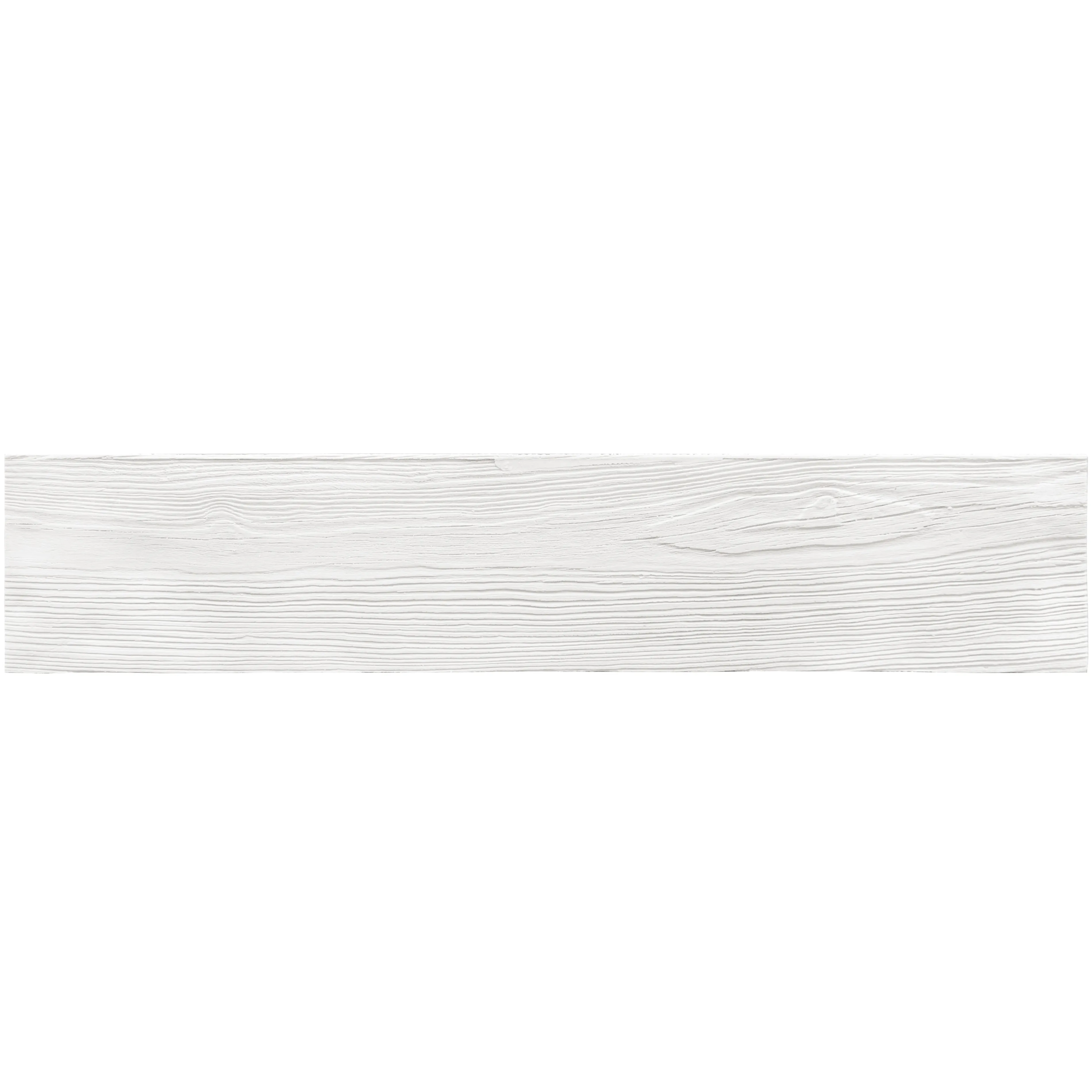
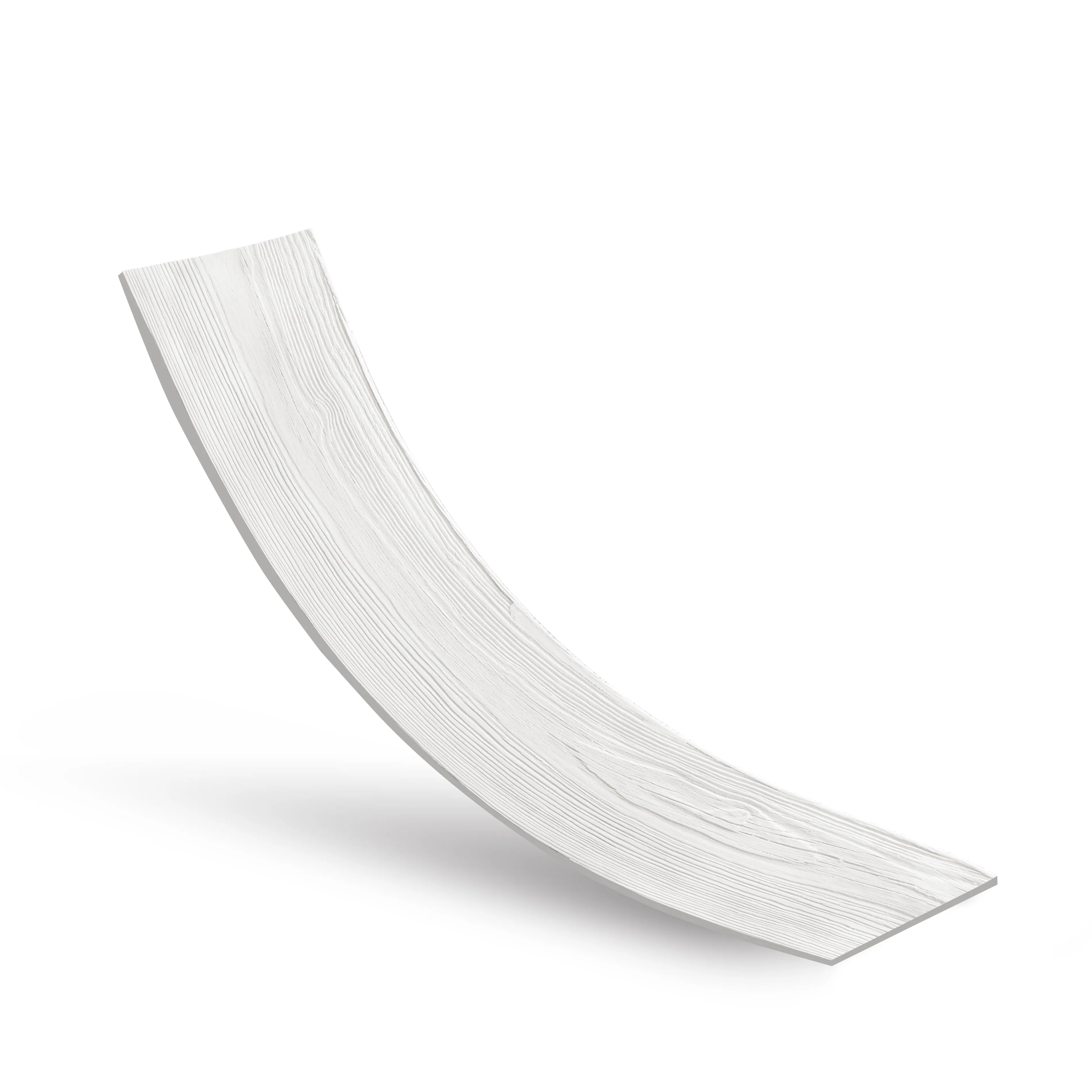
First, let's clarify: White Wood MCM isn't your average wood panel. MCM, or Modified Composite Material, is a cutting-edge technology that layers natural minerals, resins, and fibers to mimic the look and texture of natural materials—think wood, stone, or concrete—without their drawbacks. White Wood MCM, in particular, is engineered to replicate the soft, light-toned grain of premium white oak or ash, but with a twist: it's flexible, lightweight, and built to withstand the harsh Saudi climate, where temperatures soar and humidity can fluctuate.
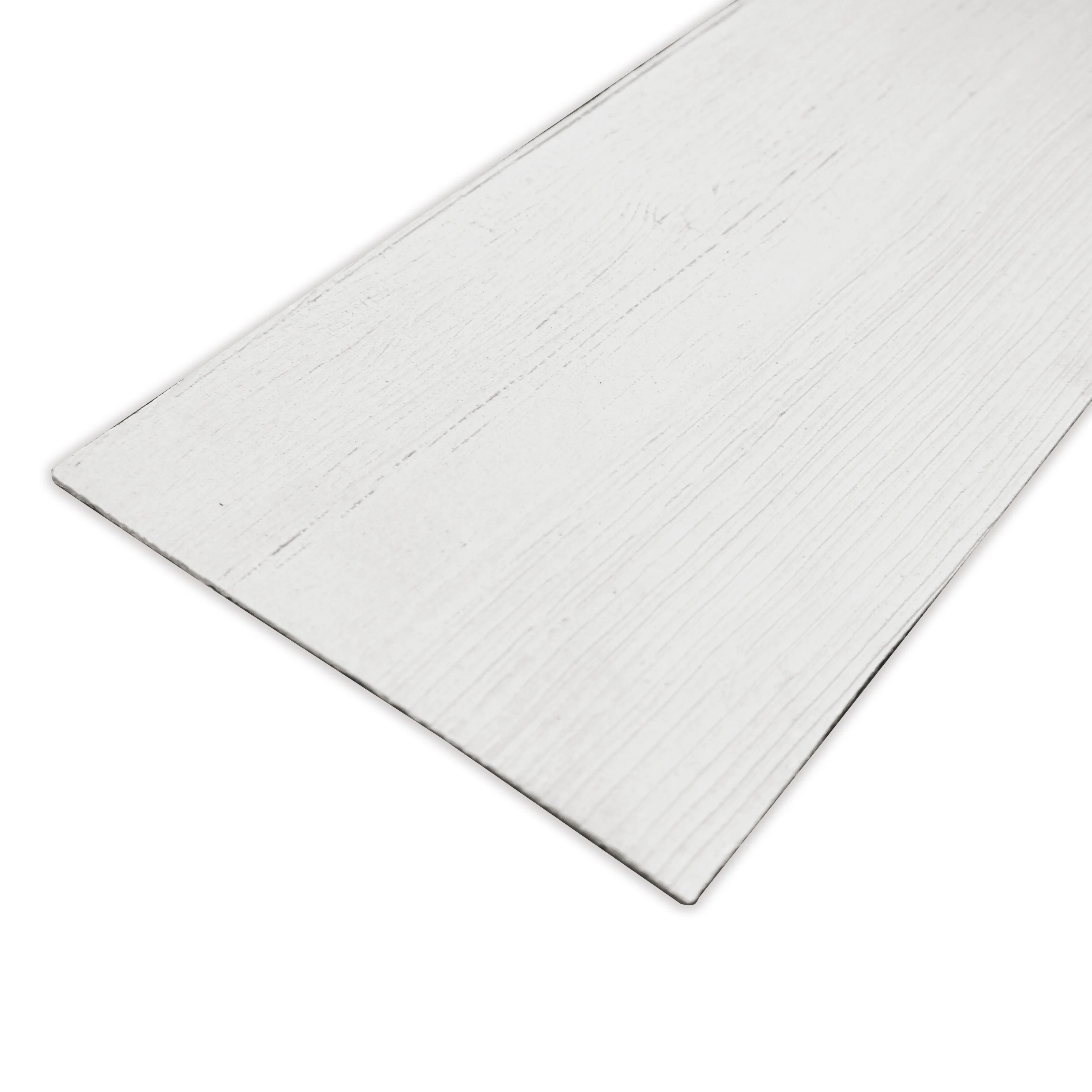
Traditional wood cladding, while beautiful, often struggles in such conditions—warping under heat, fading from UV exposure, or succumbing to moisture over time. White Wood MCM solves these issues. Its composite structure resists warping, discoloration, and mold, making it ideal for high-traffic areas like malls, where durability is non-negotiable. And at just a fraction of the weight of real wood, it's easier to install, reducing construction time and costs—a win for developers and contractors alike.
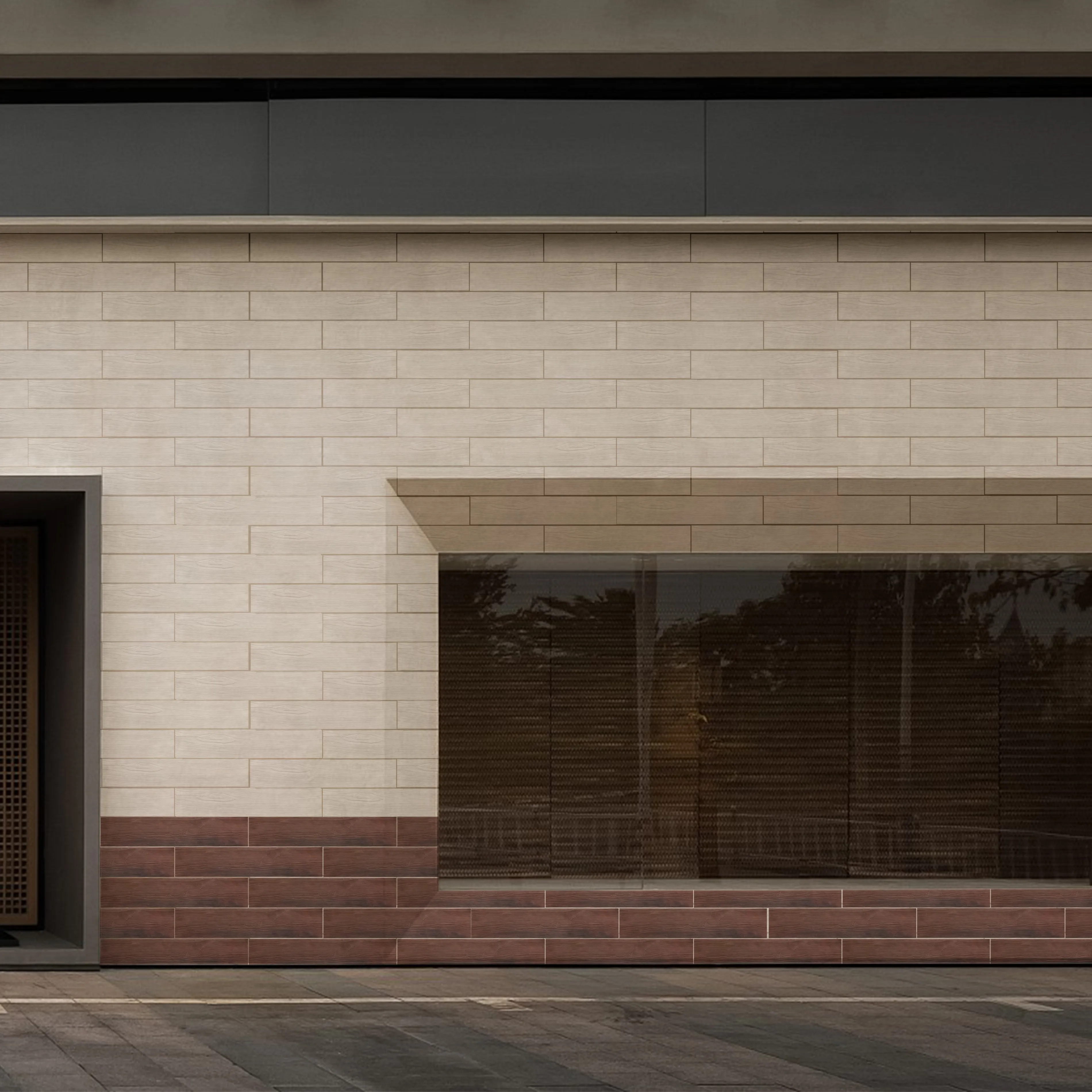
But what truly sets it apart is its aesthetic versatility. The "white wood" finish isn't stark or clinical; it's warm, with subtle grain patterns that add depth without overwhelming a space. Whether used as an accent wall in a luxury boutique, a ceiling panel in a food court, or a kiosk facade in a busy corridor, it brings a sense of calm sophistication. It reflects light, making spaces feel brighter and more open—no small feat in malls where natural light can be limited. And unlike painted surfaces, its color is integral to the material, so it won't chip or peel, keeping that fresh, just-installed look for years.
Great design is rarely about a single material—it's about how materials work together to tell a story. In Saudi malls, White Wood MCM shines brightest when paired with complementary textures and tones, creating layered, visually engaging spaces. Let's explore how it harmonizes with other standout materials like MCM Flexible Stone, Fair-Faced Concrete, and even classic Travertine (Beige), each contributing its own character to the mall's overall vibe.
| Material | Key Characteristics | Mall Application | Synergy with White Wood MCM |
|---|---|---|---|
| White Wood MCM | Lightweight, wood-grain texture, UV-resistant, moisture-proof | Accent walls, ceiling panels, kiosk facades, seating areas | Adds warmth and softness; balances industrial or sleek materials |
| MCM Flexible Stone | Thin, bendable, mimics natural stone (e.g., marble, slate) | Feature walls, elevator lobbies, luxury brand storefronts | White Wood's organic grain softens Flexible Stone's bold patterns |
| Fair-Faced Concrete | Raw, industrial look, high durability, minimalist appeal | Common areas, food court floors, structural columns | White Wood adds warmth to concrete's cool, utilitarian vibe |
| Travertine (Beige) | Natural stone with subtle veining, earthy tones, timeless elegance | Luxury boutique interiors, entrance lobbies, VIP lounges | White Wood's light color enhances travertine's creamy warmth; creates a cohesive neutral palette |
Take, for example, a high-end fashion boutique in Jeddah's Red Sea Mall. The designer paired White Wood MCM ceiling panels with MCM Flexible Stone in a soft marble finish for the walls. The result? A space that feels both luxurious (thanks to the stone's elegance) and approachable (due to the wood's warmth). Shoppers linger longer, drawn to the balance of textures. In another corner of the mall, the food court uses White Wood MCM on seating booths alongside Fair-Faced Concrete floors. The contrast—warm wood against cool concrete—creates an industrial-chic vibe that feels modern yet inviting, perfect for casual dining.
To truly understand White Wood MCM's impact, let's look at a recent renovation project: Al Nakheel Mall, a popular shopping destination in north Riyadh. Built in the early 2000s, the mall was due for a refresh to compete with newer, more modern developments. The design brief was clear: create an "urban oasis" that blended Saudi hospitality with contemporary design, making the mall feel less like a generic shopping center and more like a community hub.
The architects, Riyadh-based firm Dar Al Handasah, turned to White Wood MCM as a cornerstone of their vision. Here's how they used it:
Post-renovation, foot traffic increased by 15%, and tenant feedback was overwhelmingly positive. "Shoppers are staying longer," noted one boutique manager. "The space feels more welcoming—less like a place to rush through, more like a place to relax." For the mall's management, the durability of White Wood MCM was a pleasant surprise: six months in, the panels still look brand-new, with no signs of wear from daily use.
In today's design world, sustainability isn't an afterthought—it's a priority. Saudi Arabia's Vision 2030 emphasizes green building practices, and malls, as large commercial spaces, are under pressure to reduce their environmental footprint. White Wood MCM aligns with this vision, offering eco-friendly benefits that go beyond aesthetics.
For starters, MCM materials like White Wood are often made from recycled or renewable resources, and their production process emits fewer VOCs (volatile organic compounds) than traditional cladding materials like paint or vinyl. This is better for indoor air quality—a key consideration in malls, where thousands of people gather daily.
Then there's longevity. White Wood MCM's resistance to fading, warping, and moisture means it won't need to be replaced as frequently as real wood or painted surfaces. This reduces waste and lowers the mall's long-term maintenance costs. And when it does reach the end of its lifespan, many MCM panels are recyclable, further minimizing environmental impact.
Compare this to, say, natural wood cladding, which often requires chemical treatments to resist pests and decay, or painted drywall, which needs repainting every few years. White Wood MCM offers a "set it and forget it" solution for sustainable design—proof that eco-friendly choices can also be practical.

As Saudi Arabia's retail sector continues to grow—with new malls like Riyadh's Mall of Saudi and Jeddah's The Avenues under development—the demand for innovative, durable, and beautiful building materials will only rise. White Wood MCM is poised to lead this charge, but it's not alone. The broader MCM family, including materials like MCM Flexible Stone and 3D Printing Series panels, is opening up new design possibilities.
Imagine a mall where White Wood MCM ceilings are paired with 3D-printed MCM wall panels in geometric patterns, creating a dynamic, futuristic vibe. Or a luxury wing where White Wood MCM is combined with Travertine (Beige) and Fair-Faced Concrete, blending natural and industrial elements for a look that's both timeless and modern. The possibilities are endless, and designers are just starting to scratch the surface.
For mall developers, the message is clear: materials matter. They shape how shoppers feel, how long they stay, and how a space is remembered. White Wood MCM isn't just a cladding solution—it's a tool to create experiences. It's warm, it's durable, it's sustainable, and in the bustling world of Saudi Arabian malls, it's proving to be the perfect partner in crafting spaces that feel like more than just places to shop—they feel like home.
White Wood MCM may not be the most glamorous material in a mall's design palette, but it's undoubtedly one of the most impactful. It bridges the gap between beauty and practicality, tradition and innovation, making it a standout choice for Saudi Arabia's evolving commercial landscape. As more malls embrace this versatile cladding solution, we can expect to see spaces that are not only visually stunning but also sustainable, durable, and deeply human-centered—spaces that reflect the spirit of a nation moving confidently into the future.
Recommend Products












