

Commercial spaces are more than just buildings—they're brand ambassadors, customer experiences, and daily backdrops for productivity. The materials chosen to craft these spaces carry immense weight: they must balance aesthetics with durability, sophistication with practicality, and style with longevity. In the world of commercial design, one material has been turning heads for its ability to check all these boxes: Dark Grey Muretto Stone. A standout in the MCM flexible stone lineup, this material marries the timeless allure of natural stone with the adaptability of modern composites, making it a go-to for architects, designers, and project managers alike. But like any premium material, its success hinges on proper installation. In this guide, we'll walk through the best practices for installing Dark Grey Muretto Stone in commercial projects, ensuring your next build isn't just beautiful—it's built to last.
Before diving into installation, let's unpack what makes Dark Grey Muretto Stone so popular in commercial settings. Part of the broader MCM (Modified Composite Material) flexible stone family, it's engineered to mimic the depth and texture of natural stone—think the weathered elegance of quarried rock—without the bulk or fragility. Its dark grey hue is a study in versatility: it adds warmth to minimalist lobbies, edge to industrial-chic cafes, and gravitas to high-end retail spaces. Unlike porous natural stones, it resists stains, scratches, and moisture, making it ideal for high-traffic areas like hotel foyers, office corridors, or restaurant floors.
But what truly sets it apart is its flexibility. Traditional stone slabs are heavy and rigid, limiting installation to flat, load-bearing surfaces. Dark Grey Muretto Stone, however, bends slightly, allowing it to conform to curved walls, accent niches, or even custom furniture pieces—a game-changer for commercial projects where unique design elements set brands apart. And because it's lighter than natural stone, it reduces structural load, opening up possibilities for retrofits and high-rise installations where weight is a concern.
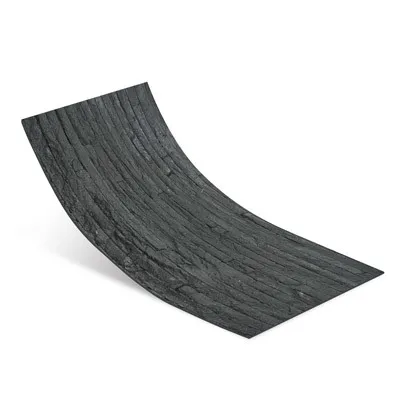
Installing Dark Grey Muretto Stone isn't just about slapping tiles on a wall—it's a process that starts long before the first stone is laid. Proper planning prevents costly mistakes, delays, and rework, especially in fast-paced commercial timelines. Here's what you need to focus on:
Walk the space with a critical eye. What's the substrate? Concrete? Drywall? Plywood? Each surface demands different prep work. For example, concrete floors may have cracks or unevenness that need addressing, while drywall walls require moisture barriers in humid areas (like restaurants or indoor pools). Use a moisture meter to check for dampness—excess moisture can weaken adhesives and cause stones to lift over time. Measure twice (or three times!) to confirm dimensions; commercial projects often have irregular angles or hidden obstructions (pipes, electrical boxes) that affect material quantity.
Ordering Dark Grey Muretto Stone? Don't just rely on the sample. Commercial projects require large quantities, and color or texture variations between batches can throw off the entire aesthetic. Request a production run sample from the supplier to ensure consistency. Also, factor in waste: add 10-15% extra to account for cuts, breakage, or future repairs. Pro tip: Store materials in a dry, climate-controlled area on-site—extreme temperatures or humidity can warp flexible stone before installation.
Skip the generic hardware store tools—invest in equipment designed for stone installation. You'll need: a notched trowel (size depends on stone thickness; 1/4-inch for standard tiles), a rubber mallet (to tap stones into place without cracking), a tile cutter or wet saw (for clean, precise cuts around corners or outlets), a spirit level (to ensure straight lines), and spacers (for uniform grout gaps). For large-scale projects, consider renting a laser level to keep rows aligned across expansive walls or floors.
| Pre-Installation Task | Why It Matters | Pro Tip |
|---|---|---|
| Substrate moisture testing | Prevents adhesive failure and mold growth | Use a calcium chloride test kit for concrete slabs |
| Batch consistency check | Avoids patchy color/texture in the final install | Unpack 10% of materials on-site to inspect before starting |
| Tool calibration | Ensures straight lines and even spacing | Test your level on a flat surface before each use |
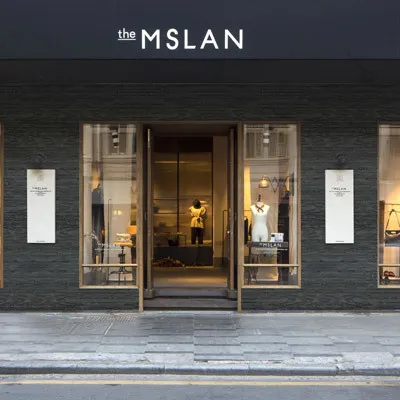
With planning done, it's time to lay the stone. Follow these steps to ensure a smooth, professional finish that will withstand the demands of commercial use.
A dirty or damaged substrate is the enemy of good adhesion. Begin by cleaning the surface thoroughly: sweep away dust, vacuum crevices, and wipe down with a damp cloth (avoid soaking). For concrete substrates, fill cracks with a polymer-based patching compound and sand smooth once dry. If the surface is uneven (common in older buildings), apply a self-leveling concrete overlay to create a flat base—this step alone can save hours of frustration later. For drywall, ensure it's properly sealed with a primer to prevent moisture absorption.
Not all adhesives are created equal—Dark Grey Muretto Stone requires a high-strength, flexible adhesive designed for composite materials. Avoid generic tile mastic, which may not bond well to the stone's surface. Apply the adhesive with a notched trowel, holding it at a 45-degree angle to create uniform ridges. Work in small sections (3-4 square feet at a time) to prevent the adhesive from drying out before you lay the stone. For vertical installations (like feature walls), use a slow-setting adhesive to give you time to adjust placement.
Start from the bottom corner of your installation area and work upward—this prevents stones from sliding as the adhesive sets. Place each Dark Grey Muretto Stone tile firmly onto the adhesive, using a slight twisting motion to ensure full contact. insert spacers between tiles to maintain consistent grout lines (typically 1/8-inch for commercial projects, though this can vary by design). Use a spirit level frequently to check for plumb (vertical) and level (horizontal) alignment—even a 1mm can throw off an entire wall. For cuts, measure twice and mark the stone with a pencil; use a wet saw with a diamond blade for clean edges, especially around outlets or fixtures.
Grout isn't just functional—it's a design element. Choose a grout color that complements Dark Grey Muretto Stone: charcoal or black for a seamless, monochromatic look, or light grey for subtle contrast. Mix grout according to the manufacturer's instructions (too runny and it shrinks; too thick and it's hard to spread). Apply it with a rubber float, pressing firmly into the gaps at a 45-degree angle. Let the grout set for 15-20 minutes, then wipe away excess with a damp sponge, rinsing frequently to avoid smearing. For commercial spaces, consider epoxy grout—it's stain-resistant and ideal for high-moisture areas like restrooms or food courts.
Even though Dark Grey Muretto Stone is less porous than natural stone, sealing is non-negotiable for commercial projects. A quality stone sealer creates a barrier against spills, dirt, and UV damage, extending the material's lifespan. Wait 24-48 hours after grouting for the surface to fully dry, then apply sealer with a lint-free cloth or sprayer, following the product's directions. Apply a second coat after the first dries for extra protection, especially in high-traffic zones like entryways or retail floors.
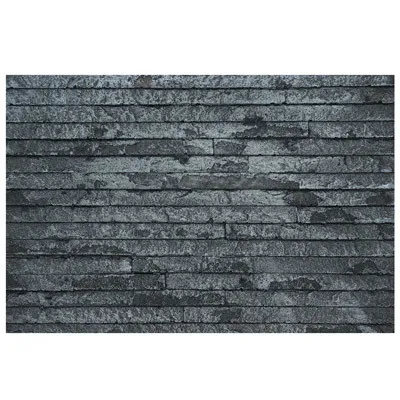
Installation is just the beginning—proper maintenance ensures your Dark Grey Muretto Stone remains a focal point for years. For commercial teams, this means simple, repeatable routines that fit into daily operations.
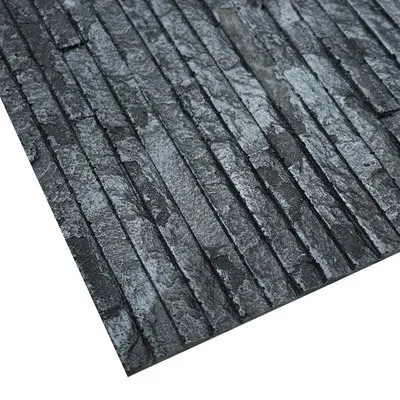
To see these best practices in action, let's look at a recent project: a 5,000-square-foot lobby renovation for a tech firm in Chicago. The client wanted a space that felt modern, durable, and aligned with their brand's "innovative yet timeless" ethos. The design team chose Dark Grey Muretto Stone for the feature wall and flooring, paired with fair-faced concrete accents for an industrial-chic vibe.
During pre-installation, the team discovered the original concrete floor had unevenness due to decades of wear. They applied a self-leveling overlay, ensuring the substrate was flat within 1/8-inch over 10 feet. For the feature wall, they used a slow-setting adhesive to allow for precise alignment of the stone, which was cut into custom 24x48-inch panels. The grout was matched to the stone's dark grey hue for a seamless look, and the entire surface was sealed with a matte finish to reduce glare in the sunlit lobby.
Six months later, the results speak for themselves: the stone has held up to daily foot traffic from 200+ employees and clients, with no cracks or loose tiles. The client reports positive feedback, noting the space feels "elevated yet approachable." Maintenance staff appreciates how easy the stone is to clean, with weekly mopping keeping it looking brand-new.
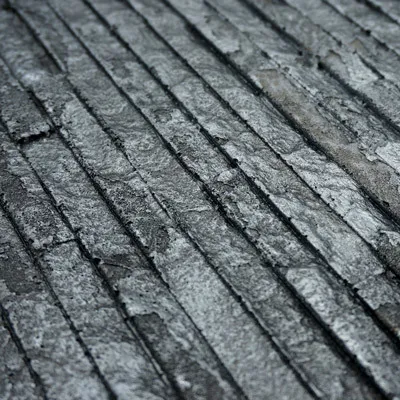
Dark Grey Muretto Stone rarely shines alone—it's at its best when paired with complementary materials. In commercial design, mixing textures and tones adds depth and interest. Here are a few winning combinations:
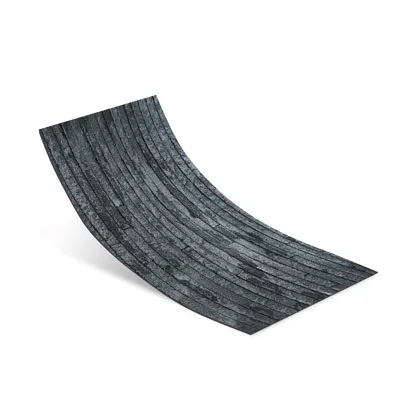
In today's commercial landscape, sustainability isn't optional—it's expected. Dark Grey Muretto Stone aligns with this goal, thanks to its roots in MCM flexible stone technology. Most MCM products are made with recycled materials (like crushed stone and polymer resins), reducing the need for virgin quarried stone. Additionally, their lightweight nature cuts down on transportation emissions, and low-VOC adhesives and sealers keep indoor air quality high—key for LEED-certified projects. For businesses prioritizing eco-conscious design, this stone isn't just a choice—it's a statement.
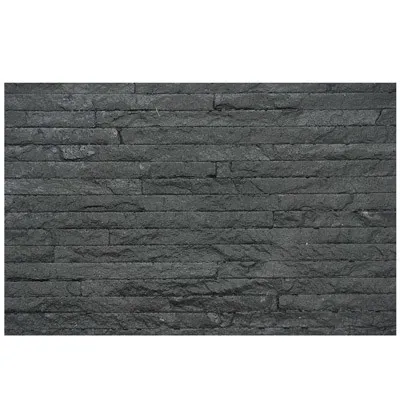
Even with careful planning, hiccups can happen. Here's how to address the most common installation challenges:
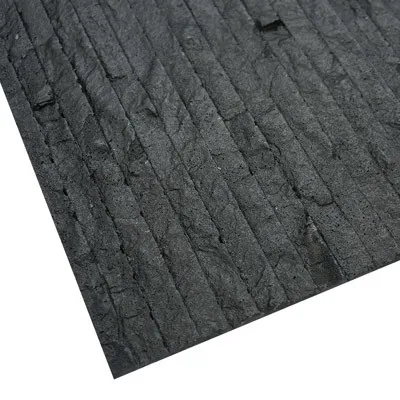
Dark Grey Muretto Stone is more than a material—it's a tool to craft spaces that inspire, endure, and define brands. By following these best practices—from pre-installation planning to post-care—you'll ensure your commercial project not only meets but exceeds expectations. Whether you're designing a hotel lobby, a retail store, or a corporate office, this stone offers the perfect blend of style and substance. And with its ties to MCM flexible stone innovation, it's a choice that looks forward while honoring the timeless appeal of natural stone. So, roll up your sleeves, gather your tools, and get ready to transform your next commercial space—one dark grey tile at a time.
Recommend Products












