
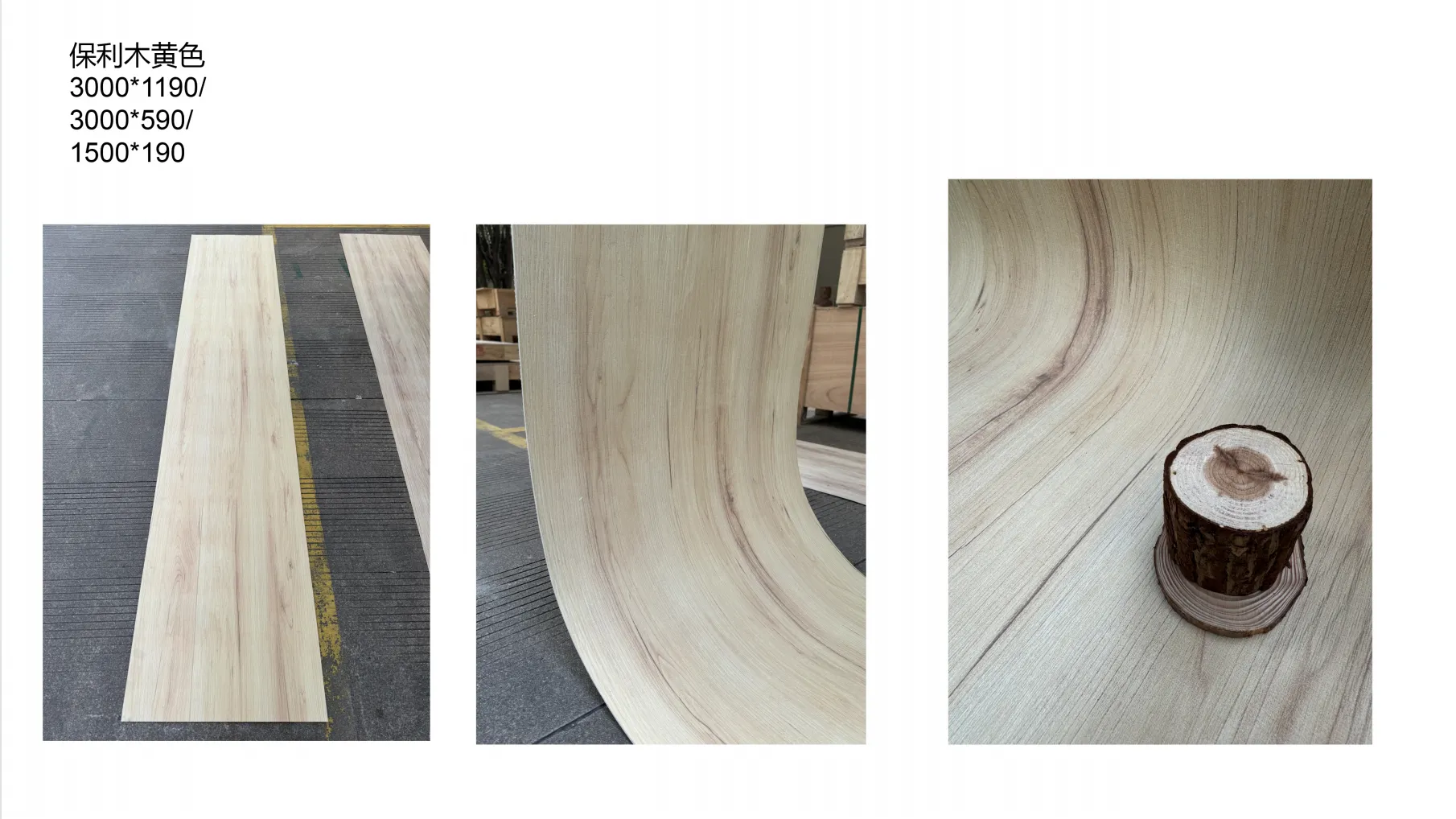
When it comes to commercial projects—whether you're designing a sleek hotel lobby, a bustling restaurant facade, or a high-traffic retail storefront—choosing the right building materials isn't just about aesthetics. It's about balancing beauty with durability, sustainability with cost-effectiveness, and personality with practicality. In recent years, two materials have emerged as popular contenders: MCM (Modified Composite Material) and poly wood board. But if you're aiming for a space that stands the test of time—both in looks and performance—there's a clear front-runner. Let's dive into why MCM, with its versatile offerings like MCM flexible stone and lunar peak silvery finishes, often outshines poly wood board in commercial settings. And yes, we'll even touch on why real photos of MCM installations matter more than you might think.
Before we get into the "why," let's make sure we're on the same page. Poly wood board (or "polywood") is a composite material made by blending plastic and wood fibers. It's marketed as a low-maintenance alternative to real wood, often used for decking, outdoor furniture, or even facade cladding. MCM, on the other hand, is a revolutionary material that combines natural minerals, recycled polymers, and advanced manufacturing techniques to create ultra-thin, lightweight panels that mimic the look of natural stone, concrete, metal, and more. Think of it as nature's beauty meets modern engineering—materials like fair-faced concrete , travertine (starry blue) , and even lunar peak silvery are all part of the MCM family, offering textures and colors that poly wood board can only dream of.
But here's the kicker: Commercial projects demand more than just a "wood-like" finish. They need materials that can handle rain, snow, harsh sunlight, and the constant foot traffic (or handprints, or coffee spills) that comes with busy spaces. Let's break down how MCM and poly wood board stack up in the areas that matter most.
Imagine a hotel entrance in a city that sees 10,000 guests a month. The facade takes a beating: rain in spring, blistering sun in summer, salt from winter roads, and the occasional stray shopping cart. Now, which material do you trust to still look good five years later? Let's start with poly wood board.
Poly wood is often praised for being "low maintenance," but here's the catch: it's still plastic at its core. Over time, exposure to UV rays can cause fading—turning that warm "teak" tone into a washed-out gray. Moisture? It can seep into seams, leading to warping or even mold if not sealed properly. And while it resists rot better than real wood, it's not impervious to scratches or dents. A busy restaurant patio with poly wood cladding might look great on day one, but after a few years of chairs scraping against it and harsh weather, you'll notice the wear.
MCM, though? It's built to outlast. Take MCM flexible stone , for example. Despite being as thin as 3-5mm, it's incredibly strong—thanks to its composite structure of natural stone particles and high-performance polymers. It's resistant to moisture (no warping here), UV rays (colors stay vibrant for decades), and even impact (those stray shopping carts? Barely a scratch). Lunar peak silvery, a popular MCM finish with a subtle metallic sheen, is a prime example: installed on a retail facade in Miami, it's endured years of intense sunlight and salt air without losing its luster. Fair-faced concrete MCM panels, with their raw, industrial vibe, develop a beautiful patina over time instead of deteriorating—adding character rather than looking worn.
Think about it this way: Commercial projects are long-term investments. You don't want to be budgeting for a facade replacement every 5-7 years. MCM's durability isn't just a selling point—it's a cost-saver in the long run.
Let's talk about curb appeal. Commercial spaces need to make a statement—whether that's luxury, warmth, modernity, or rustic charm. Poly wood board, by design, is limited to mimicking wood. Sure, you can get "walnut," "mahogany," or "cedar" tones, but that's it. It's a one-trick pony, and in a market where uniqueness sells, that's a problem.
MCM, though, is like an artist's palette. Want the raw, industrial look of fair-faced concrete ? MCM has it, but lighter and easier to install than traditional concrete panels. Dreaming of a facade that shimmers subtly at dusk? Travertine (starry blue) MCM panels have tiny, iridescent particles that catch the light—perfect for a high-end boutique or hotel. Lunar peak silvery adds a touch of futuristic elegance, while textures like "rough granite stone" bring earthy warmth. Even wood-like finishes are possible with MCM, but unlike poly wood, they're paired with the durability of stone. You can mix and match: a restaurant might use travertine (starry blue) for the entrance accent wall and fair-faced concrete MCM for the main facade, creating depth and interest that poly wood could never replicate.
Here's a real scenario: A client once came to me wanting a "beach-meets-industry" vibe for their coastal café. Poly wood board was suggested, but it felt too generic—like every other beach bar in town. Instead, we went with MCM: travertine (starry blue) panels for the upper facade (those starry flecks mimicking sunlight on water) and fair-faced concrete MCM for the lower half (adding that industrial edge). The result? A space that stood out, felt cohesive, and looked expensive—without the price tag of real stone. Poly wood would have locked us into a "wooden shack" aesthetic, but MCM let us tell a story.
Sustainability isn't just a buzzword in commercial design—it's a requirement. Clients, tenants, and even local regulations are pushing for materials that reduce environmental impact. So how do MCM and poly wood board stack up here?
Poly wood board is often marketed as "eco-friendly" because it uses recycled plastic. While that's true (some brands use up to 95% recycled plastic), the problem is in the lifecycle. Once poly wood reaches the end of its life (which, as we've established, is shorter than MCM), it's hard to recycle again—most ends up in landfills, where it can take centuries to break down. Plus, the manufacturing process often involves harmful chemicals and high energy use,.
MCM, on the other hand, is designed with sustainability in mind from the start. Many MCM products, including fair-faced concrete and MCM flexible stone, use recycled materials—like crushed stone waste from quarries or recycled polymers. The production process is low-energy, with minimal water usage and low VOC emissions (no toxic fumes here). And because MCM is so lightweight (up to 80% lighter than traditional stone panels), transporting it uses less fuel—reducing carbon footprint. Even better: MCM panels are fully recyclable at the end of their life, closing the loop.
Take lunar peak silvery again. Its metallic finish comes from natural mica particles, not synthetic dyes, and the base material includes recycled stone dust. A commercial office building using lunar peak silvery MCM isn't just making a style statement—it's reducing its environmental impact. Poly wood, for all its recycled plastic claims, can't compete with MCM's cradle-to-cradle approach.
Let's talk numbers. Poly wood board often has a lower upfront cost than MCM—there's no denying that. But commercial projects aren't about "cheap now"—they're about "smart over time." Let's break it down:
A retail chain I worked with once chose poly wood for their store facades to save money. Five years later, they're replacing half the panels due to fading and warping—and spending more than if they'd invested in MCM upfront. Don't make that mistake.
Still on the fence? Let's put it all in a table to see how they compare:
| Metric | MCM (e.g., Flexible Stone, Lunar Peak Silvery) | Poly Wood Board |
|---|---|---|
| Durability | Resists UV, moisture, impact; 30+ year lifespan | Fades, warps, or scratches; 10-15 year lifespan |
| Weight | 3-6kg/m² (lightweight, easy to install) | 8-12kg/m² (heavier, requires stronger support) |
| Aesthetic Range | Endless: stone, concrete, metal, wood-like; finishes like travertine (starry blue), lunar peak silvery | Limited to wood-like tones and textures |
| Sustainability | Recycled materials, low VOC, fully recyclable | Uses recycled plastic but hard to recycle post-use; higher carbon footprint |
| Maintenance Cost | Almost zero (occasional cleaning) | High (sealing, repairs, replacement) |
| Cost Over 20 Years | Lower (one installation, no replacements) | Higher (two installations, ongoing maintenance) |
You've probably heard the phrase "a picture is worth a thousand words"—and in commercial design, real photos of finished projects are gold. They don't just show off a material's beauty; they prove its performance. When clients ask to see MCM installations, I don't just send them catalogs—I show them real photos of buildings that have been up for 5, 10, even 15 years. Here's what those photos reveal:
Consistency: A hotel in Chicago installed lunar peak silvery MCM panels 12 years ago. The real photos? They look almost identical to the day they were installed—no fading, no warping, just that same sleek, silvery finish. Poly wood photos from the same era? You'd see a noticeable difference in color and texture.
Versatility: Real photos of a restaurant in Barcelona using travertine (starry blue) MCM for its outdoor patio show how the material transitions from day to night—sparkling subtly in sunlight, glowing warmly under string lights. There's no poly wood photo that can capture that range of visual interest.
Practicality: A retail mall in Dubai used MCM flexible stone on its food court walls. The real photos tell the story: after years of spills, sticky fingers, and constant cleaning, the panels still look fresh and new. Poly wood in that setting? Stains would have set in, and scratches would be impossible to hide.
Real photos build trust. They show that MCM isn't just a pretty material—it's a material that delivers, day in and day out. And when clients see those photos, the choice becomes obvious.
Commercial projects are investments in the future—of your business, your brand, and the communities they serve. They need materials that don't just look good today but continue to impress, perform, and adapt for decades. Poly wood board might seem like a budget-friendly option, but it's a short-term fix that will cost you in the long run—whether through repairs, replacements, or a faded, worn-down aesthetic.
MCM, with its diverse range—from the industrial chic of fair-faced concrete to the celestial beauty of travertine (starry blue) and the modern elegance of lunar peak silvery—offers something poly wood never can: a perfect blend of durability, sustainability, and style. It's a material that works as hard as your project does, standing up to the chaos of commercial life while still turning heads.
So the next time you're planning a commercial project, ask yourself: Do I want a material that's "good enough" for now, or one that will make my space unforgettable for years to come? If it's the latter, MCM is the answer. And when you see the real photos of what it can do? You'll wonder why you ever considered anything else.
Recommend Products












