
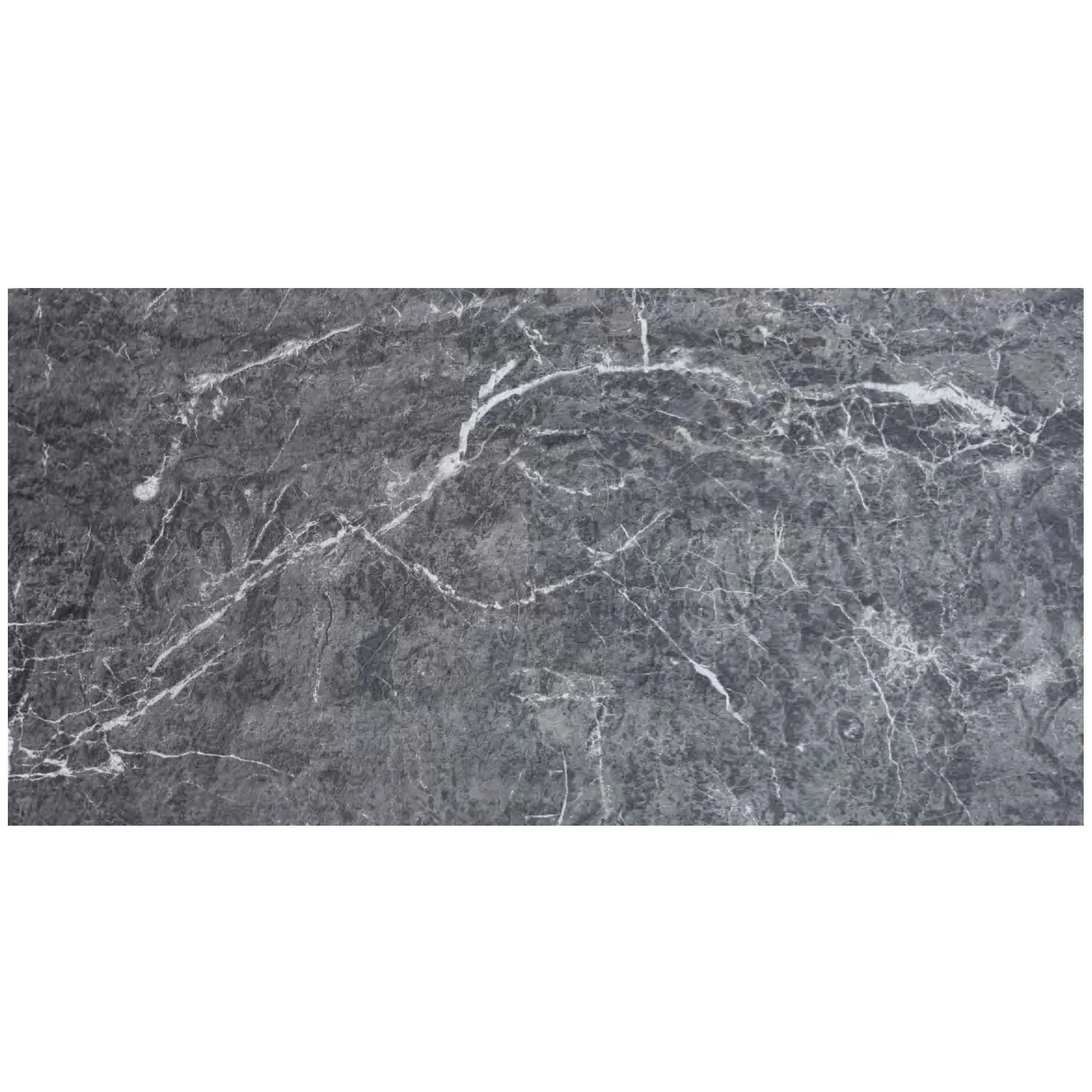
Walk into any busy commercial space—a bustling café on a city corner, a sleek retail store in a shopping district, or a modern office lobby—and you'll notice something immediately: the walls, floors, and surfaces are talking. They're telling a story about the business behind them. Are they warm and inviting? Sleek and professional? Or are they tired, worn, and silently screaming, "We haven't invested in this space in years"? For business owners, that story matters. It's not just about aesthetics; it's about customer perception, employee morale, and even the bottom line. But here's the thing: commercial renovation is rarely easy. Traditional materials like heavy granite slabs, chipping concrete, or high-maintenance wood often come with headaches—sky-high costs, lengthy installation timelines, and a lifespan that feels shorter than the latest tech gadget. That's where the MCM Big Slab Board Series steps in, and at the heart of this game-changing line? Granite Nero Margiua MCM Big Slab Boards . Let's dive into why this material is quickly becoming the go-to choice for business owners who refuse to settle for "good enough."
If you've ever owned or managed a commercial space, you know the drill. You invest in a renovation, cross your fingers, and hope the materials hold up. But then reality hits: the "durable" concrete walls stain the first time a customer spills their coffee. The wood panels warp in humid weather. The granite floors, while stunning, start to chip around high-traffic edges after just a few months. And don't even get started on the installation process—coordinating heavy machinery to lift those traditional granite slabs, dealing with contractors who need weeks (or months) to finish, and watching your budget balloon as unexpected costs pile up. It's enough to make any business owner want to throw up their hands and say, "Why bother?"
Take Maria, for example. She owns a popular brunch spot in downtown Portland. Three years ago, she renovated her café with fair-faced concrete walls, thinking it would give off that trendy, industrial vibe while being low-maintenance. Today, those walls are covered in coffee stains that won't scrub off, and there are hairline cracks near the entrance from the constant foot traffic. "I feel like I'm always apologizing for how dated the place looks," she says. "Customers notice. They take one look at the walls and wonder if we care about the little things—and if we don't care about the walls, do we care about the food?"
Or consider Raj, who runs a boutique clothing store in Chicago. He opted for traditional marble floors during his renovation, drawn to their elegant veining. But within a year, the marble had etched marks from shoe scuffs and water damage, and the seams between tiles had become breeding grounds for dirt. "I spend more time cleaning those floors than I do curating my inventory," he groans. "And every time I think about replacing them, the quote for new marble slabs makes me break out in a sweat. It's just not feasible."
These stories aren't outliers—they're the norm. Traditional materials were designed for a different era, one where "good enough" was acceptable. But today's businesses need more: materials that can keep up with the chaos of daily life, reflect a brand's personality, and do it all without draining resources. Enter Granite Nero Margiua MCM Big Slab Boards —a material that doesn't just check the boxes; it redefines them.
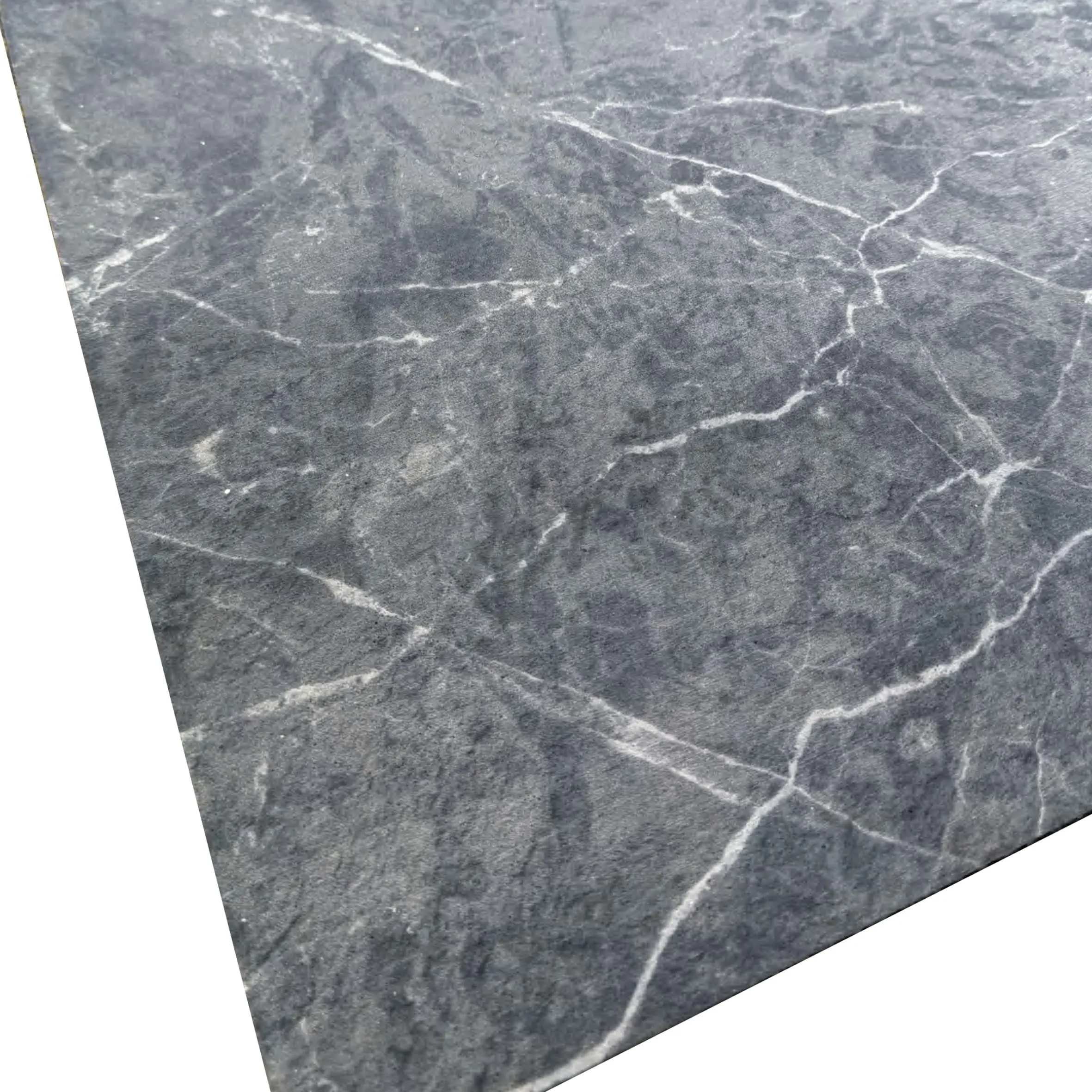
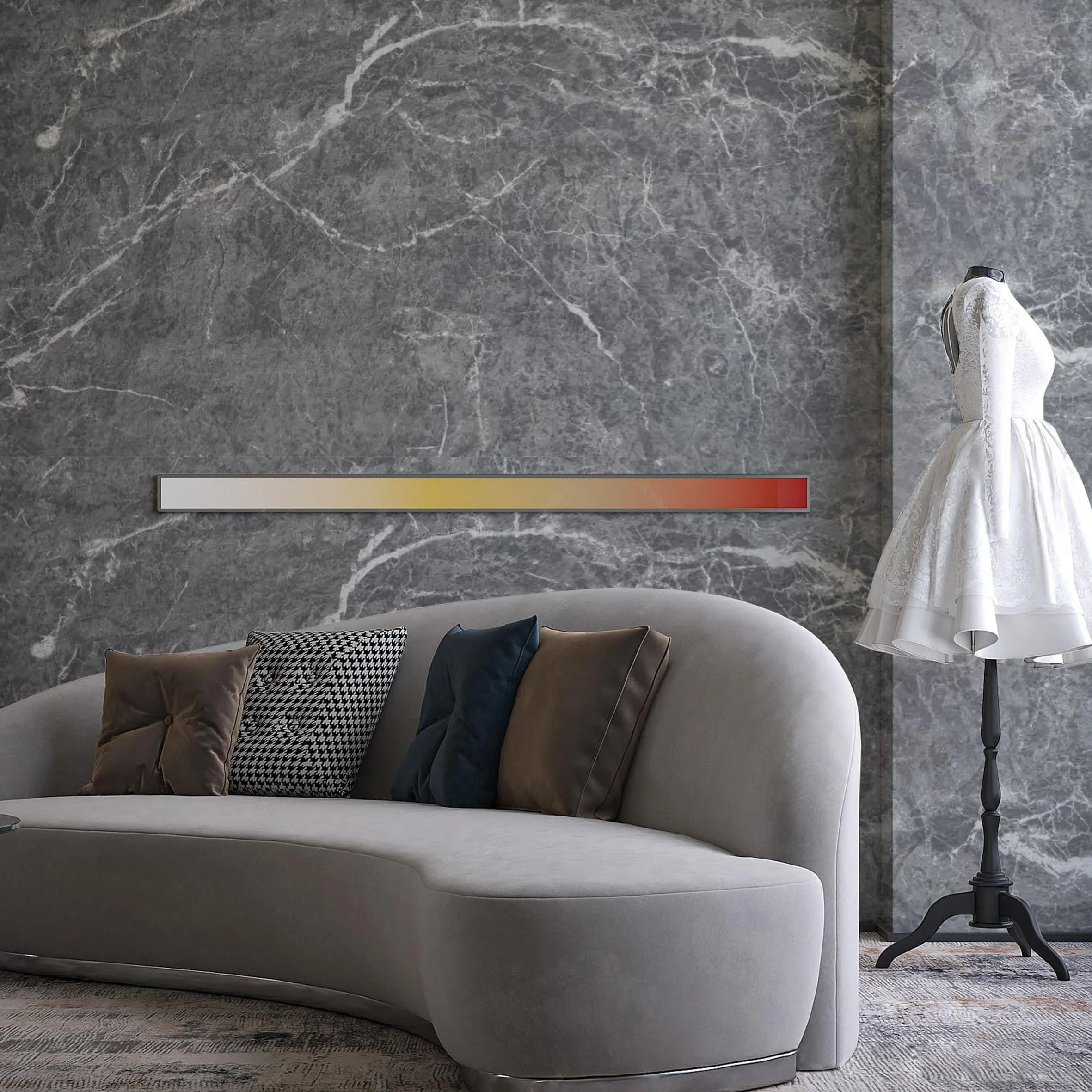
Let's start with the basics: what is MCM? Short for Modified Composite Material, MCM is a revolutionary technology that combines the best of natural materials (like granite, stone, and wood) with advanced engineering. The result? A material that's lighter, stronger, more flexible, and more durable than traditional options. And when you pair that technology with the bold, sophisticated look of Granite Nero Margiua —a deep, rich black with subtle, almost galaxy-like veining—and the "big slab" design (think: slabs up to 12 feet long and 4 feet wide), you get a surface that's as practical as it is stunning.
First, let's talk about that "big slab" advantage. Traditional stone or concrete installations require dozens of small tiles or slabs, each separated by grout lines or seams. Those seams aren't just unsightly—they're weak points. Dirt gets trapped in them, water seeps through, and over time, they become the first places to crack or chip. With MCM big slabs, you get far fewer seams. Imagine covering an entire wall with just 2-3 slabs instead of 50 small tiles. The result? A smooth, seamless look that feels intentional and high-end. "It's like the difference between a patchwork quilt and a tailored suit," says Jake, a commercial contractor who's installed MCM slabs in everything from restaurants to hotels. "The big slabs make the space feel larger, cleaner, and more cohesive. Clients always comment on how 'expensive' it looks—and they're shocked when I tell them it's actually more affordable than traditional granite."
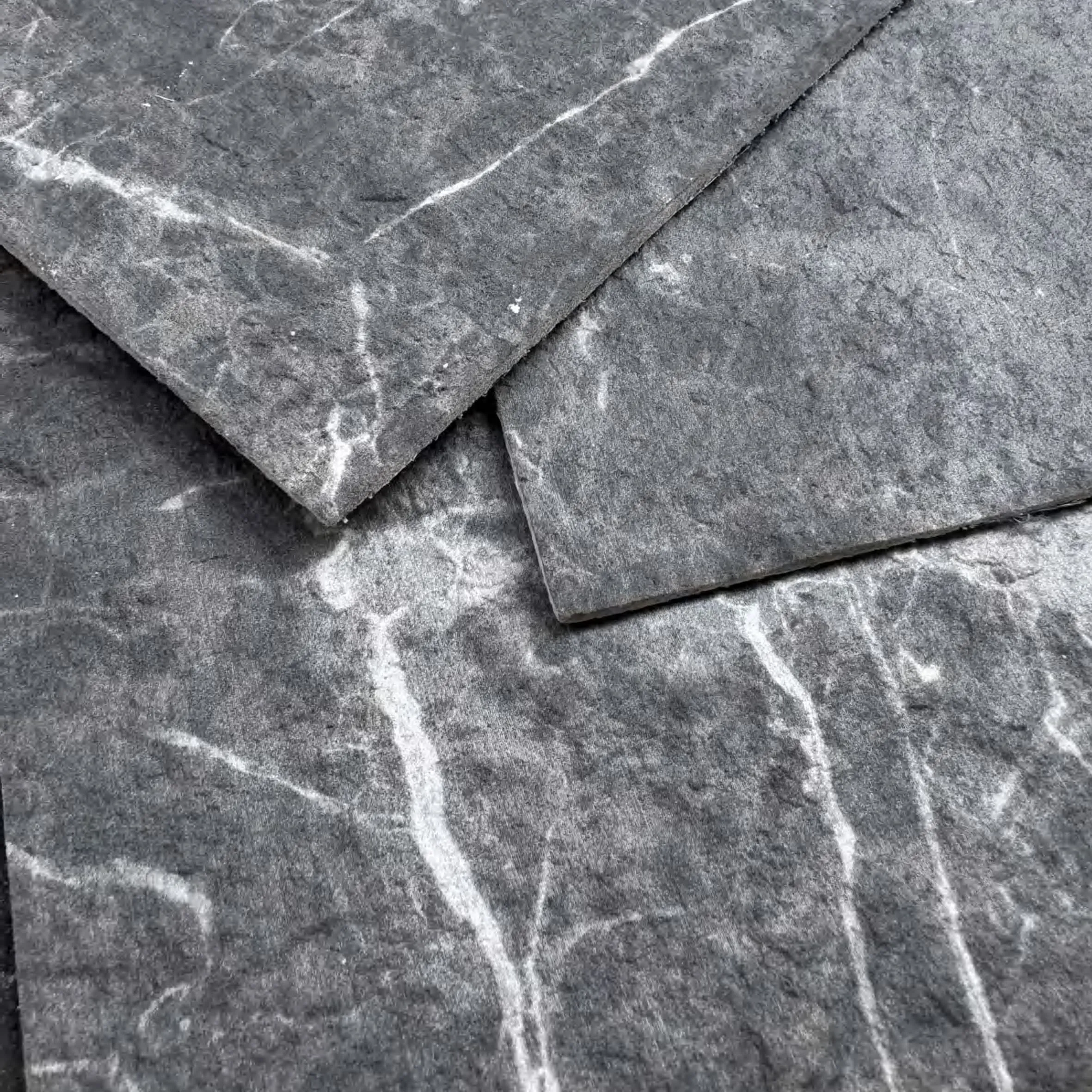
Then there's the weight. Traditional granite slabs can weigh upwards of 200 pounds per square foot. That means you need heavy machinery to transport and install them, reinforced structural support in the building, and a crew of 4-5 people just to lift one slab. MCM changes the game. Granite Nero Margiua MCM Big Slab Boards weigh in at a fraction of that—around 8-10 pounds per square foot. That's light enough for two people to carry, no heavy equipment needed. For business owners, that translates to faster installation (we're talking days instead of weeks), lower labor costs, and less disruption to daily operations. "We renovated our office lobby with MCM slabs, and the crew was in and out in 3 days," says Priya, who manages a tech startup in Austin. "With traditional granite, we were quoted 3 weeks of construction noise and chaos. We barely noticed the MCM installation—except for how amazing the lobby looks now."
Durability? Let's put it this way: MCM is designed to handle the kind of abuse that would make traditional materials cry. It's scratch-resistant, so those shoe scuffs in Raj's boutique? A non-issue. It's stain-resistant, so Maria's coffee spills would wipe right off. It's water-resistant, mold-resistant, and even fire-resistant. And because it's flexible (unlike rigid concrete or stone), it can handle minor shifts in the building's structure without cracking. "We installed Granite Nero Margiua MCM in our restaurant kitchen three years ago, and it still looks brand new," says Tony, a chef in Denver. "We've had hot pans set on it, oil spills, even a dropped knife or two. Not a single mark. I used to replace my kitchen backsplash every year—now I forget it's even there."
But perhaps the most underrated benefit? Aesthetics. Granite Nero Margiua isn't just "black granite"—it's a statement. The deep, inky base is swirled with hints of charcoal and silver, creating a texture that looks different depending on the light. In natural sunlight, it shimmers subtly; under warm overhead lights, it feels cozy and inviting. It's versatile, too. Pair it with warm woods for a rustic-industrial vibe, or with sleek metals for a modern, minimalist look. "We wanted our retail store to feel like a high-end gallery," says Lila, who owns a luxury skincare brand in Los Angeles. "The Granite Nero Margiua walls act like a canvas for our products. They're bold enough to make a statement but neutral enough to let the skincare line shine. Customers walk in and say, 'Wow—this feels expensive.' And that's exactly the impression we want."
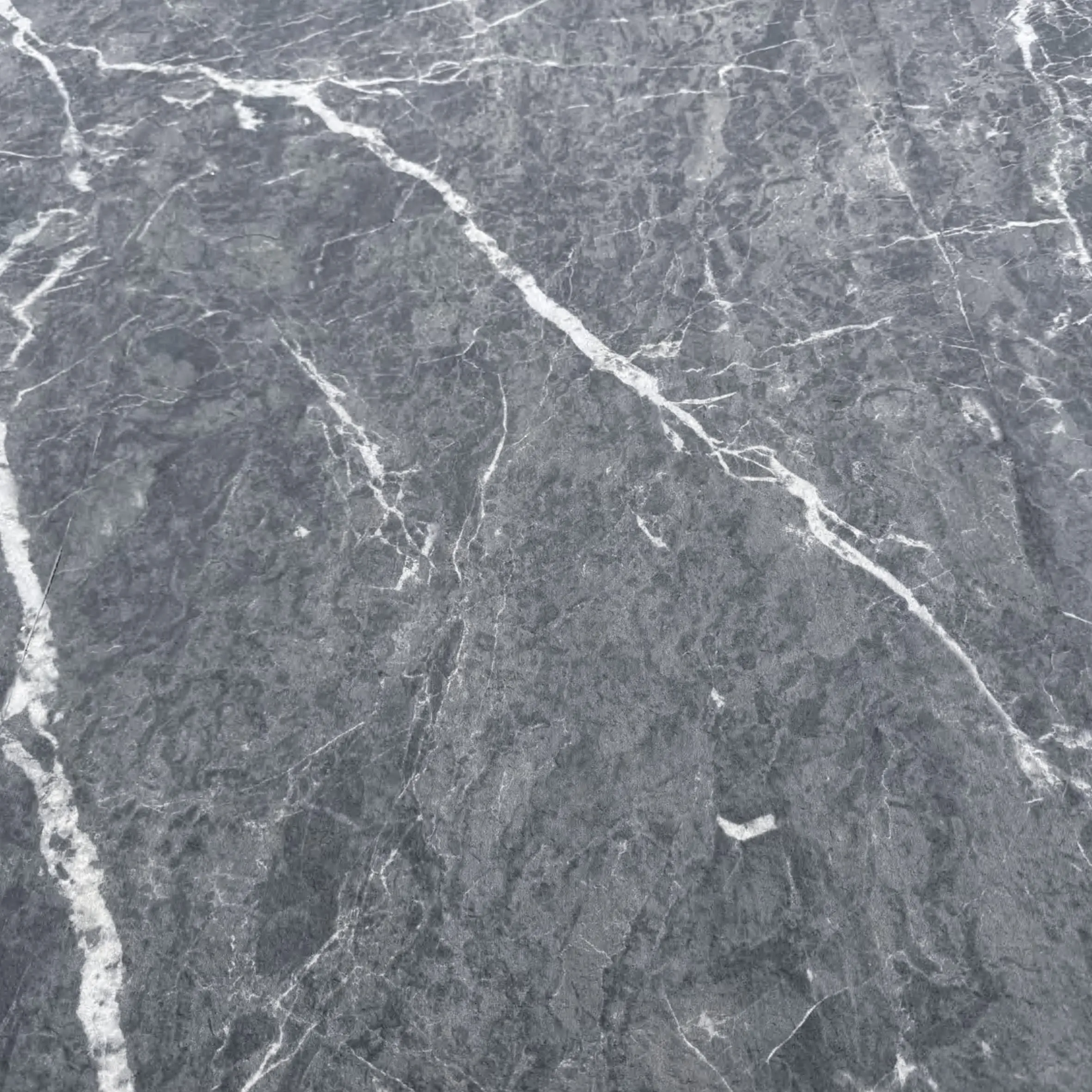
Curious how Granite Nero Margiua MCM Big Slab Boards compare to other popular commercial renovation materials? Let's break it down with a side-by-side look at three common options: fair-faced concrete , Lunar Peak Black (another standout in the MCM line), and traditional granite.
| Feature | Granite Nero Margiua MCM Big Slab | Fair-faced Concrete | Lunar Peak Black (MCM) | Traditional Granite Slabs |
|---|---|---|---|---|
| Weight | 8-10 lbs/sq ft (lightweight, easy to install) | 40-50 lbs/sq ft (heavy, requires structural support) | 7-9 lbs/sq ft (even lighter than Nero Margiua) | 150-200 lbs/sq ft (extremely heavy, needs machinery) |
| Durability | Scratch, stain, water, and fire-resistant; flexible (resists cracking) | Prone to staining, cracking, and etching; porous | Similar to Nero Margiua (durable, but with a matte, "lunar" texture) | Durable but brittle (prone to chipping at edges); porous (needs sealing) |
| Installation Time | 1-3 days for a typical commercial space | 1-2 weeks (requires curing time, formwork) | 1-3 days (same as Nero Margiua) | 2-4 weeks (heavy lifting, precise cutting, sealing) |
| Aesthetic Appeal | Deep black with subtle silver veining; seamless look; versatile (modern, industrial, luxury) | Raw, industrial look but stains easily; limited color options | Matte black with a textured, almost "cratered" finish; bold, edgy vibe | Classic, elegant veining but visible seams; limited slab sizes |
| Long-Term Maintenance | Minimal: wipe clean with soap and water; no sealing needed | High: regular sealing, stain removal, crack repair | Minimal (same as Nero Margiua) | High: annual sealing, professional cleaning, repair of chips/etching |
| Cost (Material + Installation) | Mid-range (more affordable than traditional granite, less than marble) | Low upfront, but high long-term maintenance costs | Similar to Nero Margiua | High upfront (material + labor + machinery) + high maintenance |
The takeaway? While materials like fair-faced concrete or traditional granite have their place, they simply can't compete with MCM when it comes to balancing durability, aesthetics, and practicality. And within the MCM family, Granite Nero Margiua stands out for its versatility. It's bold enough to be a focal point but neutral enough to complement other textures—like the iridescent sparkle of Travertine (Starry Blue) , for example. Imagine a hotel lobby with Nero Margiua walls and Starry Blue accents: the deep black grounds the space, while the blue adds a touch of whimsy, making guests feel like they've stepped into a modern art gallery. It's that kind of flexibility that makes MCM a designer's dream.
Let's put this all into context with a real-world example. Meet Carlos, who owns a high-end furniture store in Seattle. His space was stuck in the 2000s: dark wood paneling, outdated carpet, and walls covered in peeling wallpaper. "I was losing customers to newer stores with brighter, more modern spaces," he says. "I needed something that would make my furniture—pieces that are works of art—look their best. But I also needed something that could handle the foot traffic, the occasional spills from in-store events, and wouldn't require me to close for weeks during renovation."
Carlos considered traditional options first: marble floors (too expensive, too high-maintenance), fair-faced concrete (too industrial for his brand), and even wood (too prone to warping in Seattle's humidity). Then he discovered the MCM Big Slab Board Series , and after seeing samples of Granite Nero Margiua , he was sold. "The color is perfect—deep, rich, but not overwhelming. It makes my furniture pop without competing with it," he says. "And the fact that the slabs are so large meant I could cover the entire main wall with just two pieces. No seams, no gaps—just a smooth, luxurious surface."
The installation took just 48 hours. "The crew arrived on a Monday morning, and by Wednesday afternoon, the walls were done," Carlos recalls. "They even helped me pick accent pieces—we added a strip of Travertine (Starry Blue) along the baseboards to tie in the blue tones in some of my sofas. It's subtle, but customers notice. They walk in and say, 'This feels like a New York gallery.'"
Six months later, Carlos is thrilled with the results. "The walls look as good as day one. We've had wine spills during events, kids running around, even a delivery guy bump a dolly into the wall—and there's not a scratch. I used to spend $500 a month on maintenance; now I spend $50 on soap and water. And sales? They're up 20% since the renovation. Customers stay longer, take more photos, and tell their friends. It was the best investment I've ever made."
In today's world, "sustainability" isn't just a buzzword—it's a priority for both businesses and consumers. Customers want to support brands that align with their values, and that includes how a business builds and maintains its space. Traditional materials often fall short here: mining natural granite is resource-intensive, concrete production releases high levels of CO2, and wood harvesting can contribute to deforestation. MCM, on the other hand, is designed with sustainability in mind.
Granite Nero Margiua MCM Big Slab Boards are made using a high percentage of recycled materials, reducing the need for virgin resources. The manufacturing process is energy-efficient, with low emissions, and because MCM is so durable, it reduces the need for frequent replacements—meaning less waste over time. "We're a B Corp, so sustainability is non-negotiable," says Maya, who runs a chain of eco-friendly bookstores in the Pacific Northwest. "When we renovated our flagship store with MCM slabs, we were able to reduce our carbon footprint by 30% compared to our previous renovation with traditional materials. Our customers love that we're walking the walk, not just talking the talk."
Plus, MCM's lightweight design means less fuel is used during transportation, and its easy installation reduces the need for heavy machinery (which also cuts down on emissions). For businesses looking to earn LEED certification or simply reduce their environmental impact, Granite Nero Margiua MCM Big Slab Boards check that box, too.
While Granite Nero Margiua is a standout, the MCM Big Slab Board Series offers a range of options to suit every brand's personality. Let's take a quick tour of some of the most popular choices, and how they might complement or contrast with Nero Margiua:
If Nero Margiua is the "galaxy," Lunar Peak Black is the "moon's surface"—matte, textured, and slightly rough to the touch, with subtle craters and indentations that add depth. It's perfect for brands going for an edgy, modern vibe. Pair it with Nero Margiua in a restaurant: use Lunar Peak for the bar front (where texture adds visual interest) and Nero Margiua for the walls (for a sleek backdrop).
Travertine (Starry Blue)
As mentioned earlier, Travertine (Starry Blue) is a showstopper. It mimics the look of natural travertine but with a twist: tiny, iridescent flecks that catch the light, like stars in a blue sky. It's ideal for adding pops of color without overwhelming a space. A boutique hotel might use it in guest room accent walls, paired with Nero Margiua headboards for a luxurious, cohesive look.
For businesses that love the industrial look of concrete but hate the maintenance, fair-faced concrete MCM is a game-changer. It has the same raw, textured appearance as traditional concrete but with MCM's durability and lightweight benefits. A coffee shop could use it for countertops and pair it with Nero Margiua walls for a balance of industrial and luxury.
At the end of the day, the best material for your commercial space depends on your brand, your budget, and your priorities. But if you're looking for something that's durable, aesthetically versatile, easy to install, and sustainable—something that will make customers say, "Wow, this place feels different"—then Granite Nero Margiua MCM Big Slab Boards are worth serious consideration.
Ask yourself: What story do I want my space to tell? Do I want it to feel bold and sophisticated? Warm and inviting? Edgy and modern? Granite Nero Margiua can adapt to all of these. It's not just a material; it's a partner in your business's success. It's the difference between a space that fades into the background and one that leaves a lasting impression.
So, to all the business owners out there—Maria, Raj, Carlos, and beyond—don't settle for materials that hold you back. Your space deserves better. And with the MCM Big Slab Board Series , better is finally within reach.
After all, your business isn't just a place—it's a reflection of who you are. Shouldn't your walls tell that story with pride?
Recommend Products












