
Walk into any beloved restaurant, and you'll quickly realize it's not just the food that keeps people coming back. It's the feeling of being "seen"—of entering a space that feels intentional, thought through, and alive. Materials are the building blocks of that feeling. A sleek, cold interior might leave guests feeling disconnected; a space overflowing with clashing textures can feel chaotic. The sweet spot lies in balance: materials that evoke warmth without feeling cluttered, durability that doesn't sacrifice beauty, and uniqueness that feels authentic, not forced.
For commercial spaces like restaurants, materials face an extra set of challenges. They must withstand spills, scratches, heavy foot traffic, and the test of time—all while maintaining their visual appeal. Real wood, for example, is undeniably charming, but in a busy bistro with daily cleaning and humidity fluctuations, it warps, stains, and fades. Traditional concrete can feel sterile if not paired with the right elements. This is where COLORIA MCM's expertise shines. Their materials are engineered to bridge the gap between form and function, offering the best of both worlds: the look and feel of natural materials, with the resilience needed for commercial life.
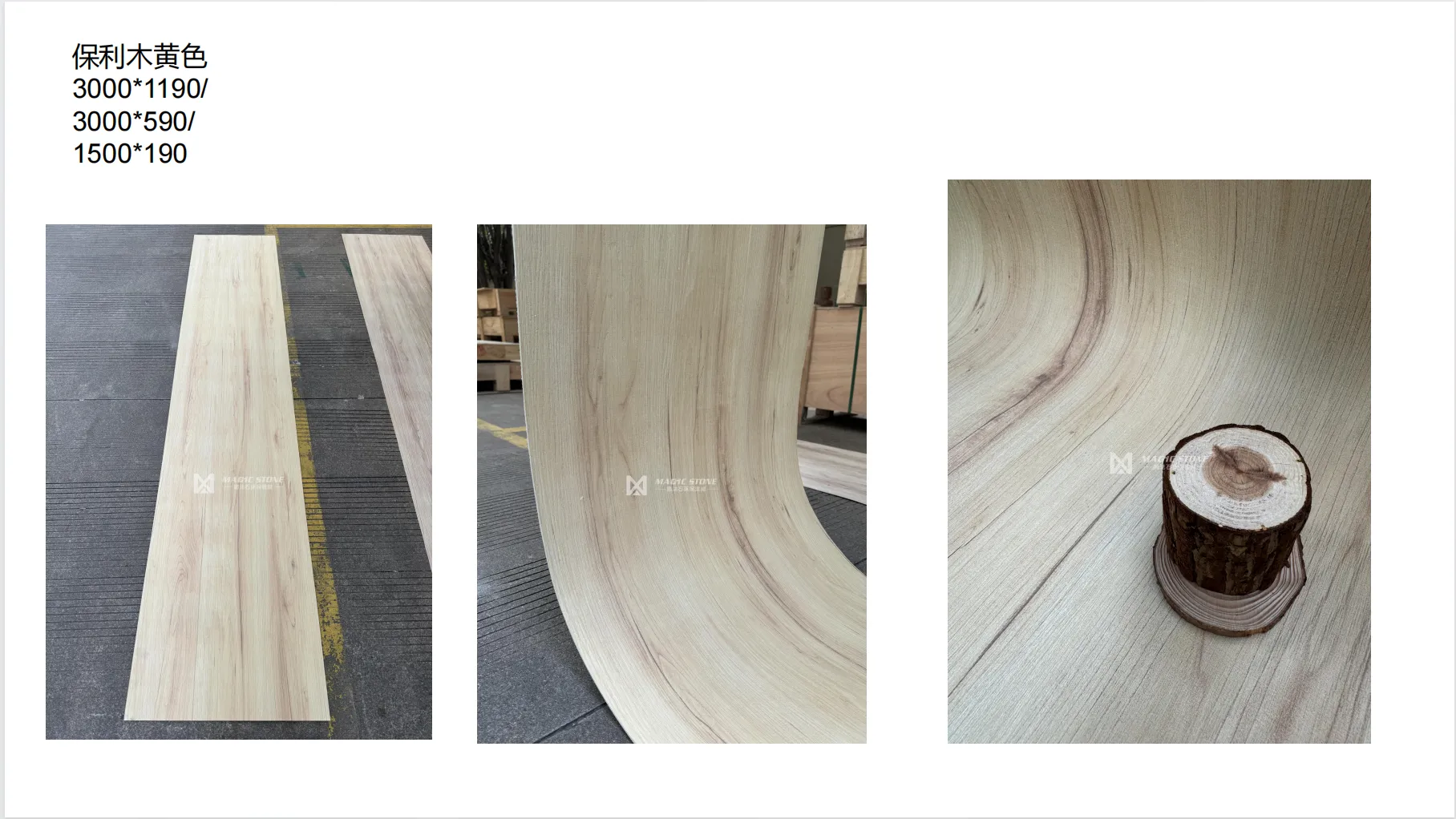
If there's one material that captures the essence of "home" in a restaurant, it's wood. Its warmth, its organic grain, its ability to soften even the most modern spaces—wood is timeless. But real wood, as many restaurant owners learn the hard way, is high-maintenance. Enter COLORIA MCM's Poly Wood Board: a revolutionary take on wood-look panels that marries the beauty of nature with cutting-edge technology.
At first glance, you'd swear it's real wood. Run your hand over its surface, and you'll feel the subtle ridges of grain, the slight variation in tone that makes each panel unique. But look closer, and you'll discover its superpowers. Made from modified composite materials, Poly Wood Board is water-resistant, scratch-proof, and impervious to mold—qualities that make it a dream for high-moisture areas like coastal restaurants or kitchens with steam and splashes. Unlike real wood, it doesn't require regular staining, sealing, or sanding, saving restaurant owners time and money on upkeep.
What truly sets Poly Wood Board apart, though, is its versatility. Available in a range of finishes—from rich walnut to light oak, weathered barnwood to smooth teak—it adapts to any design vision. Imagine a rustic Italian trattoria using it for ceiling beams, where the warm tones complement terracotta tiles and vintage pendant lights. Or a modern sushi bar with Poly Wood Board paneling behind the counter, softening the sharp lines of stainless steel and marble. It's not just a material; it's a chameleon, able to shift from to supporting player depending on the space's needs.
Real photos of Poly Wood Board in action tell the story best. Take, for example, a recent project in Chicago: a farm-to-table restaurant with exposed brick walls and large windows. The designers chose Poly Wood Board in a light ash finish for the banquette backs and wall cladding. Paired with woven pendant lights and potted herbs, the space feels like a sunlit barn, but with the durability to handle 15-hour days and back-to-back reservations. The wood-look panels reflect the restaurant's commitment to sustainability (no deforestation here) while adding a layer of comfort that makes guests linger over dessert.
While Poly Wood Board excels in replicating the smooth, polished look of fine wood, Wood Grain Board from COLORIA MCM leans into the raw, organic side of timber. Think of it as wood with more personality—deeper grooves, more pronounced knots, and a tactile quality that begs to be touched. It's the material for restaurants that want to tell a story of craftsmanship, of heritage, of connection to the land.
In a city like Portland, where farm-to-table culture runs deep, a restaurant called "Root & Branch" used Wood Grain Board to stunning effect. The ceiling, clad in reclaimed-look Wood Grain panels, feels like a nod to the Pacific Northwest's logging history, while the bar front—with its rough-hewn texture—adds a sense of earthiness that pairs perfectly with their seasonal menu. "We wanted guests to feel like they were dining in a cozy cabin, even in the heart of downtown," says lead designer Jake. "Wood Grain Board gave us that rustic charm without the environmental guilt of using real reclaimed wood, which is often scarce and expensive."
What's impressive about Wood Grain Board is its adaptability. It works equally well in a minimalist space, where its texture adds contrast to smooth surfaces, as it does in a maximalist setting, where it grounds bold patterns and colors. It's also surprisingly lightweight, making installation a breeze compared to solid wood planks—a boon for restaurant renovations with tight timelines. And like Poly Wood Board, it's built to last: resistant to fading, chipping, and moisture, it holds up even in high-traffic areas like entryways or open kitchens where chefs and servers rush by with trays.
No discussion of modern restaurant design is complete without mentioning concrete. But not just any concrete—Fair-Faced Concrete, as reimagined by COLORIA MCM. This isn't the cold, gray slab you might find in a parking garage. COLORIA's Fair-Faced Concrete is a study in subtlety: smooth yet textured, neutral yet full of depth, with a soft matte finish that absorbs light rather than reflecting it harshly. It's the perfect counterpoint to the warmth of Poly Wood and Wood Grain Boards, adding an industrial edge that keeps spaces from feeling too " precious."
In a trendy café in Brooklyn, the designers paired Fair-Faced Concrete countertops with Poly Wood Board walls, creating a space that feels both modern and welcoming. The concrete, with its faint veining and tactile finish, provides a sleek surface for lattes and pastries, while the wood adds warmth to balance the coolness. "Concrete can feel sterile, but when you pair it with wood, it's like adding a cozy blanket to a modern couch," says the café owner, Lila. "Guests love running their hands over the concrete—it's unexpected, but it works. And cleanup? A breeze. No stains, no scratches, just wipe and go."
What makes COLORIA's Fair-Faced Concrete stand out is its customization. Unlike traditional concrete, which is limited to gray, COLORIA offers shades like soft beige, warm taupe, and even subtle terracotta, allowing designers to match it to a restaurant's brand palette. It's also prefabricated, meaning it arrives on-site ready to install, reducing construction time and mess—a huge plus for restaurant owners eager to open their doors.
| Material | Aesthetic Vibe | Key Benefits | Best For |
|---|---|---|---|
| Poly Wood Board | Polished, warm, natural wood look with consistent grain | Water-resistant, scratch-proof, low maintenance, versatile finishes | Banquettes, accent walls, ceiling cladding, high-moisture areas |
| Wood Grain Board | Rustic, organic, tactile with deep grooves and knots | Lightweight, durable, eco-friendly, adds texture and depth | Ceilings, bar fronts, entryways, heritage-themed restaurants |
| Fair-Faced Concrete | Modern, industrial, sleek with soft matte finish | Stain-resistant, customizable colors, prefabricated for quick installation | Countertops, floors, feature walls, minimalist or urban-inspired spaces |
For restaurant owners, every decision comes down to ROI. Will this material last? Is it easy to maintain? Does it fit the budget? COLORIA MCM's materials check all these boxes and more. Poly Wood Board, for instance, costs a fraction of real hardwood but lasts three times longer, making it a cost-effective investment. Wood Grain Board's lightweight design reduces installation labor costs, and Fair-Faced Concrete's prefabricated nature cuts down on construction time, getting restaurants operational faster.
Sustainability is another key factor. In an era where diners increasingly prioritize eco-friendly businesses, COLORIA's materials deliver. Poly Wood Board and Wood Grain Board are made from recycled and renewable resources, reducing reliance on deforestation. Fair-Faced Concrete uses low-carbon production methods, aligning with green building standards. For restaurants looking to market themselves as sustainable, these materials aren't just a choice—they're a statement.
At the end of the day, a restaurant is more than a kitchen and a dining room. It's a stage, and the materials are the set design. They set the tone, guide the eye, and create the backdrop for moments that matter: a first date, a family celebration, a quiet meal after a long day. COLORIA MCM's Poly Wood Board, Wood Grain Board, and Fair-Faced Concrete don't just fill that stage—they elevate it. They bring warmth without fragility, durability without dullness, and uniqueness without pretense.
So whether you're designing a cozy neighborhood bistro, a sleek downtown café, or a rustic farm-to-table spot, remember: the right materials aren't just part of the design—they are the design. And with COLORIA MCM, you're not just choosing panels or slabs; you're choosing to craft an emotion, one texture at a time. After all, in the world of dining, the best stories aren't just told—they're felt.
Recommend Products












