
Picture a bustling Saturday morning at a downtown café. The patio is packed—laughter spills from a group of friends sharing pancakes, a barista calls out orders over the hum of an espresso machine, and a toddler tugs at a wooden fence post, her tiny hands leaving smudges of maple syrup. By noon, the fence has weathered rain, sun, and a stray football; by evening, it still stands, warm and inviting, as if it hadn't just endured a day's worth of chaos. This is the magic of a well-built commercial wood fence: it doesn't just mark a boundary—it becomes part of the space's story, even when high-traffic life tries to wear it thin.
But here's the truth: not all wood fences are up to this task. In high-traffic commercial areas—restaurants, hotels, retail plazas, or office campuses—fences face a unique set of challenges. They're leaned on, scratched by delivery carts, soaked by sudden downpours, and baked by relentless sun. A flimsy fence here doesn't just look shabby; it becomes a liability. Loose boards pose safety risks, rotting wood invites pests, and frequent repairs drain budgets. So, how do modern commercial spaces balance wood's timeless charm with the durability needed to keep up with busy life? The answer lies in smart material choices—and a few design tricks that turn "flimsy" into "fortress."
Let's break down the "high-traffic" problem. In a residential backyard, a wood fence might only need to withstand the occasional family barbecue or a playful dog. In a commercial setting? It's a daily endurance test:
The cost of cutting corners? A mid-sized restaurant might spend $2,000–$5,000 replacing a traditional wood fence every 3–5 years. A hotel with a perimeter fence could shell out twice that. Worse, downtime during repairs disrupts business—imagine closing a patio for a week because the fence collapsed. Durability here isn't just about saving money; it's about keeping the space functional, safe, and true to its brand.
The good news? Modern building materials have rewritten the rulebook for wood fences. Today's options blend wood's organic warmth with the toughness of industrial materials, creating fences that laugh off high-traffic chaos. Let's dive into three standout choices—and how they shine in real-world settings.
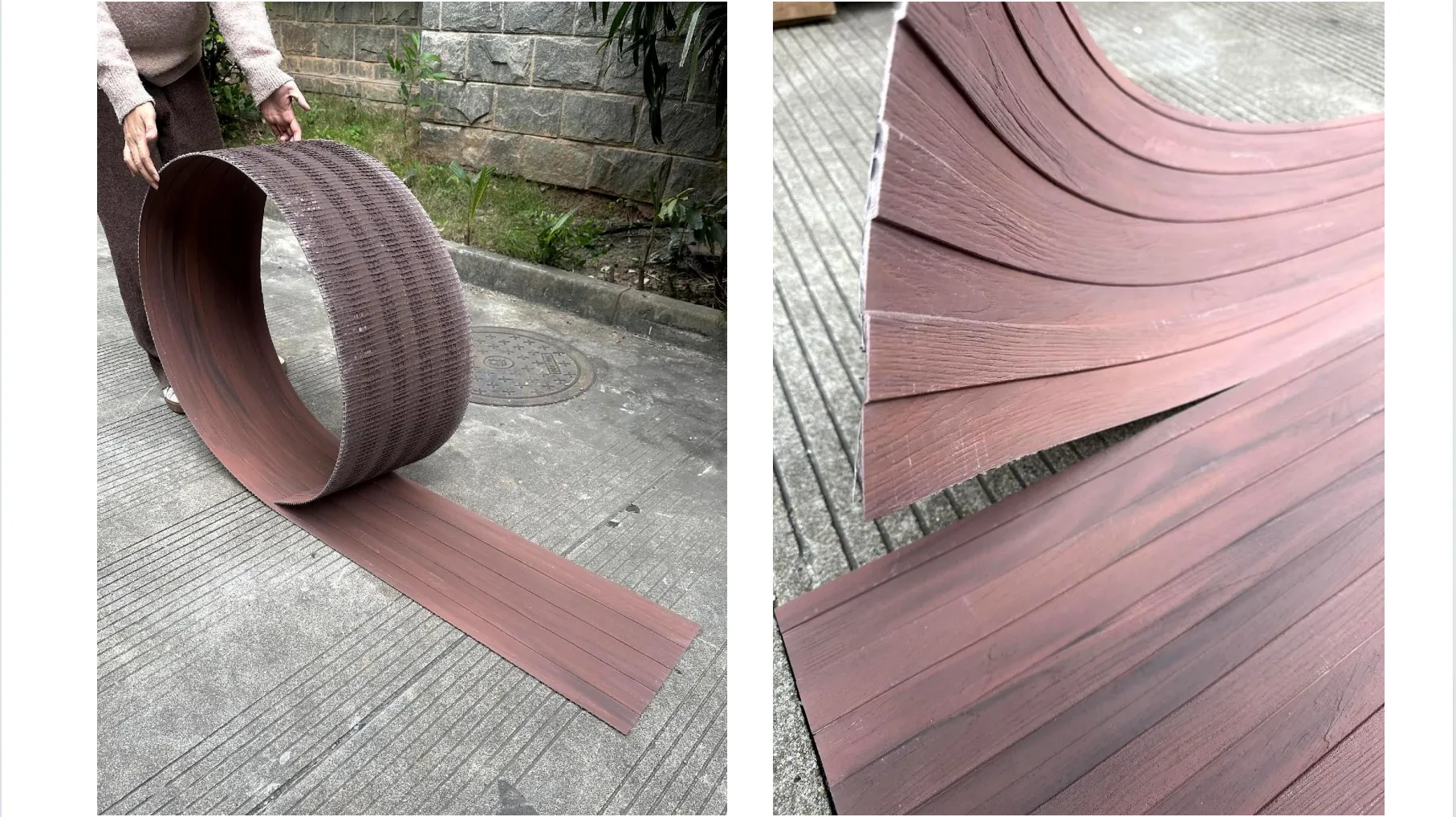
If traditional wood and concrete had a baby, it would be wood concrete board . This innovative material mixes wood fibers with concrete, creating panels that feel like wood (warm, textured, with visible grain) but act like concrete (waterproof, scratch-resistant, and nearly impervious to rot). It's the secret behind fences that look cozy but stand up to a hurricane.
Take, for example, the wood concrete board real photos from a brewery in Portland, Oregon. The brewery's outdoor taproom features a 6-foot fence made of wood concrete board panels stained a rich chestnut. After two years of rain, snow, and patrons leaning against it with pints in hand, the panels show zero warping, cracking, or discoloration. The brewery's manager jokes, "We've had more damage from drunk customers trying to climb it than from the weather—and even then, the boards just shrug it off."
For fence posts, bases, or accent panels, fair-faced concrete is a game-changer. Unlike painted or sealed concrete, fair-faced concrete is left "as-cast"—rough, unpolished, and full of character. It's also dense, weatherproof, and nearly indestructible. When paired with wood panels, it adds a modern, industrial edge while taking the brunt of high-traffic abuse.
A boutique hotel in Austin used fair-faced concrete posts to support its wood fence, creating a striking contrast between the posts' cool gray texture and the warm wood panels. After a summer of music festivals (read: rowdy crowds, spilled drinks, and late-night leaning), the concrete posts look as crisp as the day they were poured. The wood panels? Thanks to the concrete posts anchoring them firmly, they've avoided the swaying and warping that plague fences with weaker supports.
Sometimes, durability comes in small doses—like rough granite accents. Rough granite real pictures often show this stone as a rugged, pebbly material, but in fencing, it's used strategically: as coping stones on top of fence posts (to prevent water from seeping into wood), as trim along the base (to resist scrapes from chairs or carts), or even as decorative insets in panels. Its natural hardness (granite ranks 6–7 on the Mohs scale, harder than steel) makes it scratch-proof, while its texture hides minor dings and stains.
A winery in Napa Valley used rough granite coping stones on its wood fence, and the result is both practical and stunning. The stones protect the fence posts from rainwater, which would otherwise rot the wood from the top down. They also add a touch of luxury—like jewelry for the fence—turning a functional barrier into a design feature. After three harvest seasons of forklifts rumbling by and tourists brushing against the fence, the granite looks untouched.
| Material | Durability (1–10) | Annual Maintenance | Lifespan | Best For |
|---|---|---|---|---|
| Traditional Cedar | 5/10 | 6–8 hours (sealing, sanding, repairs) | 3–5 years (high-traffic) | Low-traffic residential spaces |
| Wood Concrete Board | 9/10 | 1–2 hours (hosing, occasional sealing) | 15–20 years (high-traffic) | Restaurants, hotels, retail plazas |
| Wood + Fair-Faced Concrete | 8.5/10 | 2–3 hours (wood sealing, concrete cleaning) | 12–15 years (high-traffic) | Boutique hotels, office campuses |
Numbers tell part of the story, but seeing (or in this case, imagining) these fences in action brings their durability to life. Here are three wood fence real photos scenarios that showcase how these materials perform when the going gets tough:
A bustling brunch spot in Chicago's Wicker Park neighborhood needed a fence that could handle crowds, rain, and the occasional coffee spill. They chose wood concrete board panels in a warm oak finish, paired with fair-faced concrete posts. Six months later, the fence still looks brand-new. The panels have resisted stains from spilled mimosas, and the concrete posts show no signs of chipping—even after delivery drivers bumped them with their carts. A photo of the patio at peak hour shows the fence holding its own, its wood-like texture softening the industrial concrete posts, and patrons leaning against it without a second thought (no splinters, no wobbles).
Saltwater and wood don't mix—unless the wood is wood concrete board. A beachfront hotel in Miami replaced its rotting wooden pool fence with wood concrete board panels, and wood concrete board real photos from a year later tell the tale: the panels are still a rich teak color, with no warping or splitting. Even better, the rough surface of the panels provides extra grip for wet hands, a safety bonus in a pool area. The hotel's manager noted, "We used to repaint the old fence every summer; now, we just hose it down. It's saved us time and money—and our guests love that it still feels like 'real wood.'"
A shopping center in Denver wanted a fence that matched its "rustic-modern" vibe while standing up to skateboarders, strollers, and winter snow. They opted for wood panels topped with rough granite coping stones (think rough granite real pictures with a pebbly, earthy texture). A year later, the granite stones are scratch-free, and the wood panels—protected from snowmelt by the granite—show no rot. The contrast between the smooth wood and rough granite has even become a photo spot for shoppers, proving durability and beauty can go hand in hand.
Even the toughest fences need a little love. Here's how to keep your commercial wood fence (especially those with wood concrete board, fair-faced concrete, or rough granite) looking its best for decades:
A commercial wood fence isn't just a barrier—it's a silent ambassador for your business. It greets guests, frames your space, and tells the world, "We pay attention to what matters." In high-traffic areas, that means choosing materials that don't just look good, but last good. Wood concrete board, fair-faced concrete, and rough granite aren't just "durable"—they're investments in your space's future, turning a maintenance headache into a design asset.
So, the next time you walk past a commercial space with a wood fence that looks as warm and sturdy as the day it was built, take a closer look. Chances are, it's not magic—it's smart material choices. And isn't that the best kind of magic? The kind that works, even when life gets busy.
Recommend Products












