
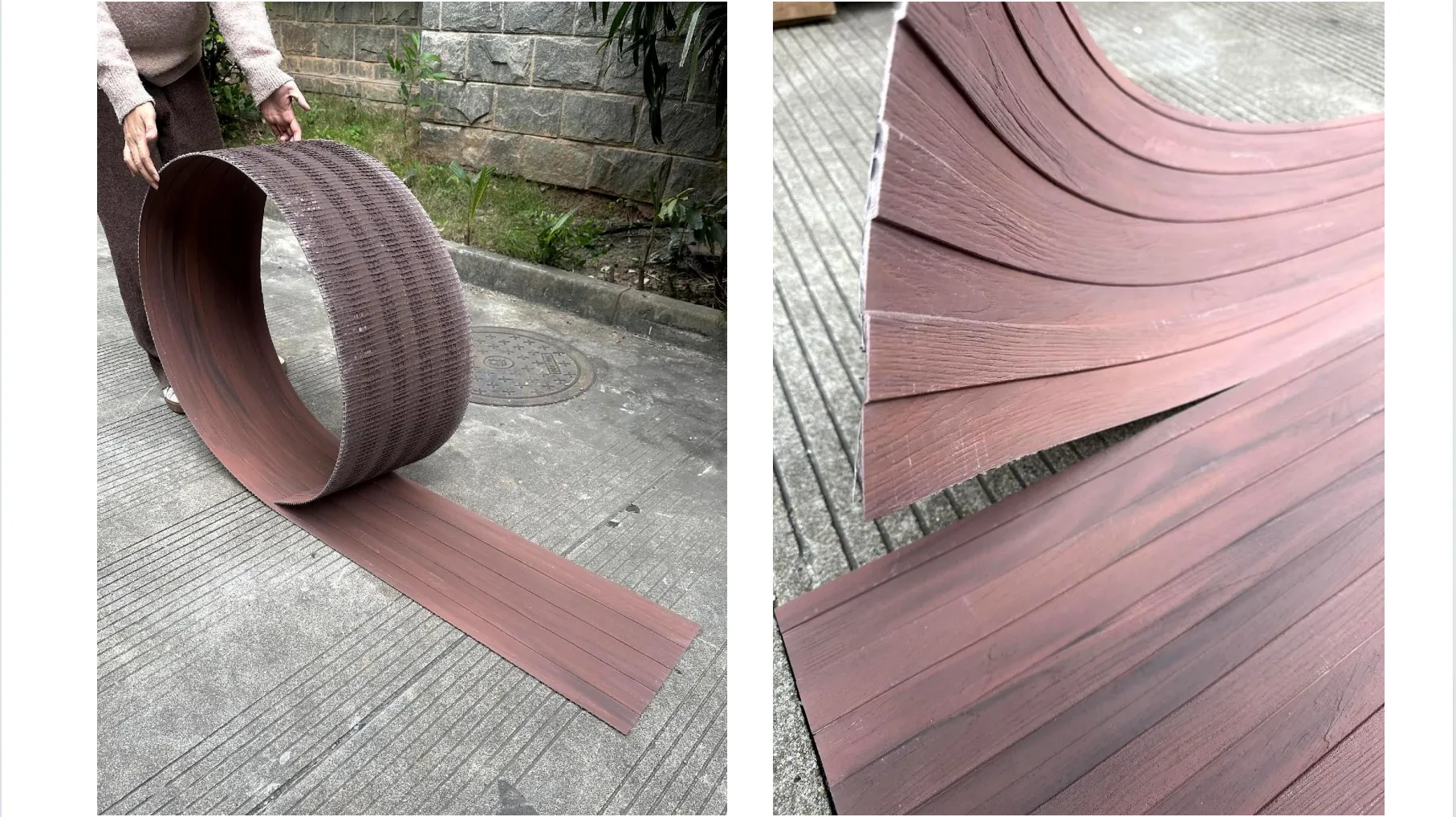
Walk past any bustling commercial district, and you'll notice something subtle but significant: the fences that frame storefronts, office parks, and restaurants. They're not just barriers—they're silent storytellers, blending security with style to say, "This space is cared for." In a world where first impressions stick, commercial wood fences stand out for their ability to do double duty: keeping properties safe while enhancing their visual appeal. But what makes a wood fence more than just planks and posts? Let's dive into the details, from the nuts and bolts of security to the artistry of design, and explore how materials like wood grain board , bamboo mat board , and wood line are redefining what a commercial fence can be.
Commercial properties—whether a cozy café on a city corner or a sprawling corporate campus—face a unique challenge: balancing security with approachability. A chain-link fence might keep trespassers out, but it screams "closed off" to customers and clients. A metal fence could feel cold and industrial, clashing with a brand's warm identity. Wood fences, though? They strike that elusive balance. They're sturdy enough to deter unwanted visitors, yet warm enough to welcome those who belong. And in an era where sustainability and natural aesthetics are more important than ever, wood's organic texture and earthy tones resonate with businesses aiming to connect with eco-conscious audiences.
But don't just take our word for it. Flip through real photos of commercial spaces, and you'll see wood fences stealing the show. A boutique clothing store with a wood grain board fence that mimics the look of reclaimed oak, its warm tones complementing the store's rustic-chic vibe. A tech startup campus ringed with bamboo mat board fencing, its woven texture adding a touch of modern minimalism. These aren't just fences—they're extensions of the brand's personality. And in a competitive market, that personality can be the difference between blending in and standing out.
Let's get practical: A fence's first job is to keep people and property safe. Commercial wood fences excel here, thanks to a mix of traditional craftsmanship and modern engineering. Let's break down the key security features that make them a top choice for businesses.
Commercial spaces don't have time for fences that warp, rot, or fall apart after a few seasons. That's where treated wood comes in. Most commercial wood fences use pressure-treated pine, cedar, or redwood—woods infused with preservatives to resist moisture, pests, and decay. Take wood grain board , for example: its dense, uniform structure (engineered to mimic natural wood grain) makes it less prone to splintering or warping than solid wood, even in harsh weather. Bamboo mat board, too, is naturally resistant to insects and mildew, thanks to bamboo's inherent strength and silica content. When properly installed with galvanized steel hardware (to prevent rust), these fences can last 15–20 years—plenty of time to protect a business through countless storms, heatwaves, and daily wear.
A fence that's too short is an open invitation to trespassers. Commercial wood fences typically stand 6–8 feet tall, a height that discourages climbing without blocking visibility entirely (important for both security and curb appeal). The spacing between pickets matters, too: gaps larger than 4 inches can let someone squeeze through, while gaps smaller than 1 inch can make the fence feel cramped and unwelcoming. Most designs opt for 2–3 inch gaps, striking a balance between security and light flow. For high-risk areas (like storage yards or loading docks), some businesses add a "kickboard"—a solid wooden panel at the bottom of the fence—to block crawling access. Others go for "no-climb" designs, where pickets are spaced closely and topped with pointed finials or smooth caps to deter footholds. It's these small details that turn a decorative fence into a security asset.
A fence is only as strong as its posts. Commercial wood fences use thick, sturdy posts (4x4 or 6x6 inches) set 2–3 feet deep in concrete footings. This anchors the fence to the ground, preventing it from swaying or toppling in strong winds. For extra stability, some posts are reinforced with metal brackets or internal steel rods. Imagine a wood line fence—designed with vertical wooden slats spaced evenly along horizontal rails—its posts buried deep in concrete and braced with diagonal supports. Even if someone tries to push or pull, the posts won't budge. It's this kind of engineering that gives business owners peace of mind, knowing their fence isn't just a pretty face.
A fence is only secure if its gates are. Commercial wood fence gates are built to match the fence's strength: heavy-duty frames, reinforced hinges, and robust locking systems. Sliding gates (common for driveways or loading zones) use track systems with wheel locks to prevent tampering, while swing gates often feature deadbolts, padlocks, or even electronic keypads for keyless entry. For businesses that need to restrict access after hours (like retail stores or restaurants), automated gates with sensors or remote controls add an extra layer of convenience and security. And because the gates are made from the same materials as the fence (wood grain board, bamboo mat board, etc.), they blend seamlessly—no unsightly metal gates breaking up the design.
Security is non-negotiable, but that doesn't mean a fence has to be ugly. Commercial wood fences are celebrated for their design flexibility, offering endless ways to match a brand's aesthetic—whether it's sleek and modern, rustic and cozy, or bold and eye-catching. Let's explore how businesses use design to turn security into a statement.
Wood fences come in styles to suit every commercial space. The "stockade" style—solid vertical pickets with no gaps—is a classic choice for maximum privacy and security (think: back-of-house storage areas or utility yards). For a more open, airy feel, the "shadowbox" style alternates pickets on either side of the rails, creating a semi-private look that lets light through. Then there's the "horizontal slat" design, a modern favorite that uses wide, flat boards laid horizontally for a clean, streamlined look. This style pairs beautifully with wood line accents—thin, vertical wooden strips spaced along the horizontal slats to add texture without clutter. It's the kind of design you'd see at a trendy coworking space or a high-end restaurant, where security meets sophistication.
Natural wood tones are always in style, but commercial fences aren't limited to "wood brown." Stains and paints let businesses customize their fences to match their brand colors or surroundings. A coffee shop might opt for a rich mahogany stain on its bamboo mat board fence, evoking warmth and comfort. A tech company could choose a sleek charcoal gray paint on wood grain board, aligning with its minimalist logo. Even clear sealers work wonders, enhancing the wood's natural color while protecting it from UV rays. The key? Choosing a finish that complements the building's exterior—whether it's brick, stucco, or glass. A well-matched fence doesn't just blend in; it elevates the entire property.
Texture is where commercial wood fences truly shine. Bamboo mat board, with its woven, basket-like pattern, adds visual interest to any space. Imagine a brewery with a bamboo mat board fence surrounding its outdoor patio: the woven texture catches the light, creating dappled shadows that change throughout the day, while the natural bamboo color ties into the brewery's earthy, artisanal brand. Wood grain board, on the other hand, offers the look of real wood with more consistency. Its printed or embossed grain patterns (from oak to walnut to pine) let businesses achieve a high-end "reclaimed wood" look without the cost or variability of solid wood. And wood line accents? They're like the punctuation marks of fence design—thin, vertical lines that break up large spans of wood, adding rhythm and movement to an otherwise plain fence.
The best commercial fences don't stand alone—they work with the landscaping to create a cohesive look. Climbing plants like ivy or jasmine can soften the fence's edges, adding greenery without compromising security (just be sure to trim them regularly to prevent overgrowth). Flower beds or shrubs planted along the fence line add color and depth, making the fence feel like part of the garden rather than a barrier. Even lighting plays a role: solar-powered post lights or string lights draped along the fence add warmth at night, making the space feel inviting while deterring after-hours trespassers. It's these small touches that turn a "security fence" into a "design feature."
Not all wood fence materials are created equal. Let's take a closer look at three standout options from the list: wood grain board , bamboo mat board , and wood line . Each brings unique benefits to commercial spaces, whether it's durability, sustainability, or style.
| Material | Key Features | Best For | Security Rating (1–5) | Design Flexibility |
|---|---|---|---|---|
| Wood Grain Board | Engineered to mimic natural wood grain; dense and uniform; resistant to warping and splintering; available in stains/paints. | Retail stores, offices, restaurants (seeking a high-end, consistent look). | 4.5/5 (dense structure deters tampering; easy to reinforce with metal hardware). | High (works with traditional, modern, or rustic styles). |
| Bamboo Mat Board | Woven bamboo strips bonded together; lightweight but strong; naturally resistant to pests/mildew; eco-friendly (bamboo grows quickly). | Cafés, outdoor patios, wellness centers (seeking texture and sustainability). | 4/5 (tight weave prevents climbing; bamboo's strength resists impact). | Medium-High (unique woven texture adds visual interest; pairs well with bohemian or minimalist designs). |
| Wood Line | Thin, vertical wooden strips; often used as accents on horizontal slat fences; adds texture without bulk. | Modern offices, tech campuses, art galleries (seeking sleek, contemporary style). | 3.5/5 (best used as an accent; main fence structure provides security). | High (customizable spacing and color; enhances modern or industrial designs). |
Take bamboo mat board, for instance: it's not just a fence material—it's a sustainability statement. Bamboo grows 3–4 times faster than hardwood trees, making it a renewable resource. For businesses focused on eco-friendly practices (like LEED-certified buildings or zero-waste cafes), a bamboo mat board fence signals their commitment to the planet. And since it's lightweight, it's easier to install than solid wood, saving time and labor costs during construction.
Wood line, on the other hand, is all about subtlety. These thin, vertical strips are rarely the "star" of the fence, but they make a big difference in design. Imagine a horizontal slat fence made of wood grain board, with wood line strips spaced every 12 inches along the slats. The strips break up the monotony of the horizontal lines, adding depth and making the fence feel less "blocky." It's a small detail, but it's the kind of detail that makes a commercial space feel intentional and well-designed.
Words can only say so much—real photos tell the rest. Let's walk through a few examples of commercial spaces where wood fences have made a tangible difference in security and design.
Tucked into a busy downtown street, "Harvest & Hearth" is a café known for its farm-to-table menu and cozy atmosphere. To separate its outdoor patio from the sidewalk, the owners chose a 6-foot bamboo mat board fence. The woven texture adds warmth and privacy, while the natural bamboo color complements the café's wooden tables and potted herbs. Security-wise, the fence's tight weave prevents passersby from reaching over to grab items from the patio, and its height keeps the space feeling intimate without blocking sunlight. In real photos of the café, the fence isn't just a barrier—it's part of the ambiance, with string lights draped between the posts and trailing ivy climbing up the sides. It's a fence that says, "Stay awhile"—and keeps the café's customers (and their lattes) safe.
"Innovate Hub" is a campus of tech startups housed in sleek, glass-and-steel buildings. To unify the space and enhance security, the developers installed a perimeter fence using wood grain board with wood line accents. The horizontal slat design (6 feet tall, with 2-inch gaps between slats) keeps the area open and airy, while the wood line strips (vertical, 1-inch wide) add a subtle pattern that echoes the buildings' geometric architecture. The fence is stained a cool gray, matching the campus's color scheme, and reinforced with steel posts set in concrete. Real photos of the campus show employees walking along the fence line, chatting and enjoying the landscaping—proof that security doesn't have to feel restrictive. For the startups inside, the fence is a quiet reassurance that their offices (and sensitive equipment) are protected, even as the campus remains welcoming to visitors.
"Luxe & Co." sells high-end clothing and accessories, and its brand is all about exclusivity and attention to detail. To shield its back-of-house storage area (where inventory is kept) from prying eyes, the store installed an 8-foot wood grain board privacy fence. The fence is stained a rich espresso, matching the store's dark wood floors, and features a locking gate with a keypad entry system. In real photos, the fence looks like a seamless extension of the store's exterior, with no gaps or splinters to break the clean lines. Security-wise, it's impenetrable—thick boards, reinforced posts, and a gate that only staff can open. For Luxe & Co., the fence isn't just about protecting inventory; it's about maintaining the store's polished image. And with wood grain board's consistent texture, it does just that.
At this point, you might be wondering: Why wood? Why not metal, vinyl, or chain-link? Here's the thing: wood fences offer a unique set of benefits that make them worth the investment for commercial spaces.
Metal fences can feel cold and industrial; vinyl fences often look cheap or plastic-y; chain-link is… well, chain-link. Wood fences, by contrast, feel organic and welcoming. They soften a property's edges, making it feel like a place people want to visit—not just a fortress to avoid. For businesses that rely on foot traffic (like restaurants or retail stores), this matters. A wood fence says, "We care about how this space looks," and that care translates to customer trust.
More businesses than ever are prioritizing sustainability, and wood fences deliver. Bamboo mat board, in particular, is a eco-friendly standout: bamboo grows without pesticides, requires little water, and matures in 3–5 years (compared to 20–30 years for hardwood trees). Even traditional wood fences can be sustainable when sourced from FSC-certified forests (ensuring responsible logging practices). Plus, wood is biodegradable at the end of its life, unlike vinyl or metal, which often end up in landfills. For businesses with "green" branding, a wood fence is a visible way to walk the talk.
No two commercial spaces are alike, and wood fences adapt accordingly. Need a fence with a gate for deliveries? No problem. Want to add decorative cutouts or logos? Easy. Prefer a mix of materials (like wood grain board with metal accents)? Totally doable. Wood is a versatile material, and skilled contractors can shape it to fit any space, budget, or design vision. It's a far cry from one-size-fits-all chain-link fences.
Wood fences aren't the cheapest upfront—vinyl or chain-link might cost less to install—but they offer better long-term value. With proper maintenance (more on that later), a wood fence can last 15–20 years, and repairs are often simple (replace a single board instead of an entire panel). Plus, they boost curb appeal, which can increase a property's value. For businesses planning to stay in one location for years, a wood fence is an investment that pays off in security, style, and savings.
A wood fence is like a car: it needs regular care to stay in top shape. The good news? Maintaining a commercial wood fence is straightforward, and a little effort goes a long way.
Dirt, pollen, and mildew can build up on wood fences over time, dulling their appearance. A yearly cleaning with a garden hose and mild soap (or a pressure washer on low setting) will keep them looking fresh. For bamboo mat board, avoid high-pressure washing (it can loosen the woven strips); instead, use a soft brush and soapy water. Always rinse thoroughly to prevent soap residue from damaging the wood.
Even treated wood needs protection from UV rays and moisture. Sealing or staining your fence every 2–3 years will prevent fading, warping, and rot. Choose a sealant designed for exterior wood (look for "waterproof" or "UV-resistant" formulas) and apply it on a dry, mild day. For wood grain board, a clear sealer will let its natural texture shine; for bamboo mat board, a tinted stain can enhance its color while adding protection.
Loose boards, wobbly posts, or rusted hardware should be fixed ASAP. A loose board can become a hazard (or a foothold for trespassers), and a wobbly post can weaken the entire fence. Most repairs are simple: replace a board with a new piece of the same material, tighten loose screws with a drill, or add concrete to a post that's leaning. For businesses short on time, hiring a professional fence company for annual inspections can catch issues early—saving money and stress down the line.
Commercial wood fences are more than just barriers. They're storytellers, design elements, and silent protectors—all rolled into one. Whether it's the woven warmth of bamboo mat board, the sleek consistency of wood grain board, or the subtle texture of wood line accents, these fences prove that security doesn't have to sacrifice style. They adapt to a business's needs, from a cozy café to a modern office park, and they stand the test of time (with a little maintenance, of course).
So the next time you walk past a commercial property with a wood fence, take a closer look. Notice how it complements the building, how it balances openness with privacy, how it feels like part of the space—not an afterthought. That's the magic of wood fences: they don't just secure a property; they elevate it. And in a world where businesses are always looking for an edge, that elevation might be the most valuable security feature of all.
Recommend Products












