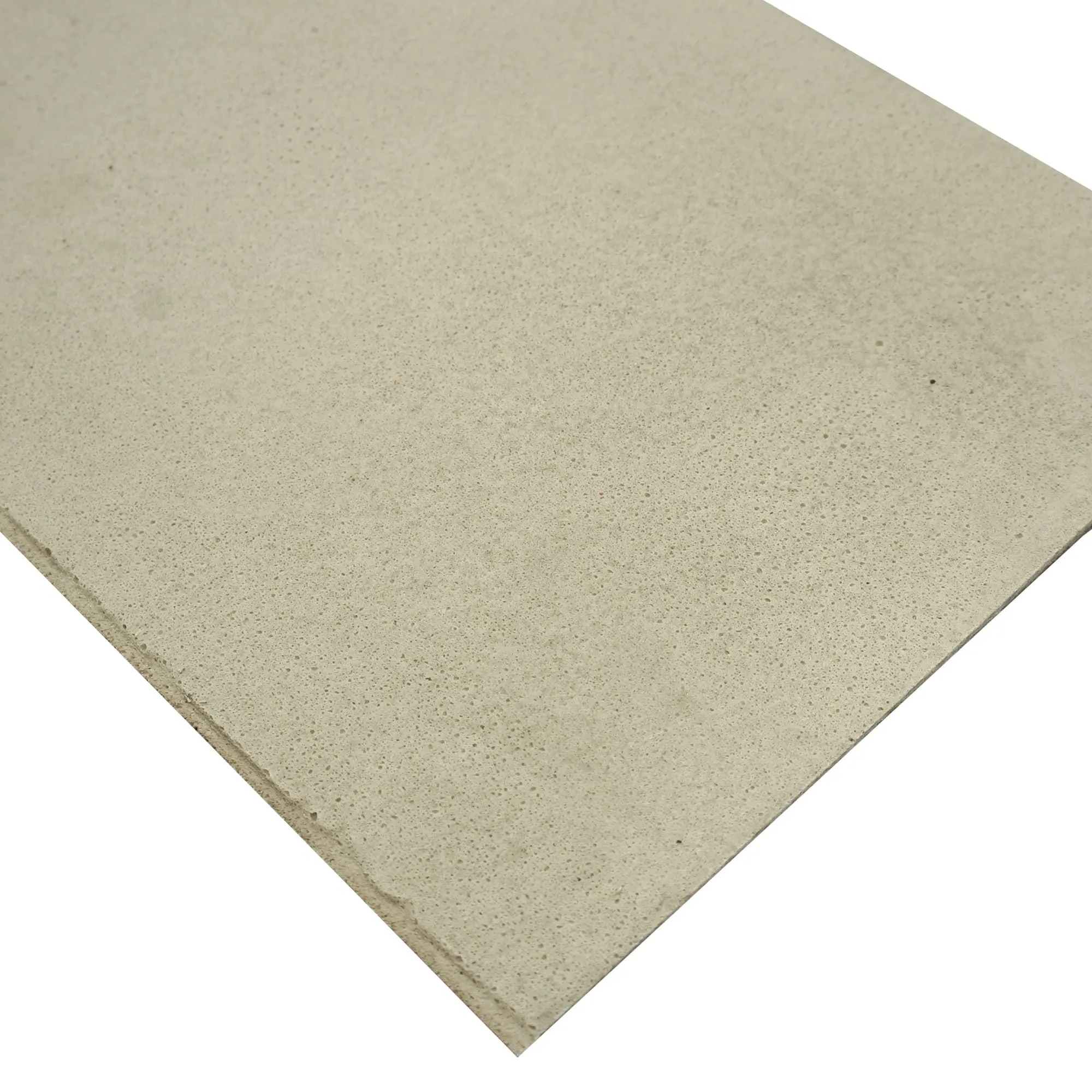
Fair-faced concrete, also known as exposed concrete or architectural concrete, has long been revered for its raw, honest aesthetic. Its unadorned surface, revealing the natural texture and subtle imperfections of the material, lends a sense of minimalist elegance and industrial chic to both modern and traditional architectural designs. From iconic brutalist structures to contemporary minimalist residences, fair-faced concrete offers unparalleled visual impact and a unique tactile experience. However, achieving this pristine, unblemished look is far from simple. Builders and architects often face a myriad of challenges that can compromise the final appearance and performance of fair-faced concrete. These hurdles range from aesthetic inconsistencies and durability concerns to complex construction logistics and environmental impacts. Understanding these common challenges is the first step toward finding effective solutions that not only preserve the material's inherent beauty but also enhance its long-term viability.
In this comprehensive exploration, we'll delve deep into the pitfalls of fair-faced concrete construction, examining the common problems that can turn a visionary design into a construction headache. More importantly, we will introduce innovative approaches and advanced materials, specifically focusing on how COLORIA GROUP's cutting-edge
MCM (Modified Cementitious Material)
products offer a transformative solution. With decades of industry experience and a global reach, COLORIA GROUP is at the forefront of providing high-quality internal and external finishing materials, particularly addressing the nuanced demands of architectural aesthetics and performance. Our aim is to demystify these challenges and present practical, sustainable, and aesthetically superior alternatives that meet the rigorous demands of modern construction.
The Allure and The Pitfalls: Why Fair-Faced Concrete is So Tricky
The appeal of fair-faced concrete lies in its authenticity. It's a material that expresses its very nature without disguise, showcasing the marks of its creation – the grain of the formwork, the subtle variations in color, the occasional air bubble. This transparency demands perfection, as there is no plaster, paint, or cladding to hide any flaws. This inherent exposure is precisely what makes it so challenging to execute correctly. Any mistake during the pouring, curing, or demolding process is permanently etched onto the structure, leading to costly rectifications or, worse, a compromised aesthetic vision.
1. Aesthetic Inconsistencies and Surface Defects:
-
Color Variations:
Achieving a consistent color across large fair-faced concrete surfaces is notoriously difficult. Factors like inconsistent water-cement ratios, variations in aggregate sources, different curing conditions, and even the type of formwork release agents can lead to blotchiness, streaking, or noticeable color differences between pours. This makes it challenging to maintain a uniform visual appeal, which is crucial for the intended minimalist aesthetic.
-
Bug Holes and Voids:
These small, irregularly shaped cavities on the concrete surface are caused by entrapped air or water during casting. While some architects embrace a certain level of natural imperfection, excessive bug holes can detract significantly from the smooth, clean look often desired. Preventing them requires meticulous concrete mix design, careful vibration, and precise formwork detailing, all of which add complexity and cost.
-
Formwork Marks and Imperfections:
The quality and type of formwork directly dictate the surface finish. Any dents, gaps, or misalignments in the formwork will be imprinted onto the concrete. Poorly maintained or reused formwork can leave undesirable textures, lines, or even stains. Achieving a perfect, consistent finish requires high-quality, often custom-made, formwork and highly skilled labor for assembly and dismantling.
-
Cracking and Shrinkage:
Concrete is prone to cracking, especially during the curing process due to drying shrinkage or thermal stresses. While structural cracks are a severe concern, even hairline surface cracks can mar the aesthetic of fair-faced concrete, making it appear aged or poorly constructed prematurely.
2. Durability, Protection, and Maintenance:
-
Weathering and Staining:
Exposed concrete surfaces are susceptible to weathering, efflorescence (white salt deposits), biological growth (algae, moss), and staining from pollutants or water runoff. These can significantly alter the appearance over time, requiring regular cleaning and protective treatments that add to long-term maintenance costs.
-
Long-term Appearance Retention:
Without proper sealing and protection, fair-faced concrete can lose its initial luster. The raw, porous nature of concrete makes it absorb moisture and contaminants, leading to discoloration and degradation. Maintaining its original aesthetic requires ongoing effort and specialized products.
-
Repairs and Patching:
Repairing defects in fair-faced concrete without leaving visible patches is incredibly difficult. Matching the color, texture, and finish of existing concrete is an art form, and often, repairs are noticeable, further compromising the desired flawless aesthetic.
3. Construction Complexity and Cost:
-
Skilled Labor Requirement:
Achieving high-quality fair-faced concrete demands exceptional craftsmanship at every stage, from mix design and formwork installation to pouring, vibrating, and curing. This necessitates highly skilled and experienced labor, which can be scarce and expensive.
-
Strict Quality Control:
The margin for error in fair-faced concrete is minimal. Extensive quality control measures are needed throughout the construction process, including rigorous testing of materials, monitoring environmental conditions, and meticulous inspection of formwork and finished surfaces.
-
Time and Cost Implications:
Due to the precision required, the specialized formwork, and the intensive labor, fair-faced concrete construction typically takes longer and incurs higher costs compared to conventional concrete that will be clad or finished. Any defects require immediate and often expensive rectification.
4. Design Limitations and Material Properties:
-
Weight and Structural Considerations:
Traditional concrete is heavy, imposing significant dead loads on structures. This can limit architectural designs, especially for high-rise buildings or renovation projects where structural integrity is a major concern. It also increases foundation requirements.
-
Rigidity and Application Scope:
Concrete is inherently rigid, which can restrict its application in certain architectural forms or for renovation projects where existing structures may not be able to bear additional rigid weight. Its structural nature also means it's not always suitable for purely aesthetic, non-load-bearing applications without over-engineering.
5. Environmental Impact:
-
Carbon Footprint:
The production of traditional Portland cement, a key component of concrete, is a significant contributor to global CO2 emissions. As the construction industry moves towards more sustainable practices, the environmental impact of materials is under increasing scrutiny. While concrete is durable, its initial embodied carbon can be high.
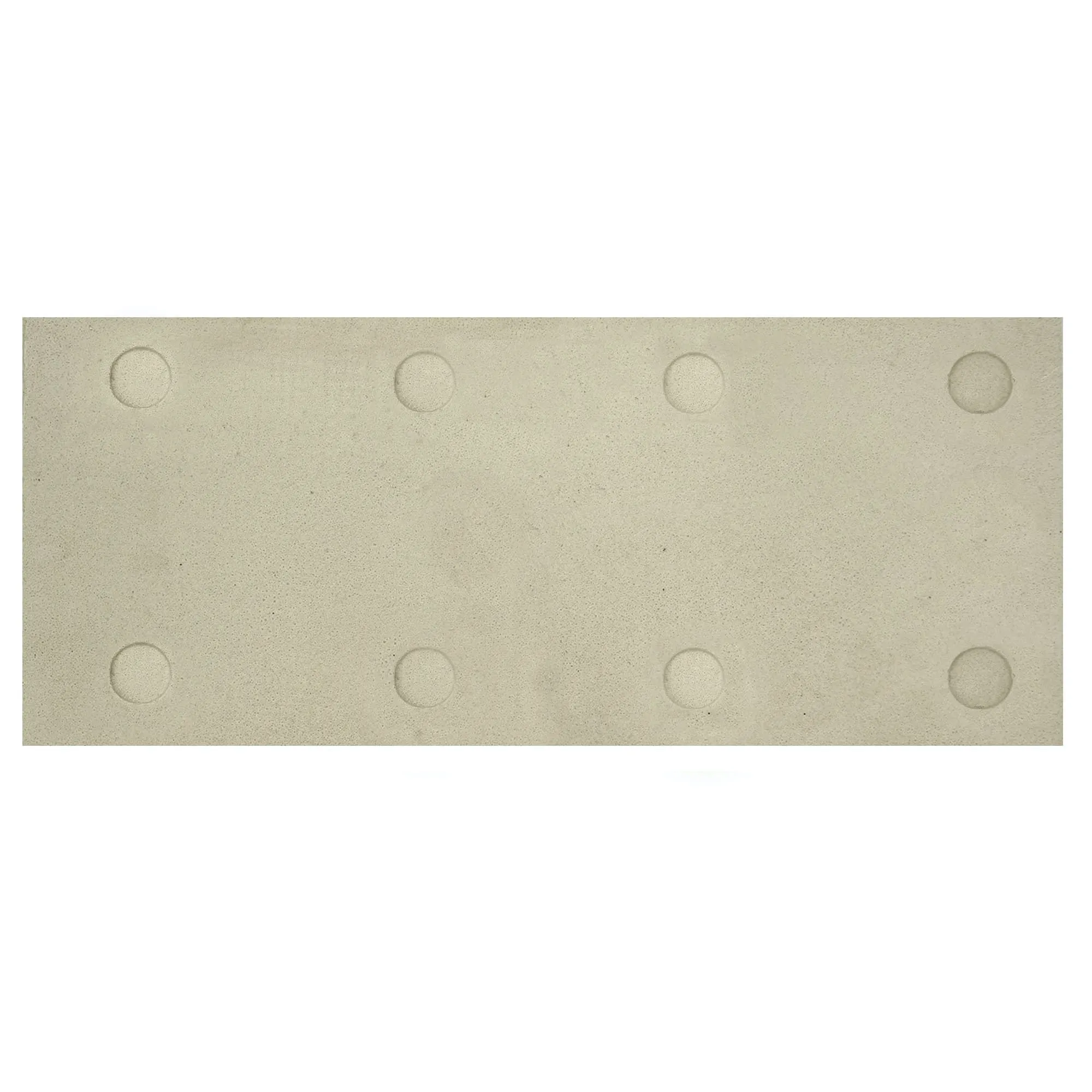
COLORIA GROUP's Breakthrough: The Power of MCM (Modified Cementitious Material)
Recognizing these pervasive challenges, COLORIA GROUP, a leading one-stop solution provider in building materials, has dedicated decades to pioneering innovative alternatives. Our core product series,
MCM (Modified Cementitious Material)
, represents a significant leap forward in addressing the complexities of architectural finishes, particularly offering a superior alternative to traditional fair-faced concrete.
MCM
is not just a building material; it's a revolutionary technology. It's a next-generation composite material made from a combination of inorganic minerals, such as natural clays, sands, and mineral powders, modified with innovative polymer and cementitious binders. This unique formulation allows MCM to be extremely versatile, lightweight, flexible, and highly durable, while being inherently environmentally friendly. It offers an unparalleled ability to mimic the aesthetic of natural materials, including concrete, stone, wood, and brick, with astonishing fidelity, but without the inherent drawbacks.
By leveraging advanced manufacturing processes, COLORIA GROUP's MCM products provide a comprehensive solution that mitigates the aesthetic, structural, and environmental challenges of fair-faced concrete. Here's how:
-
Consistent Aesthetics:
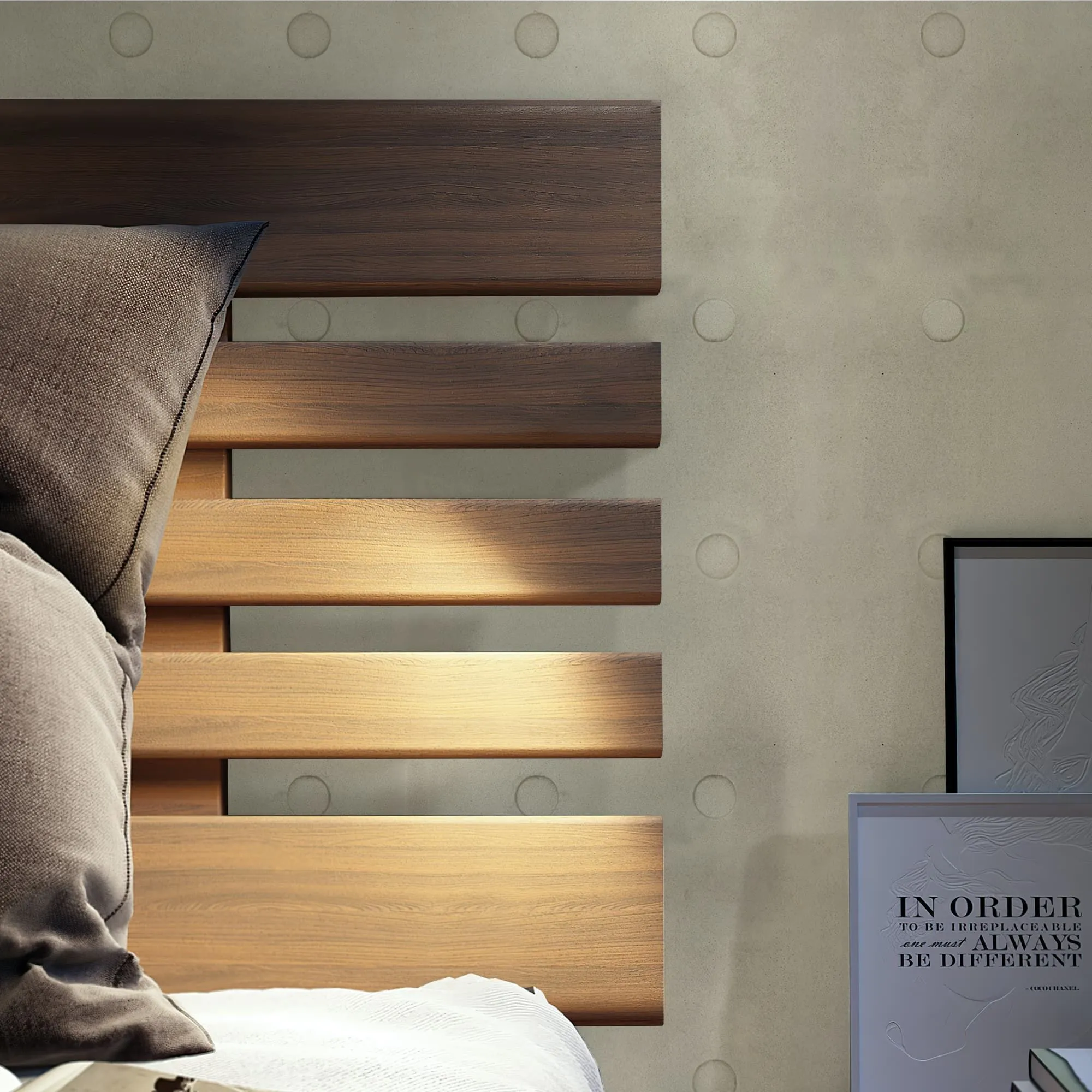
MCM is manufactured under strict quality control conditions, ensuring uniform color, texture, and finish across every panel. This eliminates the risk of color variations, bug holes, and inconsistent surface quality inherent in cast-in-place concrete. Our specialized concrete-effect MCM offers a range of authentic fair-faced concrete finishes, from smooth and polished to textured and raw, all with predictable results.
-
Superior Durability and Low Maintenance:
Unlike porous concrete, MCM panels are engineered to be highly resistant to weathering, UV radiation, pollutants, and biological growth. They do not efflorescence and are easy to clean, significantly reducing long-term maintenance needs and ensuring the aesthetic integrity is preserved for decades.
-
Simplified and Faster Installation:
MCM panels are lightweight and typically installed using a dry-hang system or adhesive, drastically simplifying the installation process compared to pouring and curing concrete. This reduces labor costs, accelerates project timelines, and minimizes disruption on site. There's no need for complex formwork or extensive curing periods.
-
Design Flexibility & Customization:
The inherent flexibility and moldability of MCM allow for unprecedented design freedom. It can be cut, shaped, and even thermoformed to create complex curves and bespoke designs that would be impossible or prohibitively expensive with traditional concrete.
Customization
is one of COLORIA GROUP's hallmarks, enabling architects to realize their most ambitious visions.
-
Lightweight and Structural Benefits:
MCM is significantly lighter than traditional concrete, reducing the structural load on buildings and foundations. This makes it ideal for renovation projects, seismic zones, and applications where weight is a critical factor, opening up new possibilities for architectural expression without compromising safety.
-
Environmentally Sustainable:
As a
green building material
, MCM boasts a much lower carbon footprint than traditional cement-based materials. It uses fewer raw materials, requires less energy for production, and its lightweight nature reduces transportation emissions. It's often made from recycled content and is itself recyclable, aligning perfectly with modern sustainable construction practices.
-
Cost-Effectiveness:
While the initial unit cost might seem comparable or slightly higher than some basic concrete finishes, the overall project cost is significantly reduced due to faster installation, less skilled labor required, reduced structural requirements, and minimal long-term maintenance. This makes MCM a highly cost-effective solution in the long run.
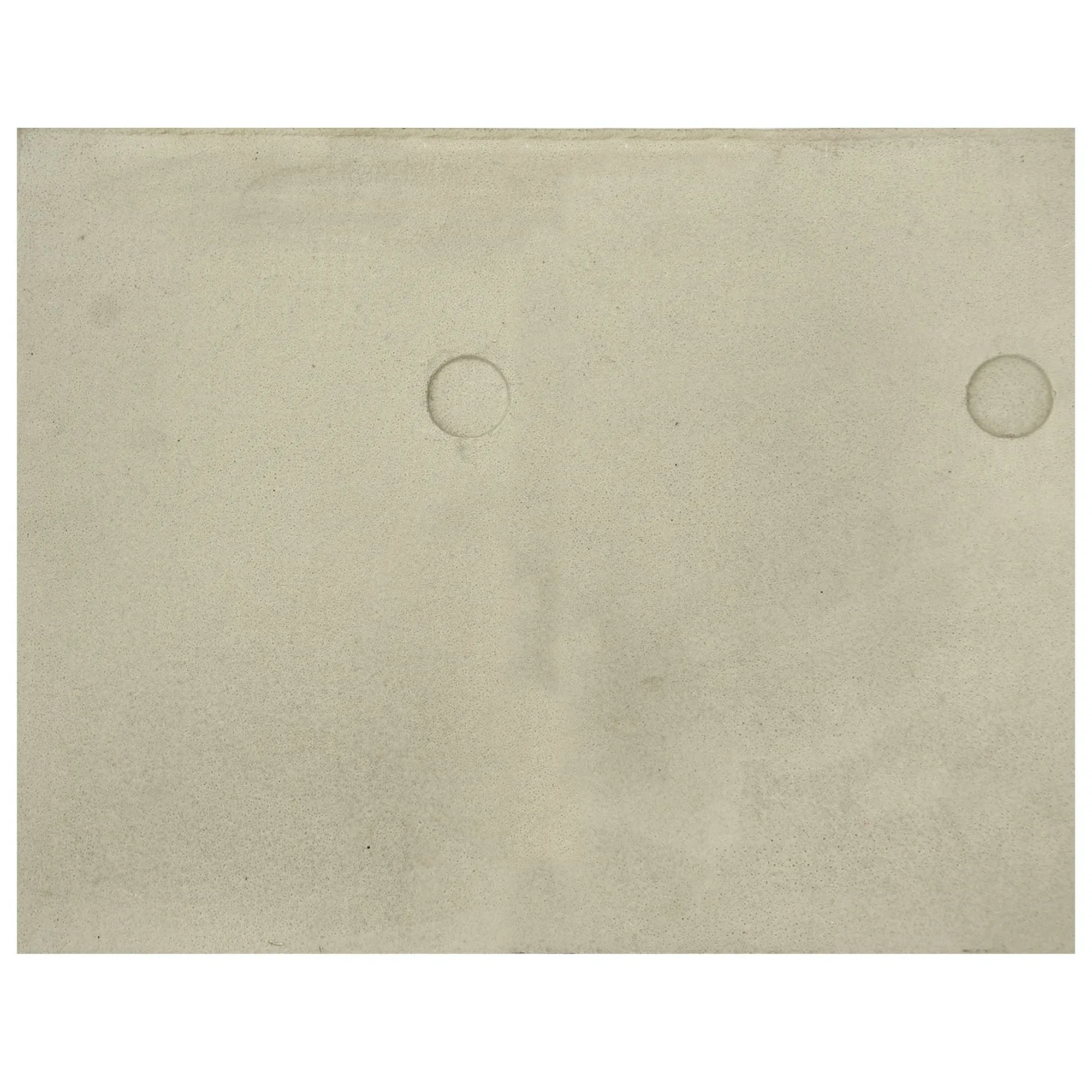
COLORIA GROUP's MCM Product Series: Tailored for Architectural Excellence
COLORIA GROUP offers a diverse range of
MCM
product series, each engineered to meet specific project requirements and aesthetic desires. These series collectively provide a robust toolkit for architects and builders looking to achieve the distinctive look of fair-faced concrete and other natural materials without the traditional drawbacks.
This series features large-format panels that are perfect for creating expansive, seamless surfaces, replicating the monolithic appearance of fair-faced concrete with precision.
-
Features:
Available in impressive sizes, these panels minimize joints, offering a clean, uninterrupted aesthetic. They come in various finishes, including a convincing concrete texture, allowing for vast, uniform surfaces.
-
Benefits:
Ideal for feature walls, facades, and large interior spaces where a grand, minimalist statement is desired. Installation is significantly faster than pouring large concrete slabs, and the lightweight nature reduces structural burden. It eliminates the aesthetic risk of inconsistent pours across a large area.
Designed with the rigorous demands of commercial and high-traffic projects in mind, the Project Board Series offers enhanced durability and performance characteristics.
-
Features:
These boards are engineered for higher impact resistance, improved fire ratings, and enhanced weatherproofing, while still offering the same aesthetic versatility. They are available in finishes that perfectly mimic the various textures and shades of fair-faced concrete.
-
Benefits:
Ensures longevity and low maintenance in demanding environments such as public buildings, commercial complexes, and industrial facades. They provide a reliable and consistent fair-faced concrete look without the need for constant repairs.
This groundbreaking series takes
customization
to an entirely new level, allowing for intricate patterns, textures, and bespoke designs that are impossible with traditional cast concrete.
-
Features:
Utilizing advanced 3D printing technology, this series can produce panels with deeply embossed patterns, complex geometric designs, and highly detailed textures that replicate natural formations or artistic concepts. Imagine fair-faced concrete with integrated relief patterns or personalized branding.
-
Benefits:
Offers architects unparalleled creative freedom to craft truly unique and signature structures. It allows for personalized aesthetics and innovative tactile experiences, transforming plain surfaces into dynamic architectural elements.
While not strictly fair-faced concrete, our
MCM Flexible Stone
series deserves mention as it offers a compelling alternative for achieving the raw, natural aesthetic often sought with concrete, but with the added benefits of flexibility and light weight. It can mimic natural stone, which shares aesthetic principles with exposed concrete.
-
Features:
Made from natural stone aggregates mixed with polymers, these thin, flexible sheets look and feel like genuine stone but can be bent and applied to curved surfaces. It's incredibly light and versatile.
-
Benefits:
Provides the look of robust natural stone without the weight, cost, or installation challenges. It's ideal for interior and exterior applications where traditional stone is impractical, offering durability and a natural aesthetic in a flexible, easy-to-install format. While not concrete, its flexibility and natural appearance often appeal to the same design sensibilities.
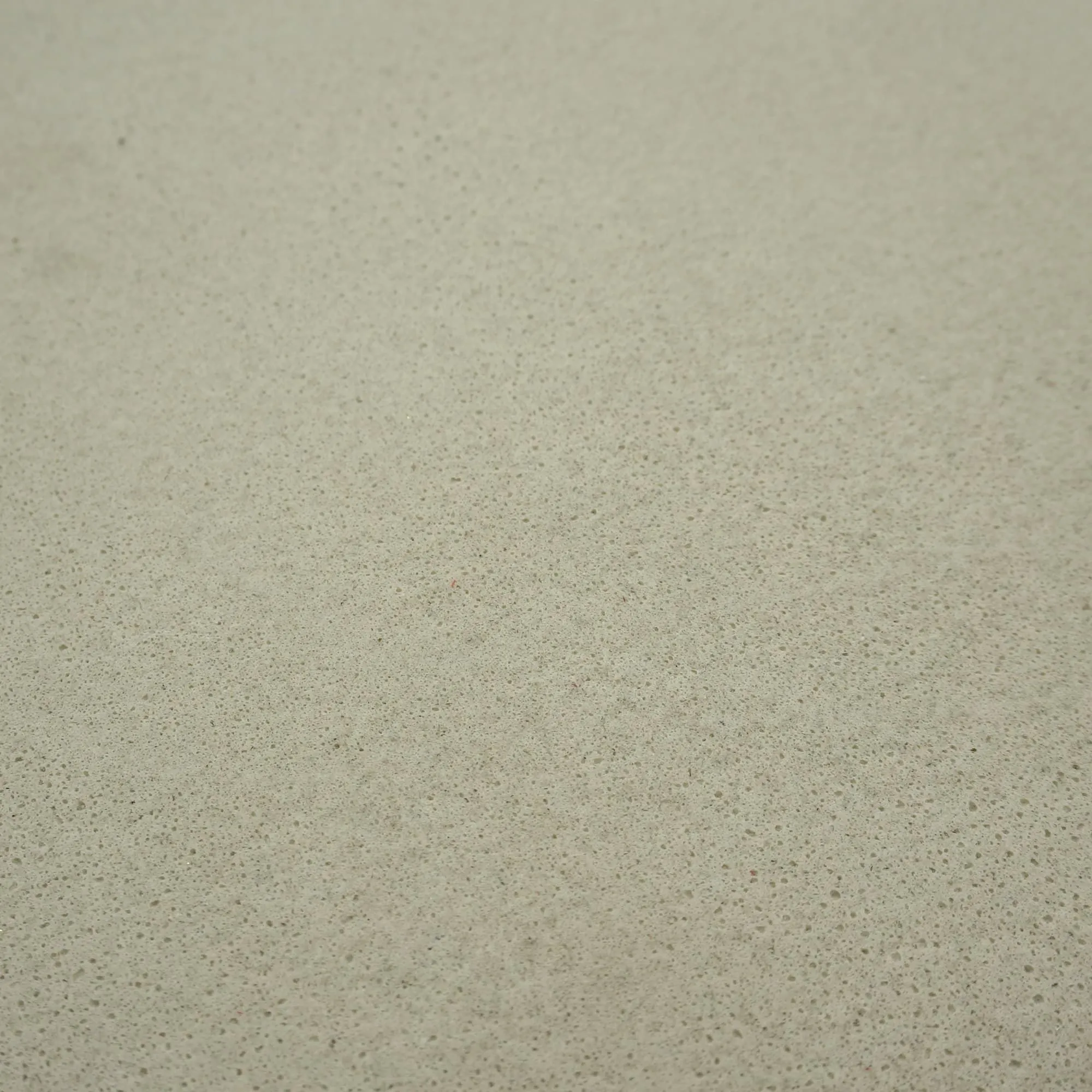
A Comparative Look: MCM vs. Traditional Fair-Faced Concrete
To further illustrate the advantages, let's look at a direct comparison of COLORIA GROUP's MCM solutions against traditional fair-faced concrete construction across several key metrics.
|
Feature/Aspect
|
Traditional Fair-Faced Concrete
|
COLORIA GROUP's MCM Solution
|
|
Aesthetic Consistency
|
Highly variable; prone to color variations, bug holes, and formwork marks. Requires highly skilled execution for uniformity.
|
Excellent uniformity in color, texture, and finish. Predictable results every time, as it's factory-produced.
|
|
Surface Defects
|
Common issues include bug holes, cold joints, streaking, efflorescence, and minor cracks. Difficult to repair seamlessly.
|
Virtually free of typical concrete defects. Surface is engineered for consistent quality.
|
|
Durability & Maintenance
|
Porous, susceptible to weathering, staining, and biological growth. Requires sealing and regular cleaning. Repairs are challenging.
|
Highly resistant to weathering, UV, staining, and biological growth. Low maintenance, easy to clean, retains aesthetic for longer.
|
|
Weight
|
Heavy, imposes significant structural load, limits design scope, increases foundation costs.
|
Extremely lightweight, significantly reduces structural load, ideal for renovations and high-rise applications.
|
|
Installation Complexity
|
Requires complex formwork, precise pouring, vibration, and curing processes. Highly dependent on on-site conditions and skilled labor. Long curing times.
|
Simplified dry-hang or adhesive installation. Faster, less labor-intensive, less dependent on weather, significantly reduces project timelines.
|
|
Design Flexibility
|
Rigid, limited to forms of formwork. Complex shapes are difficult and expensive to achieve.
|
High flexibility and moldability. Can be cut, shaped, and even 3D printed for intricate, custom designs and curved surfaces.
|
|
Customization Potential
|
Limited to formwork patterns; color and texture variations are hard to control.
|
Extensive
customization
options in texture, color, and patterns (e.g., MCM 3D Printing Series). Exact replication of specific aesthetics is possible.
|
|
Environmental Impact
|
High embodied carbon due to cement production. Significant waste from formwork.
|
Green building material
with lower carbon footprint, reduced material consumption, often uses recycled content, and is recyclable. Less on-site waste.
|
|
Overall Cost (Long-term)
|
High initial cost due to labor and formwork, plus ongoing maintenance and potential repair costs.
|
Competitive initial cost, significantly lower long-term costs due to faster installation, reduced labor, and minimal maintenance.
|
COLORIA GROUP: Your Partner in Architectural Innovation
At COLORIA GROUP, we understand that architects and designers are constantly seeking materials that offer both aesthetic brilliance and practical performance. Our journey, backed by decades of experience and a global presence, including a robust agency in Saudi Arabia, is driven by a commitment to innovation and customer satisfaction. We don't just supply materials; we provide
one-stop solutions
that encompass expert consultation, material selection, and support throughout the project lifecycle.
The challenges associated with fair-faced concrete, while daunting, no longer have to be a barrier to achieving its distinct beauty. With COLORIA GROUP's
MCM
technology, you can achieve the desired raw, authentic look with greater consistency, durability, sustainability, and ease of installation. Our focus on
green building materials
ensures that your projects are not only visually stunning but also environmentally responsible, contributing positively to the planet.
Whether your project demands the sweeping grandeur of large-format panels, the robust performance of engineering-grade boards, the artistic expression of 3D-printed textures, or the natural allure of
flexible stone
, COLORIA GROUP has an MCM solution tailored to your vision. We empower you to push the boundaries of design, transforming spaces with materials that are as intelligent as they are beautiful.
Embrace the future of architectural finishes with COLORIA GROUP's MCM – where innovation meets aesthetic perfection, solving the common challenges of fair-faced concrete construction, one project at a time.