
Why this innovative MCM material is more than just a trend—and why designers and builders are raving about it
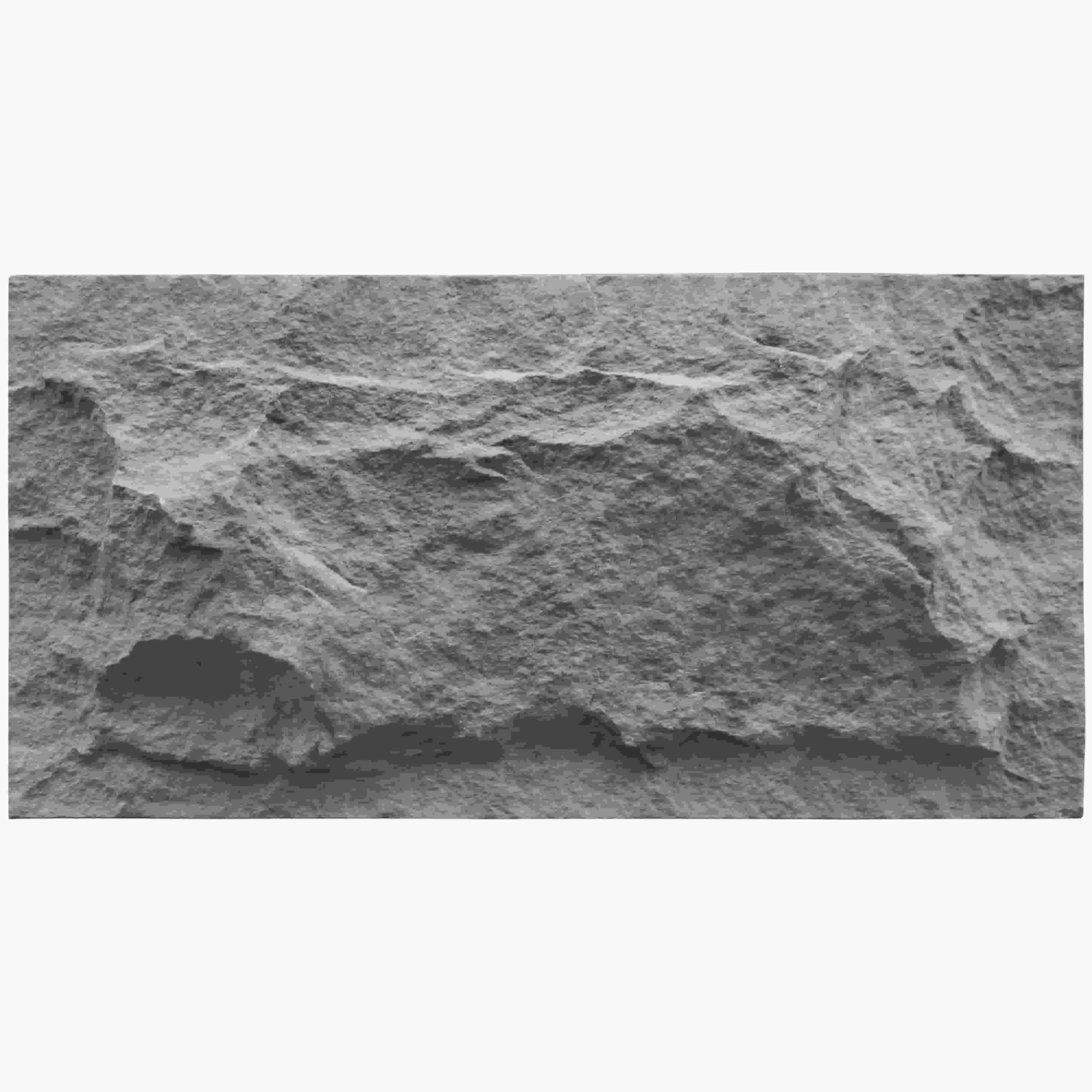
Walk into any modern boutique hotel, trendy restaurant, or upscale home renovation, and you'll likely spot a material that stops you in your tracks: a stone that looks like it was plucked straight from a misty mountain, with the rough-hewn charm of mushroom-shaped rock formations, yet somehow feels lighter, more adaptable, and surprisingly versatile. That's Crossare Mushroom Stone043 —part of MCM's revolutionary lineup of building materials that blend nature's beauty with cutting-edge technology. But with innovation often comes skepticism. We've heard the whispers: "It's just fake stone," "It won't hold up," "It's only for cabins in the woods." Today, we're setting the record straight. We talked to architects, interior designers, and material scientists to debunk the most persistent myths surrounding this game-changing material.
Let's start with the big one. Many people see "engineered stone" and immediately think "plastic-y knockoff." But Crossare Mushroom Stone043 isn't trying to mimic nature—it's elevating it. "The first time I ran my hand over a sample, I was convinced it was real mushroom stone," says Elena Torres, a principal designer at Studio Terra, who used the material in a recent coastal home project. "The texture is so authentic—you can see the tiny crevices, the subtle color variations, even the way light plays off the surface like it does on quarried stone. It's not 'fake'; it's a reinterpretation with precision."
So what makes it so authentic? MCM's proprietary 3D printing series technology is key. Instead of casting from a mold (which often flattens details), the stone is built layer by layer, capturing the organic irregularities of natural mushroom formations—think the bulbous caps, the gnarled edges, the porous surface that traps tiny air bubbles. "We scanned over 50 real mushroom stone specimens from quarries in Italy and Turkey to map every nuance," explains Dr. Marcus Hale, MCM's lead material scientist. "Then we used 3D modeling to enhance those features, making the texture more pronounced and visually striking than some natural stones, which can be inconsistent."
Compare that to, say, a standard "faux stone" panel, which often has a repetitive, stamped pattern that looks identical across every square foot. Crossare Mushroom Stone043, by contrast, has near-infinite variation. Torres adds, "I paired it with travertine (starry green) in a client's living room, and guests swear the Crossare is the 'real' stone. The depth is that convincing."
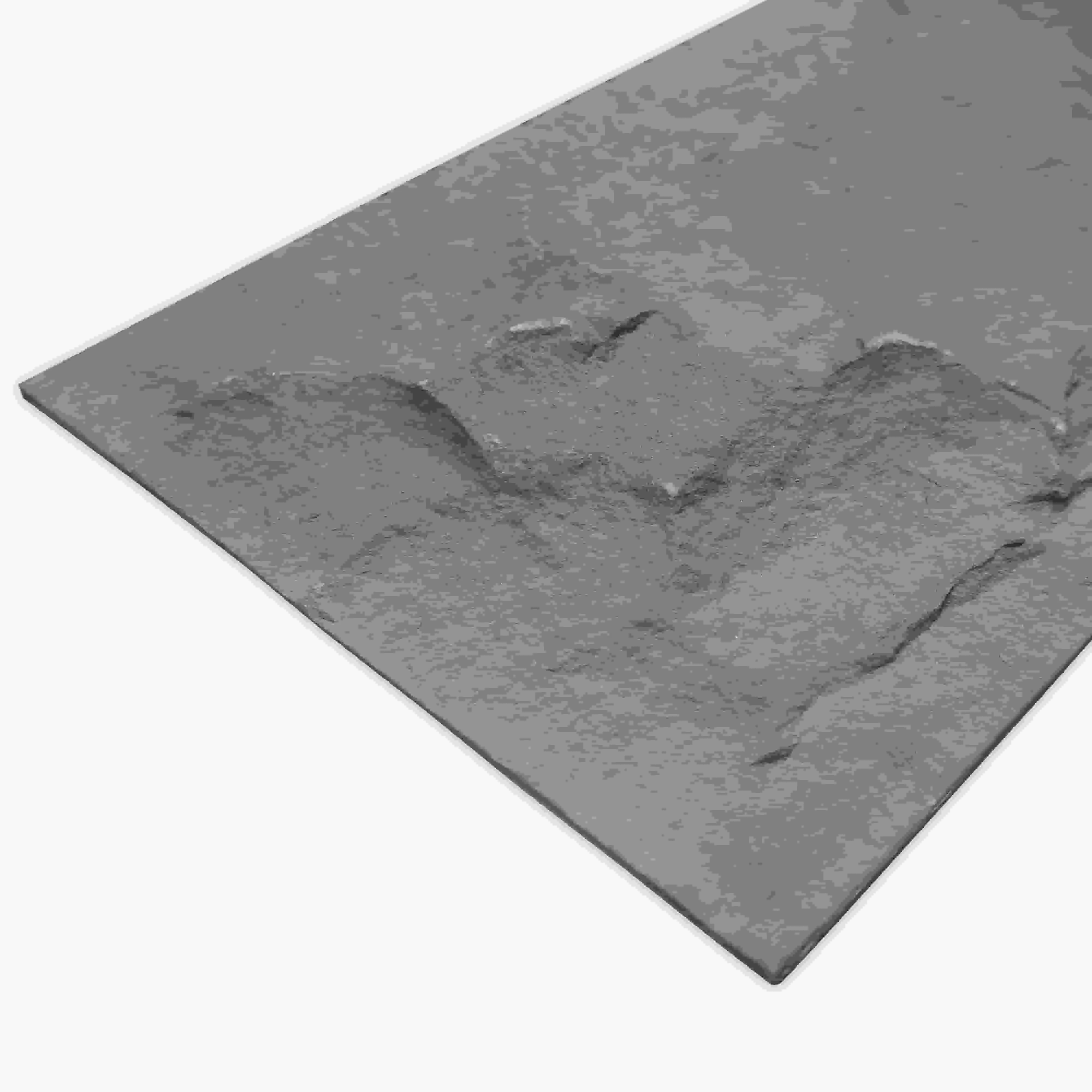
"I need something tough enough for my restaurant's entryway—this stuff'll chip in a month," is a common concern we've heard. But let's talk numbers. MCM subjected Crossare Mushroom Stone043 to rigorous durability tests: 5,000 cycles of foot traffic (simulating 10 years of heavy use), exposure to extreme temperatures (-20°C to 60°C), and drenching with acidic solutions (to mimic spills like coffee or wine). The result? "Less than 0.5% surface wear, no cracking, and zero color fading," says Dr. Hale. "It outperformed fair-faced concrete in abrasion resistance and matched natural granite in impact testing."
Real-world results back this up. Take The Rustic Spoon, a farm-to-table restaurant in Portland, Oregon, which installed Crossare Mushroom Stone043 on its exterior facade and entryway floor three years ago. "We get rain, snow, and hundreds of guests a day tracking in mud and salt," says owner Mike Chen. "I was worried about maintenance, but honestly? We hose it down once a month, and it looks brand new. No chips, no stains—even that time a delivery truck scraped the facade? Barely a scratch. I've replaced natural stone floors in previous restaurants every five years; this stuff might outlast the business."
The secret? Its core is reinforced with mcm flexible stone technology, a composite matrix that combines natural mineral aggregates with a lightweight polymer binder. This makes it both rigid (to resist impacts) and slightly flexible (to absorb stress without cracking). "Traditional mushroom stone is brittle—drop a tool on it, and it shatters," notes Torres. "Crossare bends just enough to withstand daily knocks. I used it in a kids' playroom last year, and it's holding up to toy trucks and sticky fingers like a champ."
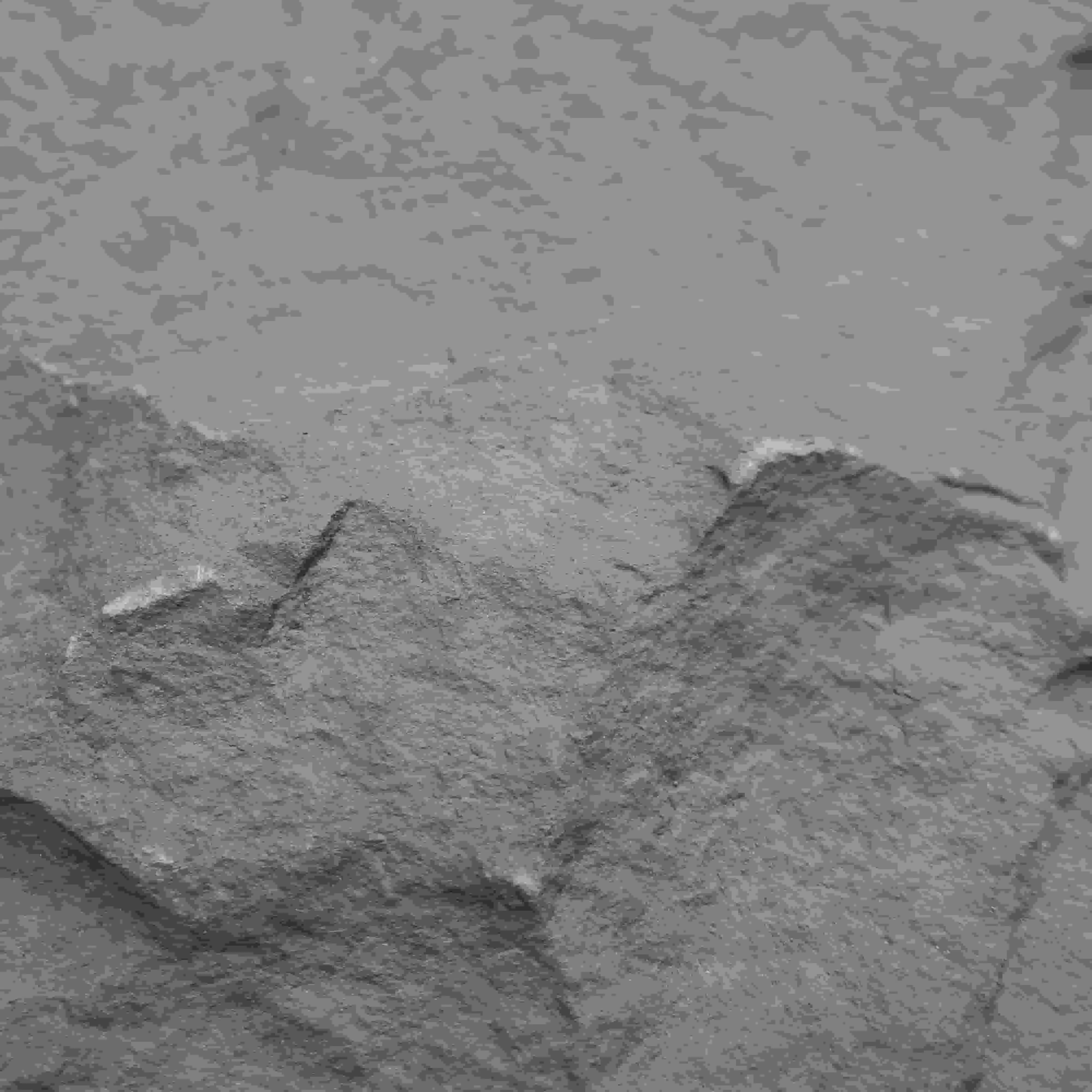
When you hear "mushroom stone," you probably picture log cabins or mountain lodges. And sure, Crossare Mushroom Stone043 shines there—but that's just the start. "Designers are using it in ways we never imagined," laughs Hale. "Modern lofts, beach houses, even minimalist offices—its texture adds warmth without overwhelming a space."
Take a recent project by architect Raj Patel, who used the stone in a sleek, all-white penthouse in Chicago. "I paired it with polished concrete floors and floor-to-ceiling windows," he says. "The rough stone wall behind the sofa acts as a focal point—softening the hard edges of the modern furniture. It's unexpected, but it works because the stone's color (a muted gray with taupe undertones) is neutral enough to blend." For a coastal vibe, Torres suggests combining it with wood grain board : "The mushroom stone's earthiness balances the wood's warmth, creating a space that feels both grounded and airy—perfect for a beach house."
Still skeptical? Check out this comparison of design applications across styles:
| Design Style | Crossare Mushroom Stone043 Application | Complementary MCM Materials |
|---|---|---|
| Modern Minimalist | Accent wall in living room; neutral gray tone | Fair-faced concrete, marble interstellar gray |
| Coastal | Shower wall in bathroom; whitewashed finish | Wood grain board, lime stone(beige) |
| Industrial | Bar front; dark charcoal finish | Foamed aluminium alloy board (vintage silver), thread |
| Bohemian | Fireplace surround; natural stone color | Bali stone, weaving (khaki) |
"The key is in the finish," Patel adds. "You can get it in natural, whitewashed, or even a polished look (though we don't recommend polishing the mushroom caps—you'd lose that iconic texture). It's a chameleon."
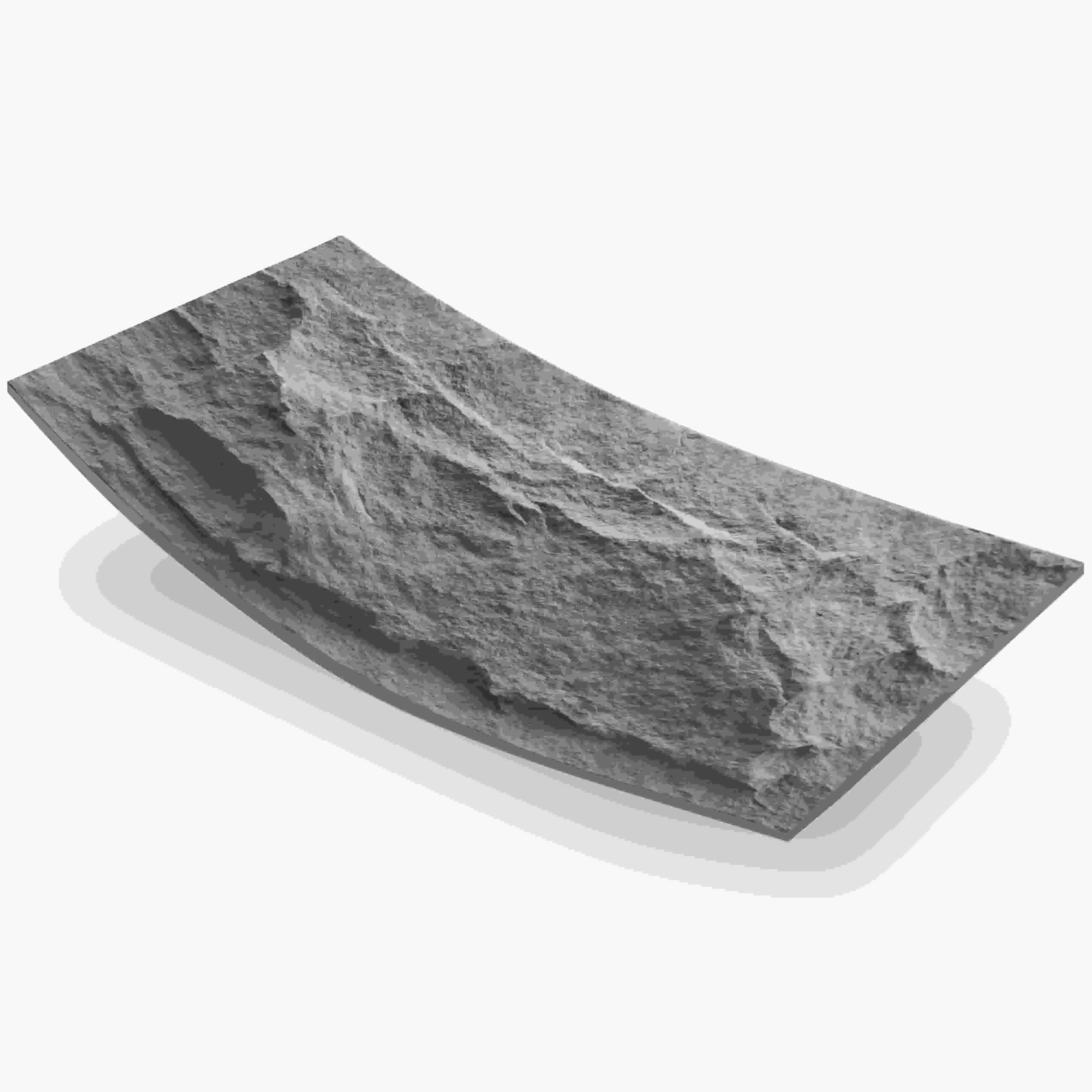
"I'm handy, but stone installation? That's for pros," is a common refrain. But Crossare Mushroom Stone043 was designed with DIYers (and busy contractors) in mind. "Traditional stone panels weigh 30-40 lbs per square foot—you need two people and heavy equipment to install them," says Sarah Lopez, host of HGTV's "Weekend Renovators." "Crossare? It's 8 lbs per square foot. I installed a 10-foot wall in my own bedroom in six hours—by myself. No fancy tools, just a utility knife to cut it and construction adhesive to stick it."
The material's flexibility (thanks to mcm flexible stone tech) makes cutting a breeze. Unlike rigid natural stone, which can crack if not cut perfectly, Crossare bends slightly, allowing for clean, precise cuts around outlets, windows, or corners. "I used a jigsaw with a masonry blade for curved edges," Lopez adds. "It cut like butter. And because the panels interlock on the edges, you don't have to worry about uneven seams—just line them up, and they click into place."
Contractors love it too. "On commercial jobs, time is money," says Jake Wilson, a general contractor in Austin. "We used to spend a week installing natural stone on a restaurant facade. With Crossare, we did it in three days. No need for mortar, no waiting for it to dry—just glue and go. The labor savings alone make it worth it."
In an era where sustainability is non-negotiable, concerns about "green" credentials are valid. But Crossare Mushroom Stone043 is actually one of the most eco-friendly options on the market. "Traditional stone quarrying is devastating to ecosystems—bulldozing forests, disrupting water sources, releasing tons of carbon emissions," explains Dr. Lisa Wong, an environmental scientist at the Green Building Institute. "MCM's process? It uses 70% recycled materials (crushed stone waste from quarries, recycled polymers) and emits 60% less CO2 than mining and processing natural stone."
What about chemicals? "We test for VOCs (volatile organic compounds) and heavy metals, and Crossare consistently comes in below even the strictest EU standards," Dr. Hale says. "The binder is a water-based polymer, so no toxic fumes during installation or over time. It's also mold-resistant, which means you don't need harsh chemical cleaners to maintain it—just soap and water."
For Wong, the material's longevity is another eco win: "A product that lasts 20+ years instead of needing replacement every 5-10 years reduces waste. Crossare's durability means less material ends up in landfills—a huge plus for sustainability."
At the end of the day, Crossare Mushroom Stone043 isn't just a building material—it's a bridge between nature and innovation. It honors the beauty of natural stone while fixing its flaws: weight, brittleness, environmental impact, and cost. As Patel puts it: "Design is about solving problems. This stone solves so many—without sacrificing beauty. That's why it's quickly becoming a staple in my projects."
So the next time you hear someone dismiss it as "just fake stone," share the facts. Better yet, touch it for yourself. Chances are, you'll be as convinced as the experts: Crossare Mushroom Stone043 is the future of stone design.
Recommend Products












