
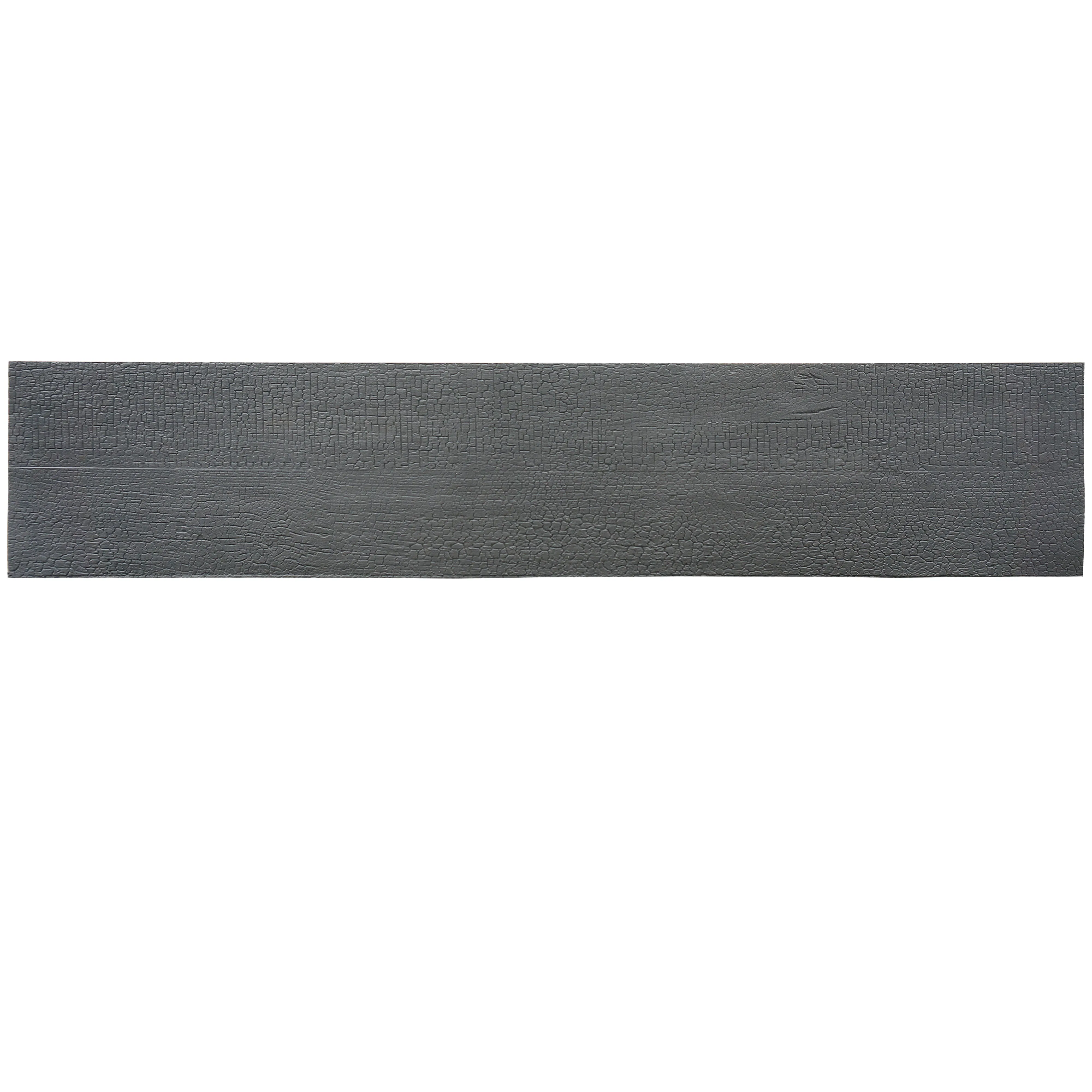
If you've ever run your hand over a piece of charcoal burnt wood board, you know its magic lies in the details—the deep, smoky hues, the tactile contrast of charred grain against smooth, unburnt edges, the way it seems to tell a story of fire and craftsmanship. Whether used as a feature wall in a modern home, cladding for a cozy café exterior, or even as a backsplash in a rustic kitchen, this material has a unique ability to blend warmth with edge. But like any natural material, it's not immune to the elements—especially when it comes to something as invisible yet powerful as pH levels. In this guide, we'll walk through the common pH-related headaches that can plague charcoal burnt wood board, why they happen, and how to fix (and prevent) them—so your investment stays as striking as the day it was installed.
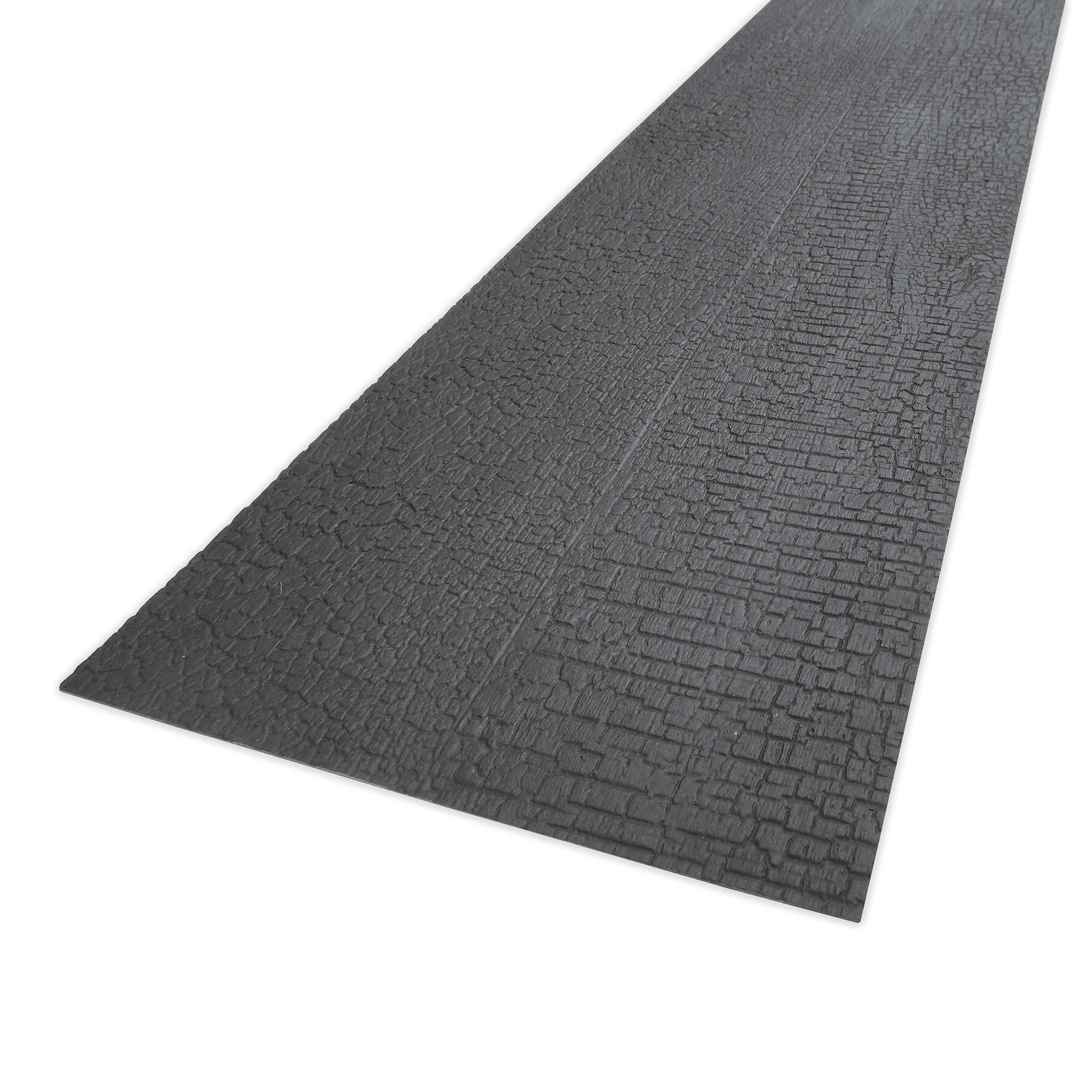
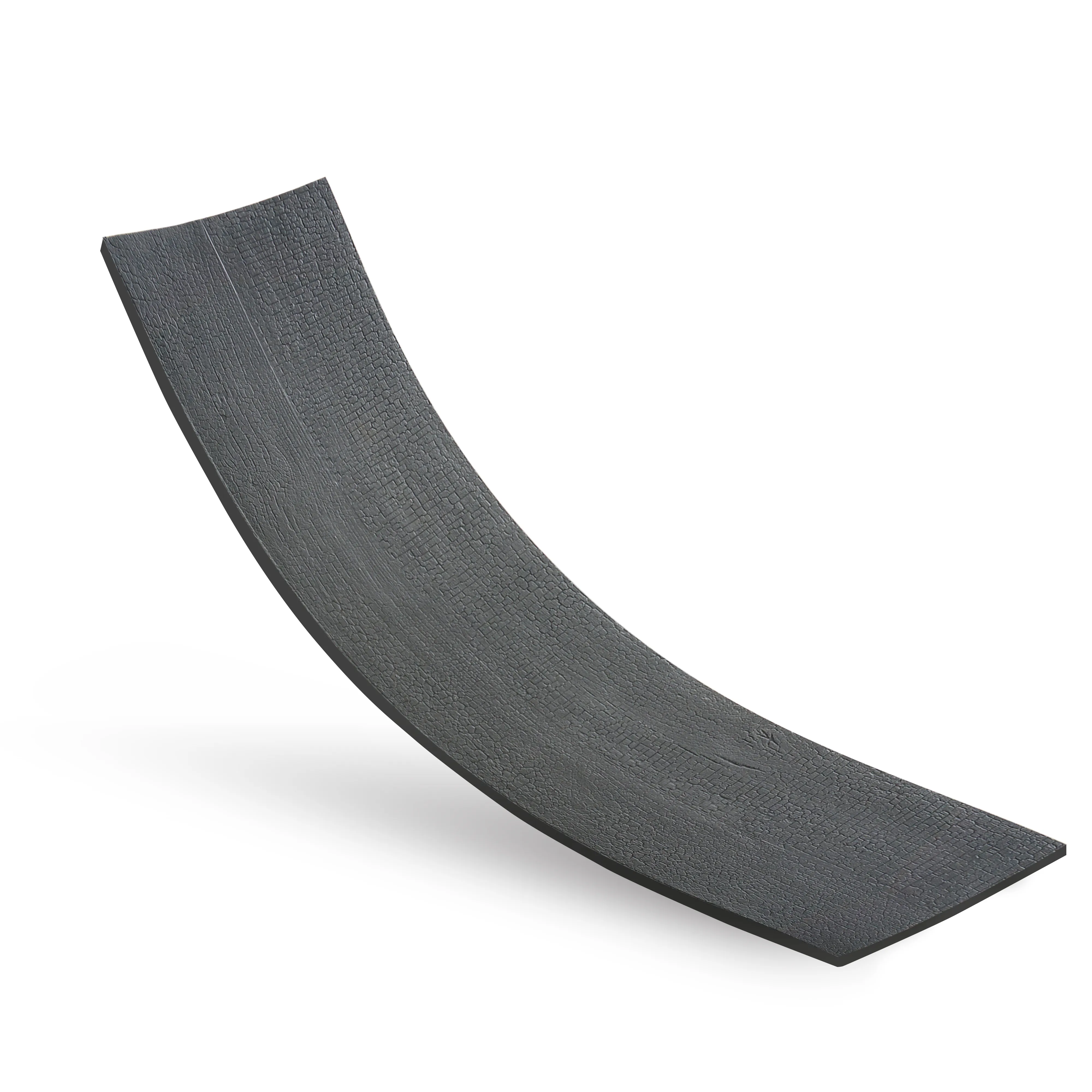
Before diving into the nitty-gritty of pH, let's ground ourselves in what makes this material special. Charcoal burnt wood board—sometimes called shou sugi ban, after the traditional Japanese technique—is created by torching wood surfaces to char the outer layer, then sealing it to lock in that distinctive look. The process not only gives it that dramatic, almost otherworldly appearance (think deep blacks, rich browns, and hints of amber where the char is thinnest) but also naturally resists rot, pests, and weathering. That said, while the charring adds a layer of protection, it doesn't make the wood invincible—especially when exposed to imbalanced pH environments.
Unlike, say, fair-faced concrete (which thrives in neutral to slightly alkaline conditions) or travertine (beige varieties, which are porous and sensitive to acidic rain), charcoal burnt wood board exists in a delicate balance. Its charred layer is porous, acting like a sponge for moisture, chemicals, and yes—pH-altering substances. Ignore that balance, and you might end up with a surface that fades, cracks, or even crumbles long before its time.
pH is a measure of how acidic or alkaline a substance is, ranging from 0 (highly acidic) to 14 (highly alkaline), with 7 being neutral. For wood—even charred wood—this scale isn't just a chemistry lesson; it's a survival guide. Here's why:
Think of it like caring for a plant: You wouldn't water a fern with bleach or a cactus with vinegar, right? Your charcoal burnt wood board has its own "preferred" pH range (ideally neutral, around 6.5–7.5), and straying too far from that can throw its whole ecosystem off balance.
pH issues rarely announce themselves with a neon sign—they're more like slow-burn problems that creep up over months (or even years). Let's break down the three most common culprits, what they look like, and why they happen.
Picture this: You've installed charcoal burnt wood board on your patio, excited to host summer barbecues. A few months in, you notice strange light patches on the surface—almost like someone spilled bleach—and the wood feels unusually rough, even splintery in spots. Worse, there's a faint, musty smell near the ground. Chances are, you're dealing with acidic damage.
Symptoms to watch for:
What's causing it? Acidic damage usually comes from external sources. Rainwater in urban areas is often slightly acidic (acid rain) due to pollution. If your board is near a garden, over-spray from acidic fertilizers or even pine needle runoff (pine trees release acidic compounds) can seep into the wood. Cleaning products are another culprit—harsh, pH-low cleaners (like vinegar-based solutions or bleach) can strip the wood's natural oils and disrupt its pH balance.
How to fix it: Start by neutralizing the acid. Mix a solution of baking soda (1 cup per gallon of water) and gently scrub the affected areas with a soft-bristle brush—this will raise the pH back toward neutral. Rinse thoroughly with clean water and let it dry completely (at least 48 hours). Once dry, apply a pH-neutral wood sealer (look for products labeled "alkaline-resistant" or "pH-balanced") to lock out future acidic intruders. For outdoor boards, consider adding a rain shield or awning to reduce direct exposure to acid rain.
Now, flip the script: Imagine you've used charcoal burnt wood board as wainscoting in a bathroom with hard water. After a few months, you notice a chalky, white film on the lower edges of the boards—almost like someone dusted them with talcum powder. When you wipe it off, the wood underneath looks dull and slightly eroded. That's alkaline damage in action.
Symptoms to watch for:
What's causing it? Alkaline issues often stem from hard water (rich in calcium and magnesium) or nearby construction materials. If your wood board is installed next to fair-faced concrete or mortar, rainwater can leach alkaline compounds from those materials and carry them onto the wood. In gardens, lime-based fertilizers or even concrete planters can seep alkaline runoff into the wood. Indoor spaces with hard water (think: shower steam, leaky pipes) are also hotspots—minerals in the water build up over time, throwing the wood's pH off balance.
How to fix it: First, dissolve the alkaline deposits. Mix a weak solution of white vinegar (1 part vinegar to 4 parts water) and gently wipe the affected areas—vinegar's mild acidity will break down the efflorescence. Avoid using strong acids (like muriatic acid) as they can damage the wood further. Rinse with clean water and dry thoroughly. To prevent future buildup, install a moisture barrier (like a plastic sheet or waterproof membrane) between the wood and any alkaline substrates (concrete, mortar). For hard water areas, consider a water softener or switch to pH-neutral cleaning products.
Sometimes, the problem isn't just acid or alkali—it's both, swapping places like uninvited guests. This is common in regions with extreme weather: hot, dry summers (which can make wood more acidic as moisture evaporates) followed by cold, wet winters (which introduce alkaline groundwater). The result? A wood board that can't keep up with the pH swings.
Symptoms to watch for:
What's causing it? Climatic extremes are the main culprit here. In dry weather, wood loses moisture, concentrating any acidic compounds left behind (like from rainwater or soil). When the rains come, alkaline groundwater or melting snow (which can pick up minerals from the soil) soaks into the wood, swinging the pH back up. This back-and-forth weakens the wood's structure over time, making it prone to warping and cracking.
How to fix it: The key is stability. Start by sanding down any warped or cracked areas gently (use 120-grit sandpaper) to smooth the surface. Apply a dual-action sealer: one that resists both acidic and alkaline intrusion (look for products with "pH-stable" in the label). For outdoor boards, add a layer of breathable waterproofing membrane underneath during installation to buffer against soil pH changes. In regions with extreme seasons, consider a seasonal maintenance routine: a light neutralizing rinse (with pH 7 water) in spring and fall to keep levels steady.
| pH Issue | Key Symptoms | Common Causes | Fixes |
|---|---|---|---|
| Acidic Damage | Light discoloration, brittleness, mold growth | Acid rain, vinegar cleaners, pine needle runoff | Baking soda rinse, pH-neutral sealer, rain shield |
| Alkaline Degradation | White efflorescence, surface erosion, yellow staining | Hard water, concrete/mortar runoff, lime fertilizers | Vinegar solution wipe, moisture barrier, water softener |
| pH Fluctuations | Inconsistent wear, warping, peeling sealant | Climatic extremes (dry/wet seasons), soil pH swings | pH-stable sealer, seasonal neutralizing rinses, waterproof membrane |
Let's be real: Fixing pH damage is doable, but it's also time-consuming and (let's not forget) costly. The best strategy? Stop problems before they start. Here's how:
Before laying a single board, test the pH of your environment. For outdoor projects, collect soil samples (from around the installation area) and test with a home pH kit (available at garden centers). For indoor projects, test your tap water (hard water? Soft? Alkaline? Acidic?) and check nearby materials: Is there fair-faced concrete, mortar, or travertine (beige) tile nearby that could leach pH-altering substances? If the soil or water pH is outside the 6.5–7.5 range, add amendments (lime to raise pH, sulfur to lower it) before installation.
Not all sealants are created equal. Look for products specifically labeled "pH-balanced" or "resistant to acid/alkaline exposure." For outdoor boards, opt for a breathable sealer (so moisture can escape without getting trapped) with UV protection. Reapply every 1–2 years (or as directed by the manufacturer)—even if the board looks fine. Sun, rain, and foot traffic wear down sealants over time, leaving the wood vulnerable.
Charcoal burnt wood board doesn't exist in a vacuum. If you're installing it near concrete, mortar, or even limestone (beige) pathways, add a physical barrier: a strip of plastic sheeting or metal flashing between the wood and the alkaline material. For gardens, keep acidic and alkaline plants (and their fertilizers) at least 2 feet away from the wood. Indoors, use pH-neutral cleaners (like mild dish soap and water) and avoid placing the board near leaky pipes or areas with hard water buildup.
Make pH checks part of your regular home maintenance routine. Every spring and fall, inspect the wood for signs of discoloration, efflorescence, or softness. Wipe a small area with a damp cloth—if the cloth picks up chalky residue or discoloration, it's time to test the pH (use a soil/water pH test strip on a dampened section of the wood). Catching imbalances early means fixing them before they turn into full-blown damage.
Let's put this all into context with a story. A few years back, a café in Portland, Oregon, decided to revamp its outdoor patio with charcoal burnt wood board cladding—think warm, charred walls that complemented their industrial-chic vibe. They paired it with fair-faced concrete floors, a popular choice for its sleek, minimalist look. All was well until the first heavy rains of winter hit.
Within weeks, the lower 18 inches of the wood boards were covered in a white, powdery film—efflorescence. The wood felt soft to the touch, and in some spots, the charred layer had worn away, revealing lighter wood underneath. The café owner was frustrated: "We spent so much on this look, and now it's turning into a chalkboard?"
After a quick pH test (using a soil strip on a damp section of the wood), they discovered the pH was 9.5—way too alkaline. The culprit? Runoff from the fair-faced concrete floors. When it rained, water would pool on the concrete, pick up alkaline minerals, and then seep into the base of the wood boards. Over time, that constant alkaline exposure was eating away at the charred layer.
The fix? They started by cleaning the affected areas with a 1:4 vinegar-to-water solution, which dissolved the efflorescence. After rinsing and drying, they installed a 6-inch tall metal flashing barrier between the concrete floor and the wood boards to redirect runoff away from the wood. Finally, they sealed the entire cladding with a pH-stable, breathable sealer. A year later, the boards still look as striking as the day they were installed—proof that a little pH awareness goes a long way.
Charcoal burnt wood board isn't just a building material—it's a statement. It's the warmth of a campfire frozen in time, the contrast of rough and refined, the kind of detail that makes a space feel intentional. But to keep that statement strong, you can't ignore the invisible forces at play—like pH. Whether it's acid rain, hard water, or neighboring concrete, imbalanced pH levels can turn your showstopper into a headache.
The good news? With a little knowledge, proactive care, and the right fixes, you can keep your charcoal burnt wood board thriving for decades. Test, seal, monitor, and adjust—that's the recipe for pH balance, and for a material that continues to turn heads. After all, the best stories (and the best wood boards) are the ones that stand the test of time.
Recommend Products












