
Walk into any well-designed space—whether it's a cozy home, a bustling café, or a sleek office—and you'll quickly realize that materials are the silent storytellers of a room. They shape how we experience a space: the warmth of a wall, the texture underfoot, the quiet confidence of a surface that stands up to daily life. When it comes to choosing between materials like bamboo mat board and traditional wood panels, the decision goes beyond aesthetics. It's about strength that won't falter, longevity that outlasts trends, and a material that grows with the life around it. Let's unpack what makes each of these materials tick, and which might be the better fit for your next project.
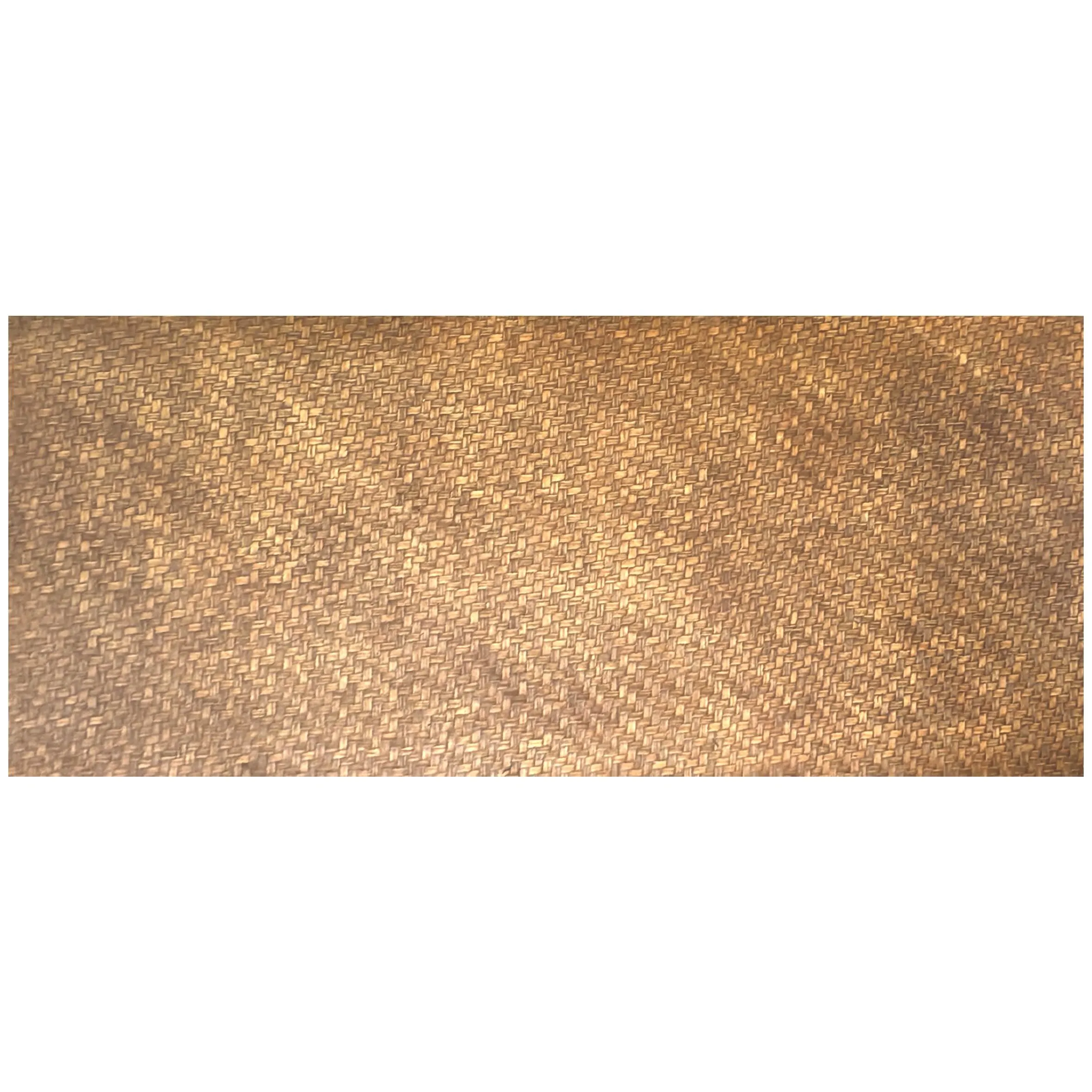
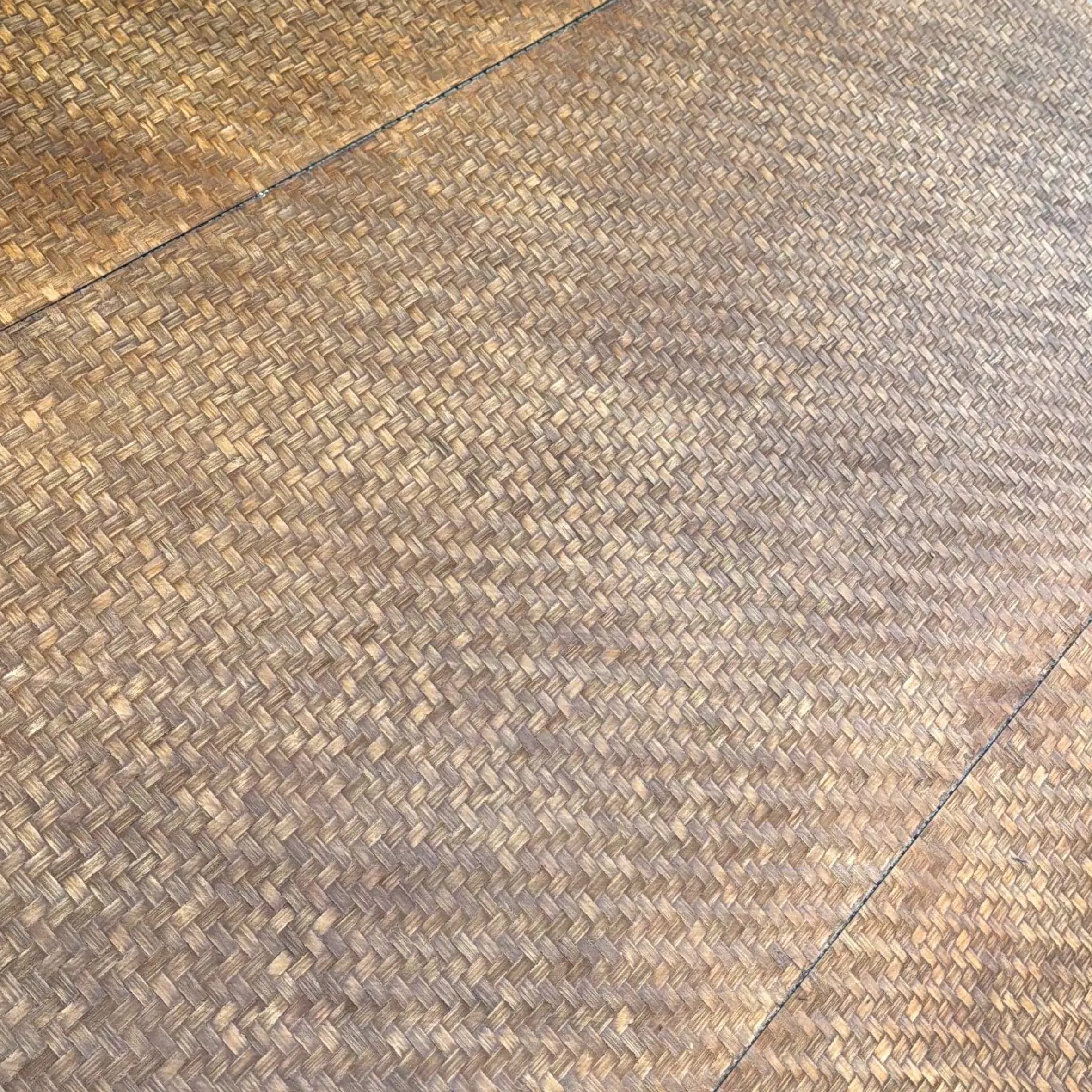
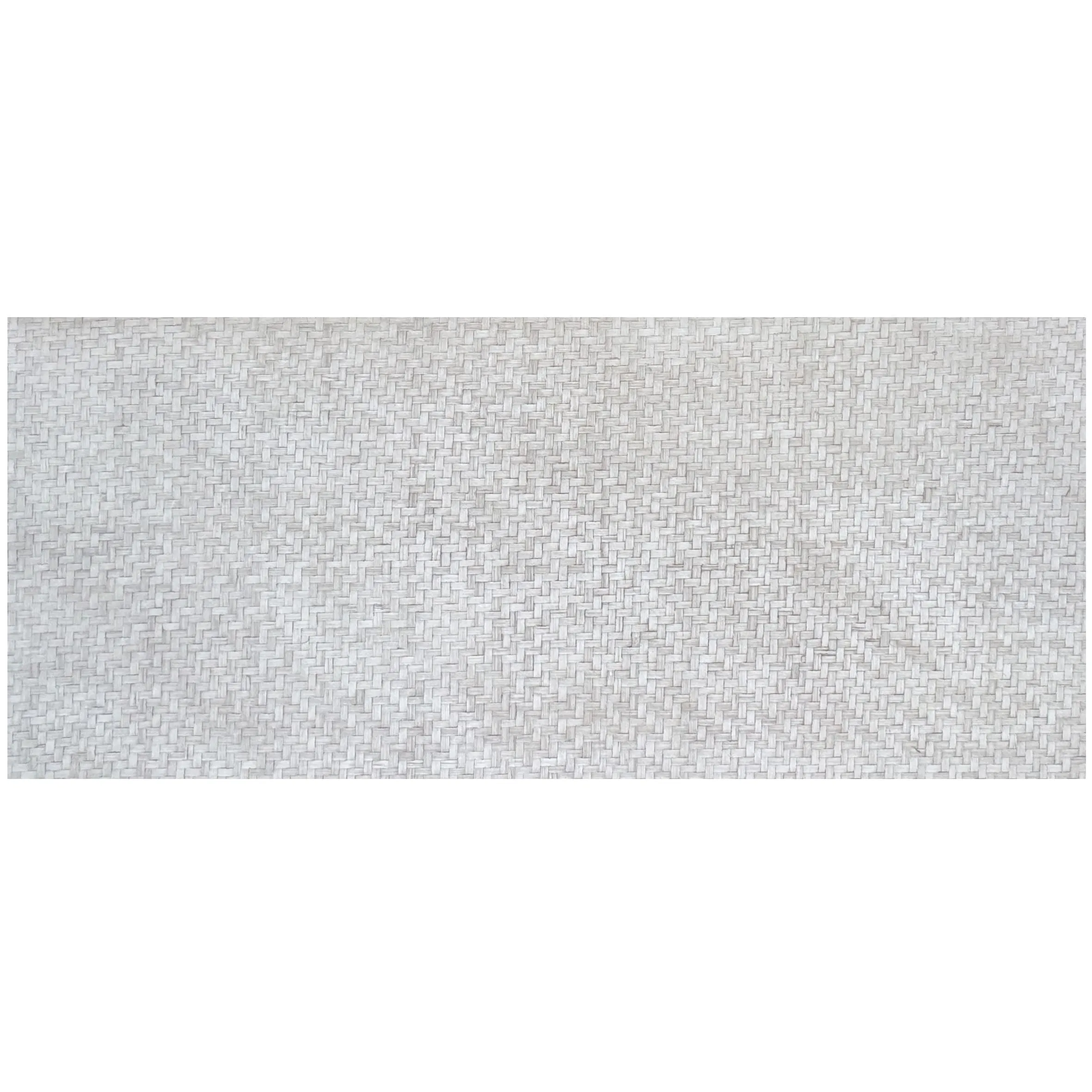
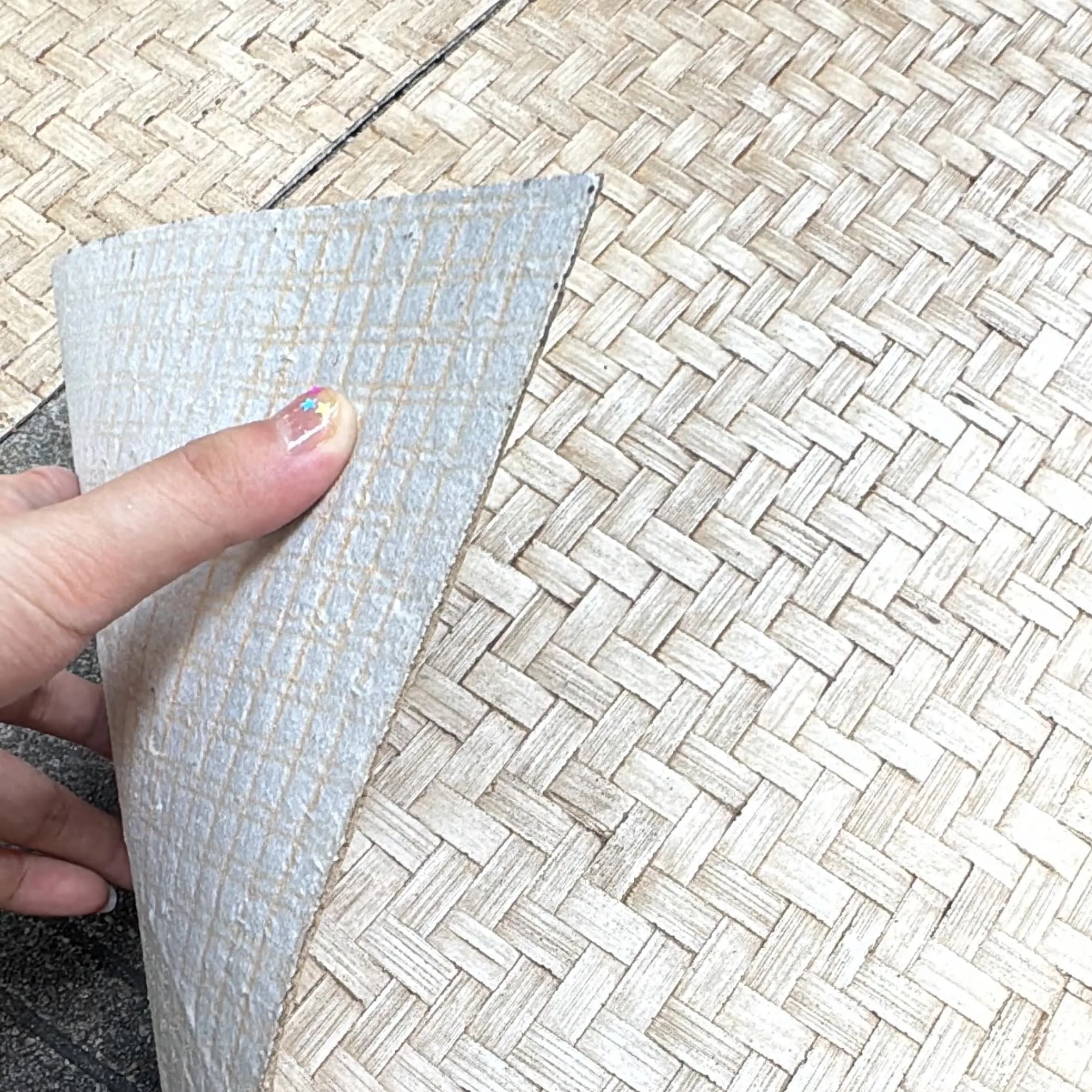
If you're new to the term, bamboo mat board might sound like a niche product—but it's quickly gaining traction in modern design circles for good reason. Imagine bamboo, that fast-growing, sustainable giant of the plant world, transformed into a panel that's as tough as it is beautiful. Bamboo mat board is crafted by weaving thin bamboo strips into mats, then bonding them together with eco-friendly adhesives under heat and pressure. The result? A material that marries the natural warmth of bamboo with surprising structural heft.
What sets it apart? Bamboo's inherent properties play a big role. Unlike wood, bamboo is a grass, not a tree—meaning it grows back in 3–5 years, compared to the decades it takes for hardwoods to mature. But sustainability isn't its only trick. The weaving process creates a crisscross pattern in the mat, which adds layers of stability. Think of it like a well-woven basket: individual strands might bend, but together, they're remarkably rigid. This structure gives bamboo mat board a tensile strength that often outperforms traditional wood, making it a favorite for both decorative and load-bearing applications.
Wood panels, on the other hand, are the old reliable of the design world. For centuries, we've turned to wood for its warmth, versatility, and that unmistakeable grain pattern that feels like a hug from nature. From solid oak planks to engineered plywood, wood panels come in endless varieties—each with its own personality. Pine panels bring a soft, rustic charm; walnut adds depth with rich, dark tones; and maple offers a clean, contemporary vibe with its light, uniform grain.
But traditional wood panels have their quirks. Solid wood, for example, is prone to warping or shrinking when exposed to moisture or temperature swings—think of that old wooden bookshelf in your basement that now leans slightly, or the floorboards that creak after a rainy season. Engineered wood panels (like plywood or MDF) address some of these issues by layering wood fibers or veneers, but they still rely on natural wood at their core, making them susceptible to the same enemies: pests, rot, and wear over time.
Strength isn't just about how much weight a panel can hold—it's about how it handles the little (and big) stresses of life. Let's break it down.
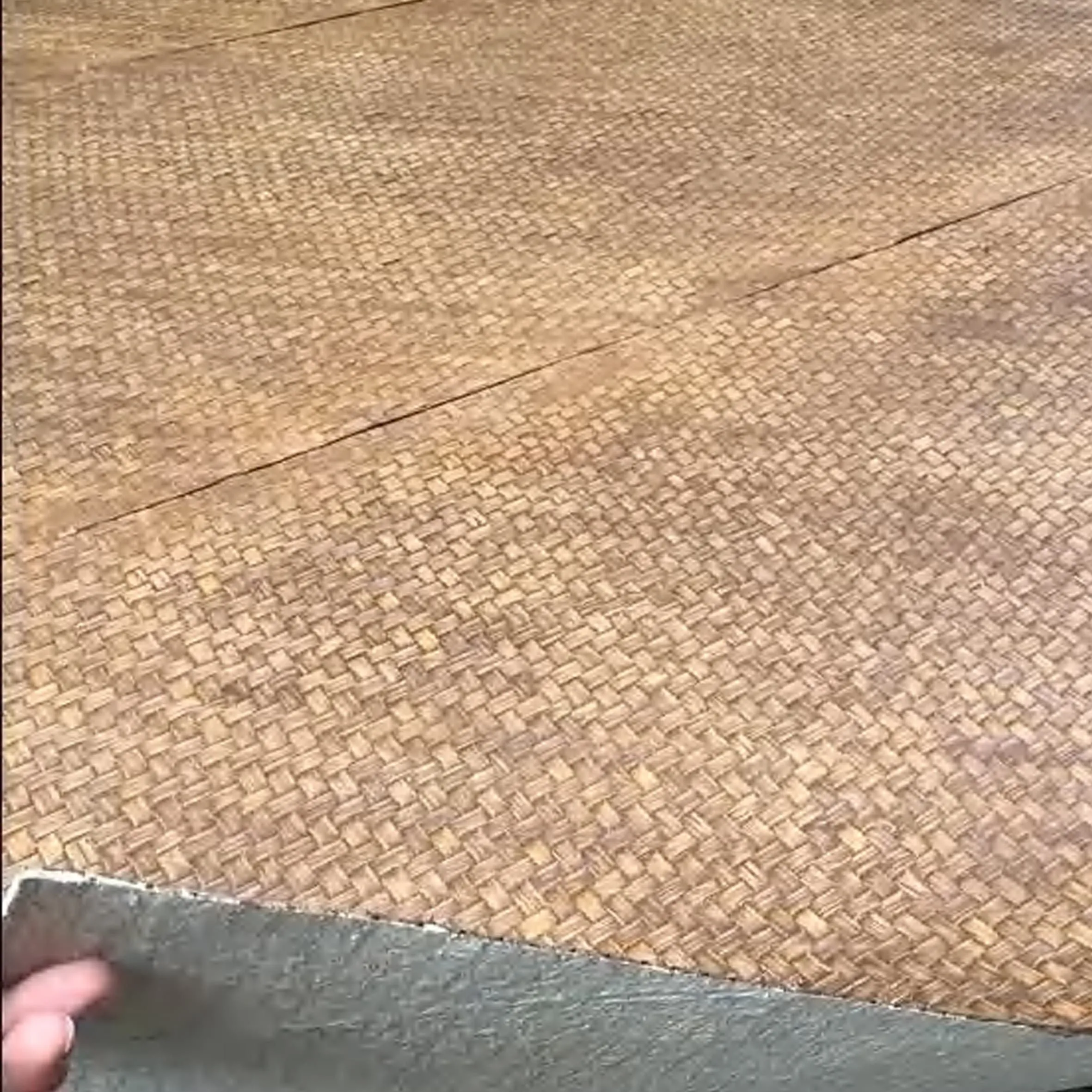
Bamboo mat board's woven structure is a game-changer here. The cross-laid bamboo strips distribute weight evenly, reducing the risk of cracking or splitting under pressure. In lab tests, bamboo mat board often boasts a flexural strength (the ability to bend without breaking) of 120–150 MPa, while many hardwood panels hover around 80–100 MPa. That might sound like just numbers, but in real terms? It means a bamboo mat board wall panel can take a stray soccer ball from the kids or a heavy piece of furniture leaning against it without developing unsightly dents.
Wood panels, especially solid hardwoods like oak or teak, are strong—but their strength is directional. Wood grain runs in one direction, so a panel is stiffer along the grain but more vulnerable across it. A sharp impact perpendicular to the grain? That's when cracks can start. Engineered wood panels improve on this with cross-grain layers, but they still can't match the all-around rigidity of bamboo's woven mat design.
Ever accidentally slammed a door into a wall panel? We've all been there. Bamboo mat board's density (typically 0.7–0.9 g/cm³) and flexibility make it surprisingly forgiving. It absorbs impact rather than shattering, thanks to the bamboo fibers' natural elasticity. Wood panels, especially softer woods like pine, can dent or chip more easily—those little dings from moving furniture or a dropped tool can add up over time, leaving a surface that looks worn before its time.
| Material | Flexural Strength (MPa) | Impact Resistance | Best For |
|---|---|---|---|
| Bamboo Mat Board | 120–150 | High (absorbs impact) | High-traffic areas, kids' rooms, commercial spaces |
| Solid Hardwood Panels | 80–100 | Moderate (directional strength) | Low-traffic, decorative walls, furniture |
| Engineered Wood Panels | 60–90 | Moderate-Low (prone to delamination) | Shelving, cabinetry, non-load-bearing walls |
A material's true test is time. Let's talk about which one will still look good a decade—or two—down the line.
Moisture is the silent killer of many building materials, and wood panels are no exception. Even treated wood can warp or rot if exposed to prolonged dampness—think bathrooms, kitchens, or basements. Bamboo, however, has a natural resistance to moisture thanks to its high silica content (the same stuff that makes grass stiff). When processed into mat board, it's often sealed with a water-resistant coating, making it a star in humid climates or spaces like bathrooms and mudrooms. I've seen bamboo mat board used in a beach house bathroom—exposed to salt air and daily showers—and after five years, it still looks as fresh as the day it was installed.
Termites and wood-boring beetles love nothing more than a tasty wood panel buffet. Traditional wood panels, even treated ones, can fall victim if the treatment wears off. Bamboo? Not so much. Bamboo contains a natural insect-repelling compound called "bamboo kun," which deters pests. That means less worry about costly exterminator visits or replacing panels riddled with tiny holes.
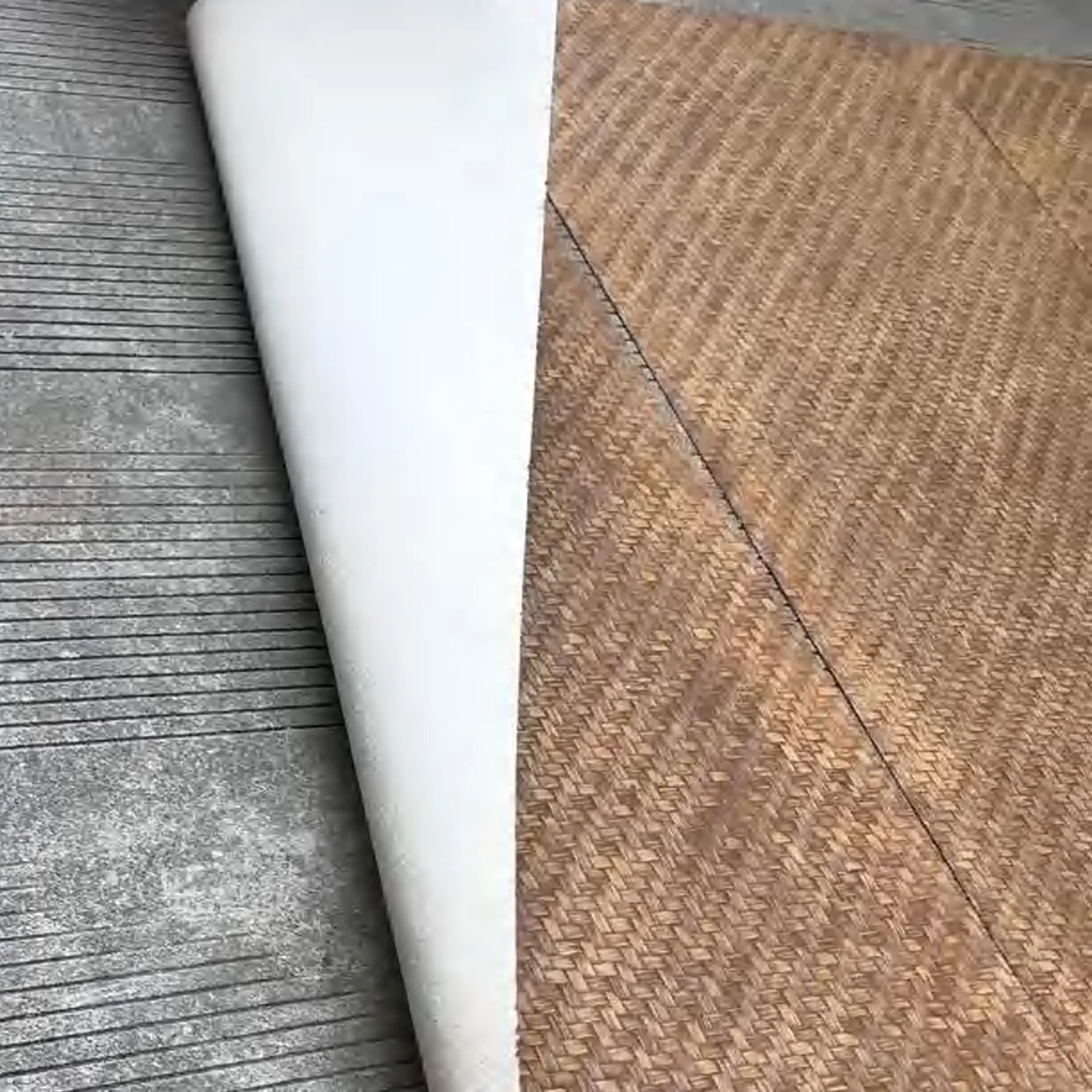
Daily life is messy: kids, pets, moving furniture, the occasional spilled coffee. Bamboo mat board's hard, smooth surface resists scratches and stains better than most wood panels. A quick wipe with a damp cloth is usually all it takes to clean up spills, whereas wood might require special cleaners or refinishing to hide marks. Over time, wood panels can fade from sunlight or develop a "patina"—which some people love for its rustic charm, but others see as a sign of aging. Bamboo mat board, with its uniform color and density, holds its hue longer, maintaining that "new" look for years.
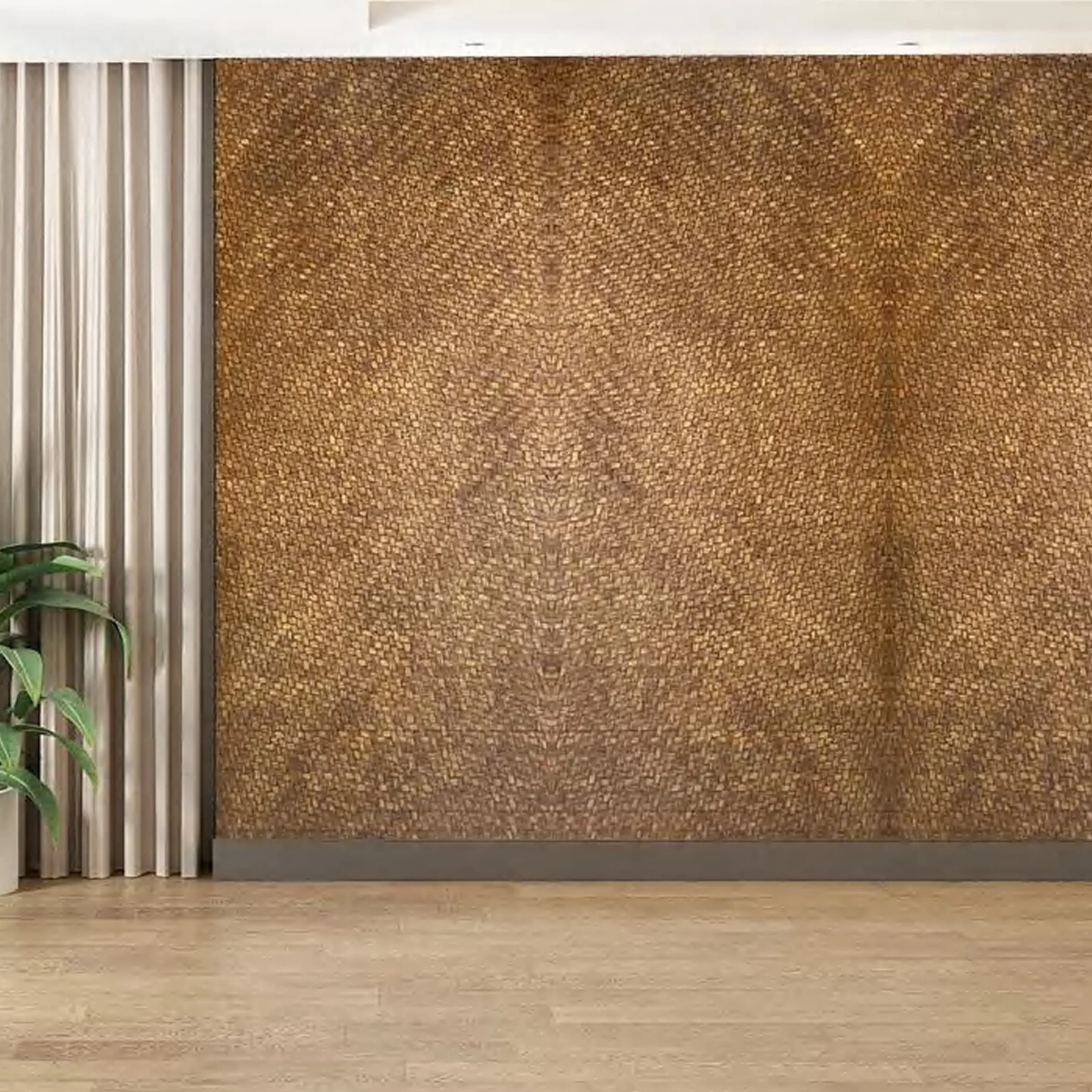
Of course, no material choice is just about durability—it's about how it makes a space feel. Bamboo mat board brings a modern, earthy vibe with its subtle woven texture. It pairs beautifully with minimalist designs, adding warmth without overwhelming a room. It's also surprisingly versatile: stained, painted, or left natural, it adapts to styles from bohemian to industrial.
Wood panels, meanwhile, offer that timeless, organic beauty that's hard to replicate. The unique grain patterns in each panel tell a story, making them perfect for spaces where character is key—a cozy cabin, a traditional dining room, or a boutique hotel lobby. But that uniqueness comes with a trade-off: inconsistency. No two wood panels are exactly alike, which can be charming, but frustrating if you're aiming for a uniform look.
Sustainability is another angle. Bamboo's rapid growth and minimal need for pesticides make bamboo mat board a greener choice than slow-growing hardwoods. For eco-conscious builders or homeowners, that's a big plus. Wood panels can be sustainable too—if sourced from FSC-certified forests—but they still require more resources to grow and harvest.
So, when should you reach for bamboo mat board, and when is wood the way to go?
Bamboo Mat Board is your go-to for high-traffic, high-moisture, or high-stress spaces: kitchen backsplashes, bathroom walls, kids' playrooms, commercial offices, or outdoor patios (with proper sealing). It's also a smart choice for furniture that gets heavy use—think dining tables, bookshelves, or entryway benches.
Wood Panels thrive in low-moisture, low-traffic areas where aesthetics take center stage: living room accent walls, bedroom headboards, custom cabinetry, or decorative ceiling panels. They're also ideal for projects where that classic wood look is non-negotiable, like restoring a historic home or creating a rustic café interior.
And if you're torn? Some designers mix the two: bamboo mat board for durable baseboards or wainscoting, paired with wood panel accents for warmth. It's the best of both worlds.
At the end of the day, there's no "perfect" material—only the perfect material for your needs. Bamboo mat board impresses with its strength, longevity, and sustainability, making it a standout for practical, high-use spaces. Wood panels, with their timeless beauty and character, are unbeatable when aesthetics and tradition matter most.
Whether you're building a new home, renovating a room, or designing a commercial space, consider the life your panels will lead. Will they face daily chaos, moisture, or pests? Bamboo mat board might be your workhorse. Are you chasing that cozy, one-of-a-kind charm? Wood panels could be your soulmate. Either way, knowing the strengths (and quirks) of each material will help you choose something that not only looks good today but stands the test of time tomorrow.
Recommend Products












