
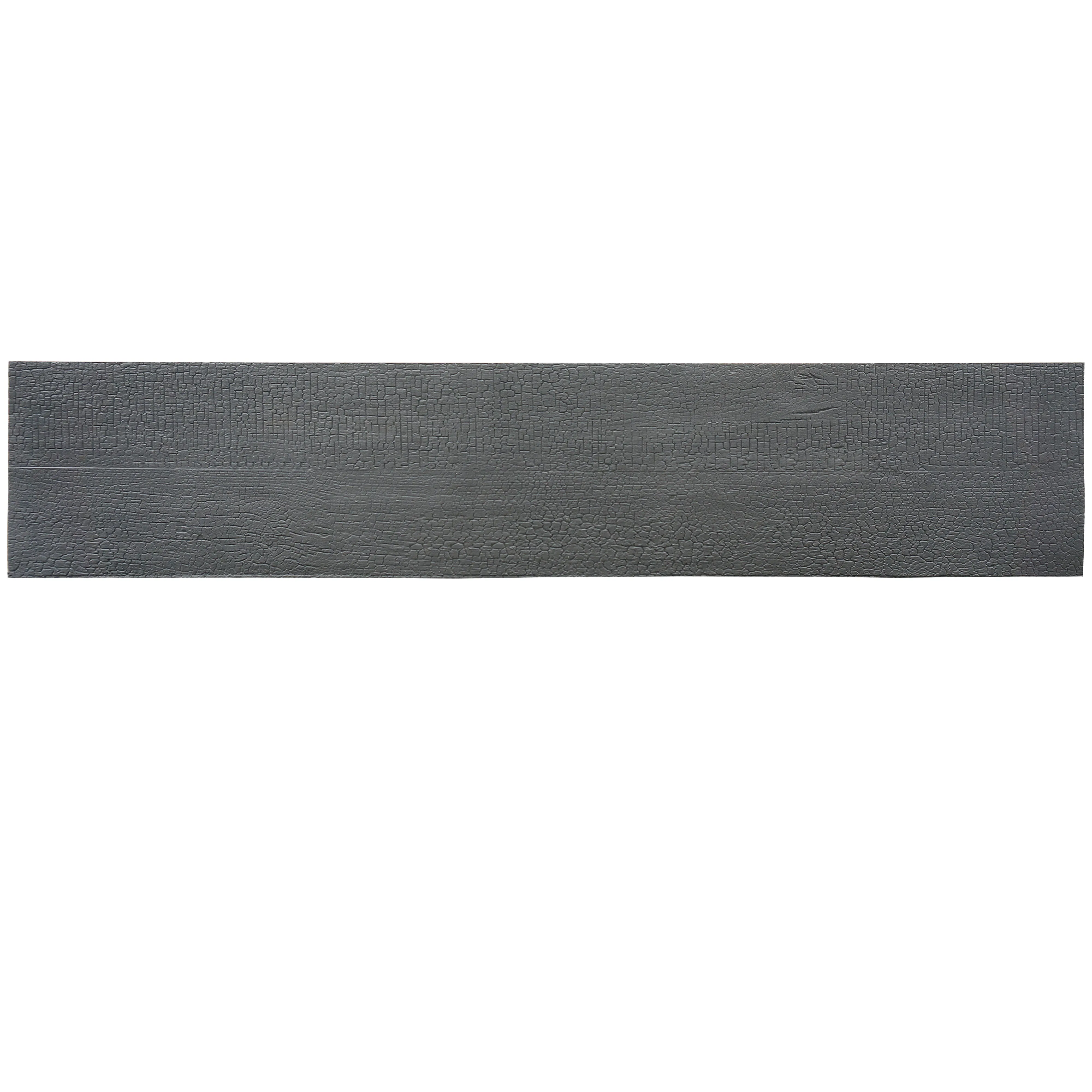
If you're in the middle of a home renovation or building project, you've probably realized that choosing the right materials isn't just about looks—it's about balancing aesthetics with budget. One material that's been turning heads lately is charcoal burnt wood board. With its rich, smoky finish and rustic charm, it's no wonder homeowners and designers are drawn to it. But before you commit, you're probably asking: How much does it actually cost to install? Let's break it down, from materials to labor, and even compare it to other popular options like wood concrete board and rough granite stone. By the end, you'll have a clear picture of what to expect.
Before we dive into costs, let's make sure we're all on the same page about what charcoal burnt wood board is. You might have heard it called by its traditional name, shou sugi ban —a Japanese technique where wood is burned to enhance its durability and appearance. The process involves charring the wood's surface with a torch, which creates a layer of carbon that resists rot, pests, and weathering. The result? A striking, textured finish that ranges from deep ebony to charred amber, depending on how long it's burned and whether it's brushed or sealed afterward.
People love it for both interior (accent walls, fireplace surrounds) and exterior (siding, fences) projects. It's not just about looks, though—this stuff is tough. The charring process makes it more resistant to moisture than untreated wood, which means it lasts longer, even in humid or rainy climates. But as with any specialty material, that durability and unique aesthetic come with a cost. Let's unpack that.
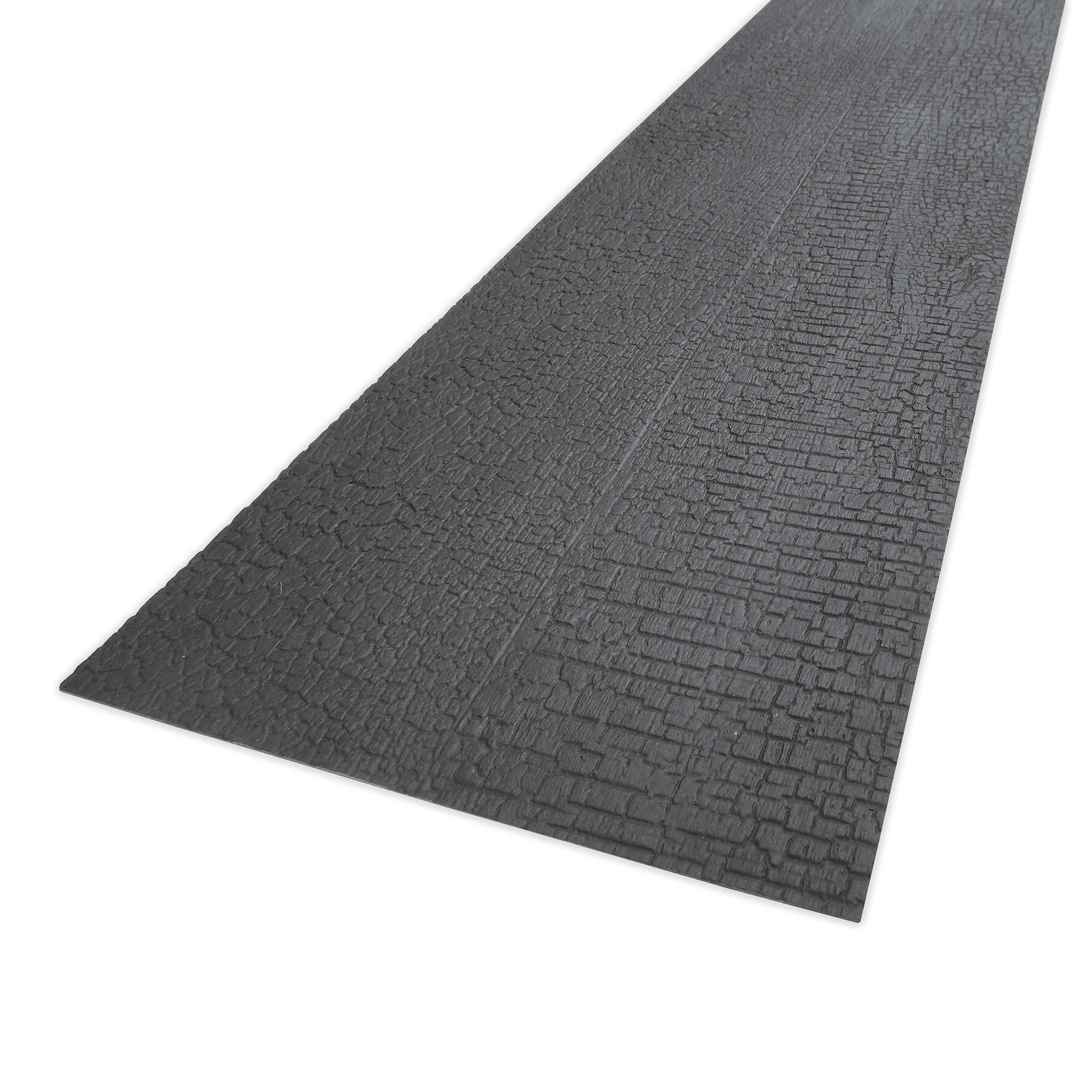
The first chunk of your budget will go toward the charcoal burnt wood board itself. Here's the thing: prices can vary pretty widely based on a few factors. Let's break them down so you know what to watch for.
Not all charcoal burnt wood boards are created equal. Lower-cost options might use softer woods like pine, which are easier to burn but less durable over time. Higher-end boards often use hardwoods like cedar, cypress, or oak—these are denser, burn more evenly, and stand up better to wear and tear. Unsurprisingly, hardwoods cost more. For example, a 1x6x8-foot cedar shou sugi ban board might run you $15–$25, while a pine one could be $8–$12. Thickness matters too: a ¾-inch thick board is standard for walls, but if you're using it for siding or flooring, you might need 1-inch or thicker, which adds $3–$7 per square foot.
Where you buy it makes a difference. Big-box home improvement stores might carry basic pine or fir options, but for specialty hardwoods or custom finishes, you'll likely need to go through a lumberyard or a supplier that specializes in shou sugi ban. These suppliers often charge more, but you get better quality control and sometimes custom sizing. For example, a local lumberyard might charge $4–$8 per square foot for standard cedar boards, while an online specialty supplier could be $7–$12 per square foot for the same material. Pro tip: If you're ordering online, factor in shipping costs—wood is heavy, and shipping can add $100–$300 to your order, depending on how much you buy.
Like most building materials, buying in bulk can save you money. If you're doing a large project (say, 500+ square feet of siding), suppliers will often knock 10–15% off the per-square-foot price. For example, if the retail price is $6 per square foot, buying 500 sq.ft might bring it down to $5.10–$5.40 per sq.ft. Smaller projects (under 100 sq.ft) usually don't qualify for discounts, so you'll pay full price.
So, putting it all together: the average material cost for charcoal burnt wood board is $5–$12 per square foot . For a 200 sq.ft accent wall, that's $1,000–$2,400 just for the boards. But remember, this is just the starting point—you'll also need fasteners, sealant, and possibly underlayment, which can add another $1–$3 per square foot.
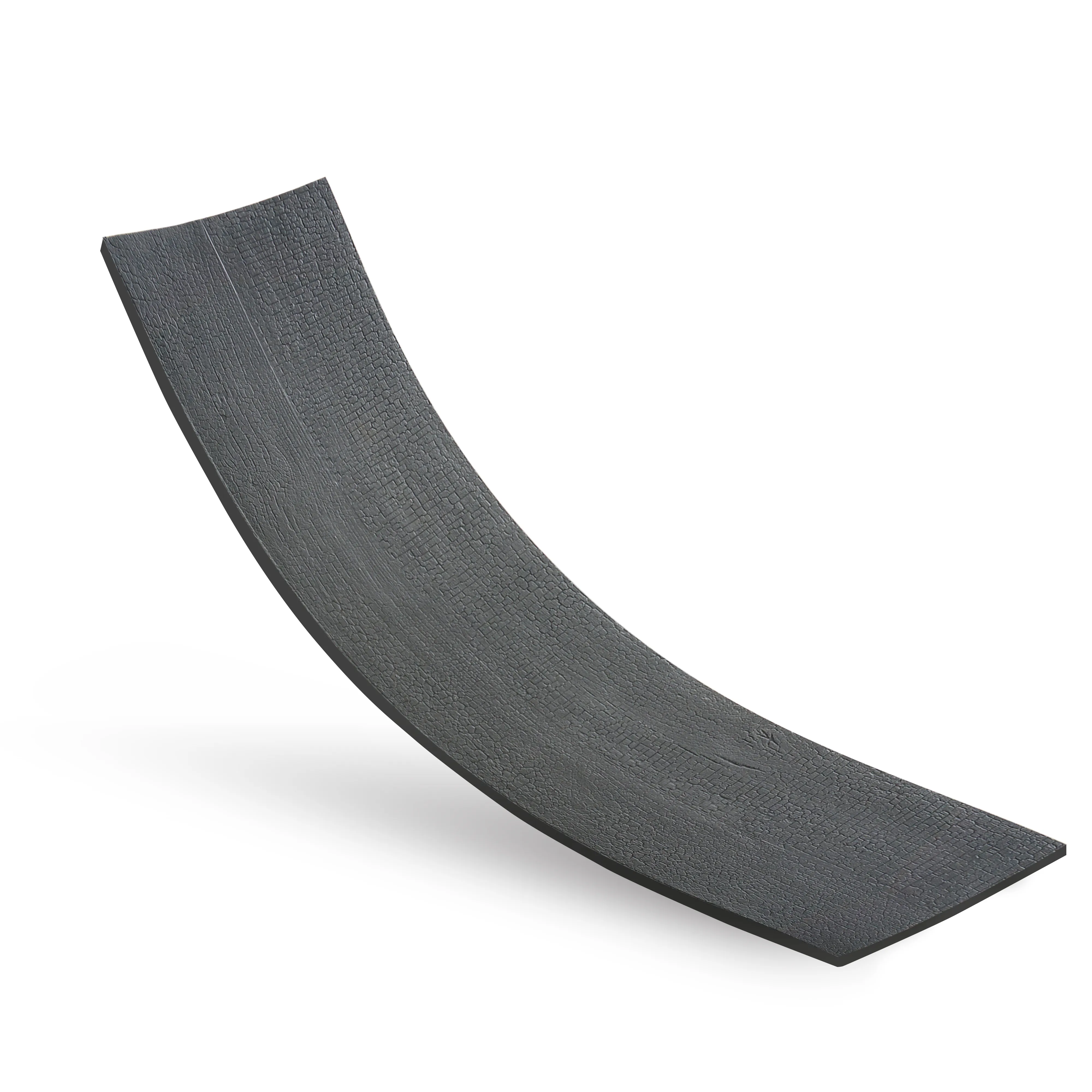
Here's where many people underestimate the total cost: labor. Installing charcoal burnt wood board isn't as simple as hanging drywall or standard wood paneling. It requires skill to handle the charred surface without damaging it, and precision to get the look right. Let's break down what drives labor costs.
Before the first board goes up, the surface underneath needs to be prepped. If you're installing over drywall, that might mean sanding, priming, or adding a moisture barrier (especially for bathrooms or exteriors). For exterior projects, the wall or frame must be level and structurally sound—any gaps or unevenness will show through the charred wood. Prep work can take 1–2 hours per 100 sq.ft, and labor rates for this range from $40–$80 per hour, depending on your location.
Charcoal burnt wood is brittle along the charred edges, so cutting it requires care. Installers often use carbide-tipped saw blades to avoid chipping the charred layer, and they might need to make intricate cuts for outlets, windows, or corners. This takes time—more time than cutting regular wood. A skilled installer can handle about 25–40 sq.ft per hour for straightforward projects, but complex layouts (like herringbone patterns or custom angles) can drop that to 15–20 sq.ft per hour.
Where you live has a huge impact on labor costs. In high-cost areas like New York, Los Angeles, or San Francisco, you'll pay $70–$100 per hour for a skilled carpenter. In smaller cities or rural areas, rates might be $40–$60 per hour. For example, installing 200 sq.ft of charcoal burnt wood board in Chicago (average rate $65/hour) would take 5–8 hours (for cutting, fitting, and nailing), totaling $325–$520. In a smaller town with $50/hour labor, that same job would be $250–$400.
Most installers will seal the board after installation to protect the charred surface from fading or rubbing off. This involves brushing on a clear coat (polyurethane, linseed oil, or a specialty wood sealer) with a soft bristle brush—again, to avoid damaging the charred layer. Sealing adds another $0.50–$1.50 per square foot in labor, depending on whether it's a single coat or multiple coats.
All told, labor costs for charcoal burnt wood board installation typically range from $8–$15 per square foot . For that 200 sq.ft accent wall, you're looking at $1,600–$3,000 in labor. Add that to the materials cost, and you're at $2,600–$5,400 total for the project. Ouch, right? But how does that stack up against other materials you might be considering?
To get a sense of whether charcoal burnt wood board is a good value for you, it helps to compare it to similar materials. Let's look at three common alternatives: wood concrete board, rough granite stone, and rammed earth board. These are all used in similar projects (accent walls, exteriors), so they're fair comparisons.
| Material Type | Average Material Cost per sq.ft | Average Labor Cost per sq.ft | Total Cost per sq.ft | Key Considerations |
|---|---|---|---|---|
| Charcoal Burnt Wood Board | $5–$12 | $8–$15 | $13–$27 | High aesthetic appeal; moderate durability; best for low-moisture areas (interior walls, fences). |
| Wood Concrete Board | $3–$7 | $6–$10 | $9–$17 | Blend of wood fibers and concrete; more moisture-resistant than wood; heavier, requires sturdier framing. |
| Rough Granite Stone | $15–$25 | $12–$20 | $27–$45 | Extremely durable; natural stone look; very heavy, needs professional structural support. |
| Rammed Earth Board | $8–$15 | $10–$18 | $18–$33 | Earthy, textured finish; good insulation properties; labor-intensive to install. |
Let's dig into what this means. Wood concrete board, for example, is a budget-friendly alternative. It's made by mixing wood fibers with cement, so it has a similar texture to wood but is more water-resistant and fireproof. Its material cost is lower ($3–$7 per sq.ft), and labor is cheaper too because it's easier to cut and install than charred wood. For a 200 sq.ft wall, you'd pay $1,800–$3,400 total, which is $800–$2,000 less than charcoal burnt wood. But it lacks that deep, charred aesthetic—so you're trading cost for uniqueness.
On the flip side, rough granite stone is a luxury option. It's incredibly durable (it'll outlast your house) and has a timeless, natural look. But it's heavy—so heavy that you might need to reinforce your wall studs to support it. That adds to labor costs, and the material itself is pricey ($15–$25 per sq.ft). For 200 sq.ft, you're looking at $5,400–$9,000 total—way more than charcoal burnt wood. So if budget is a top priority, granite is probably out.
Rammed earth board is somewhere in the middle. Made from compressed soil, clay, and aggregates, it has a warm, earthy texture that's popular in modern rustic designs. Its material cost is similar to charcoal burnt wood ($8–$15 per sq.ft), but labor is higher because it's denser and harder to cut. For 200 sq.ft, you're looking at $3,600–$6,600 total—slightly more than charcoal burnt wood, but with better insulation properties. So if energy efficiency matters more than the charred look, it might be worth the splurge.
Let's put this all together with a few real-world scenarios. Every project is different, but these examples will give you a ballpark idea of what to expect.
Say you want to add a charcoal burnt wood accent wall in your living room—standard 8-foot ceiling, no windows or doors to work around. You choose mid-grade cedar boards (¾-inch thick) at $8 per sq.ft. Materials cost: $800. Prep work is minimal (sanding the drywall, adding a moisture barrier), and labor is straightforward. Installer charges $10 per sq.ft. Labor cost: $1,000. Sealing adds $1 per sq.ft: $100. Total: $1,900 .
For a garage or shed exterior, you'll need thicker, more durable boards (1-inch cedar) to withstand weather. Material cost: $10 per sq.ft ($5,000). Prep work includes installing furring strips to create an air gap (prevents rot), which adds $200 in materials and 2 hours of labor ($120). Labor for installation: $12 per sq.ft ($6,000). Exterior-grade sealant (needs 2 coats): $2 per sq.ft ($1,000). Total: $12,320 .
Fireplace surrounds require heat-resistant materials, so you'll need to use fire-rated charcoal burnt wood (yes, that's a thing—treated to withstand high temperatures). Material cost jumps to $15 per sq.ft ($750). Labor is more complex because you're cutting around the fireplace insert and ensuring a tight fit. Installer charges $15 per sq.ft ($750). Heat-resistant sealant: $3 per sq.ft ($150). Total: $1,650 .
Okay, so charcoal burnt wood board isn't the cheapest option—but that doesn't mean you can't find ways to trim costs. Here are a few practical tips:
At the end of the day, whether charcoal burnt wood board is worth the investment depends on your priorities. If you value unique, eye-catching design and don't mind paying a premium for durability and craftsmanship, it's hard to beat. Its rich, charred finish adds warmth and character that mass-produced materials just can't match. And because it's so durable, it's a long-term investment—you won't need to replace it as often as untreated wood.
But if budget is your top concern, or if you're looking for something easier to install yourself, there are cheaper alternatives (like wood concrete board) that still offer a rustic look. The key is to weigh the upfront cost against the long-term benefits (durability, aesthetics, resale value—homes with unique features like shou sugi ban often sell faster and for more money).
Whatever you decide, remember that installation costs are just one part of the equation. Take time to research suppliers, vet installers, and think about how the material will fit into your overall design. With a little planning, you can create a space that looks amazing and stays within budget. Happy building!
Recommend Products












