
Choosing the right exterior cladding for your home or commercial building is more than just a practical decision—it's about crafting a first impression, balancing aesthetics with longevity, and aligning with your values, whether that's sustainability, low maintenance, or timeless charm. Two materials that often top the list for discerning builders and homeowners are charcoal burnt wood board and fiber cement siding. One evokes the warmth of nature with a dramatic, artisanal edge; the other promises modern durability with versatile style. Let's dive into their nuances, strengths, and trade-offs to help you decide which one deserves a spot on your walls.
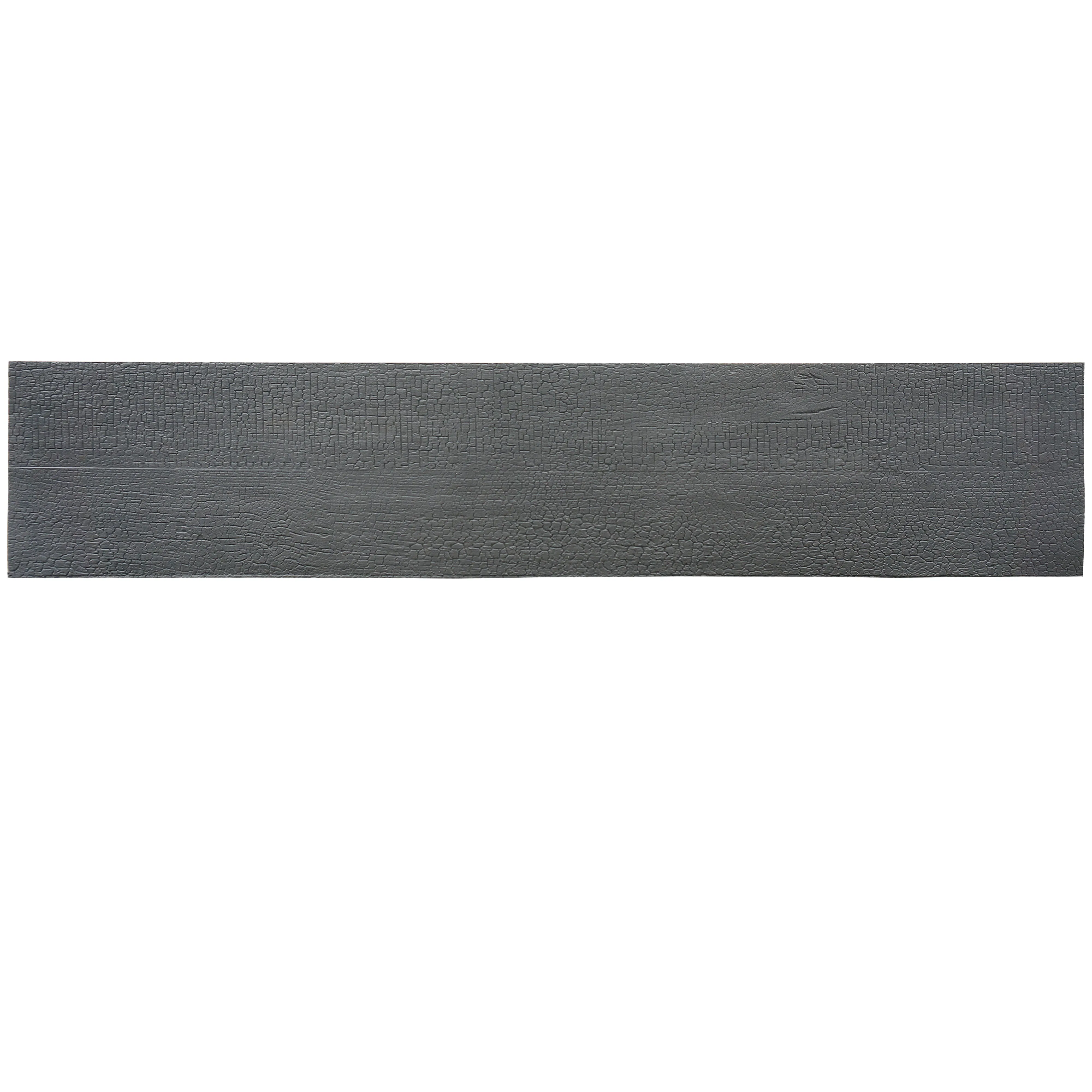
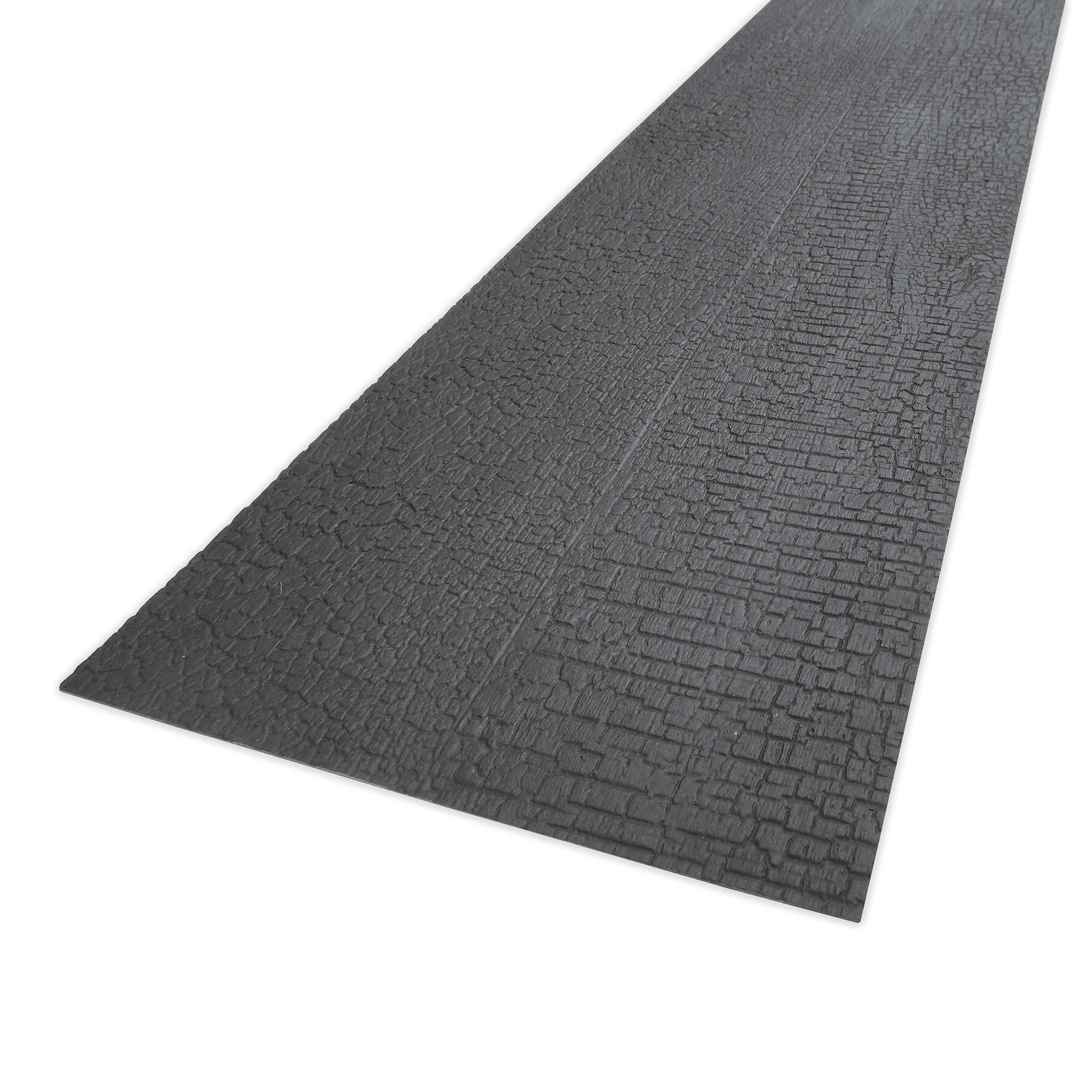
If you've ever seen a building with siding that looks like it's been gently charred—deep, smoky blacks giving way to hints of amber or chestnut underneath—you've likely encountered charcoal burnt wood board. This material isn't just wood with a coat of paint; it's wood that's been intentionally burned (often using techniques inspired by traditional Japanese shou sugi ban ) to enhance its durability and create a one-of-a-kind finish. The burning process chars the surface, sealing the wood against moisture, pests, and decay while preserving the natural wood grain board patterns that make wood so beloved. The result? A texture that's both rugged and refined, with color variations that tell the story of the flame's path across the wood.
Unlike mass-produced siding, each plank of charcoal burnt wood board has unique character: some areas might be deeply charred, others lightly singed, revealing the wood's natural warmth beneath. It's a material that ages gracefully, too—over time, the charred layer weathers slightly, softening the edges but maintaining its distinct personality. For those who crave organic, artisanal charm, this is hard to beat.
Fiber cement siding, on the other hand, is a product of modern engineering. Made from a blend of cement, sand, and cellulose fibers (think wood pulp), it's designed to mimic the look of natural materials—wood, stone, even fair-faced concrete —without their vulnerabilities. Developed in the early 20th century but popularized in recent decades, it's prized for its toughness: resistant to rot, fire, pests, and harsh weather, it's a favorite in regions with extreme temperatures, high humidity, or frequent storms.
What makes fiber cement versatile is its ability to take on different textures and finishes. Want the look of cedar shakes? There's a fiber cement panel for that. Prefer the sleek, understated vibe of fair-faced concrete ? You can find that too. It's a chameleon, blending into both traditional and contemporary designs, and it's often chosen for its "set-it-and-forget-it" reputation.
To truly understand how these two materials stack up, let's break down their performance in the areas that matter most to homeowners and builders: aesthetics, durability, maintenance, cost, and environmental impact. A quick comparison table will help visualize the trade-offs:
| Factor | Charcoal Burnt Wood Board | Fiber Cement Siding |
|---|---|---|
| Aesthetic Appeal | Organic, rustic charm with deep, charred tones and unique wood grain patterns. Varied texture from hand-burning creates one-of-a-kind character. | Versatile; mimics wood, stone, or fair-faced concrete with consistent texture. Less variation, but offers clean, uniform looks. |
| Durability | More resistant to decay than untreated wood, but still vulnerable to extreme moisture, cracking, or warping in harsh climates. Fire-resistant surface but can burn if the core is exposed. | Exceptionally durable: resists rot, pests, fire, and moisture. Withstands high winds, hail, and temperature swings. Rated to last 50+ years with proper installation. |
| Maintenance | Moderate maintenance: Requires annual cleaning (mild soap and water) and re-sealing every 3–5 years to prevent moisture penetration. May need occasional sanding to smooth rough edges. | Low maintenance: Occasional washing with a hose; repainting or re-staining every 10–15 years (if painted). No sealing or specialized treatments needed. |
| Cost | High upfront cost: $8–$15 per square foot (materials + labor for burning and installation). Labor-intensive production drives up prices. | Mid-range cost: $5–$10 per square foot (materials + installation). More affordable than real wood but pricier than vinyl or aluminum. |
| Environmental Impact | Potentially eco-friendly if sourced from FSC-certified wood. Burning process uses no chemicals, aligning with green building materials goals. However, wood is a renewable resource but requires careful forestry management. | Cement production has a high carbon footprint, but many brands use recycled materials. Long lifespan reduces replacement needs, offsetting some environmental impact. Check for green building materials certifications (e.g., LEED). |
| Installation | Requires skilled craftsmen to handle charred wood without damaging the surface. Nails must be carefully placed to avoid splitting. Heavier than standard wood siding. | Requires professional installation due to weight (heavier than vinyl). Specialized tools needed to cut panels without cracking. Easier to install in large, uniform sheets. |
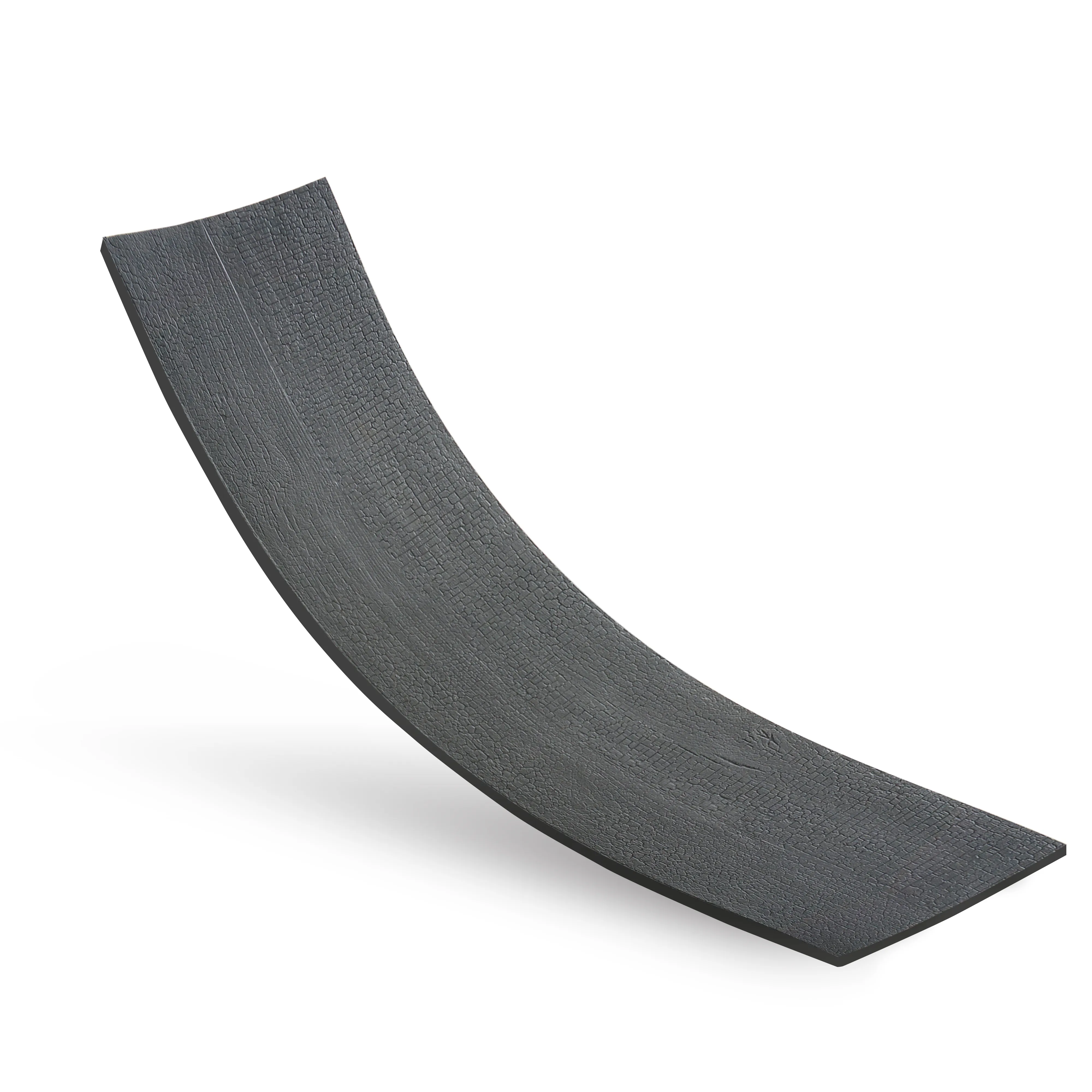
For many, the choice comes down to how the material makes a space feel . Charcoal burnt wood board exudes warmth and history. Its charred surface catches light in unexpected ways—deep blacks absorb sunlight, while the underlying wood grain shimmers with amber or gold undertones. It's a material that feels alive, with imperfections that tell a story: a knot here, a slight warp there, all reminders that it was once a living tree. If you're drawn to cabins, barn conversions, or homes with a "handmade" soul, this is the material for you.
Fiber cement, by contrast, offers consistency. Its texture is uniform, whether it's mimicking wood grain board or fair-faced concrete , which can be a plus for modern designs where clean lines and symmetry are key. It won't develop the same patina as wood over time, which some homeowners prefer—no surprises, just a reliable, steady look. However, critics argue it lacks the depth of real wood; up close, the texture can feel flat compared to the tactile richness of charred wood.
Let's talk about longevity. Charcoal burnt wood board is more durable than untreated wood, thanks to the charred layer that acts as a natural barrier against moisture and pests. In dry climates, it can last 20–30 years with proper maintenance. But in humid or rainy regions, it's more prone to issues: trapped moisture can seep through cracks in the charred layer, leading to rot or mold. It's also not immune to physical damage—hail or a stray baseball could chip the charred surface, exposing the vulnerable wood underneath.
Fiber cement, on the other hand, is a durability champion. It's impervious to termites, won't rot, and can withstand winds up to 150 mph (when properly installed). Fire ratings are impressive too: most fiber cement products are classified as non-combustible, making them a favorite in wildfire-prone areas. It's also resistant to warping, cracking, or fading, even in direct sunlight. For homeowners who want siding that outlasts their mortgage, fiber cement is hard to beat.
If you're someone who dreads home maintenance, fiber cement will likely appeal more. Its low-maintenance nature means you can spend weekends hiking instead of power-washing siding. A quick rinse with a hose once a year is usually enough to keep it clean, and if it's painted, you'll only need to repaint every 10–15 years (compared to 5–7 years for painted wood). No sealing, no sanding, no worrying about pest infestations—it's designed to be hassle-free.
Charcoal burnt wood board, while more durable than raw wood, still demands attention. The charred layer needs to be sealed every 3–5 years to prevent water from seeping in, and you'll need to inspect it annually for cracks or peeling char. If you live in an area with heavy rain or snow, you might find yourself touching up sealant more often. That said, many homeowners see this maintenance as a labor of love—it's a chance to connect with their home, preserving its beauty for years to come.
Budget is often a deciding factor, and here's where the two materials diverge. Charcoal burnt wood board is a premium choice, with upfront costs ranging from $8–$15 per square foot (including materials and the labor-intensive burning process). For a 2,000-square-foot home, that could mean $16,000–$30,000 just for siding. It's an investment, but proponents argue it adds value through its uniqueness and curb appeal.
Fiber cement is more budget-friendly, averaging $5–$10 per square foot installed. For the same 2,000-square-foot home, that's $10,000–$20,000—a significant savings. Over time, fiber cement's lower maintenance costs (no sealing, fewer repairs) can widen the gap even more. If you're looking for value without sacrificing quality, fiber cement is the clear winner here.
Sustainability is increasingly important to homeowners, and both materials have pros and cons in this area. Charcoal burnt wood board, when sourced from FSC-certified forests (which ensure responsible logging practices), is a renewable resource. The burning process uses no chemicals, relying instead on fire to preserve the wood—a low-impact method that aligns with green building materials principles. However, wood production still requires energy, and if not sourced sustainably, it can contribute to deforestation.
Fiber cement's eco-profile is more mixed. Cement production is carbon-intensive, releasing CO2 into the atmosphere. That said, many manufacturers now use recycled materials (like fly ash, a byproduct of coal power plants) to reduce their environmental footprint. Additionally, fiber cement's long lifespan means less frequent replacement, which cuts down on waste over time. Some brands even carry green building materials certifications, like LEED, for their reduced environmental impact.
Ultimately, the "greener" choice depends on your priorities: supporting renewable resources (charcoal burnt wood) or minimizing long-term waste (fiber cement).
Still on the fence? Let's look at a few hypothetical scenarios to see which material shines in different contexts:
Imagine a cozy cabin nestled among pine trees, with a stone chimney and a porch swing. For this setting, charcoal burnt wood board would be a natural fit. Its organic texture and warm tones complement the surrounding nature, and the charred finish adds a touch of ruggedness that feels right at home in the wilderness. Maintenance is manageable here, too—since the cabin might be a weekend retreat, you can schedule sealing and inspections during visits.
Coastal homes face salt air, high humidity, and the occasional storm—tough conditions for wood. Fiber cement siding would be the smarter choice here. Its resistance to moisture and rot means you won't have to worry about peeling paint or rotting boards after a hurricane. Plus, with fiber cement panels mimicking fair-faced concrete or smooth stone, you can achieve that sleek, modern look without sacrificing durability.
Restoring a 1920s bungalow? Historic preservation often calls for materials that honor the home's original character. Charcoal burnt wood board, with its handcrafted feel, can evoke the craftsmanship of a bygone era, especially if the home originally had wood siding. Fiber cement, while durable, might feel too "new" for a historic property—though some manufacturers offer vintage-inspired textures that could work if wood isn't feasible.
If you want to minimize costs but still prioritize green building materials , fiber cement could be the way to go. Look for brands that use recycled content and have low-VOC finishes, and pair it with energy-efficient windows and insulation to boost your home's eco-credentials. Charcoal burnt wood, while sustainable, might stretch the budget too thin for a cost-sensitive project.
At the end of the day, there's no "better" material—only the one that aligns with your values, budget, and vision for your space. Charcoal burnt wood board is for those who crave uniqueness, warmth, and a connection to nature, and who don't mind putting in a little extra effort to maintain its beauty. Fiber cement is for the practical homeowner who wants durability, versatility, and low maintenance, without sacrificing style.
If you're still torn, consider a hybrid approach: Use charcoal burnt wood board as an accent (on a gable or entryway) to add warmth, and fiber cement for the main siding to keep maintenance and costs in check. It's a way to have the best of both worlds—proof that when it comes to cladding, creativity can bridge the gap between tradition and modernity.
Whichever you choose, remember: The best siding is the one that makes you excited to come home. Whether it's the fire-kissed charm of charcoal burnt wood or the reliable versatility of fiber cement, your walls should reflect the story you want to tell.
Recommend Products












