
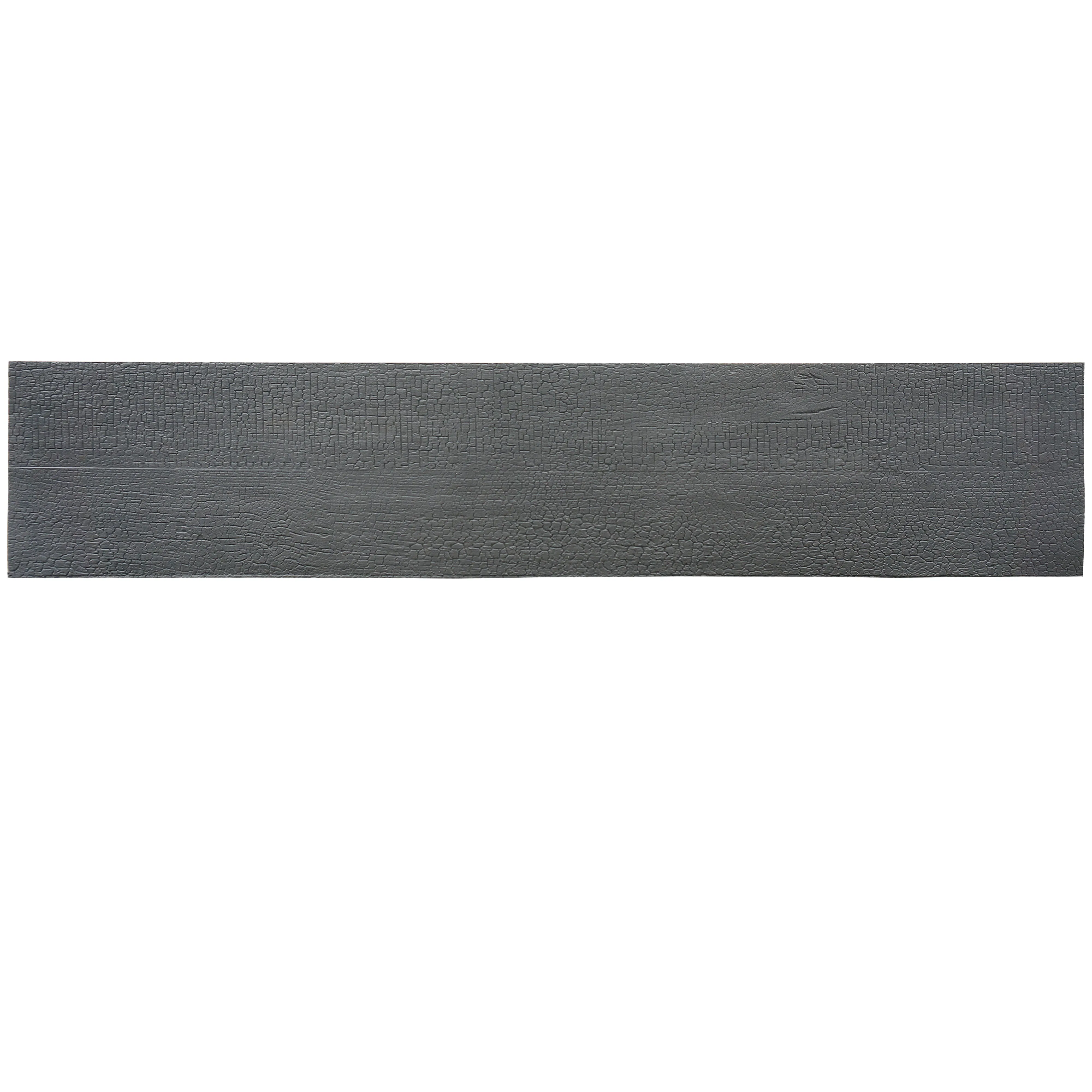
Buildings are more than just walls and roofs—they're the backdrops to our lives. The materials we choose to clothe them with shape not only their look and feel but also the health of our planet. In an era where "sustainability" has shifted from buzzword to imperative, two materials stand out in the world of construction: Charcoal Burnt Wood Board and natural timber. Both carry the warmth of wood, but their environmental stories are as distinct as their textures. Let's dive in, not as critics, but as curious stewards, to understand which might better honor the earth we call home.
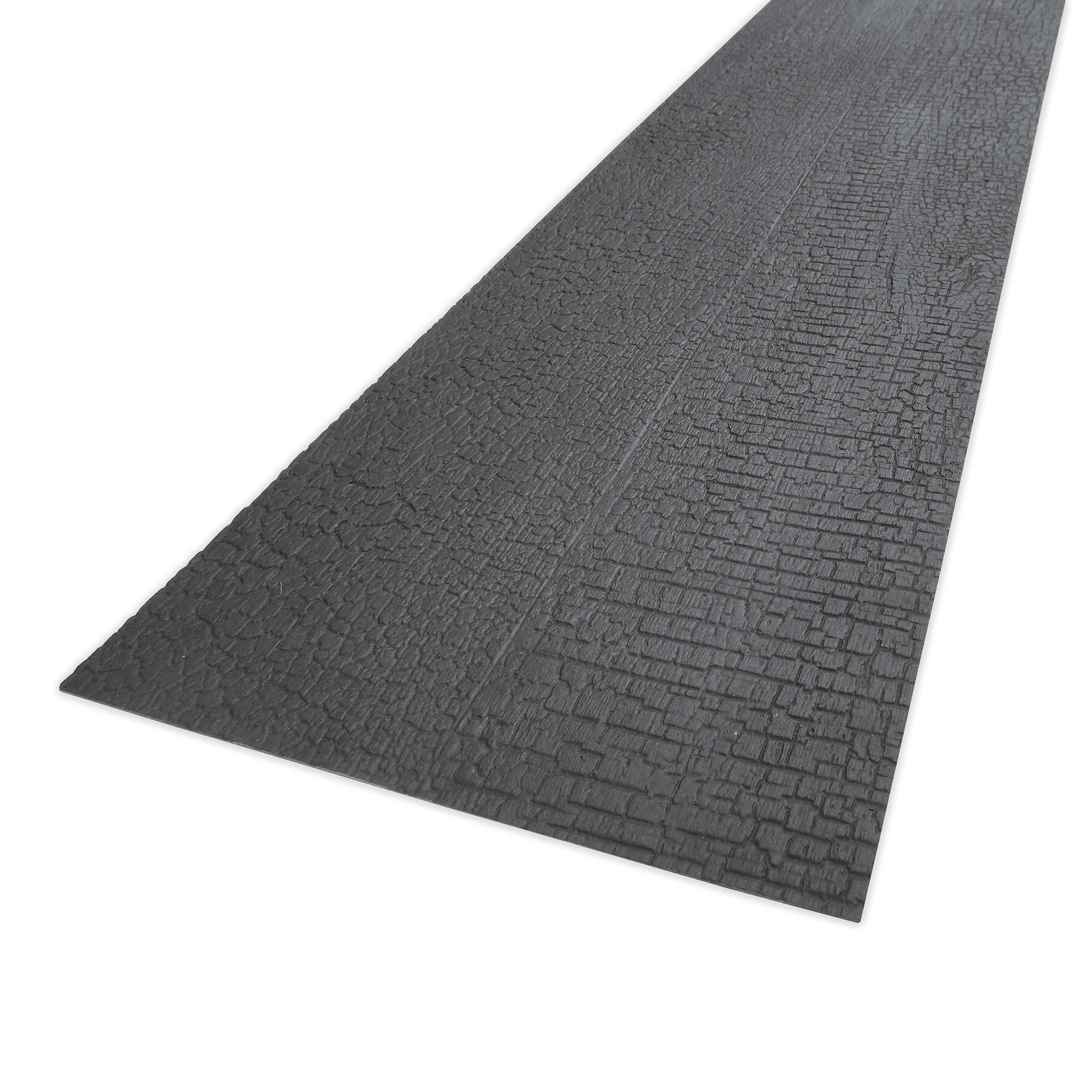
If you've ever run your hand over a piece of wood that feels both rugged and refined, with deep, smoky hues and a subtle, earthy scent, you might have encountered Charcoal Burnt Wood Board (CBWB). It's a modern twist on an ancient technique—think of it as wood with a story. Inspired by traditional Japanese shou sugi ban , CBWB is created by charring wood surfaces at high temperatures, a process that caramelizes the wood's natural sugars, hardens its fibers, and infuses it with a striking, almost sculptural appearance.
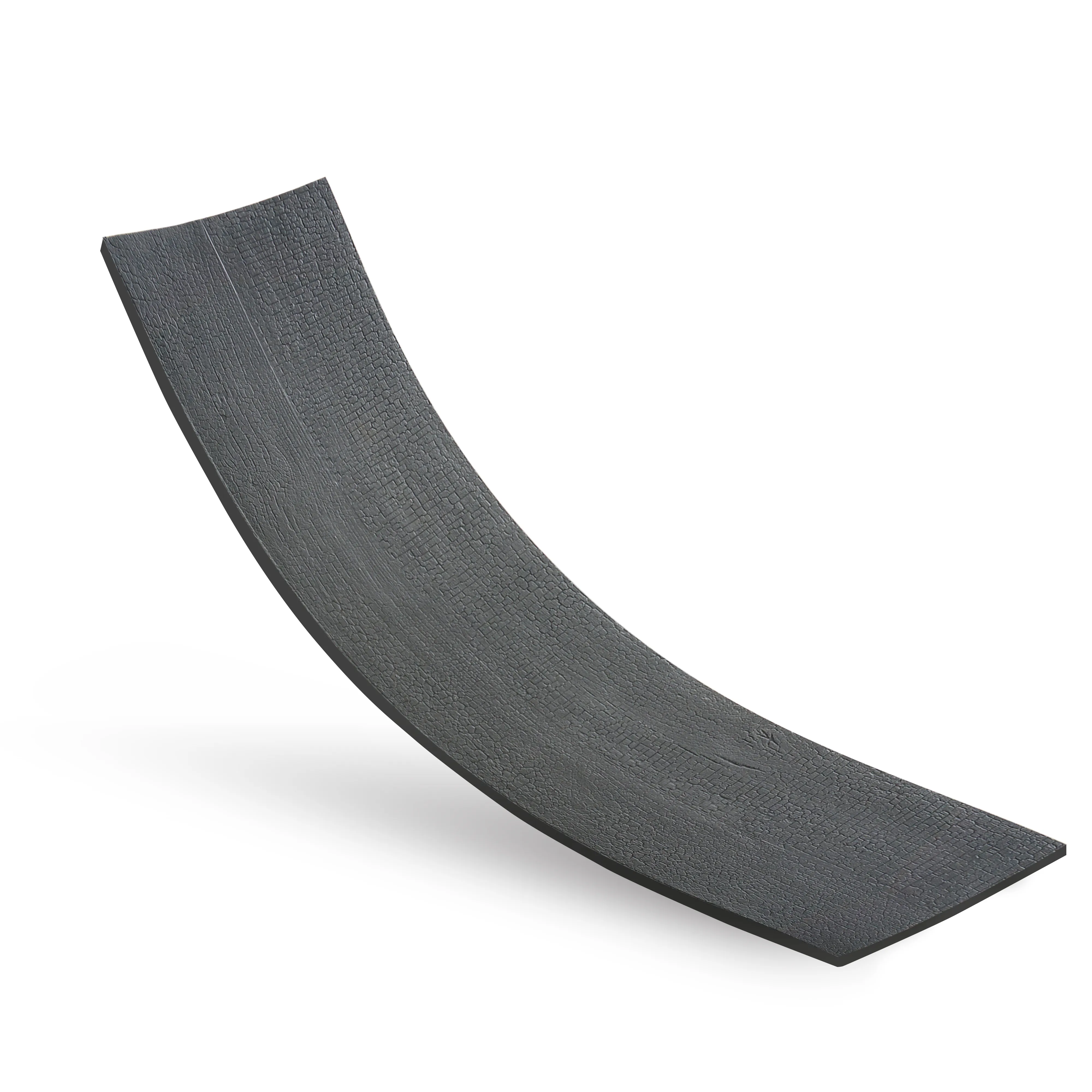
But this isn't just about aesthetics. The charring acts as a built-in shield: it repels moisture, resists pests, and stands up to harsh weather without relying on toxic chemicals. Many manufacturers take it a step further, using reclaimed wood or fast-growing species like bamboo or pine, turning what might have been waste into something durable. It's wood, reimagined—not just for beauty, but for resilience.
Natural timber needs no introduction. It's the oak beam in a centuries-old cottage, the pine floor under your feet, the cedar deck where you sip morning coffee. There's a reason it's been a building staple for millennia: it's renewable, biodegradable, and carries an unmatched warmth. When you choose natural timber, you're choosing a material that breathes, ages gracefully, and connects us to the natural world in a tangible way.
But here's the catch: not all timber is created equal. Old-growth forests, with their irreplaceable biodiversity, are still being logged for high-end wood. Even sustainably harvested timber often requires energy-intensive processing—sawing, drying (which can guzzle fossil fuels), and treatments with pesticides or preservatives to fend off decay. And then there's transportation: a slab of teak from Southeast Asia or walnut from North America might rack up thousands of miles before reaching a construction site, leaving a trail of carbon in its wake.
Comparing CBWB and natural timber isn't about declaring a "winner"—it's about understanding trade-offs. Let's break down their environmental impact, from forest to facade.
Natural timber's biggest strength—and challenge—is its source: trees. A single mature tree can take decades, even centuries, to grow, and while sustainable forestry certifications (like FSC) ensure responsible harvesting, demand still outpaces regrowth in many regions. Clear-cutting, even for "sustainable" plantations, disrupts ecosystems, displaces wildlife, and erodes soil. It's a delicate balance: we need wood, but we also need forests to absorb carbon and regulate our climate.
CBWB, by contrast, often sidesteps this tension. Many producers use reclaimed wood—scraps from construction sites, old barns, or furniture—or fast-growing species like poplar or bamboo, which can reach maturity in 5–10 years. This reduces pressure on old-growth forests and turns "waste" into value. Imagine a pile of discarded wood planks, once destined for a landfill, now transformed into a weather-resistant cladding for a community center. That's CBWB in action: resourcefulness over resource depletion.
Processing natural timber is surprisingly energy-heavy. After felling, logs are transported to mills, sawn into planks, and dried—often in kilns that burn natural gas or coal. Then come treatments: stains, sealants, and pesticides to protect against rot and bugs, many of which contain volatile organic compounds (VOCs) that off-gas into our air. A 2022 study by the Journal of Sustainable Forestry found that conventional timber processing can emit up to 1.2 tons of CO2 per cubic meter, depending on the species and location.
CBWB's charring process, while energy-intensive upfront, cuts out many of these steps. The charring itself is a natural preservative—no need for toxic chemicals. Some manufacturers even power their kilns with biomass (like wood scraps from the process) or solar energy, slashing fossil fuel use. The result? A manufacturing footprint that's often 30–50% lower than conventional timber, according to industry reports. It's not zero-impact, but it's a step toward harmony.
A material's true sustainability lies in how long it lasts. A deck that rots after five years isn't "green"—it's just temporary. Natural timber, while beautiful, demands care: annual sealing, staining, or painting to fend off moisture and pests. Even with maintenance, it might need replacement every 10–15 years, especially in harsh climates. Each replacement means more wood harvested, more energy used, more waste generated.
CBWB, thanks to its charred surface, is a workhorse. The carbonized layer acts as armor, resisting rot, mold, and termites. In tests, it's lasted 25–30 years outdoors with minimal upkeep—no annual sealing, no chemical treatments. That longevity translates to less waste: one CBWB panel might outlive two or three natural timber panels, reducing the total resources needed over a building's lifetime. It's not just about "buying once"—it's about building for the long haul.
Every material reaches the end of its useful life. Natural timber, being organic, biodegrades—if it's not treated with chemicals. A rotting wooden beam can return to the earth as compost, feeding soil and closing the loop. But if it's been stained or painted with toxic formulas, it becomes hazardous waste, destined for a landfill where it won't break down cleanly.
CBWB's end-of-life story is similar, but with a twist. Since it's often untreated (the charring is its only preservative), it biodegrades like natural wood. But its durability might also make it ripe for repurposing: an old CBWB cladding panel could become a garden bed, a bench, or even art. It's a material that refuses to be disposable—a fitting trait for a product rooted in resilience.
| Factor | Natural Timber | Charcoal Burnt Wood Board |
|---|---|---|
| Resource Use | Relies on slow-growing trees; risk of deforestation. | Often uses reclaimed or fast-growing wood; lower forest impact. |
| Manufacturing Emissions | Higher (drying, chemical treatments, transportation). | Lower (minimal chemicals, often uses renewable energy). |
| Lifespan | 10–15 years (outdoors, with maintenance). | 25–30 years (outdoors, minimal maintenance). |
| End-of-Life | Biodegradable (if untreated); hazardous (if treated). | Biodegradable; often repurposable. |
Sustainability isn't just about choosing between two woods—it's about seeing the bigger picture. Both CBWB and natural timber have roles to play in green building materials , but their best uses might differ.
Natural timber shines indoors, where its warmth and grain can transform a room into a sanctuary. Think: hardwood floors in a home, a live-edge dining table, or exposed beams in a cabin. When sourced locally and certified sustainable, it's a beautiful, low-carbon choice—just keep it away from harsh weather to maximize its lifespan.
CBWB, with its rugged durability, is a star outdoors. It's perfect for exterior cladding, decks, fences, or even outdoor furniture—places where weather and wear would test natural timber. It also pairs surprisingly well with other sustainable materials, like fair-faced concrete or wood concrete board , adding texture to modern designs without sacrificing eco-credentials. Imagine a community library with CBWB accents and fair-faced concrete walls: a blend of warmth and strength, built to last.
At the end of the day, choosing between CBWB and natural timber isn't about "better" or "worse"—it's about what matters most to you. Do you prioritize the raw, unfiltered beauty of natural wood, and are willing to invest in sustainable sourcing and maintenance? Or do you lean into innovation, choosing a material that repurposes waste, minimizes upkeep, and stands strong against time?
For me, the power of Charcoal Burnt Wood Board lies in its story of adaptation. It takes an ancient technique, honors it, and reimagines it for a world that can't afford waste. It's wood with a conscience—proof that sustainability and beauty don't have to be trade-offs. Natural timber, too, has its place, a reminder of nature's generosity. But in a world where every choice echoes, CBWB whispers a promise: we can build with the earth, not at its expense.
So the next time you walk past a building with wooden walls, pause. Feel the texture, breathe in the scent, and ask: What story does this material tell? And is it a story we want to keep writing?
Recommend Products












