
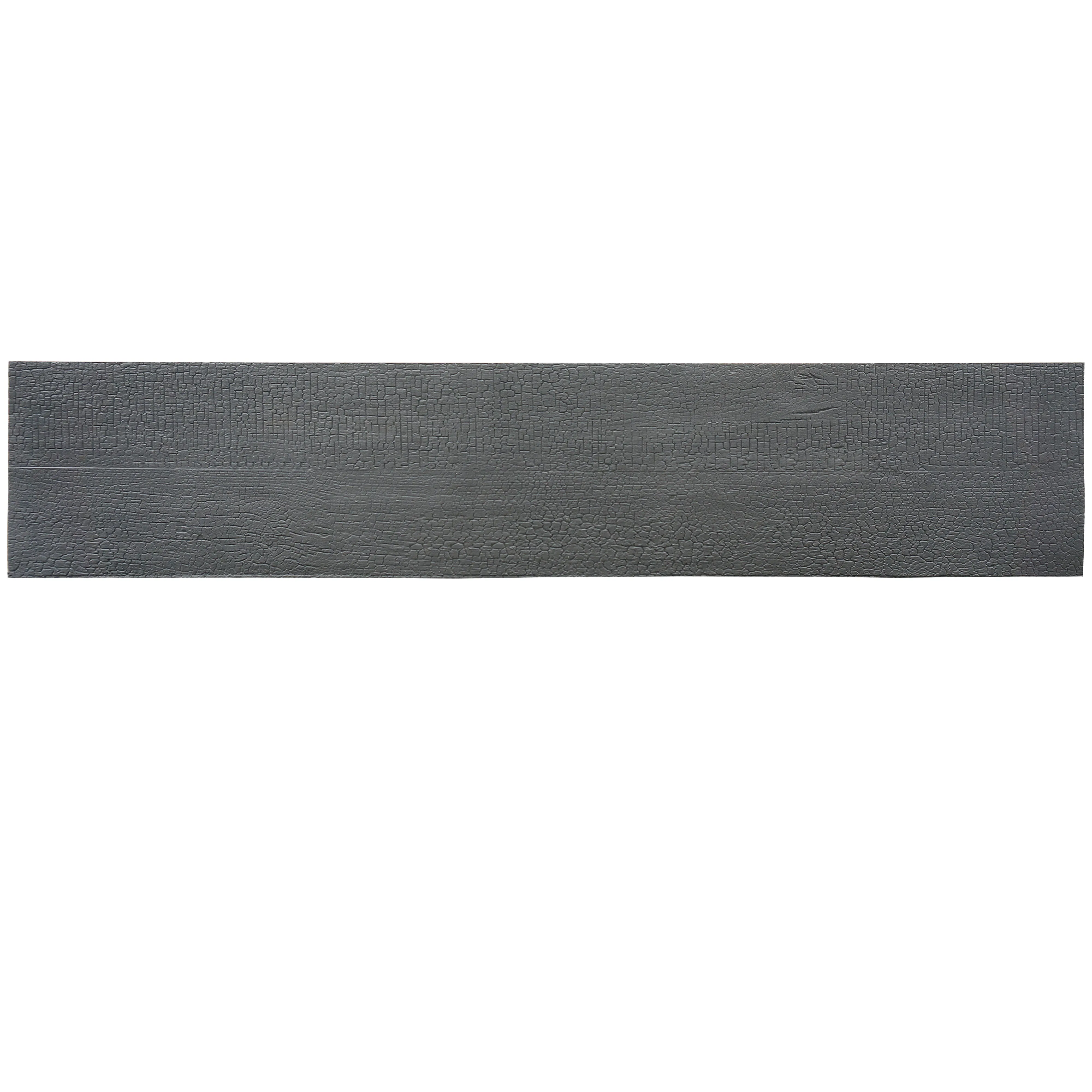
Every space tells a story, and the materials we choose are its most vivid words. They shape how we feel when we step into a room—whether we're wrapped in warmth, grounded by timelessness, or sparked by innovation. Two materials that have been stealing the spotlight in contemporary design are Charcoal Burnt Wood Board and stone veneer (think travertine, rust board, or even textured options like lunar peak series). Each brings a distinct personality to walls, facades, and interiors, but how do they stack up when it comes to aesthetics and real-world performance? Let's dive in.
Charcoal Burnt Wood Board, rooted in ancient techniques like Japan's shou sugi ban, marries tradition with modern durability. Its charred surface isn't just a visual statement; it's a layer of protection, born from fire and refined by craft. On the other side, stone veneer—materials like travertine with its organic pores or rust board with its weathered edge—draws from the earth's own palette, offering a sense of permanence that's been coveted for centuries. Whether you're designing a cozy café, a sleek office, or a home that feels both rustic and refined, the choice between these two can transform the entire narrative of your space.
Aesthetics aren't just about "looking good"—they're about evoking emotion. Let's break down how Charcoal Burnt Wood Board and stone veneer speak to our senses.
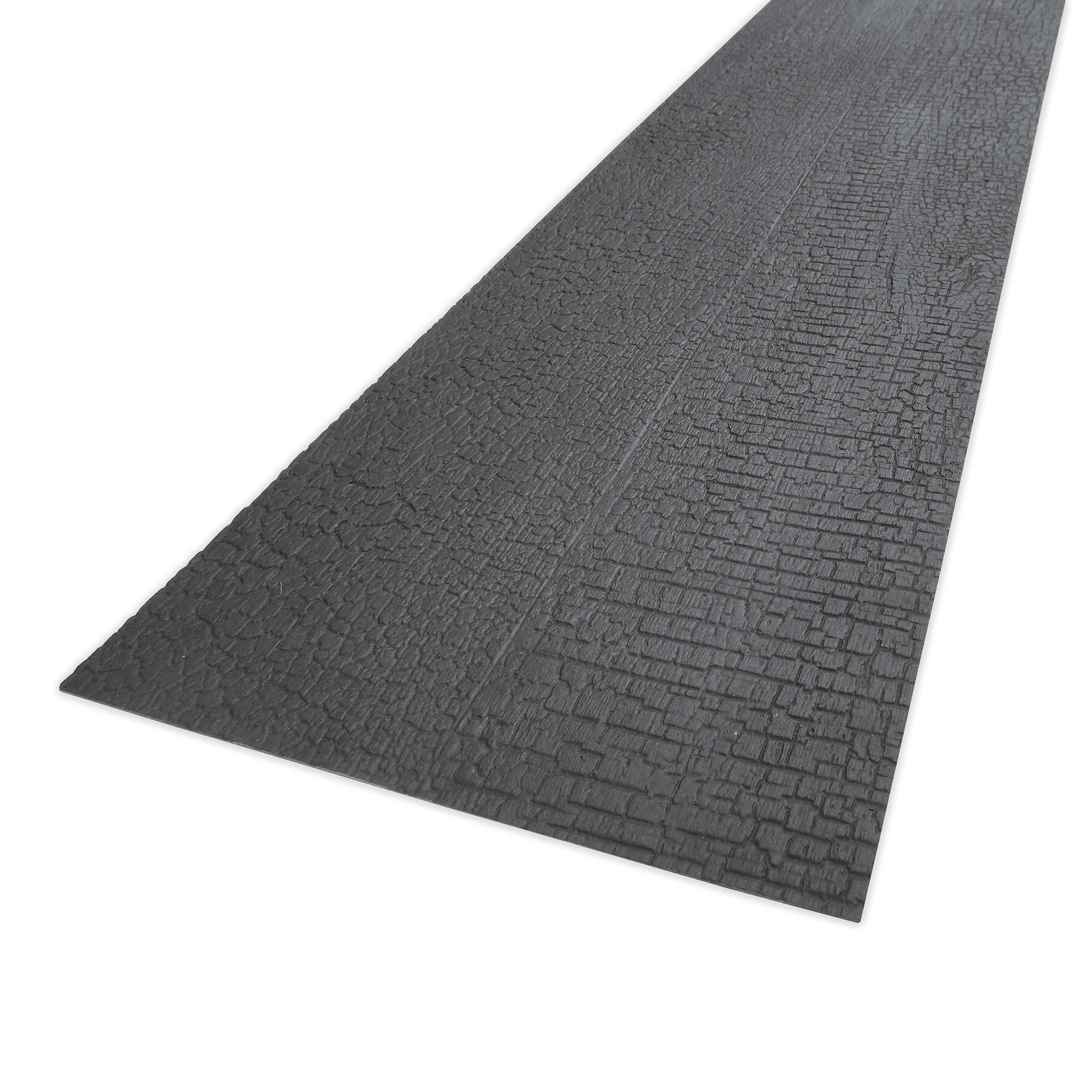
Run your hand along a Charcoal Burnt Wood Board, and you'll feel a story of transformation. The surface, darkened by controlled charring, is a study in contrast: deep, inky blacks give way to smoky grays, and in some spots, where the char is thinner, hints of the wood's natural amber or chestnut peek through. This isn't uniform; it's alive with variation. Each board bears the unique marks of the flame—some with swirling patterns, others with linear scorches—making every piece a one-of-a-kind artwork.
Texture here is tactile and dynamic. Unlike smooth, polished surfaces, the charred layer has a rough, almost velvety quality, with tiny ridges and valleys that catch light differently throughout the day. Morning sun might turn it into a mosaic of shadow and shine, while evening lamplight softens it into a moody, intimate backdrop. It's a material that doesn't just sit there—it interacts with its environment.
Color-wise, Charcoal Burnt Wood Board is surprisingly versatile. While "charcoal" suggests black, the reality is a spectrum: from jet-black planks that exude drama to softer, gray-tinged pieces that feel more understated. Some artisans even leave edges lightly charred, letting the wood's natural grain—oak's swirling lines, pine's straight stripes—create a subtle, organic pattern beneath the dark exterior. It's warmth with an edge, perfect for spaces that want to feel both cozy and contemporary.
Stone veneer, by contrast, is a love letter to the earth. Take travertine , for example—a classic choice with a porous, honeycombed texture that feels like a slice of the planet's history. Its colors range from creamy ivory to warm beige, with veins of soft gold or rust that mimic the slow flow of mineral deposits over millennia. It's not just a surface; it's a window into geology.
Then there's rust board , a more industrial cousin. With its weathered, oxidized finish, it leans into imperfection—think splotches of burnt orange, deep red, and matte brown that look like they've been kissed by time. Unlike the organic chaos of travertine, rust board has a structured ruggedness, making it a favorite for lofts or commercial spaces aiming for an edgy, urban vibe.
Texture in stone veneer is bold but consistent. Travertine's pitted surface invites touch, while smoother options like fair-faced concrete (though not stone, a common veneer alternative) offer a sleek, minimalist contrast. The key here is uniformity with character—you won't get the same wild variation as Charcoal Burnt Wood, but you will get a sense of solidity, like the material has been there for ages and will stay for ages more.
Looks matter, but a material's true worth is tested by how it holds up in the real world. Let's compare durability, installation, maintenance, and sustainability—because great design shouldn't just please the eye; it should work for life.
Charcoal Burnt Wood Board's claim to fame is its resilience. The charring process (often done with a torch or controlled flame) creates a layer of carbon that's naturally resistant to rot, insects, and even fire. In fact, in traditional Japanese homes, shou sugi ban was used to protect wood from coastal humidity and pests—a testament to its longevity. With proper installation, these boards can last 50+ years outdoors, making them a solid choice for exterior cladding or outdoor kitchens.
Stone veneer, too, is a workhorse. Travertine, for instance, is heat-resistant and tough enough to handle high-traffic areas like floors or fireplace surrounds. But it's porous—left unsealed, it can absorb stains from spills or rain, leading to discoloration over time. Rust board, while durable, is prone to fading if exposed to constant sunlight, and its oxidized layer can flake if not properly sealed. So while stone veneer can last decades, it often needs a little more TLC to stay looking its best.
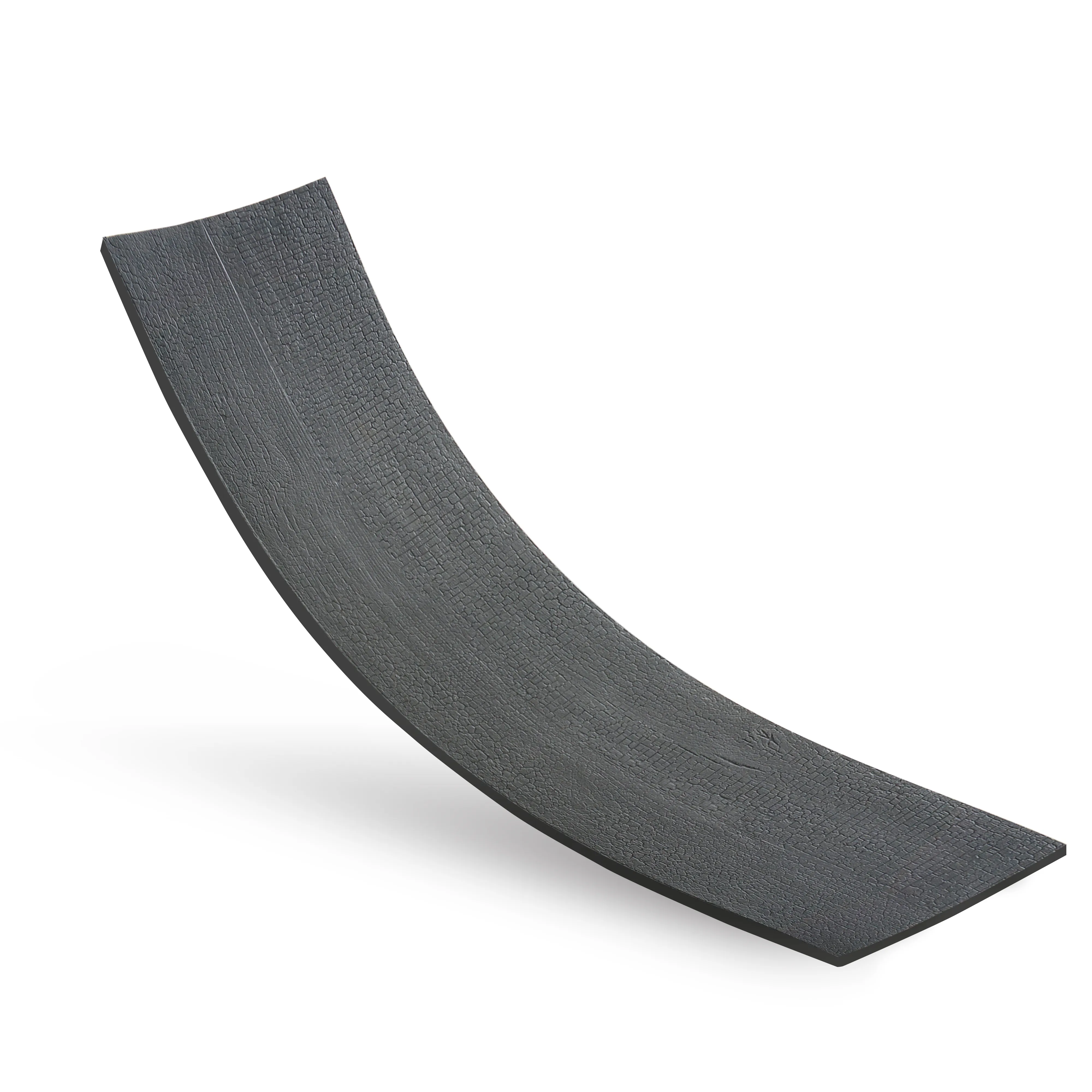
Installing Charcoal Burnt Wood Board is a breeze compared to heavy stone. These boards are lightweight (especially compared to full stone slabs) and can be cut with standard woodworking tools, making them a favorite for DIYers or contractors on tight schedules. They're also flexible—you can mount them vertically, horizontally, or even in patterns like herringbone, giving designers endless creative freedom.
Stone veneer? Not so much. Full stone slabs are heavy, often requiring additional structural support (think reinforced walls or metal brackets) to prevent sagging. Even thin veneers can add significant weight, and cutting them demands specialized tools (like diamond blades) to avoid cracking. Installation time is longer, too—mortar needs to set, and seams must be sealed meticulously. It's a labor of love, but the payoff is a look that feels immovable.
Charcoal Burnt Wood Board is surprisingly low-maintenance. Thanks to its charred layer, it resists moisture and pests, so you won't need to paint or stain it regularly. A quick wipe with a damp cloth to remove dust is usually enough. If you want to boost its longevity, an annual coat of linseed oil can help preserve the wood's natural grain and prevent the char from fading. That's it—no harsh chemicals, no constant upkeep.
Stone veneer requires a bit more attention. Travertine, for example, needs to be sealed every 1–2 years to block moisture and stains (red wine or coffee spills are its worst enemy). Rust board might need touch-ups with rust-resistant paint if the finish starts to chip. Even wood concrete board , a hybrid material that blends wood fibers and concrete, needs sealing to prevent water damage. It's not a dealbreaker, but it's an ongoing commitment—something to factor into your design budget.
In an era of eco-conscious design, sustainability matters. Charcoal Burnt Wood Board shines here, especially when sourced from FSC-certified forests. The charring process uses no toxic chemicals—just fire—and extends the wood's lifespan, reducing the need for frequent replacements. It's a circular approach: use a renewable resource, treat it minimally, and make it last.
Stone veneer, on the other hand, has a more complicated footprint. Quarrying stone disrupts ecosystems, and transporting heavy slabs adds to carbon emissions. That said, stone is a natural, non-toxic material, and its durability means it rarely ends up in landfills. Brands are also innovating—some veneers now use recycled stone dust or thinner cuts to reduce waste. It's not perfect, but it's getting greener.
| Feature | Charcoal Burnt Wood Board | Stone Veneer (Travertine/Rust Board) |
|---|---|---|
| Aesthetic Vibe | Warm, dramatic, organic—think "modern rustic" with fire-kissed character. | Timeless, earthy, or industrial—depends on type (travertine = classic; rust board = edgy). |
| Texture | Rough, charred surface with natural wood grain peeking through—tactile and dynamic. | Porous (travertine), weathered (rust board), or smooth (fair-faced concrete)—structured and consistent. |
| Durability | Excellent: Resistant to rot, insects, and fire (50+ year lifespan outdoors). | Very good: Durable but porous (travertine needs sealing); rust board may fade in sunlight. |
| Installation | Easy: Lightweight, cuts with standard tools, minimal structural support needed. | Challenging: Heavy, requires specialized cutting tools and structural reinforcement. |
| Maintenance | Low: Wipe clean; annual oiling optional. | Moderate: Seal every 1–2 years (travertine); rust board may need touch-ups. |
| Sustainability | High: Renewable (FSC wood), minimal processing, long lifespan. | Moderate: Natural but energy-intensive to quarry/transport; durable but not renewable. |
| Best For | Cafés, homes, accent walls—spaces craving warmth and texture. | Lobbies, fireplaces, exteriors—spaces needing permanence or industrial edge. |
At the end of the day, there's no "better" material—only the one that tells your space's story. Charcoal Burnt Wood Board is for dreamers who want warmth with edge, who value sustainability and ease without sacrificing character. It's a material that feels alive, evolving subtly with time while staying true to its roots.
Stone veneer is for traditionalists and innovators alike—those who want to anchor their space in the earth's history, whether through travertine's organic beauty or rust board's industrial grit. It demands more effort, but it rewards you with a look that feels eternal.
And here's a secret: they don't have to be enemies. Imagine a wall with Charcoal Burnt Wood panels flanking a travertine fireplace, or rust board accents breaking up a sea of charred wood. The magic happens when materials collaborate, each highlighting the other's strengths. So go ahead—mix, match, and let your space speak in a language that's uniquely yours.
Recommend Products












