

Exploring the Future of Building Materials Production
Building materials have always been the backbone of architecture, but the way we make them is changing faster than ever. For decades, conventional manufacturing methods—think quarrying stone, casting concrete, or cutting metal—dominated the industry. They were reliable, but they came with trade-offs: long lead times, mountains of waste, and limited room for creativity. Then, along came innovations like 3D printing, and suddenly, the rules of production started to shift. Today, we're looking at a head-to-head between the tried-and-true and the cutting-edge: Croco MCM 3D Printing versus conventional manufacturing. Let's dive in to see how these methods stack up, and why it matters for builders, architects, and anyone who cares about the future of construction.
Conventional manufacturing is the workhorse of the building materials industry. It's the process we've relied on for generations, and it's easy to see why: it's familiar, scalable, and capable of producing the basic materials that built our cities. Let's break down how it works, using a few common examples like natural stone slabs, concrete panels, and metal cladding.
Take a material like travertine or granite—staples in high-end construction. Conventional production starts with quarrying: massive machines dig into the earth to extract large blocks of stone, a process that's not only labor-intensive but also disruptive to local ecosystems. Once these blocks are hauled out, they're transported to factories where they're sliced into thinner slabs using diamond-tipped saws. The problem? This step generates tons of waste: up to 30% of the original stone block is lost as dust or offcuts, which often end up in landfills. Even after cutting, slabs need to be polished, sealed, and shaped to size, requiring more energy and manual labor. By the time a slab reaches a construction site, it's been through weeks (or months) of processing, and its design is limited by the natural structure of the stone—no custom textures or complex geometries here.
Concrete panels, another building staple, follow a similar script. To make them conventionally, manufacturers first build a mold—usually from wood or steel—in the desired shape. Then, workers mix concrete (cement, sand, water, aggregates) and pour it into the mold, vibrating it to remove air bubbles. The panel then sits for days to cure, a process that's highly dependent on weather (too hot, too cold, or too humid can ruin the batch). Once cured, the mold is stripped away, and the panel might need additional finishing (painting, sealing, or texturing). Again, waste is a big issue: molds are often single-use or wear out quickly, and excess concrete from mixing or spills is hard to recycle. Plus, if an architect wants a unique texture—say, a wave-like pattern or a custom logo—creating a new mold for a small batch is expensive and time-consuming. It's no wonder conventional concrete panels are often plain, uniform, and slow to produce.
Beyond the technical steps, conventional manufacturing has hidden costs. Labor is a huge one: every stage—quarrying, cutting, casting, finishing—requires skilled workers, and labor shortages can grind production to a halt. Time is another: a single stone slab might take 4-6 weeks from quarry to delivery; a batch of concrete panels could take 2-3 weeks to cure alone. And sustainability? Conventional methods are often energy hogs. Quarrying machinery runs on fossil fuels; concrete production is responsible for 8% of global CO2 emissions; and waste from cutting or casting contributes to landfill overcrowding. For builders aiming for green building materials certifications, these are major roadblocks.
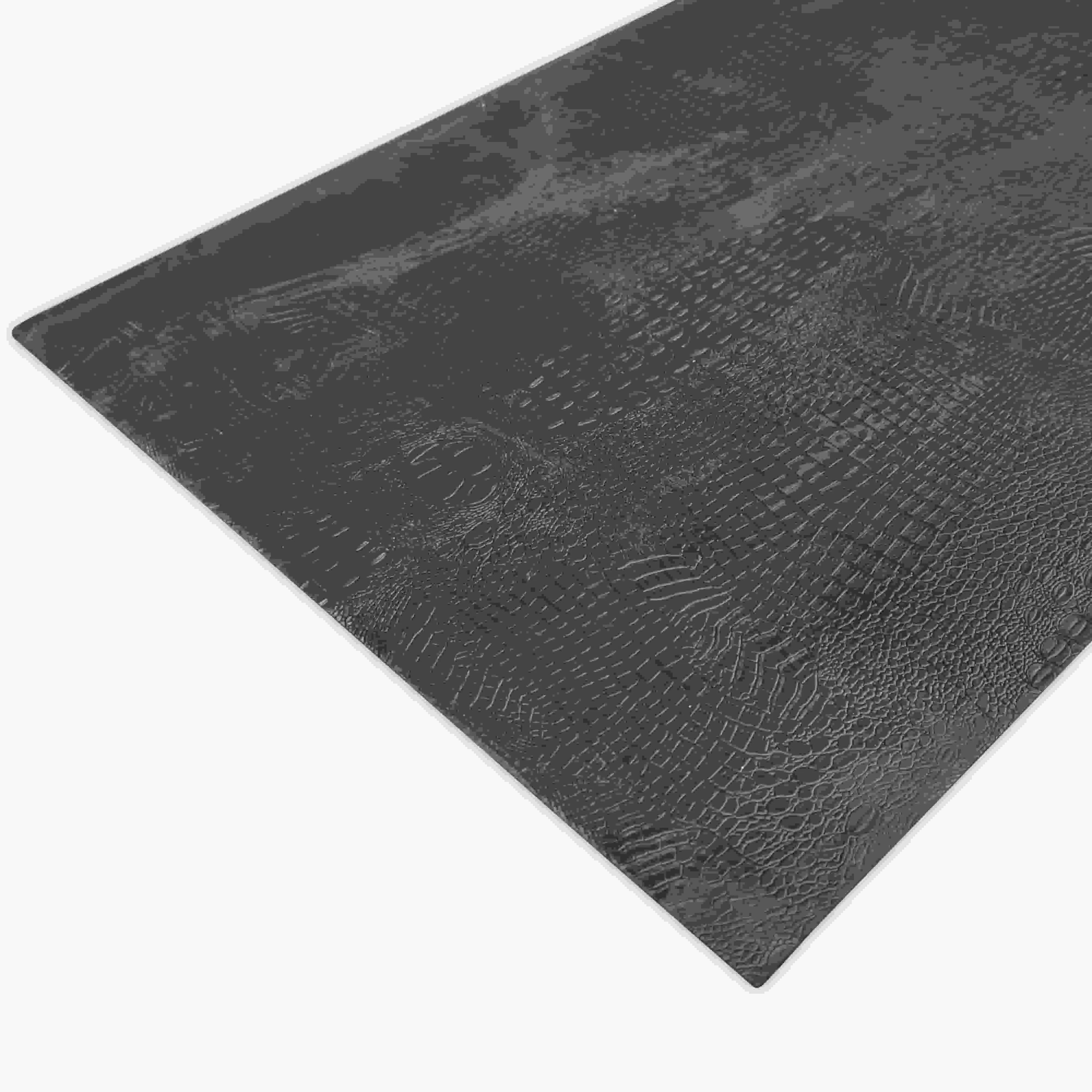
Now, let's shift to the future: Croco MCM 3D Printing. MCM, or Modified Composite Material, is a game-changer on its own—it's a blend of polymers, fibers, and minerals that's lightweight, durable, and highly customizable. But when paired with 3D printing, it becomes a manufacturing powerhouse. Here's how it works, and why it's turning heads in the industry.
At its core, 3D printing is additive manufacturing: instead of cutting away material (like carving stone) or pouring into a mold (like concrete), it builds objects layer by layer. For Croco MCM panels, the process starts on a computer. An architect or designer creates a 3D model of the panel—complete with textures, patterns, or even intricate details like the thread-like grooves of a woven fabric or the gradient colors of a sunset. This digital file is then sent to a large-scale 3D printer, which deposits the modified composite material (MCM) in thin layers, each bonding to the one below. The result? A panel that's built exactly to the digital design, with no need for molds or cutting.
What makes MCM ideal for 3D printing? It's a modified composite, meaning engineers can tweak its properties—strength, flexibility, color—to fit the project. For example, flexible stone cladding panels are made with a more elastic MCM blend, allowing them to bend slightly during installation (perfect for curved facades). Prefabricated MCM panel systems take this a step further: panels are printed off-site, then shipped to the construction site ready to install, cutting on-site labor by up to 50%. And because MCM is a synthetic material, it avoids the environmental impact of quarrying natural stone or the high CO2 of concrete. Many Croco MCM blends are also recyclable: excess material from printing is collected and reused, and panels can be ground down at the end of their life to make new ones. It's green building materials in action.
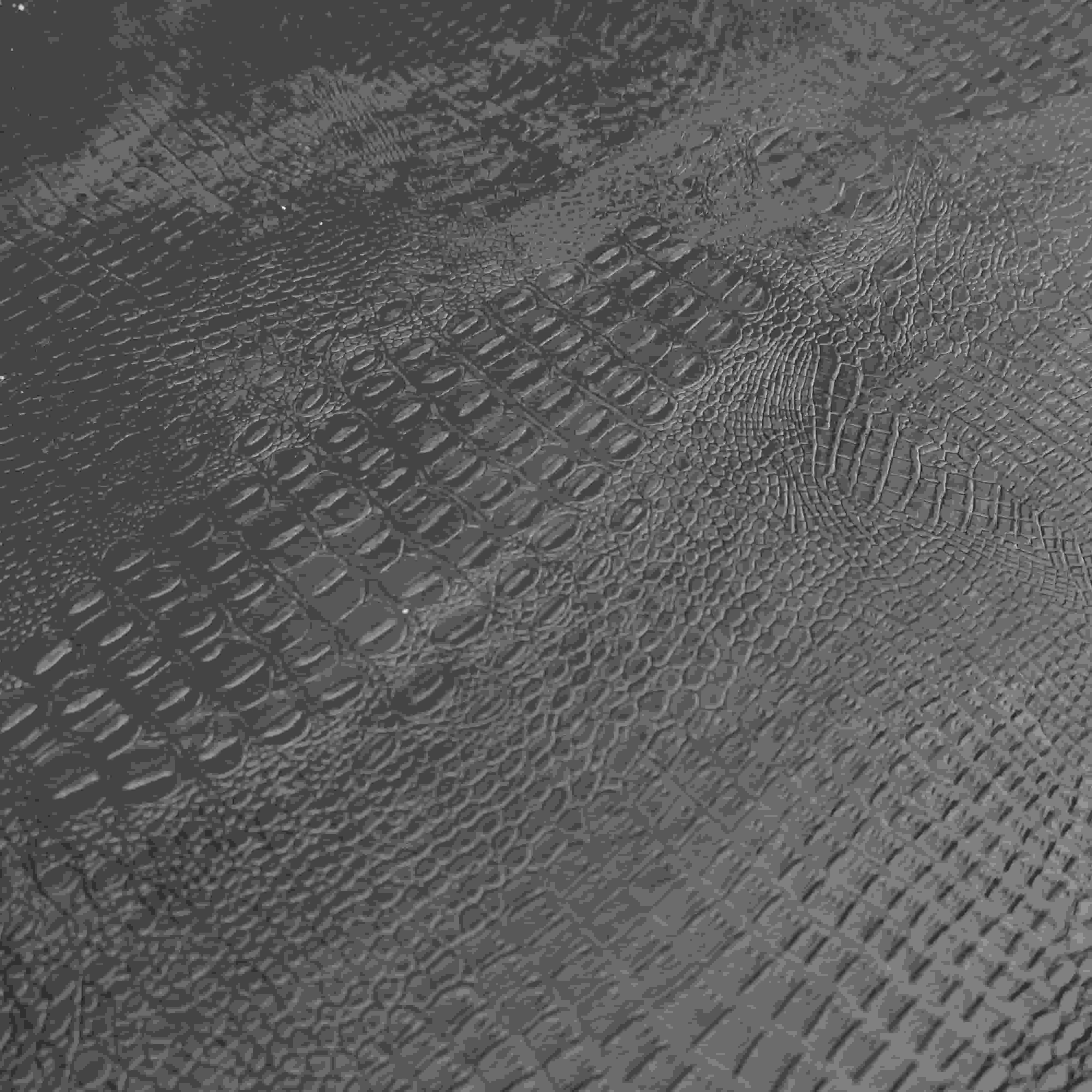
The real magic of Croco MCM 3D Printing is in its advantages over conventional methods. Let's start with speed: a standard MCM panel (say, 1m x 2m) can be printed in 2-4 hours, compared to days or weeks for conventional production. No curing time, no mold setup—just digital design to finished product in hours. Customization is another win: want a panel that looks like lunar peak silvery stone with embedded star-like speckles? Or a gradient color rammed earth board that fades from terracotta to beige? The 3D printer can do that without extra cost, because changing the design is just a matter of updating the digital file. And waste? Since the printer only deposits the exact amount of material needed, waste is reduced by up to 90% compared to conventional cutting or casting. That's not just good for the planet—it's good for the bottom line, too.
One of the most practical applications of Croco MCM 3D Printing is in prefabricated MCM panel systems. These are panels printed in a factory, then assembled into larger modules (walls, facades, even entire rooms) before being transported to the site. Because they're prefabricated, installation is a breeze: workers simply bolt or glue the panels into place, reducing construction time by 30-40%. Imagine building a commercial facade with flexible stone cladding panels that were all printed to interlock perfectly—no gaps, no uneven edges, just a seamless finish. It's a level of precision that conventional methods can rarely match, especially for complex designs.
To really understand the difference, let's put these two methods side by side. The table below compares key factors like production time, waste, cost, and sustainability—everything a builder or architect would care about when choosing a manufacturing method.
| Factor | Croco MCM 3D Printing | Conventional Manufacturing |
|---|---|---|
| Production Time | 2-4 hours per panel (no curing/wait time) | Days to weeks (curing, cutting, finishing) |
| Material Waste | ~5% (additive manufacturing, excess reused) | 20-30% (cutting, casting spills, offcuts) |
| Customization | Unlimited (textures, colors, geometries via digital design) | Limited (requires new molds/cutting tools for changes) |
| Cost (Per Unit) | Higher upfront (printer investment), lower per unit for custom runs | Lower upfront, higher per unit for custom orders |
| Sustainability | High (low waste, recyclable MCM, energy-efficient printers) | Low (high energy use, waste, CO2 emissions) |
| Quality Consistency | High (digital precision, no human error) | Variable (depends on worker skill, material batch) |
| Scalability | High (add more printers for mass production) | High (but limited by labor and curing time) |
As the table shows, 3D printing excels in areas that matter most to modern builders: speed, customization, and sustainability. But conventional methods still have a place—for example, in large-scale projects where uniformity is key and custom designs aren't needed. The real power, though, might lie in combining the two: using 3D printing for custom, high-design elements and conventional methods for bulk, standard parts.
Theory is one thing, but how do these methods perform in the real world? Let's look at a few case studies to see where 3D printing and conventional manufacturing are making their mark today.
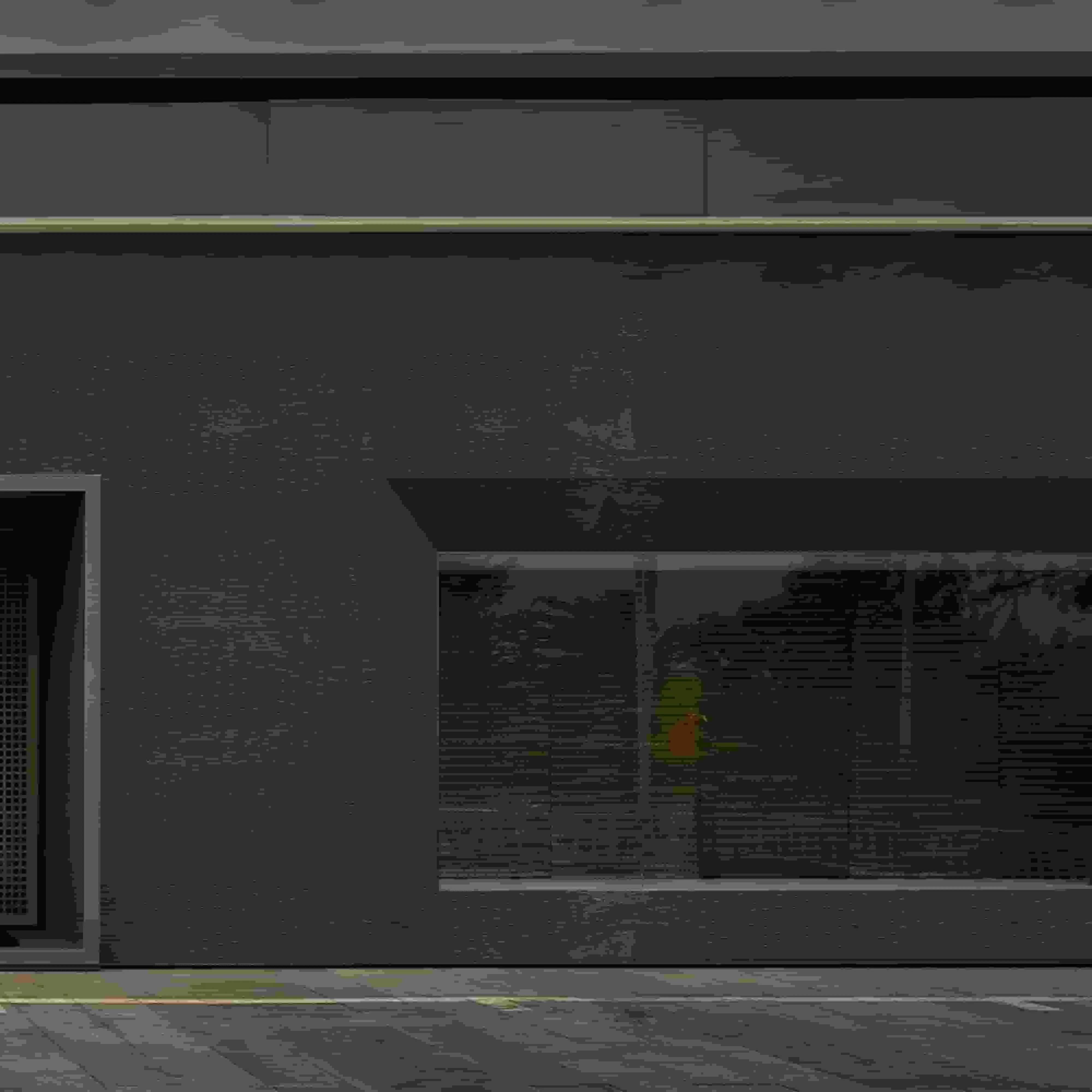
A five-star hotel in Dubai wanted a facade that stood out—something that looked like natural stone but was lightweight enough for the building's structure. The architect designed panels with a rippled, wave-like texture in lunar peak golden and black, inspired by desert sand dunes at sunset. Conventional methods would have required carving each panel from natural stone, which was too heavy and expensive. Instead, the project used Croco MCM 3D Printing to create flexible stone cladding panels. The printer produced 200 panels in just 10 days, each weighing 70% less than natural stone. The result? A stunning, lightweight facade that reduced installation time by 40% and earned the hotel LEED Gold certification for using green building materials.
In contrast, a large affordable housing project in Texas relied on conventional concrete panels. The developer needed 500 identical wall panels—no custom textures, just simple, durable surfaces. Conventional casting was the obvious choice here: molds were reused for each panel, and the project had the time to wait for curing. While 3D printing could have produced the panels faster, the upfront cost of a printer wasn't justified for such a large, uniform order. This shows that conventional methods still dominate in high-volume, low-customization projects—at least for now.
A historic theater in Rome needed to replace damaged decorative stone carvings on its facade. The original carvings were 100 years old, with intricate details that would have been nearly impossible to replicate by hand. Using 3D scanning, the team created digital models of the carvings, then used Croco MCM 3D Printing to produce exact replicas in a material that matched the original stone's color and texture. The process took just 2 weeks, compared to 3 months of hand-carving. It's a perfect example of how 3D printing is preserving the past while embracing the future.
So, is 3D printing going to replace conventional manufacturing entirely? Probably not—at least not anytime soon. Conventional methods are still cheaper and more established for large-scale, uniform projects. But 3D printing is rapidly closing the gap, especially as printer costs drop and materials improve. Here's what we can expect in the next decade:
We'll see more hybrid approaches: using conventional methods for bulk, standard parts and 3D printing for custom details. For example, a commercial building might use conventional steel beams for structure but 3D-printed MCM panels for the facade, adding unique textures or branding elements. This way, builders get the efficiency of conventional production with the creativity of 3D printing.
Croco MCM blends will become even more sustainable, with higher recycled content and lower carbon footprints. 3D printers will get faster and more versatile, able to print larger panels or even entire walls in one go. Imagine a printer on a construction site, printing a house's exterior walls directly on-site—no shipping, no waste, just digital design to finished structure in days.
As 3D printing becomes more affordable, customization will trickle down from luxury projects to everyday buildings. Homeowners might choose custom facade panels with family crests; restaurants could print panels that look like local rock formations. The days of "one-size-fits-all" building materials are numbered.
Croco MCM 3D Printing and conventional manufacturing aren't enemies—they're tools, each with its strengths. Conventional methods excel in speed and cost for large, uniform orders; 3D printing leads in customization, sustainability, and precision for unique projects. As the construction industry shifts toward green building materials and smarter, faster production, 3D printing will only grow in importance. It's not about replacing the old ways, but about evolving them—using technology to build structures that are more beautiful, efficient, and kind to the planet. Whether you're an architect dreaming up a futuristic facade or a builder racing to meet a deadline, the choice between these methods is clear: for the future of building materials, 3D printing is just getting started.
Recommend Products












