
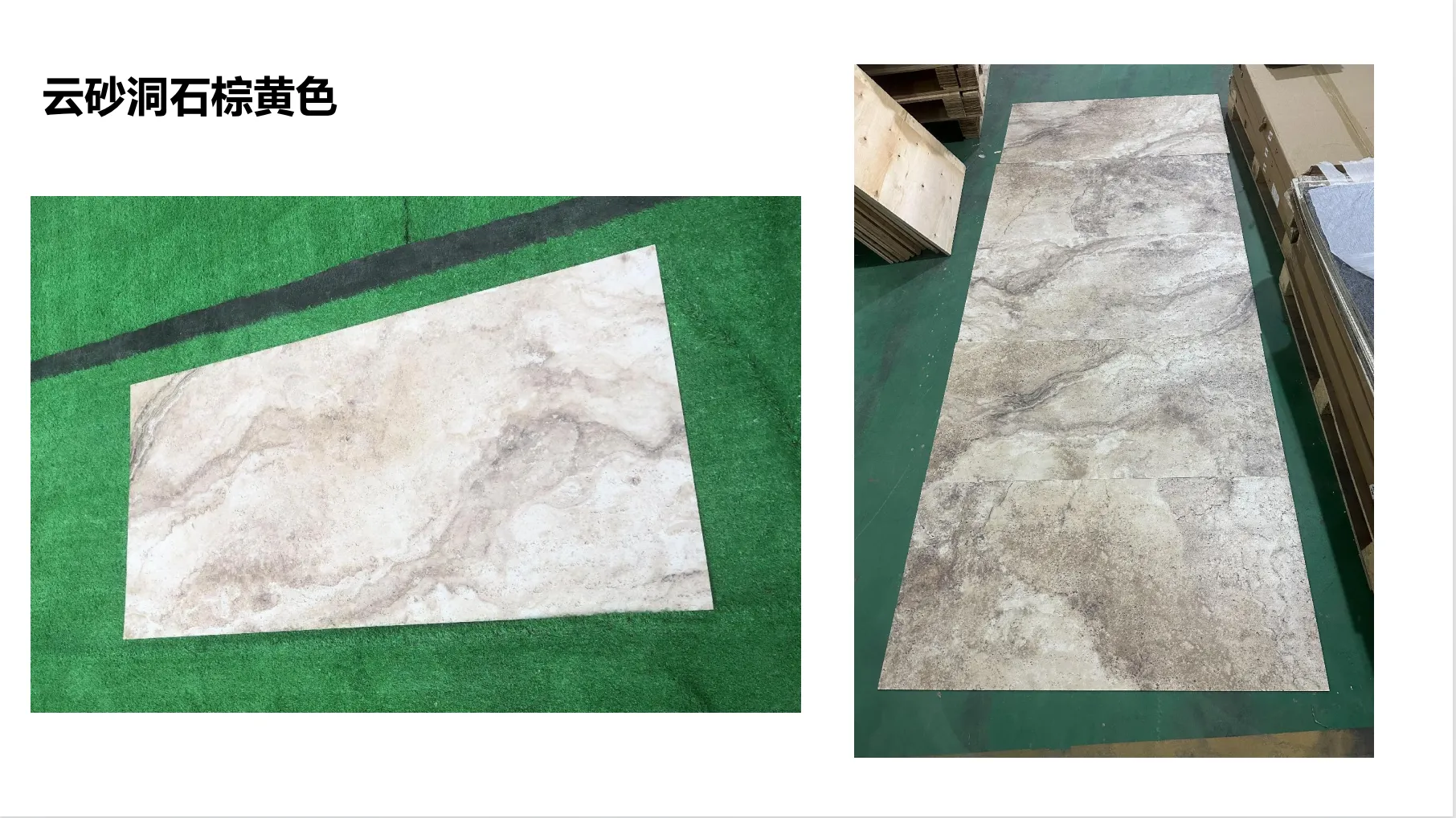
Exploring texture, beauty, and function in natural stone design
Every space tells a story, and the materials we choose are its most vivid words. In the world of architecture and interior design, natural stone has long reigned as a storyteller of timelessness, durability, and organic beauty. Among its many protagonists, dolomitic travertine(dark grey) stands out—a material that marries the warmth of travertine with the depth of dark grey tones, offering a canvas for creativity that's both versatile and enduring. But what truly elevates this stone from mere material to masterpiece is the finish it wears. Today, we dive into three distinct finishes that transform dark grey dolomitic travertine: Sandblasted, Brushed, and Tumbled. Each finish carries its own personality, texture, and purpose, turning the same stone into a chameleon that adapts to modern minimalism, rustic charm, or industrial edge. Let's unravel their stories.
Before we explore its finishes, let's get to know the star of the show: dolomitic travertine. Unlike standard travertine, which is primarily composed of calcium carbonate, dolomitic travertine forms when dolomite—a mineral rich in magnesium—mingles with the stone's structure. This addition isn't just a geological detail; it's a game-changer. Dark grey dolomitic travertine boasts enhanced durability, making it more resistant to scratches, stains, and weathering than its calcium-rich cousin. Its color, a moody spectrum of charcoal, slate, and gunmetal, is punctuated by unique veining and subtle fossilized patterns, each slab a one-of-a-kind fingerprint of the earth's history.
What makes it a favorite among designers? Its ability to balance boldness with subtlety. Dark grey isn't just a neutral—it's a statement. It grounds spaces, adds sophistication, and lets light, color, and texture play across its surface. Whether used as flooring, wall cladding, or accent pieces, dolomitic travertine(dark grey) brings a sense of quiet confidence. But to unlock its full potential, we must consider how finish shapes its character.
Imagine running your hand over a stone that feels like it's been kissed by desert winds—rough, honest, and full of texture. That's the sandblasted finish. The process is straightforward yet dramatic: high-pressure streams of sand (or sometimes glass beads) are fired at the travertine surface, eroding the softer layers of the stone while leaving the harder veins and crystals intact. The result? A surface that wears its character on its sleeve.
Appearance: Sandblasted dark grey dolomitic travertine leans into a raw, weathered aesthetic. The matte surface deepens the stone's natural grey hue, making veins and pores more pronounced. It's not about shine here; it's about depth. Each pockmark and indentation tells a tale of erosion, giving the stone an aged, almost archaeological feel.
Texture: Think of walking barefoot on a sun-warmed beach—gritty yet grounding. The texture is intentionally rough, with peaks and valleys that provide excellent grip. This makes it a practical choice for areas where slip resistance is key.
Practical Uses: Outdoor spaces are where sandblasted travertine truly shines. Picture a backyard patio where rain or pool splashes won't turn the floor into a hazard, or a garden pathway that ages gracefully, blending with the surrounding greenery. It also works indoors in high-traffic zones like entryways, where its ability to hide scuffs and dirt keeps spaces looking polished even with daily use.
Pros & Cons: On the plus side, its slip resistance and low-maintenance appearance (dirt and minor stains are less noticeable) make it a workhorse. However, the porous nature of sandblasted travertine means it requires regular sealing to prevent moisture absorption—especially in wet environments. It's also not the best fit for spaces craving a sleek, modern look, as its ruggedness can overpower delicate decor.
If sandblasted is the rugged poet, brushed finish is the thoughtful storyteller—balancing texture with refinement. The process involves gently abrading the stone's surface with wire brushes or abrasive pads, which smooths away the sharpest edges while preserving the stone's natural grain and veining. It's like polishing a rough gem to reveal its inner glow without losing its soul.
Appearance: Brushed dark grey dolomitic travertine has a soft, understated elegance. The brushing action brings out a subtle sheen—not the high gloss of polished stone, but a gentle luster that catches light to highlight the stone's unique patterns. The color remains rich but feels more uniform than sandblasted, with veins appearing softer, like watercolor strokes on paper.
Texture: Run your hand across a brushed surface, and you'll find a texture that's tactile yet approachable—rough enough to feel organic, smooth enough to be comfortable. It's the kind of texture that invites touch without feeling harsh, making it ideal for spaces where people linger.
Practical Uses: Brushed finish is a chameleon in interior design. It shines as flooring in living rooms, where its warmth complements wooden furniture and soft textiles. As a backsplash in kitchens, it adds depth without competing with bold cabinetry or colorful accents. It also works beautifully as wall cladding in bathrooms, striking a balance between slip resistance and easy cleaning.
Pros & Cons: The brushed finish hits the sweet spot between aesthetics and practicality. It's easier to clean than sandblasted (thanks to its smoother surface) and more slip-resistant than polished stone. However, it's not entirely maintenance-free—sealing is still recommended to protect against stains. And while it's versatile, it may lack the drama of sandblasted or the antique charm of tumbled finishes for those seeking a more extreme aesthetic.
Tumbled finish is the stone equivalent of a well-loved book—worn at the edges, rich with character, and full of stories. The process is almost poetic: stones are placed in a rotating drum with abrasive materials (like sand, pebbles, or even other stones) and tumbled for hours or days. This gentle abrasion rounds edges, softens surfaces, and creates a patina that looks like it's been cherished for decades.
Appearance: Tumbled dark grey dolomitic travertine exudes warmth and nostalgia. The edges become soft and rounded, as if smoothed by years of foot traffic, while the surface takes on a matte, velvety texture. The color often appears slightly lighter in areas where the tumbling has worn away the darker top layer, creating a subtle interplay of light and shadow that feels lived-in and inviting.
Texture: Underfoot, tumbled travertine is surprisingly comfortable—its rounded edges and smooth surface make it feel less like stone and more like a natural extension of the earth. It's the kind of texture that makes you want to kick off your shoes and curl up by the fire.
Practical Uses: Tumbled finish is all about creating atmosphere. It's perfect for accent walls in bedrooms, where its soft texture adds coziness, or around fireplaces, where its antique vibe complements the warmth of the flames. In traditional or rustic kitchens, tumbled travertine backsplashes or countertops add a touch of old-world charm. It's also a favorite for creating feature pieces, like mosaic tiles or decorative stepping stones in garden beds.
Pros & Cons: The biggest draw of tumbled finish is its unparalleled character—no two pieces look exactly alike, making each installation unique. However, its rounded edges can make it trickier to install (requiring more precise cutting), and the softer surface is more prone to chipping than sandblasted or brushed finishes. It's also not the best choice for high-traffic outdoor areas, as the smooth surface can become slippery when wet.
| Finish | Formation Process | Visual Character | Tactile Feel | Ideal Applications | Maintenance Needs | Best For Aesthetic |
|---|---|---|---|---|---|---|
| Sandblasted | High-pressure sand erosion | Matte, weathered, deep grey with pronounced veins | Rough, gritty, slip-resistant | Outdoor patios, pool surrounds, entryways | Regular sealing (2-3x/year); hides dirt well | Industrial, rustic, coastal |
| Brushed | Wire brushing/abrasive pads | Soft sheen, uniform color, subtle veining | Slightly rough, balanced texture | Interior floors, kitchen backsplashes, bathroom walls | Seal yearly; easier to clean than sandblasted | Modern, transitional, warm contemporary |
| Tumbled | Drum-tumbling with abrasives | Antique patina, rounded edges, light/dark color variation | Smooth, velvety, rounded edges | Fireplaces, accent walls, mosaic tiles | Seal yearly; prone to chipping on edges | Traditional, rustic, vintage-inspired |
Dark grey dolomitic travertine, in all its finishes, plays well with other materials—making it a favorite in architectural big slab solutions and mixed-material designs. For example, sandblasted travertine pairs beautifully with MCM flexible stone accents, adding depth to modern facades. Brushed travertine complements warm woods and matte black fixtures in Scandinavian-inspired kitchens, while tumbled travertine harmonizes with reclaimed metals and vintage textiles in bohemian spaces.
It's also worth noting how these finishes interact with light. Sandblasted, with its rough surface, scatters light to create a cozy, intimate glow—perfect for evening spaces. Brushed finish reflects light softly, brightening rooms without glare, making it ideal for spaces with large windows. Tumbled travertine, with its varied surface, creates dynamic shadows that shift throughout the day, adding life to static walls.
At the end of the day, choosing between sandblasted, brushed, or tumbled dark grey dolomitic travertine isn't just about texture—it's about choosing the story you want your space to tell. Sandblasted speaks of resilience and connection to the outdoors; brushed whispers balance and understated elegance; tumbled sings of history and warmth. Each finish transforms the same stone into something uniquely suited to your vision.
As we've explored, travertine —especially in its dolomitic dark grey form—isn't just a material. It's a collaborator, adapting to your needs while bringing the timeless beauty of natural stone into every corner of your home or project. Whether you're designing a sleek urban loft or a cozy countryside retreat, there's a finish here that will turn your space into a story worth telling.
So go ahead—run your hand over the samples, imagine the light filtering through, and let the stone guide you. After all, the best designs are those where material and meaning walk hand in hand.
Recommend Products












