
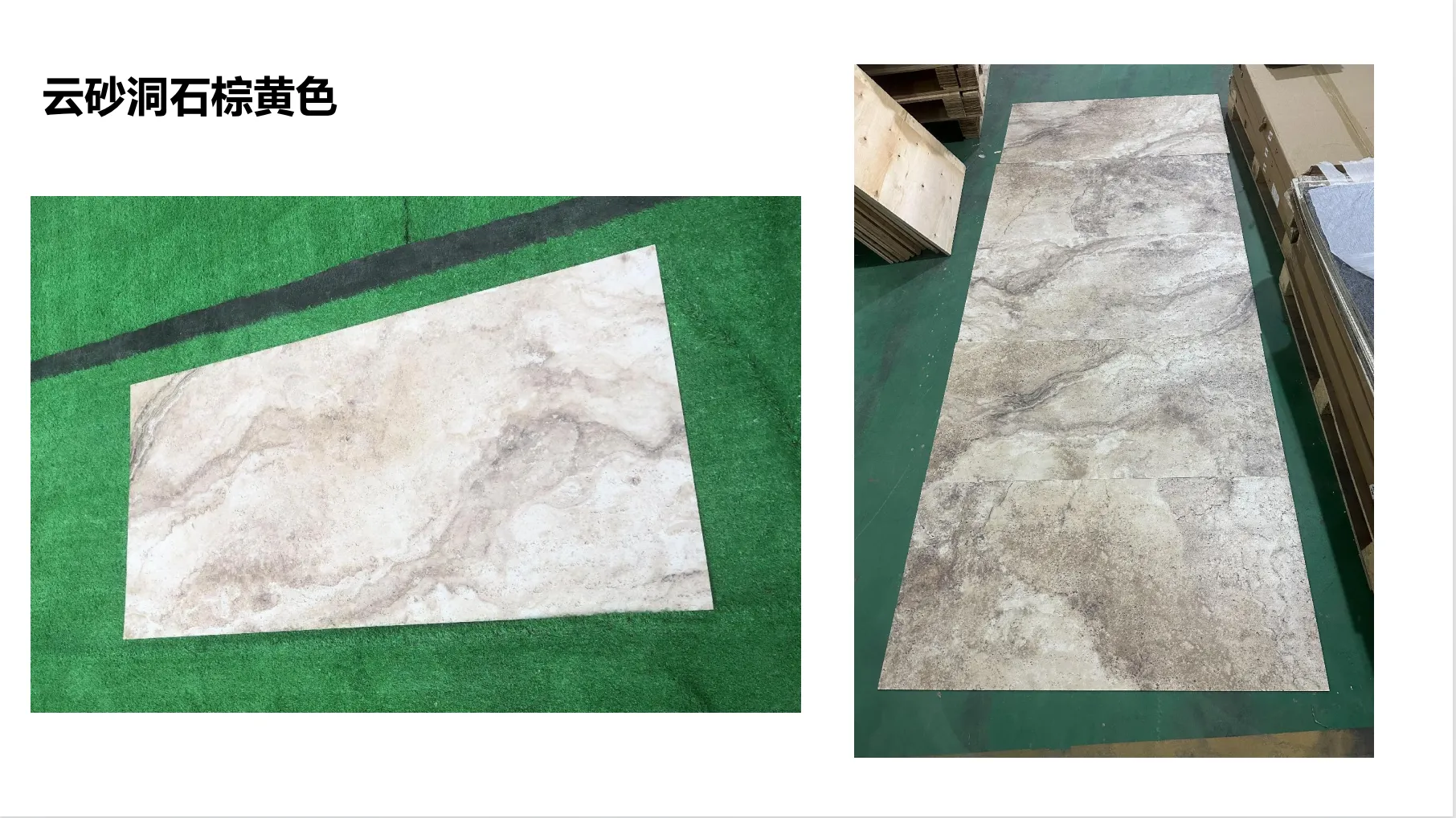
Walk into any modern architectural marvel or boutique hotel lobby these days, and you'll likely notice a quiet trend stealing the spotlight: natural stone. Not just any stone, but materials that tell a story—ones with texture, depth, and a color palette that feels both timeless and fresh. Among these, dark grey dolomitic travertine has emerged as a favorite for designers and builders alike. Its moody, sophisticated hue pairs effortlessly with everything from warm wood accents to sleek glass, making it a versatile choice for both interior and exterior projects. But as with any premium material, understanding its price tag requires a closer look at the market forces, regional demands, and unique characteristics that set it apart. Let's dive into what makes this stone so sought-after, how its price fluctuates across the globe, and how it stacks up against other popular building materials in 2025.
First things first: let's break down the name. Travertine itself is a form of limestone, formed by mineral-rich water flowing through hot springs or caves, leaving behind layers of calcium carbonate. It's known for its porous surface, subtle veining, and earthy tones—think beiges, creams, and soft golds. But dolomitic travertine? That's a variation where magnesium replaces some of the calcium in the stone's composition, giving it added durability and a denser structure. When we add "dark grey" to the mix, we're talking about a rare variety quarried in select regions, where mineral deposits and geological conditions have created a stone with deep, smoky hues, often flecked with hints of charcoal or silver.
What makes it special? Unlike the more common beige travertine, dark grey dolomitic travertine brings a sense of drama to spaces. Its low-key color doesn't overpower, but its natural texture—those tiny pits and grooves formed by gas bubbles during formation—adds visual interest without being busy. It's also surprisingly resilient: the dolomite content makes it less prone to staining than standard travertine, and when sealed properly, it holds up well in high-traffic areas like lobbies or outdoor patios. No wonder designers are reaching for it to balance modern minimalism with organic warmth.
Like any natural material, the cost of dark grey dolomitic travertine isn't set in stone (pun intended). A few key factors drive its price tag, and understanding them can help you make sense of quotes from suppliers or compare options for your project.
1. Quarry Location & Accessibility : Most dark grey dolomitic travertine comes from quarries in Italy, Turkey, and parts of Iran, where geological conditions favor its formation. If a quarry is remote or requires difficult extraction (think mountainous terrain or strict environmental regulations), those costs get passed along. For example, Italian quarries, known for high-quality stone, often charge more due to labor and operational standards, while Turkish sources might offer slightly lower prices with similar quality.
2. Processing & Finishing : Raw stone straight from the quarry isn't ready for your living room floor. It needs to be cut into slabs, polished (or left in a "honed" matte finish), and treated to fill pores. A honed finish, which leaves the surface smooth but not shiny, is generally cheaper than a high-gloss polish. Thickness matters too: thin-cut slabs (like 1cm for wall cladding) are lighter and cheaper to transport than 3cm slabs for flooring.
3. Market Demand & Trends : In 2025, dark grey tones are having a moment in interior design—think "quiet luxury" and "calm minimalism" trends. High demand means suppliers can charge more, especially for rare variants. Conversely, if a new stone trend (hello, travertine (starry blue) , with its iridescent flecks) takes off, dark grey dolomitic travertine might see a temporary dip in price as buyers shift focus.
4. Quality Grade : Not all dark grey dolomitic travertine is created equal. Grade A stones have consistent color, minimal cracks, and even veining, while lower grades might have more pits, uneven coloring, or visible fractures. Unsurprisingly, Grade A commands a premium—sometimes 30-40% higher than lower grades.
To really understand dark grey dolomitic travertine's price, we need to zoom out and look at the global market. Let's break it down by region—you might be surprised by how much prices can differ depending on where you are in the world.
Europe: The Home Turf : As the birthplace of many natural stone traditions, Europe is both a major producer and consumer. In Italy, where much of the premium dark grey dolomitic travertine is quarried, prices start at around €80-€100 per square meter for standard slabs, jumping to €120-€150 for Grade A, polished finishes. France and Spain follow close behind, with prices 5-10% higher due to import costs. The region's focus on sustainable building has also boosted demand for locally sourced stone, keeping prices stable even amid global supply chain snags.
Middle East: Luxury Meets Demand : The Middle East is no stranger to high-end architecture, and dark grey dolomitic travertine has become a staple in luxury hotels, palaces, and commercial towers. In Dubai, for example, prices range from AED 350-450 (around $95-120) per square meter, with top-tier projects paying up to AED 600 ($160) for rare, large-format slabs. The region's preference for bold, statement-making materials means even slight variations—like a particularly striking veining pattern—can drive prices up.
Asia Pacific: Emerging Growth : Countries like China, South Korea, and Australia are seeing a surge in demand for natural stone as urbanization and rising incomes fuel luxury construction. In China, dark grey dolomitic travertine is popular for high-end residential projects in cities like Shanghai and Beijing, with prices ranging from ¥600-¥800 ($85-115) per square meter. Australia, with its love for indoor-outdoor living, often imports from Turkey, with prices similar to Europe but with added shipping costs pushing them to AUD 150-180 ($100-120) per square meter.
North America: A Mix of Tradition and Trend : In the U.S. and Canada, dark grey dolomitic travertine is gaining traction in both commercial and residential spaces, though it's still less common than marble or granite. Prices here are higher due to import tariffs and transportation: expect to pay $110-140 per square meter for standard slabs, with custom cuts or finishes adding another 20-30%. The West Coast, with its focus on eco-friendly design, is leading the charge, with architects in Portland and Seattle using it for sustainable building facades.
Dark grey dolomitic travertine is just one player in the crowded field of architectural materials. To see if it's worth the investment, let's compare its 2025 prices with a few popular alternatives—from other travertine variants to entirely different material families.
| Material | Europe (€/sqm) | Middle East ($/sqm) | Asia Pacific ($/sqm) | Key Notes |
|---|---|---|---|---|
| Dark Grey Dolomitic Travertine | 80-150 | 95-160 | 85-140 | Natural stone, durable, unique texture |
| Travertine (Starry Blue) | 120-180 | 140-200 | 110-160 | Rare, iridescent flecks, higher cost due to uniqueness |
| Lunar Peak Black | 60-90 | 70-100 | 65-95 | Engineered stone, uniform color, lower maintenance |
| Foamed Aluminium Alloy Board (Vintage Silver) | 180-250 | 200-280 | 190-260 | Lightweight metal, modern aesthetic, high durability |
As you can see, dark grey dolomitic travertine sits in the mid-to-high range, offering a balance between natural beauty and affordability compared to rare stones like travertine (starry blue) or premium metals like foamed aluminium alloy board (vintage silver) . It's pricier than engineered options like lunar peak black , but for those who value authenticity and organic texture, the extra cost often feels worth it.
Dark grey dolomitic travertine isn't just for show—it's a workhorse material, equally at home on a hotel facade as it is on a kitchen backsplash. Here are a few ways designers are putting it to use in 2025:
Facades & Exteriors : Its durability and resistance to weathering make it ideal for building exteriors. A recent boutique hotel in Istanbul, for example, used large-format dark grey dolomitic travertine slabs for its facade, pairing the stone's dark color with floor-to-ceiling glass to create a striking contrast against the city skyline.
Flooring & Stairs : In high-end residences, it's a popular choice for flooring, where its non-slip surface (when honed) and ability to hide dust make it practical as well as beautiful. A penthouse in Seoul features a sweeping staircase clad in the stone, with underfloor heating to keep the porous surface warm in winter.
Feature Walls & Fireplaces : Indoors, dark grey dolomitic travertine adds depth to feature walls in living rooms or hotel lobbies. Its texture plays well with lighting—recessed LEDs can highlight the stone's natural pits, creating a cozy, ambient glow. One restaurant in Sydney even used it to clad a fireplace, pairing the cool stone with warm wood beams for a balanced look.
Outdoor Spaces : Patios, pool decks, and garden paths benefit from its slip resistance and ability to withstand the elements. In Dubai, a luxury villa complex used it for outdoor terraces, where its dark color absorbs less heat than lighter stones, keeping surfaces cool even in the desert sun.
So, what does 2025 and beyond hold for this trendy stone? Early indicators suggest steady growth, but a few trends could shape its trajectory:
Sustainability Will Drive Demand : As the building industry leans harder into eco-friendly practices, demand for natural, locally sourced stone is rising. Quarries that prioritize reforestation, water conservation, and ethical labor practices will have an edge, even if their prices are slightly higher. Look for certifications like the Global Stone Council's "Sustainable Stone" label to become a key selling point.
Tech Will Make It More Accessible : Innovations like thin-cutting technology (which reduces the stone's weight and waste during production) and digital scanning (for precise, custom cuts) could make dark grey dolomitic travertine more affordable and versatile. Imagine a kitchen backsplash with laser-cut, interlocking pieces—all from a single slab's unique veining pattern.
Competition from Engineered Stones : Materials like lunar peak black —engineered stones made from recycled materials and resins—offer uniformity and lower maintenance at a lower cost. While they can't replicate the organic charm of natural travertine, they're gaining ground in budget-conscious projects. Dark grey dolomitic travertine will need to lean into its "one-of-a-kind" appeal to stay competitive.
At the end of the day, dark grey dolomitic travertine isn't for everyone. If you're on a tight budget or need a material that requires zero maintenance, you might opt for porcelain tiles or engineered stone. But if you value authenticity, texture, and the timeless beauty of natural materials, it's hard to beat. Its price reflects its rarity, durability, and the craftsmanship that goes into extracting and processing it—and for many designers and homeowners, that's a small price to pay for a material that tells a story, one that will age gracefully and only grow more beautiful with time.
As 2025 unfolds, keep an eye on this dark horse of the stone world. With its perfect blend of modern edge and organic warmth, it's poised to become a staple in the next generation of iconic buildings—and maybe even in your own home.
Recommend Products












