
Flooring isn't just a surface—it's the foundation of your home's personality. It's where your kids build blanket forts, where you sip morning coffee while watching the sunrise, and where guests first step when they walk through your door. Choosing the right flooring means balancing beauty, durability, and practicality, and when it comes to natural stone, two names often rise to the top: Dolomitic Travertine (Claybank) and Marble . Both are timeless, but they couldn't be more different in how they perform, look, and feel underfoot. Let's dive into their world—exploring their origins, quirks, and which one might just be the perfect fit for your space.
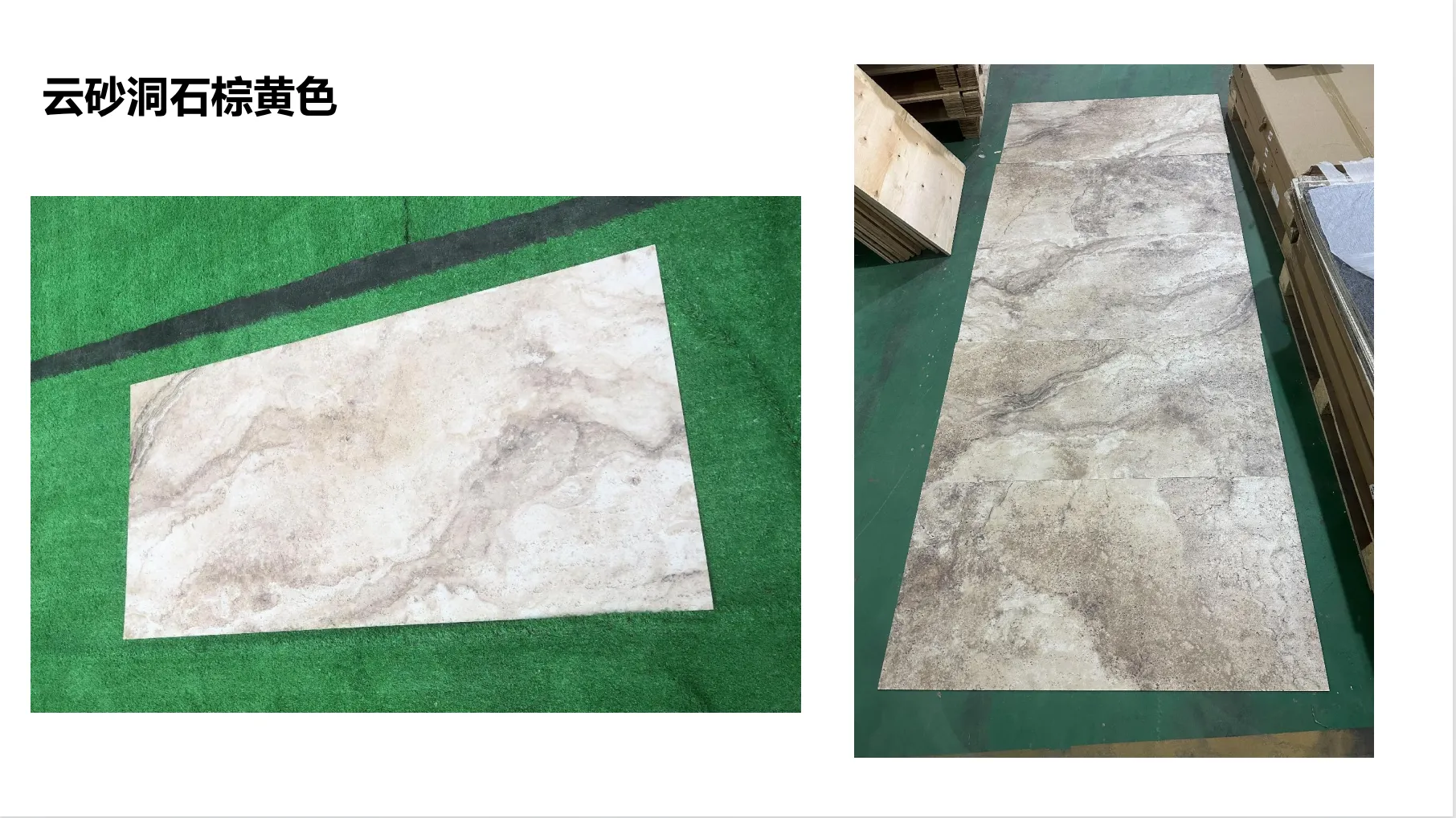
First things first: Let's break down the name. Dolomitic Travertine (Claybank) is a specific type of travertine—a sedimentary rock formed from mineral-rich hot springs and rivers over thousands of years. What makes it "dolomitic"? It contains dolomite, a mineral that adds extra hardness and density compared to regular travertine, making it more resistant to wear and tear. And "claybank"? That's all about color—a warm, earthy hue that sits somewhere between soft beige and gentle terracotta, like the color of sun-baked soil after a summer rain.
Unlike marble, which feels polished and precise, dolomitic travertine has a raw, organic charm. Its surface is dotted with tiny pores (leftover from gas bubbles trapped during formation) and subtle veining that looks like nature's own brushstrokes. Run your hand over a honed slab, and you'll feel a texture that's smooth but not slippery—like walking on a sun-warmed river stone, not a cold, glassy surface.
This stone is a workhorse, so it thrives in high-traffic areas: kitchens (spills happen, but sealed travertine handles them), living rooms (where family movie nights and game days rule), and entryways (first impressions matter, and this stone looks great even with muddy boots). It also adds warmth to dining rooms , where its earthy tone complements wooden tables and linen napkins.
Marble isn't just a stone—it's a legacy. For centuries, it's adorned palaces, temples, and art masterpieces (think Michelangelo's David ). Formed when limestone is heated and compressed deep underground, marble is a metamorphic rock that feels inherently luxurious. Its surface is smooth, often polished to a high shine, with swirling veins in shades of gray, gold, or black that look like abstract art frozen in stone.
Run your hand over a marble floor, and it's cool to the touch—like a slab of ice on a hot day. Its finish reflects light, making rooms feel brighter and more spacious. It's the kind of flooring that makes you want to take off your shoes and savor the smoothness underfoot.
Marble is a diva, so it prefers low-traffic, high-impact spaces: master bathrooms (a marble floor feels luxurious underfoot when you step out of the shower—just add a bath mat for safety), bedrooms (soft foot traffic and no food spills), and powder rooms (guests will ooh and aah, and usage is minimal). It also elevates home offices or reading nooks , where its elegance inspires focus and calm.
| Feature | Dolomitic Travertine (Claybank) | Marble |
|---|---|---|
| Durability | Harder and more scratch-resistant; handles high traffic well. | Softer; prone to scratches, etching, and stains. |
| Maintenance | Seal annually; avoid harsh chemicals; wipe spills quickly. | Seal every 6–12 months; no acidic cleaners; immediate spill cleanup. |
| Aesthetics | Earthy, warm claybank color; organic veining; textured surface. | Luxurious, smooth finish; bold, varied veining; cool, reflective surface. |
| Slip Resistance | Good grip (honed/tumbled finish); safe for wet areas. | Slippery when wet (polished finish); risky for bathrooms/kitchens. |
| Cost | More affordable: $5–$12 per square foot (installation included). | Premium price: $10–$25+ per square foot (installation included). |
| Best For | High-traffic areas: kitchens, living rooms, entryways. | Low-traffic luxury: bathrooms, bedrooms, powder rooms. |
If neither dolomitic travertine nor marble feels right, don't worry—there are other natural stones to explore. For example, Rough Granite Stone (Beige) is even harder than travertine, making it ideal for industrial or modern homes. Its rough texture adds drama, though it's less warm than claybank travertine. Or, for a sleek, contemporary look, Fair-Faced Concrete offers durability and a minimalist vibe, though it lacks the organic charm of natural stone.
At the end of the day, there's no "better" stone—only the better stone for you . Ask yourself:
If you're still torn, consider mixing them! Use marble in a low-traffic bedroom and dolomitic travertine in the kitchen. Or, choose a marble backsplash to complement travertine floors—best of both worlds.
Whichever you pick, remember: flooring is about more than looks. It's about creating a space that feels like yours —where every step brings joy, whether it's the warm, earthy crunch of travertine or the cool, smooth glide of marble. Happy decorating!
Recommend Products












