
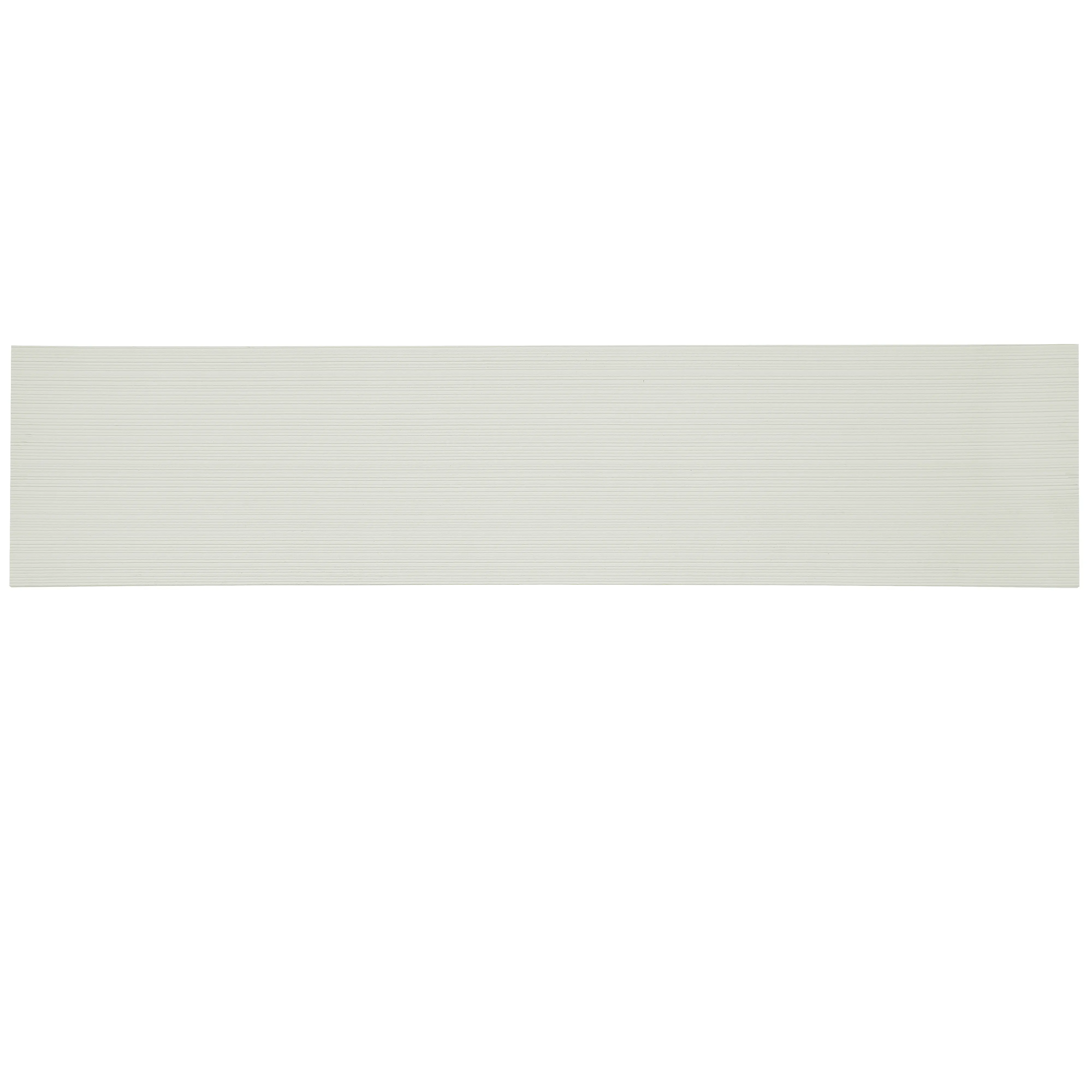
Choosing the right stone for your space is more than just picking a color or texture—it's about finding a material that balances beauty, functionality, and longevity. And when it comes to Fine Line Stone (White) , one of the most critical decisions you'll face is selecting the right thickness. Whether you're designing a cozy home office accent wall, a bustling restaurant lobby, or a serene outdoor patio, the slab's thickness can make or break the project. Too thin, and it might crack under pressure; too thick, and it could weigh down your structure or blow your budget. Today, we're diving deep into the world of Fine Line Stone (White) thicknesses—breaking down the options, their pros and cons, and how to pick the perfect fit for your unique vision.
First, let's get to know Fine Line Stone (White) a bit better. This material is a favorite among designers and homeowners alike for its crisp, clean aesthetic. Its subtle linear patterns mimic the look of natural stone but with a more uniform, modern twist—think soft white backgrounds intersected by delicate gray veins that add depth without overwhelming. It's versatile enough to complement everything from minimalist Scandinavian interiors to industrial-chic lofts, and it pairs beautifully with other materials, too. Ever considered combining it with travertine (starry blue) for a celestial-inspired backsplash? Or layering it alongside wood grain board for a warm-meets-cool texture contrast? The possibilities are endless—but first, let's talk thickness.
You might be thinking, "Does thickness really make that big of a difference?" The short answer: absolutely. Thickness affects nearly every aspect of your stone's performance and appearance, from how it feels underfoot to how long it lasts. Let's break down the key reasons thickness should be top of mind:
Durability: Thicker slabs generally hold up better against impacts, scratches, and wear and tear. If you're installing stone in a high-traffic area—like a hallway, kitchen floor, or commercial lobby—you'll want something sturdy enough to handle daily foot traffic, furniture movement, and the occasional dropped dish (we've all been there). Thinner slabs, while beautiful, might chip or crack more easily in these busy spaces.
Installation Ease: Thicker stone is heavier, which means it requires more structural support and specialized installation tools. If you're working with a wall that can't bear much weight—say, a drywall partition in an apartment—thinner slabs might be the only feasible option. On the flip side, thinner stones can be trickier to handle during installation because they're more flexible; a misstep could lead to breakage before they even hit the wall.
Aesthetics: Believe it or not, thickness changes how the stone looks. Thicker slabs have a more substantial, luxurious presence—think of a 20mm countertop that feels solid and grounding. Thinner slabs, around 6mm, have a lighter, airier quality that works well for accent walls or floating shelves, where you don't want the material to dominate the space.
Cost: Thicker stone requires more raw material, so it's almost always pricier than thinner options. If you're working with a tight budget, you might need to prioritize thickness based on where the stone will be used—splurging on thicker slabs for high-impact areas and saving with thinner ones for low-traffic spots.
Pro Tip: Don't assume "thicker = better." A 20mm slab might be overkill for a bedroom accent wall, just as a 6mm slab would be risky for a kitchen island. The best thickness depends on your space's specific needs—so let's explore the most common options.
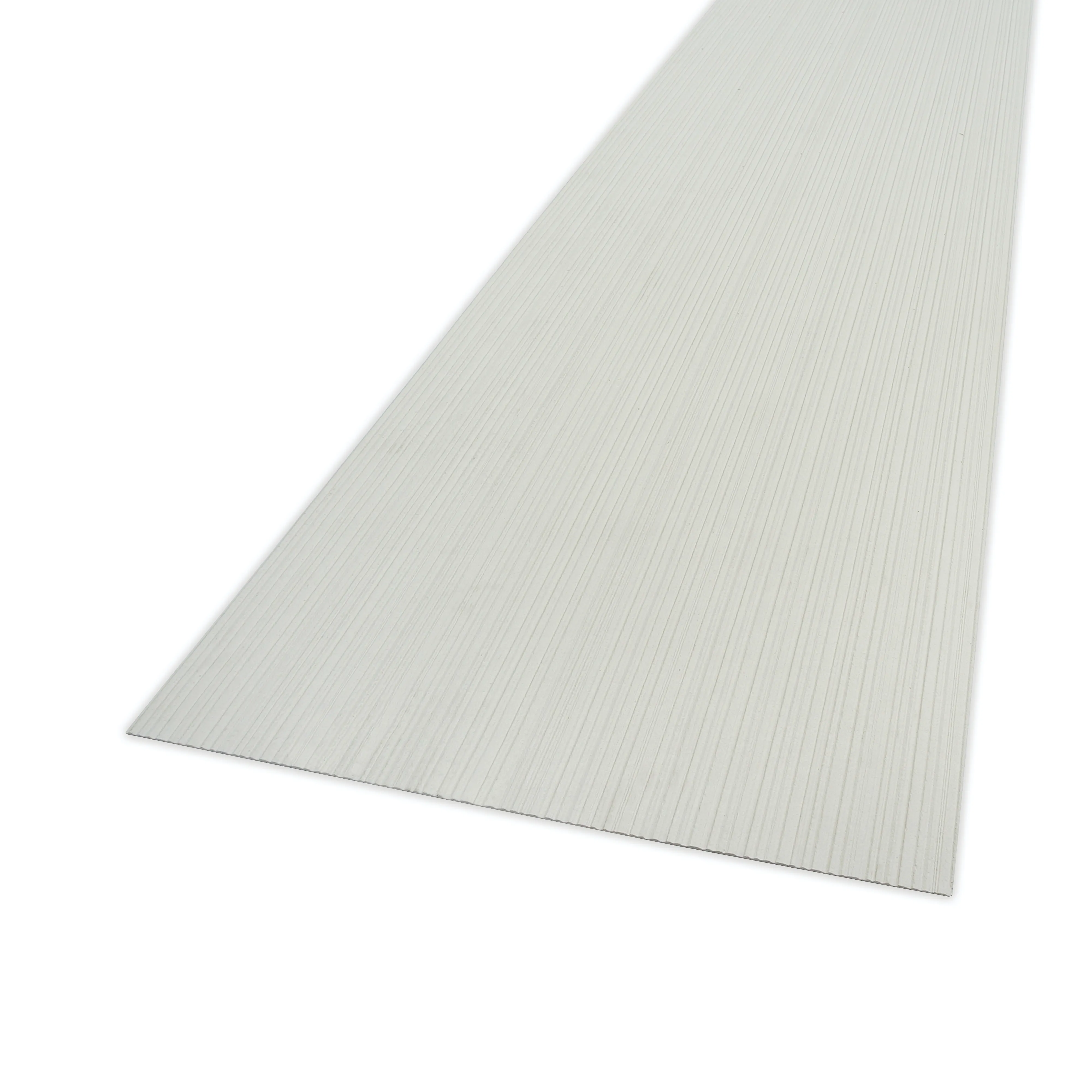
Fine Line Stone (White) is typically available in three standard thicknesses: 6mm, 12mm, and 20mm. Each has its own strengths, weaknesses, and ideal applications. Let's take a closer look at each one.
At just 6mm thick, this is the thinnest and lightest option in the Fine Line Stone (White) lineup. Think of it as the "accent piece" of stone slabs—perfect for adding texture and visual interest without weighing down your space. Here's what you need to know:
Pros:
Cons:
Ideal For: Accent walls, backsplashes, ceiling panels, decorative furniture overlays, and low-traffic areas like bedrooms or home offices. It's also a popular choice for MCM flexible stone projects, where lightweight materials are key to achieving modern, innovative designs.
Sitting right in the middle, 12mm is the most popular thickness for Fine Line Stone (White). It strikes a balance between durability and versatility, making it a go-to for both residential and light commercial projects. Let's dive in:
Pros:
Cons:
Ideal For: Kitchen countertops, bathroom vanities, fireplace surrounds, light-traffic flooring, and residential living areas. It's also a great choice for boutique hotels or small offices where you want a balance of style and durability.
At 20mm thick, this is the thickest and most robust option for Fine Line Stone (White). It's built to last, making it the top choice for high-traffic, high-impact areas where durability is non-negotiable. Here's what makes it stand out:
Pros:
Cons:
Ideal For: High-traffic commercial spaces, outdoor patios, kitchen islands, flooring in busy homes (with kids or pets), and any area where durability and longevity are top priorities.
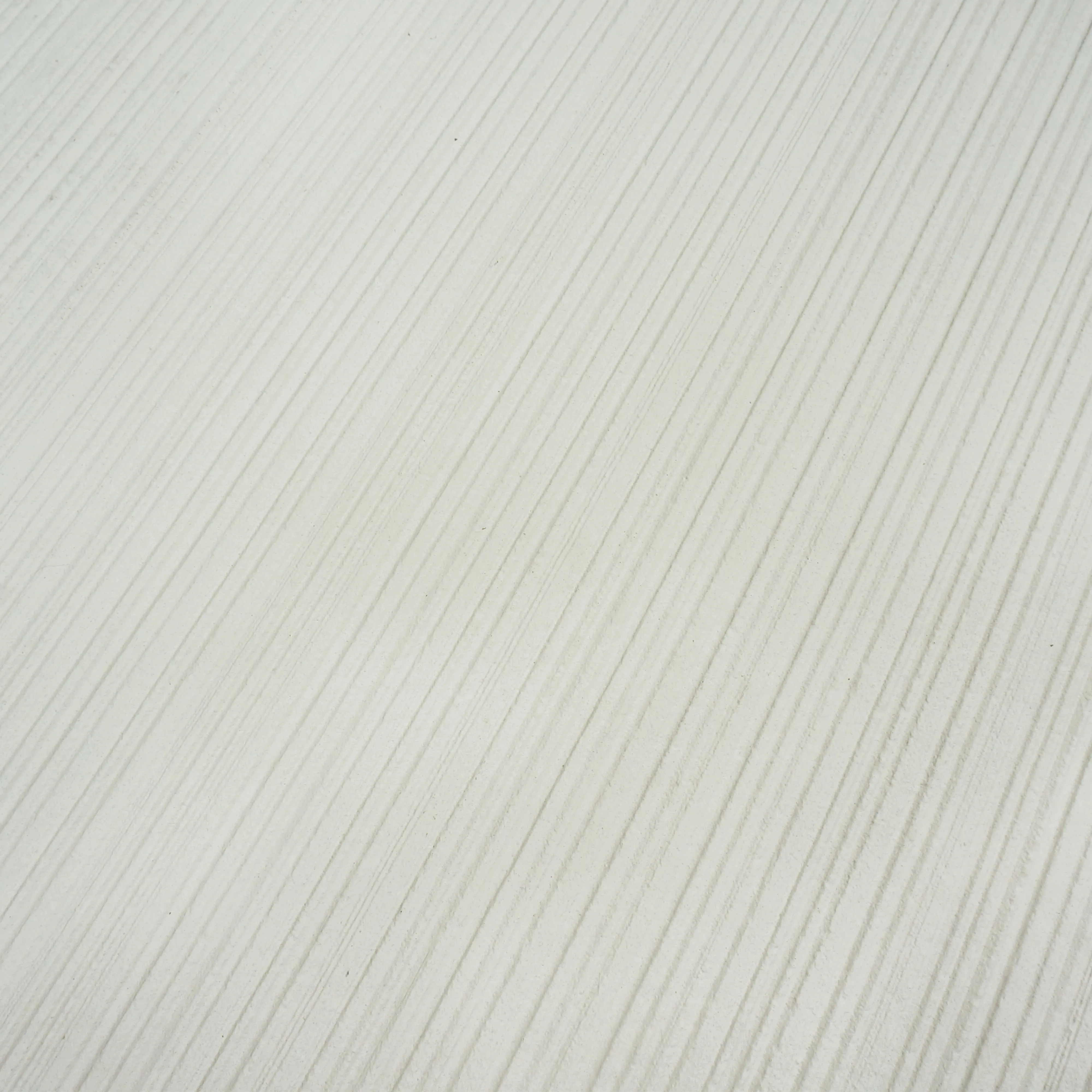
Still trying to decide which thickness is right for you? Let's put them head-to-head in a comparison table to make it easier:
| Thickness | Durability | Weight (per sqm) | Best Applications | Installation Needs | Cost Range* |
|---|---|---|---|---|---|
| 6mm | Low-Medium (best for low-traffic areas) | 15-18 kg | Accent walls, backsplashes, ceilings, decorative overlays | Requires backing material (plywood/cement board); lightweight tools | $25-$40/sqm |
| 12mm | Medium-High (good for residential and light commercial use) | 25-30 kg | Countertops, vanities, fireplaces, light-traffic flooring | Standalone installation (no backing needed for most surfaces); standard tools | $45-$65/sqm |
| 20mm | High (commercial-grade, heavy traffic) | 50-55 kg | High-traffic flooring, commercial lobbies, kitchen islands, outdoor patios | Requires structural support; specialized tools/team for handling | $70-$100+/sqm |
*Costs are approximate and vary by supplier, location, and project size.
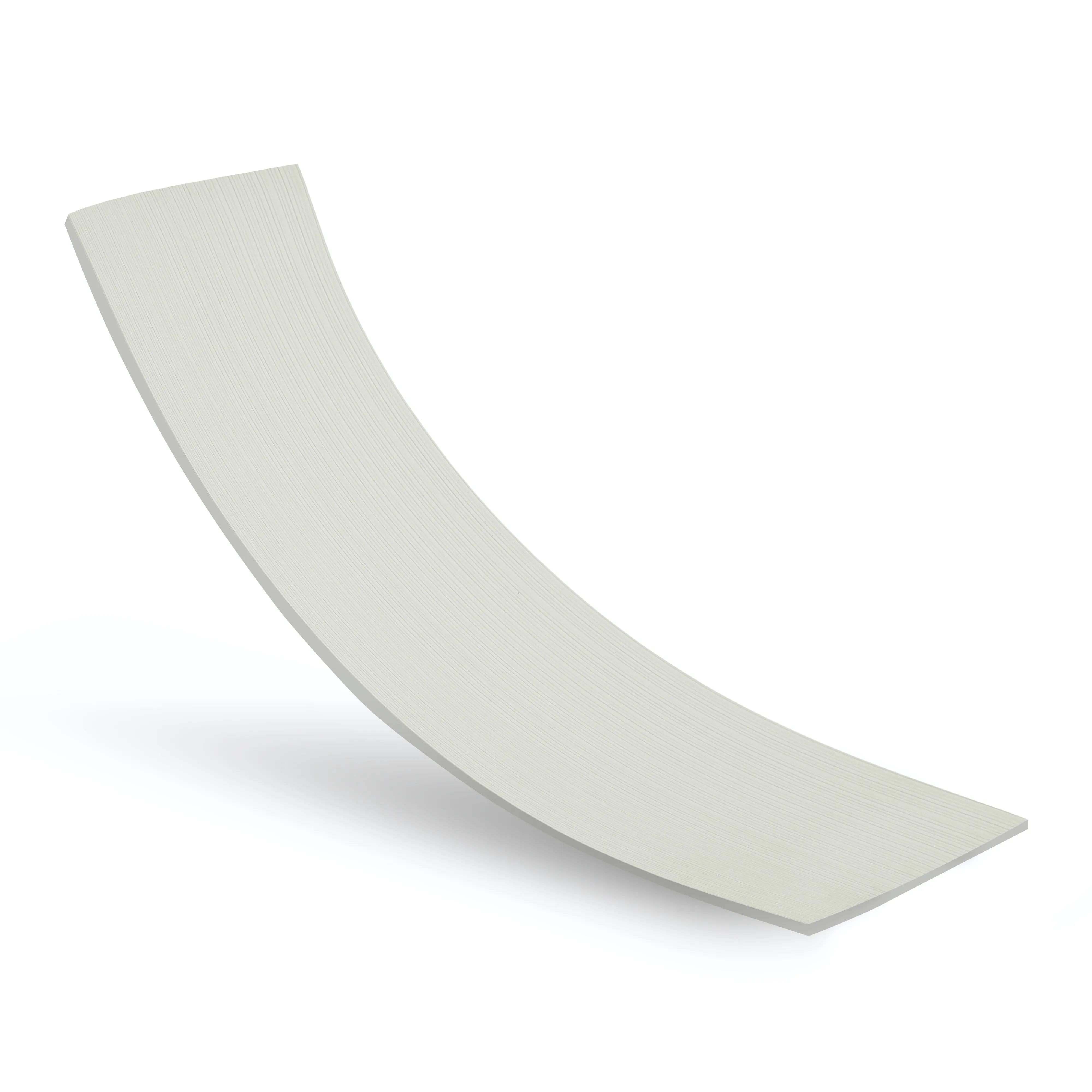
Now that you know the basics, how do you narrow it down to the perfect thickness for your project? Start by asking yourself these five questions:
1. Where will the stone be installed? Is it a high-traffic area (like a lobby) or a low-traffic space (like a bedroom accent wall)? A 20mm slab makes sense for a busy restaurant floor, but a 6mm slab would work beautifully for a bedroom wall that rarely gets touched.
2. What's the structural capacity of the space? If you're installing stone on an upper floor or a drywall partition, 6mm or 12mm is safer than 20mm. Consult a structural engineer if you're unsure—better safe than sorry!
3. What's your budget? Be honest about how much you can spend. If you love the look of Fine Line Stone (White) but can't afford 20mm everywhere, mix and match: use 20mm for the kitchen island (a high-impact area) and 6mm for the backsplash (a lower-traffic spot).
4. What's the aesthetic you're going for? Do you want a light, airy feel (6mm) or a solid, luxurious look (20mm)? Thickness affects the overall vibe of the space, so align it with your design goals.
5. How long do you want it to last? If you're planning to stay in your home for 10+ years, investing in 12mm or 20mm makes sense. If you're renting or flipping a house, 6mm might be a more cost-effective choice.
Real-Life Example: Sarah, a homeowner in Chicago, wanted Fine Line Stone (White) in her open-concept kitchen. She chose 12mm for the countertops (durable enough for cooking messes) and 6mm for the backsplash (lightweight and budget-friendly). The result? A cohesive, high-end look that balances functionality and style.
Even with the best intentions, it's easy to make missteps when choosing stone thickness. Here are a few common mistakes to watch out for:
Choosing Thickness Based on Cost Alone: It's tempting to go with the cheapest option, but a 6mm slab in a high-traffic area will cost more in repairs and replacements down the line than investing in 12mm or 20mm upfront.
Ignoring Structural Support: Don't assume your walls or floors can handle 20mm slabs. Always consult a professional to assess structural capacity—this is especially important in older homes or apartments with weight restrictions.
Overlooking Installation Costs: Thicker slabs require more labor and specialized tools, which adds to the total cost. Factor installation into your budget when comparing thicknesses.
Mixing Thicknesses Without a Plan: Mixing 6mm and 20mm can work, but it needs to be intentional. Avoid abrupt transitions—for example, a 20mm countertop next to a 6mm backsplash should have a smooth edge or trim to blend the two.
At the end of the day, the best Fine Line Stone (White) thickness depends on your unique project. There's no "perfect" size—only the one that aligns with your space, budget, and design goals. Whether you opt for 6mm, 12mm, or 20mm, remember that Fine Line Stone (White) is a versatile, timeless material that will add beauty and value to your space for years to come. And don't forget to have fun with it! Pair it with complementary materials like MCM flexible stone for a modern twist or historical pathfinders stone for a rustic, vintage feel. The possibilities are endless—all you need is a little creativity and the right thickness to bring your vision to life.
So, what's your plan? Are you leaning toward 6mm for a lightweight accent wall, 12mm for a durable kitchen countertop, or 20mm for a statement-making commercial space? Whatever you choose, we'd love to hear about it. Happy designing!
*Cost estimates are based on average market prices in 2025 and may vary by region, supplier, and project complexity. Always get a quote from a local contractor before making a final decision.
Recommend Products












