
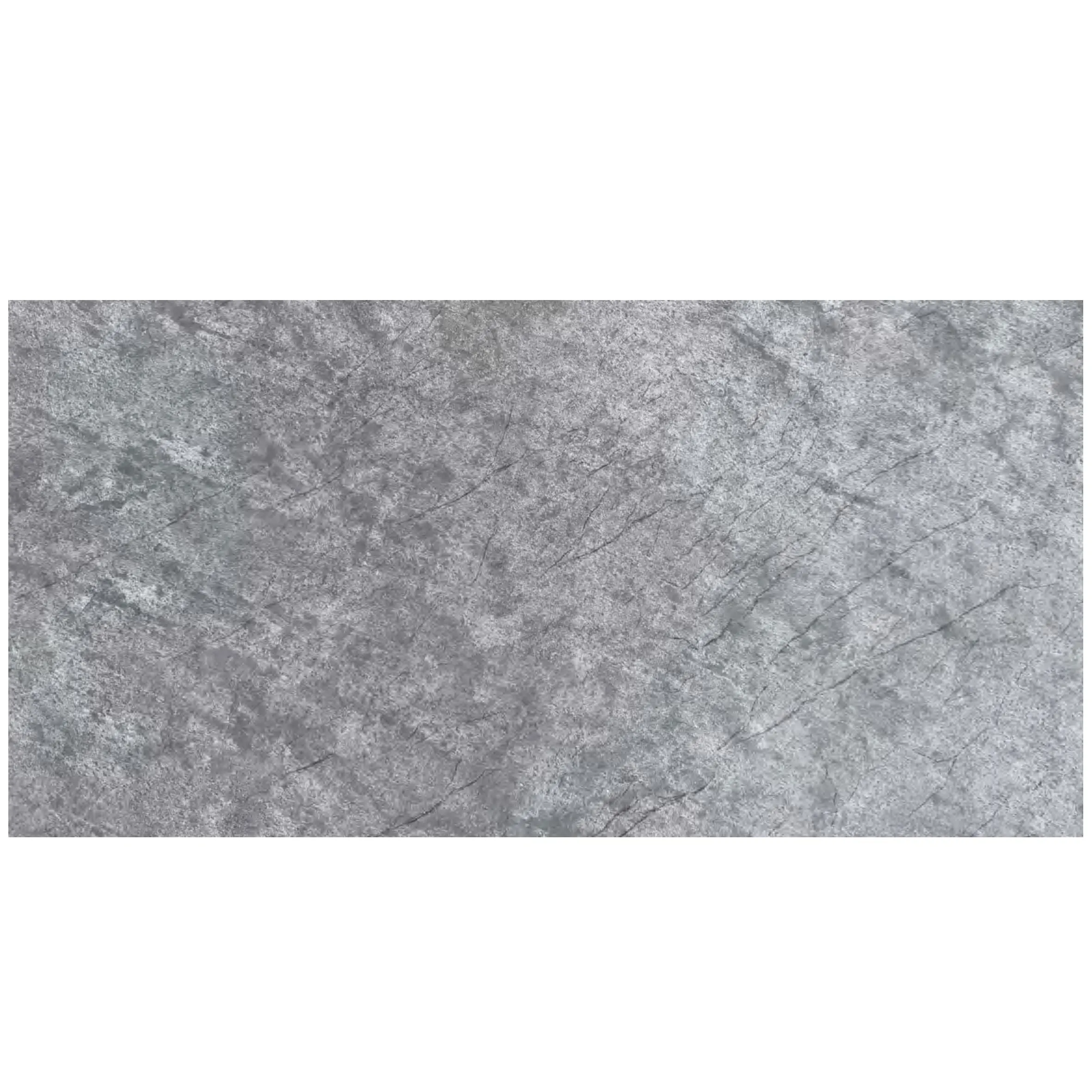
Why today's architects are ditching traditional tiles for flexible, durable, and stunning MCM solutions
Walk down any city street, and you'll notice something: buildings don't just exist —they communicate . A sleek glass tower whispers innovation; a brick row house hums with warmth; a stone-clad museum feels timeless, like a guardian of stories. In modern architecture, the facade is the building's first impression, its voice, its way of connecting with the world around it. And in that dialogue, the choice of material isn't just a technical decision—it's an artistic one, a practical one, and often, a sustainability one.
These days, two materials often find themselves in the spotlight for facade design: Glacial Slate (a standout in the MCM family) and traditional ceramic tiles . Both promise to elevate a building's aesthetic, but dig a little deeper, and their differences become clear. If you're an architect, a builder, or even a homeowner dreaming of a facade that's as durable as it is beautiful, you've probably wondered: Which one is right? And what makes MCM (Modified Composite Material) options like Glacial Slate so buzzworthy?
Let's pull back the curtain. Over the next few pages, we'll explore what makes Glacial Slate and ceramic tiles tick, how they stack up in real-world use, and why MCM—with its flexible, lightweight, and eco-friendly profile—is quickly becoming the go-to for architects who refuse to compromise on form or function. We'll even touch on some of the other stunning MCM options out there, from the starry hues of travertine to the industrial chic of fair-faced concrete, to show just how versatile this material category really is.
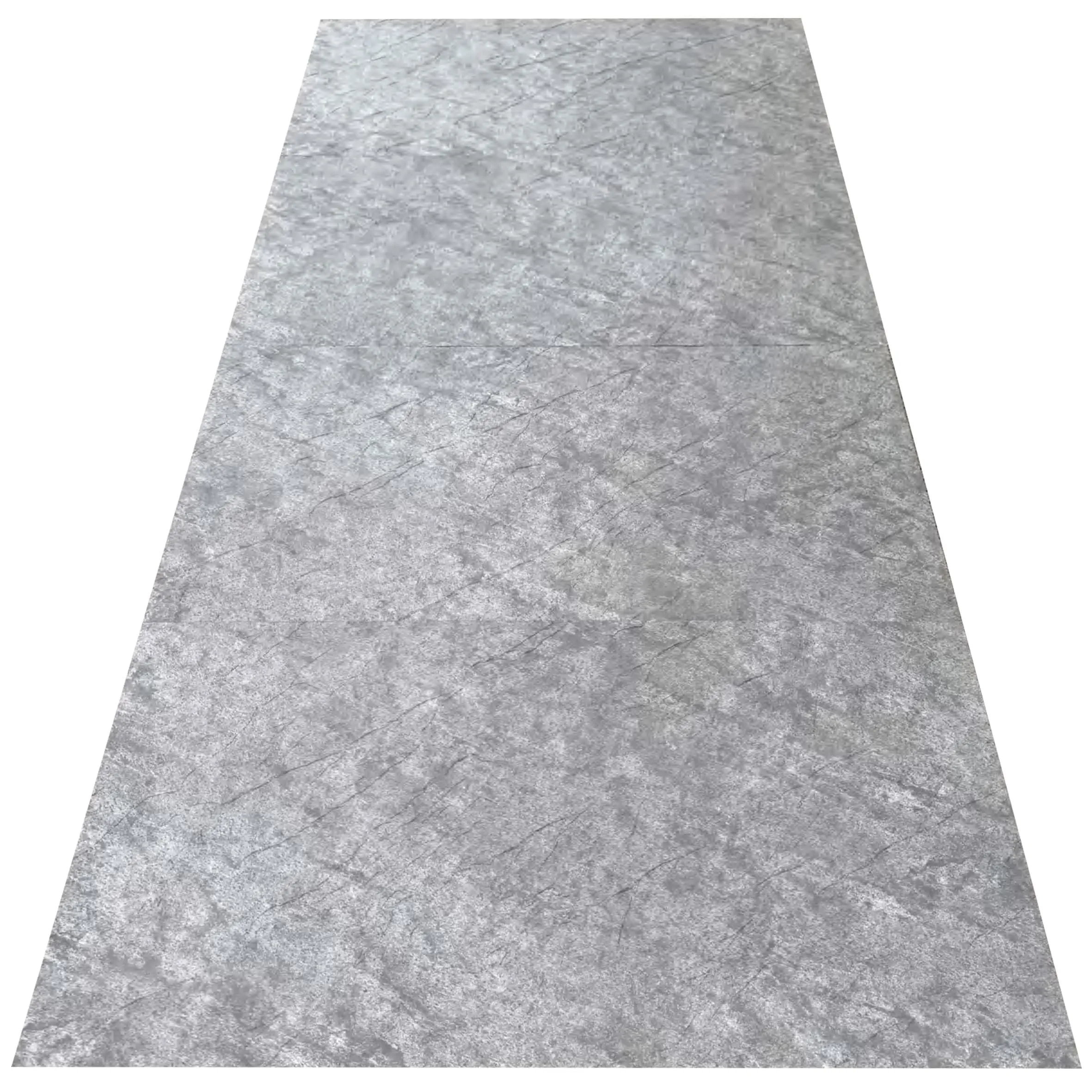
First, let's get up close with Glacial Slate. If you're picturing a slab of stone chiseled from a mountain, think again—though it looks that way. Glacial Slate is part of the MCM (Modified Composite Material) family, a category of engineered materials that marries the best of natural minerals with modern polymers. The result? A material that's as tough as it is tender, as flexible as it is firm, and as visually striking as any natural stone—without the heft or hassle.
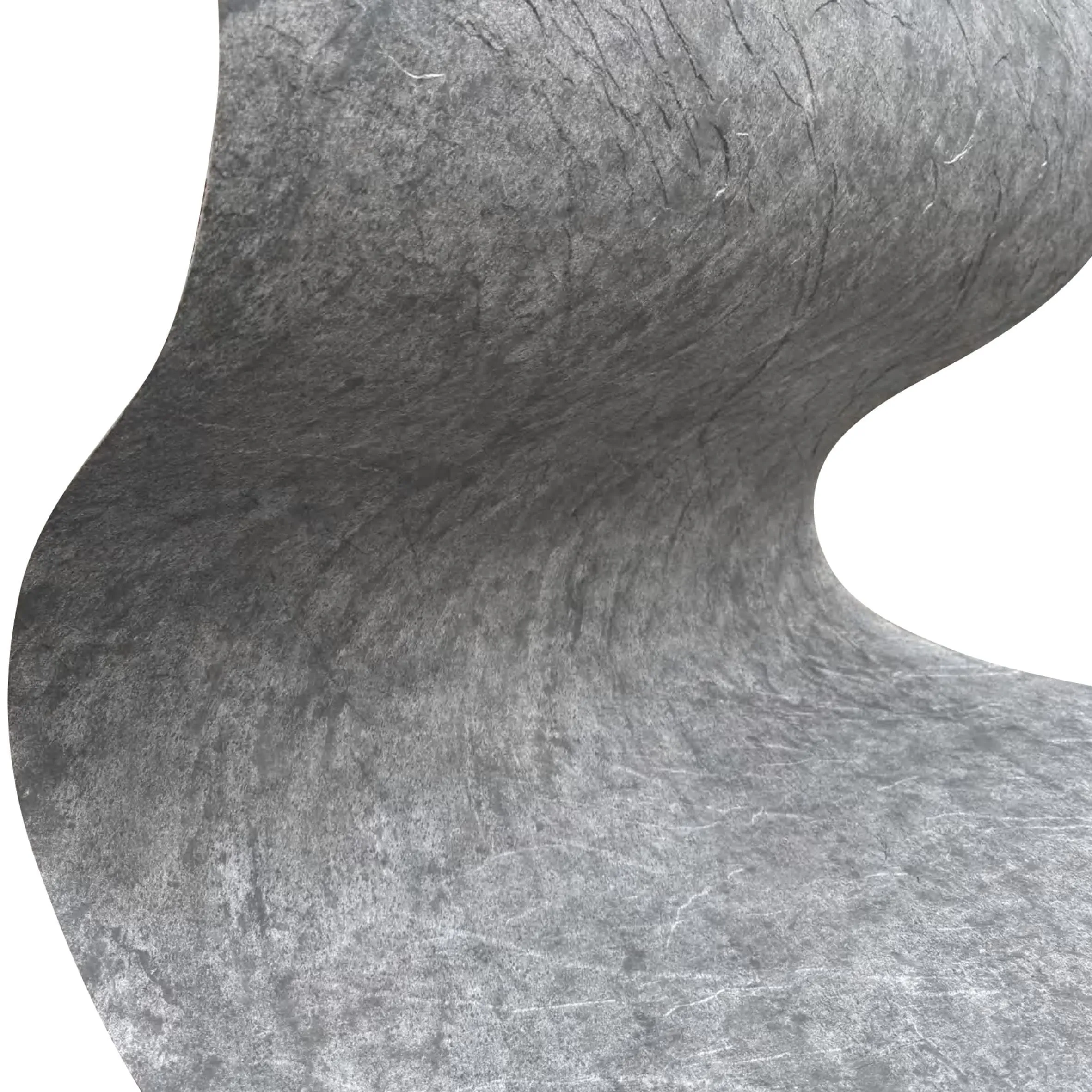
At its core, Glacial Slate starts with natural aggregates—think crushed stone, minerals, and sometimes even recycled materials—bound together with a polymer resin. This blend is then compressed and cured to form thin, lightweight panels that mimic the texture and color of natural slate, but with a twist: they're designed to be flexible . Unlike rigid natural stone, Glacial Slate can bend slightly, making it ideal for curved facades, intricate designs, or buildings with non-uniform surfaces.
The "Glacial" in its name isn't just marketing fluff, either. Run your hand over a panel, and you'll feel the cool, matte texture that evokes the raw, weathered beauty of stone carved by ice and time. The color palette leans toward silvery grays, deep charcoals, and soft whites, with subtle veining that mimics the striations found in natural glacial deposits. It's a material that feels both ancient and modern—like bringing a piece of the Alps into a downtown high-rise.
One of the first things architects notice about Glacial Slate is its versatility. Unlike some natural stones that come in limited colorways or patterns, MCM panels like Glacial Slate can be engineered to fit almost any design vision. Want a facade that shimmers subtly in the sun? The silvery undertones catch light without being flashy. Prefer something moodier? Deeper gray variants add drama without overwhelming. And because the color runs through the entire panel (not just a surface coat), scratches or chips are far less noticeable than they would be on a painted or glazed material.
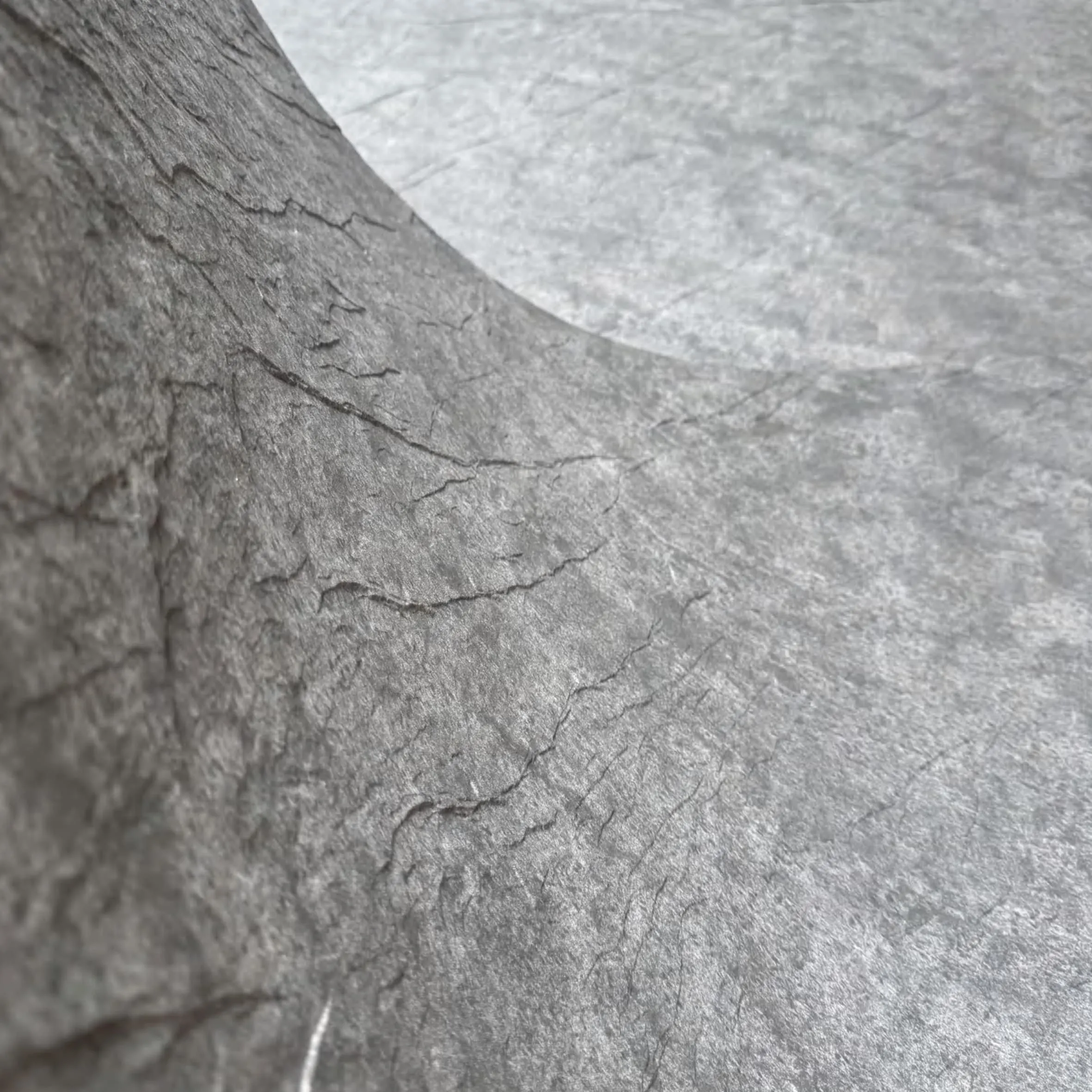
But it's the texture that really sets Glacial Slate apart. Unlike smooth ceramic tiles, which can feel flat or clinical, Glacial Slate has depth. Its surface is slightly rough, with tiny pits and ridges that cast soft shadows throughout the day, giving the facade a dynamic, ever-changing look. At dawn, it might glow with a cool blue-gray hue; at dusk, it could warm up to a smoky charcoal. It's a material that interacts with light, turning a static wall into a living, breathing part of the landscape.
Here's where MCM really flexes (pun intended). Glacial Slate isn't just pretty—it's tough. Let's talk numbers: natural stone can weigh 20-30 pounds per square foot; Glacial Slate? A mere 3-5 pounds per square foot. That lightweight profile reduces stress on the building's structure, but don't mistake lightness for weakness. The polymer binding gives these panels impressive impact resistance—drop a tool on them during installation, and they're far less likely to crack than ceramic tiles or even natural slate.
Weather resistance? Check. Glacial Slate stands up to rain, snow, UV rays, and extreme temperatures without fading, warping, or deteriorating. Unlike ceramic tiles, which can absorb moisture (especially if their glaze chips), MCM panels are non-porous, so they won't harbor mold, mildew, or stains. In coastal areas, where salt air eats away at traditional materials, Glacial Slate holds its own, maintaining its color and integrity for decades.
If you've ever installed ceramic tiles on a large facade, you know the drill: heavy materials, tedious cutting, and the need for precise alignment to avoid lippage (those annoying uneven edges). Glacial Slate simplifies the process. Because the panels are lightweight, you don't need a army of workers to hoist them into place—two people can handle a large panel with ease. They're also easy to cut with standard tools, so custom shapes or cutouts (for windows, vents, or design accents) are a breeze.
Installation methods are flexible, too. Glacial Slate can be attached with mechanical fasteners (like screws or clips) or adhesives, depending on the substrate and design needs. And because the panels are thin (usually 3-5mm thick), they add minimal bulk to the building, which is a huge plus for retrofits or projects where space is tight. Compare that to ceramic tiles, which often require a thick mortar bed for installation, adding weight and time to the process.
Now, let's turn to ceramic tiles. For decades, they've been a staple in both interior and exterior design, and for good reason. Made from clay that's shaped, glazed (or unglazed), and fired at high temperatures, ceramic tiles are affordable, widely available, and come in a rainbow of colors and patterns. Walk into any home improvement store, and you'll find rows of them—shiny, matte, textured, smooth—promising to transform walls and floors alike.
But when it comes to large-scale facade applications, ceramic tiles start to show their age. Let's break down their pros and cons, so we can see how they stack up against Glacial Slate.
First, the positives. Ceramic tiles are budget-friendly—especially compared to natural stone. They're also easy to find; most suppliers carry a wide range, so you won't struggle to source them for a project. And when it comes to color and pattern variety, they're hard to beat. Want a bold red facade? A playful mosaic? A mimicry of marble? Ceramic tiles can do that—at least, initially.
They're also relatively durable in low-traffic, sheltered areas. In a kitchen backsplash or a bathroom wall, ceramic tiles hold up well, resisting stains and moisture (thanks to their glaze). For small exterior projects, like a patio wall or a garden shed, they might even work fine—for a while.
But scale up to a commercial facade or a multi-story building, and the cracks (literal and figurative) start to show. Let's start with weight. Ceramic tiles, especially the thicker, more durable ones used outdoors, can weigh 8-12 pounds per square foot—far more than Glacial Slate. That adds up quickly. A 10,000-square-foot facade could add tens of thousands of pounds to the building's load, requiring reinforced structural support and driving up construction costs.
Then there's brittleness. Ceramic tiles are rigid, which sounds like a good thing—until the building shifts (as all buildings do, slightly, with temperature changes or settling). That rigidity means tiles can crack or pop loose over time, leaving unsightly gaps or creating safety hazards. The glaze, which protects the tile from moisture and stains, is also prone to chipping. Once that glaze is compromised, water seeps in, leading to mold, mildew, or even freeze-thaw damage in cold climates.
Installation is another headache. Ceramic tiles require a flat, even substrate, which often means applying a thick layer of mortar. Not only does this add weight, but it also extends installation time—each tile must be placed individually, spaced with grout lines, and checked for level. Grout itself is a maintenance nightmare: it stains easily, cracks over time, and needs regular sealing to prevent water penetration. And if a tile does crack? Replacing it means matching the color (which can fade over time) and carefully removing the old tile without damaging adjacent ones—hardly a quick fix.
Aesthetically, ceramic tiles can also feel… flat . While they come in many patterns, the glaze often gives them a plastic-like sheen that lacks the depth and warmth of natural materials. And because the color is only on the surface, scratches or wear reveal the plain clay underneath, making the facade look tired long before its time.
To really see the difference, let's put Glacial Slate and Ceramic Tiles head-to-head. The table below breaks down key factors architects and builders care about most—from weight to durability to long-term value.
| Feature | Glacial Slate (MCM) | Ceramic Tiles |
|---|---|---|
| Weight (per sq ft) | 3-5 lbs | 8-12 lbs |
| Thickness | 3-5mm | 8-12mm (plus mortar bed) |
| Flexibility | Can bend slightly; ideal for curved surfaces | Rigid; prone to cracking on uneven substrates |
| Durability | Resistant to impact, UV rays, moisture, and freeze-thaw cycles; lasts 50+ years | Brittle; glaze chips easily; prone to moisture absorption and cracking; 10-20 year lifespan outdoors |
| Installation | Lightweight, easy to cut; can be installed with fasteners or adhesives; minimal substrate prep | Requires thick mortar bed; heavy lifting; individual tile placement; grout maintenance |
| Aesthetics | Natural stone texture; color; dynamic interaction with light | Surface-only color/glaze; can look flat or artificial; grout lines disrupt visual flow |
| Maintenance | Minimal: hose down with water; no sealing required | Frequent grout sealing; stain removal; tile replacement for cracks/chips |
| Environmental Impact | Often contains recycled materials; low VOCs; lightweight = lower transportation emissions | High firing temperatures = high energy use; heavy = higher transportation emissions |
| Long-Term Cost | Higher upfront cost, but lower maintenance and replacement costs; better ROI over 20+ years | Lower upfront cost, but higher long-term maintenance and replacement costs |
The table tells a clear story: while ceramic tiles may seem like a budget-friendly choice upfront, Glacial Slate (and MCM materials in general) offer better performance, durability, and aesthetics over the long haul. But Glacial Slate isn't the only MCM star in the sky—let's explore the broader world of MCM materials, and why they're revolutionizing facade design.
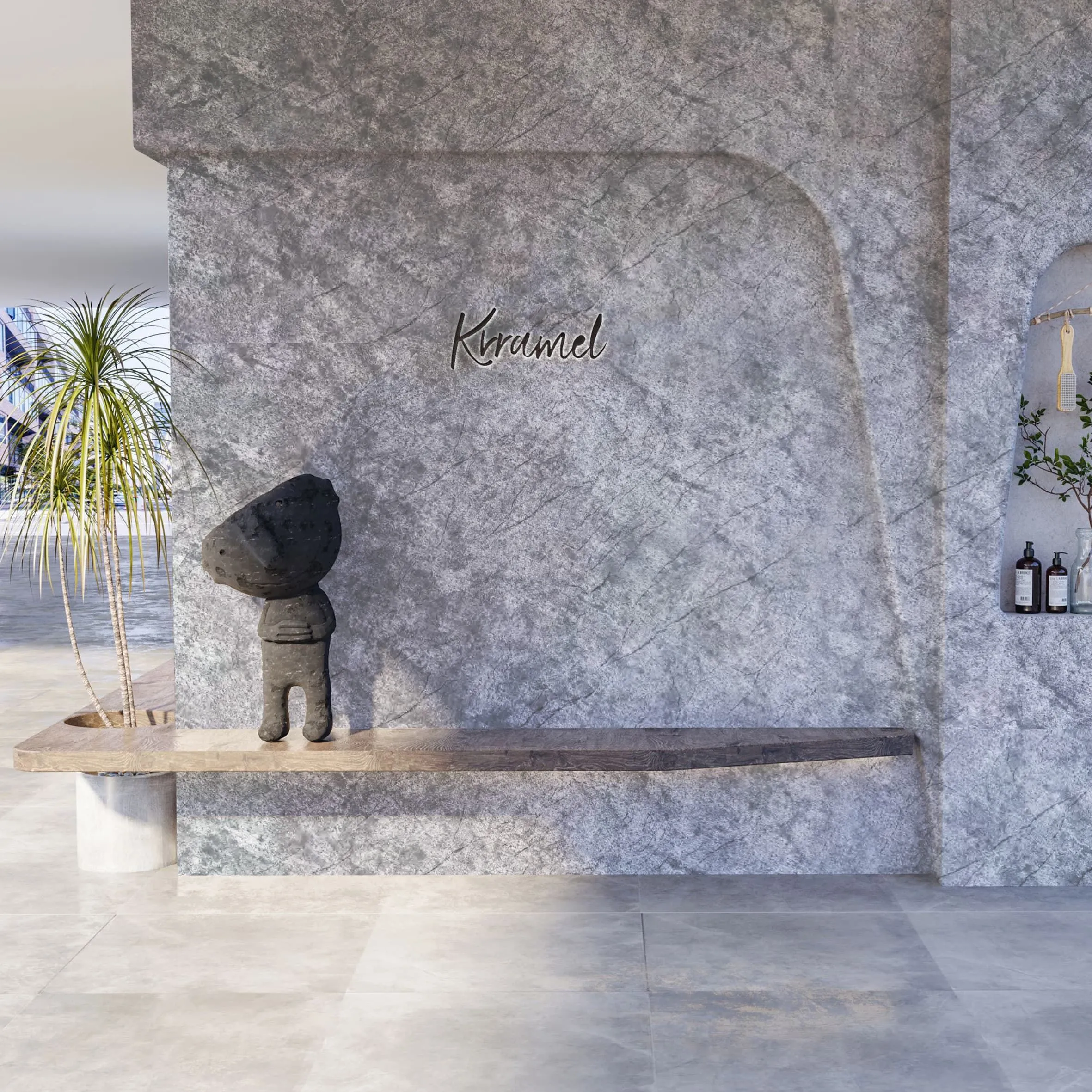
One of the most exciting things about MCM is its diversity. Glacial Slate is a standout, but it's just one member of a large, creative family. MCM manufacturers have engineered materials that mimic everything from travertine to concrete to wood, offering architects and designers a toolkit of options that blend natural beauty with modern performance. Let's take a tour of some of the most intriguing options—many of which are on that long list of keywords you might have noticed earlier.
Traditional travertine is beloved for its warm, earthy tones and distinctive pitting (those tiny holes formed by mineral deposits). But it's heavy, porous, and prone to staining—until MCM got its hands on it. MCM travertine panels, like travertine (starry green) , travertine (starry red) , and travertine (vintage silver) , capture that natural pitting and warmth but with all the benefits of MCM. Imagine a facade clad in travertine (starry blue) —deep, rich, with flecks that catch the light like a night sky. Or travertine (vintage gold) , which adds a touch of luxury without the weight of real gold-leafed stone. These panels are non-porous, lightweight, and just as flexible as Glacial Slate, making them perfect for both modern and classical designs.
For projects that demand a futuristic, otherworldly vibe, the lunar peak series is hard to beat. Available in silvery , golden , and black , these MCM panels mimic the cratered, metallic surface of the moon. The silvery variant shimmers like moonlight; the golden version glows warm and inviting; the black adds drama and depth. Unlike real metal cladding, which can dent, rust, or fade, lunar peak MCM panels are scratch-resistant, weatherproof, and colorfast. They're also lightweight enough to be used on high-rise facades, where traditional metal would add too much load.
Concrete has long been a favorite of industrial and minimalist architects, but traditional fair-faced concrete is heavy, hard to install, and prone to cracking. MCM fair-faced concrete panels solve all that. They capture the raw, textured look of poured concrete—complete with subtle variations in color and finish—but in a lightweight, flexible form. Imagine a warehouse conversion with a facade of MCM fair-faced concrete: it has the industrial edge you want, but it's easy to install, won't crack in temperature swings, and requires zero sealing or maintenance. Pair it with wood grain board MCM panels for a warm-cool contrast, and you've got a facade that feels both rugged and refined.
If you're craving a metallic look with a vintage twist, foamed aluminium alloy boards are worth a look. Available in vintage silver , vintage gold , and gold , these panels have a matte, slightly weathered finish that evokes old-world craftsmanship with new-world durability. Foamed aluminium is lighter than solid metal, corrosion-resistant, and fire-retardant—making it ideal for commercial buildings or historic renovations where safety and aesthetics go hand in hand. Imagine a boutique hotel facade clad in vintage gold foamed aluminium: it shimmers softly in the sun, like a treasure chest from a bygone era, but it's tough enough to stand up to decades of weather.
Rammed earth has been used for centuries, prized for its natural insulation and earthy, terracotta hues. But traditional rammed earth walls are thick, heavy, and labor-intensive to build. Rammed earth board MCM panels—like rammed earth board (matcha green) , rammed earth board (gradient) , or gobi rammed earth board —bring that same warm, textured look to modern facades without the bulk. These panels are made with natural earth pigments and polymers, creating gradients of color that mimic the layers of sediment in desert landscapes. They're breathable, helping to regulate a building's temperature, and their muted tones blend seamlessly with natural surroundings—perfect for eco-resorts or rural homes.
For a facade that feels like it was hewn from a mountain, boulder slab MCM panels are the answer. Available in vintage silver , vintage gold , and vintage black , these panels mimic the rough, chiseled surface of natural boulders. They're perfect for creating a focal point on a building—like an entranceway or a feature wall—or for cladding an entire facade in a rugged, organic texture. And because they're MCM, installing them is nothing like hauling real boulders: they're lightweight, easy to cut, and attach with simple fasteners. It's the beauty of natural stone without the backbreaking work.
Numbers and tables tell part of the story, but real-world examples bring it to life. Let's look at a few projects where Glacial Slate (and other MCM materials) made a tangible difference—turning ordinary facades into extraordinary ones, and solving problems that ceramic tiles couldn't touch.
In downtown Denver, a 22-story office tower was struggling to stand out in a sea of glass and steel. The architects wanted a facade that evoked the nearby Rocky Mountains—tough, timeless, and connected to nature—but glass alone felt cold, and natural stone was too heavy for the building's structure. Enter Glacial Slate MCM panels in silvery-gray. The lightweight panels were installed across the tower's lower three floors and along the rooftop terrace, creating a base that feels grounded and rugged, like a mountain base camp. The panels' subtle veining catches the Colorado sunlight, shifting from cool gray to warm silver throughout the day, and their flexibility allowed the architects to incorporate gentle curves that mimic mountain slopes. Five years later, the facade still looks brand-new, with zero cracks, fading, or maintenance issues—something that can't be said for the ceramic-tiled parking garage next door, which has already needed multiple repairs.
In coastal Maine, a community center needed a facade that could stand up to harsh winters, salt spray, and high winds. The initial plan was to use ceramic tiles in a blue-gray hue to match the ocean, but during testing, the tiles cracked under freeze-thaw conditions, and their glaze chipped easily when hit by flying debris. The architects switched to Glacial Slate MCM panels in a deep charcoal, and the results were dramatic. The panels' non-porous surface repels salt water and moisture, so no mold or mildew has formed. They've withstood multiple nor'easters without a scratch, and their color hasn't faded a bit—even with constant exposure to UV rays. The center's director jokes that the facade is "tougher than the locals," and with good reason: it's required zero maintenance beyond an occasional hose-down, saving the community thousands in repair costs.
In Boston, a 1920s factory was being converted into luxury lofts, and the developers wanted to preserve the building's industrial character while updating it for modern living. The original brick facade was crumbling in places, and adding traditional stone or ceramic tiles would have altered the building's historic profile (and added too much weight). They chose MCM fair-faced concrete panels for the new additions and wood grain board MCM panels for accent walls. The fair-faced concrete panels mimicked the look of the factory's original concrete floors, while the wood grain panels added warmth. Both materials were lightweight enough to be installed without reinforcing the old structure, and their thin profile meant the building's footprint didn't change. Today, the lofts feel both historic and contemporary, with a facade that honors the past while embracing the future.
At this point, it's clear that MCM materials like Glacial Slate offer a host of advantages over traditional ceramic tiles. But let's zoom out and ask: why does this matter for the future of architecture? What makes MCM more than just a "better tile"? The answer lies in three key trends shaping modern design: sustainability, versatility, and emotion.
Today's architects and developers aren't just building for today—they're building for the next 50 years. That means prioritizing materials with low environmental impact. MCM checks this box in spades. Many MCM panels, including Glacial Slate, contain recycled materials, reducing the need for virgin resources. Their lightweight nature also cuts down on transportation emissions: a truck can carry far more MCM panels than ceramic tiles or natural stone, meaning fewer trips and less fuel used. And because MCM panels last decades without needing replacement, they reduce waste over the building's lifecycle. Compare that to ceramic tiles, which often need to be replaced every 10-20 years, sending tons of broken tile and grout to landfills.
MCM also contributes to energy efficiency. Many panels have insulating properties that help regulate a building's temperature, reducing heating and cooling costs. And their reflective or absorptive properties can be tailored to the climate: lighter colors reflect sunlight in hot regions, keeping interiors cool, while darker colors absorb heat in cold climates. It's a small detail, but it adds up to big energy savings over time.
Modern architecture isn't just about boxes anymore. Buildings twist, curve, rise, and fall in bold, organic shapes—and traditional materials often can't keep up. Ceramic tiles, with their rigidity and weight, are stuck in the past, limited to flat surfaces and simple designs. MCM, with its flexibility and lightweight profile, frees architects to dream bigger. Want a facade that curves like a wave? MCM panels can bend to the shape. Need to clad a towering skyscraper with a material that won't weigh it down? MCM fits the bill. Want to mix and match textures—say, Glacial Slate for the base, lunar peak silvery for the upper floors, and wood grain board for accents? MCM makes it easy, with consistent installation methods across products.
This versatility also extends to color and texture. As we've seen, MCM manufacturers offer an endless array of options, from the starry travertines to the vintage metallics to the earthy rammed earth boards. Architects no longer have to choose between beauty and performance—they can have both, in any shade or texture they can imagine.
At the end of the day, buildings are for people—and people connect with emotion. A facade that feels cold, flat, or artificial won't resonate; one that feels warm, textured, and alive will. MCM materials excel at creating emotional connections because they mimic the natural world—stone, wood, earth, metal—in ways that feel authentic. Glacial Slate doesn't just look like stone; it feels like stone, with a texture that invites touch and a color that shifts with the light. Travertine MCM panels have the same pitting and warmth as the real thing, but they won't stain or crumble. Wood grain MCM panels capture the grain and knotting of real wood, but they won't rot or warp.
These materials don't just decorate buildings—they tell stories. A facade clad in gobi rammed earth board evokes the vastness of the desert; one in lunar peak golden feels like a bridge to the stars; one in Glacial Slate whispers of ancient mountains and timeless strength. In a world that's increasingly digital and disconnected, these tangible, natural-feeling surfaces ground us, making buildings feel like more than just structures—they feel like places.
So, back to the original question: Glacial Slate or ceramic tiles? For modern facade design, the answer is clear. Ceramic tiles have their place—in small-scale, low-traffic applications where budget is the only concern—but they can't match MCM materials like Glacial Slate when it comes to durability, versatility, sustainability, or long-term value.
Glacial Slate, with its natural stone texture, lightweight profile, and weather-resistant properties, is more than just a building material—it's a design partner. It lets architects push boundaries, create dynamic, emotional facades, and build structures that stand the test of time. And when you factor in the broader MCM family—with options like travertine, lunar peak, fair-faced concrete, and foamed aluminium—you realize that the possibilities are endless. Whether you're designing a high-rise office building, a boutique hotel, a residential complex, or a historic renovation, there's an MCM material that will bring your vision to life.
At the end of the day, architecture is about more than function. It's about creating spaces that inspire, that connect, that endure. And in that mission, MCM materials like Glacial Slate are more than tools—they're collaborators. They let us build not just for today, but for tomorrow. They let us blend the best of nature and innovation. They let us create facades that don't just exist—they breathe .
So the next time you're standing in front of a blank canvas of a building, wondering what material will turn it into something extraordinary, remember: Glacial Slate and the MCM family are ready to help you tell your story. All you have to do is imagine—and then build.
Recommend Products












